

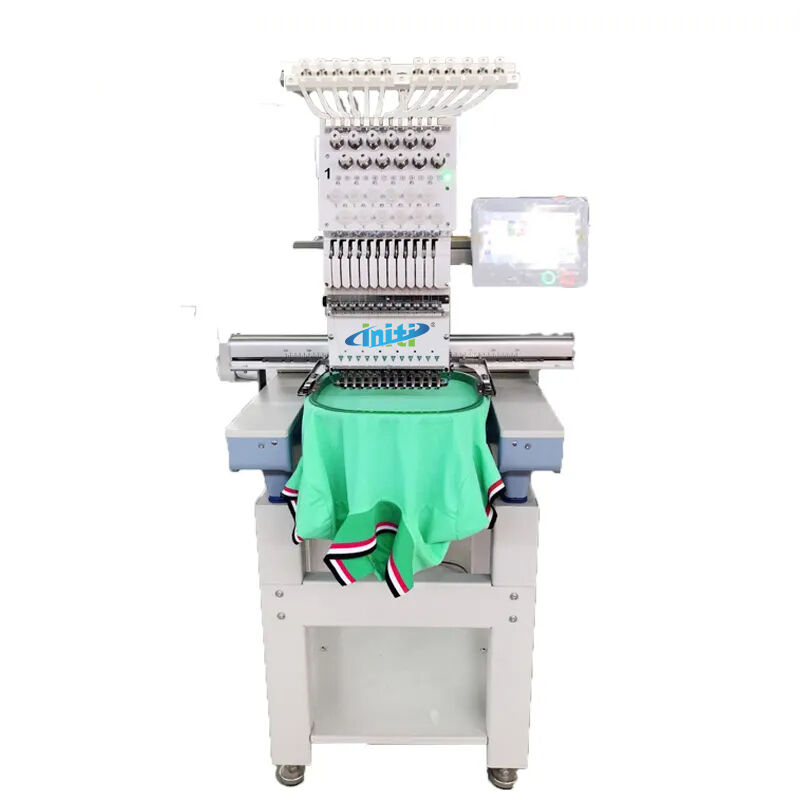
In today's competitive manufacturing landscape, finding reliable custom machine suppliers has become a critical factor for business success. Companies across industries are increasingly turning to specialized suppliers who can deliver tailored solutions that meet their unique production requirements. The partnership between manufacturers and custom machine suppliers extends far beyond simple vendor relationships, evolving into strategic collaborations that drive innovation and operational efficiency. Understanding how to evaluate and select the right custom machine suppliers can significantly impact your production capabilities, cost structure, and long-term competitive advantage.
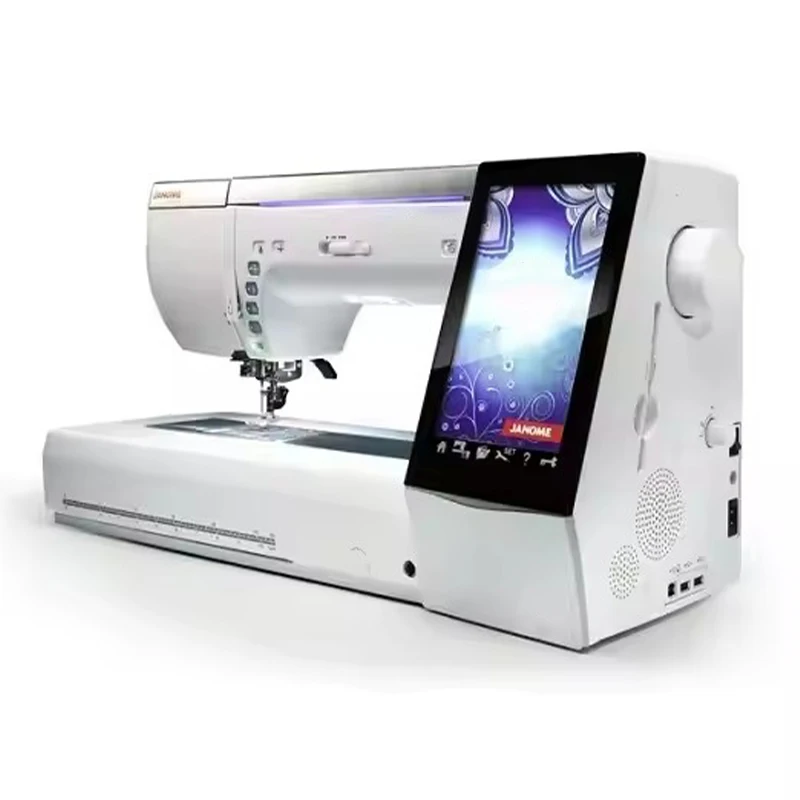
Understanding the Custom Machine Supplier Landscape
Market Dynamics and Industry Trends
The custom machine supplier industry has experienced significant transformation over the past decade, driven by advances in automation technology and increasing demand for specialized manufacturing solutions. Modern custom machine suppliers are leveraging cutting-edge technologies such as artificial intelligence, IoT integration, and advanced materials to create highly sophisticated equipment. These suppliers must balance technical innovation with practical manufacturing constraints, ensuring their solutions deliver measurable value to their clients. The competitive landscape includes established manufacturers with decades of experience alongside emerging companies that specialize in niche applications or breakthrough technologies.
Industry consolidation has resulted in larger suppliers offering comprehensive solutions while smaller custom machine suppliers focus on specialized niches or regional markets. This diversification creates opportunities for manufacturers to find suppliers that align perfectly with their specific needs, whether they require high-volume production equipment or specialized machinery for unique applications. Understanding these market dynamics helps manufacturers make informed decisions about which type of custom machine suppliers can best serve their long-term objectives.
Types of Custom Machine Suppliers
Custom machine suppliers can be categorized into several distinct types based on their specialization, scale, and service offerings. Original Equipment Manufacturers represent the largest category, designing and building complete systems from the ground up according to customer specifications. These suppliers typically maintain extensive engineering teams and manufacturing facilities capable of handling complex projects from concept to delivery. Integration specialists focus on combining existing components and subsystems into customized solutions, often working with multiple component suppliers to create comprehensive systems.
Regional custom machine suppliers often excel in providing personalized service and faster response times, particularly valuable for companies requiring ongoing support and maintenance. Technology specialists concentrate on specific domains such as robotics, vision systems, or control software, partnering with other suppliers to deliver complete solutions. Understanding these different supplier types helps manufacturers identify which category best aligns with their project requirements, budget constraints, and support needs.
Key Evaluation Criteria for Custom Machine Suppliers
Technical Capabilities and Expertise
Evaluating the technical capabilities of custom machine suppliers requires a comprehensive assessment of their engineering resources, manufacturing processes, and quality control systems. The best suppliers demonstrate deep expertise in relevant technologies and possess advanced design tools, simulation software, and prototyping capabilities. Their engineering teams should have proven experience in similar applications and understand the specific challenges associated with your industry. Documentation of previous projects, case studies, and technical publications can provide valuable insights into their problem-solving abilities and innovation track record.
Manufacturing capabilities represent another critical dimension when assessing custom machine suppliers. Suppliers should maintain modern production facilities with appropriate equipment for fabrication, assembly, and testing. Quality management systems, certifications, and adherence to industry standards demonstrate their commitment to delivering reliable equipment. The ability to handle various materials, precision requirements, and production volumes ensures they can accommodate diverse project specifications and future growth requirements.
Financial Stability and Business Reputation
Financial stability serves as a fundamental criterion when selecting custom machine suppliers, as unstable suppliers pose significant risks to project completion and long-term support. Comprehensive financial analysis should include review of annual reports, credit ratings, and business longevity. Suppliers with diversified customer bases and multiple revenue streams typically offer greater stability than those dependent on a few large clients or single market segments. References from existing customers provide valuable insights into payment practices, project management capabilities, and overall business conduct.
Business reputation encompasses factors such as industry recognition, professional certifications, and participation in trade organizations. Established custom machine suppliers often maintain strong relationships with component suppliers, ensuring reliable access to quality parts and materials. Their reputation for meeting deadlines, staying within budgets, and providing effective support influences their ability to attract and retain skilled personnel, which directly impacts service quality and project outcomes.
The Selection Process for Custom Machine Suppliers
Request for Proposal Development
Developing a comprehensive Request for Proposal represents a critical step in identifying suitable custom machine suppliers for your specific requirements. The RFP should clearly define technical specifications, performance expectations, delivery timelines, and budget parameters while allowing suppliers flexibility to propose innovative solutions. Detailed requirements help custom machine suppliers understand project complexity and provide accurate cost estimates, reducing the likelihood of scope changes and budget overruns during implementation.
Effective RFPs include evaluation criteria that balance technical capabilities, cost considerations, and business factors. Providing background information about your manufacturing processes, quality requirements, and integration constraints enables suppliers to propose solutions that align with your operational environment. Including questions about project management approaches, support services, and warranty terms helps evaluate suppliers beyond their technical capabilities, ensuring comprehensive assessment of their ability to deliver successful outcomes.
Supplier Evaluation and Comparison
Systematic evaluation of responses from custom machine suppliers requires structured comparison frameworks that consider multiple dimensions of supplier performance. Technical evaluation should assess proposed solutions against requirements, examining design approaches, component selections, and performance predictions. Cost analysis must consider total ownership costs including initial investment, operating expenses, maintenance requirements, and potential upgrade paths. Implementation timelines and project management approaches indicate suppliers' ability to meet delivery commitments and manage complex projects effectively.
Reference checks with previous customers provide valuable insights into supplier performance, reliability, and support quality. Site visits to supplier facilities offer opportunities to observe manufacturing capabilities, quality systems, and organizational culture firsthand. These interactions help assess communication styles, problem-solving approaches, and cultural fit between organizations. Combining quantitative scoring methods with qualitative assessments ensures comprehensive evaluation that considers both measurable performance factors and intangible relationship dynamics.
Building Successful Partnerships with Custom Machine Suppliers
Communication and Collaboration Strategies
Establishing effective communication protocols with custom machine suppliers forms the foundation for successful project outcomes and long-term partnerships. Clear communication channels should be defined for different types of interactions, including technical discussions, project updates, change management, and issue resolution. Regular meetings and structured reporting help maintain project momentum while ensuring all stakeholders remain informed about progress and potential challenges. Collaborative platforms and shared documentation systems facilitate transparent information exchange and reduce miscommunication risks.
Building strong working relationships with custom machine suppliers requires mutual respect, trust, and shared commitment to project success. Encouraging open dialogue about technical challenges, cost constraints, and timeline pressures enables collaborative problem-solving and innovative solutions. Recognizing supplier expertise and involving them in design decisions often leads to improved outcomes and more efficient implementations. Establishing clear expectations for communication frequency, response times, and escalation procedures helps maintain productive working relationships throughout project lifecycles.
Contract Management and Risk Mitigation
Comprehensive contract management ensures that agreements with custom machine suppliers address all critical aspects of the business relationship while protecting both parties' interests. Contracts should clearly define scope, deliverables, acceptance criteria, and payment terms while incorporating appropriate risk allocation mechanisms. Performance guarantees, warranty provisions, and support commitments provide protection against equipment failures and performance shortfalls. Change management procedures help control scope creep while maintaining flexibility to accommodate necessary modifications.
Risk mitigation strategies should address potential challenges such as delivery delays, cost overruns, and technical performance issues. Penalty clauses and performance bonds provide financial protection while incentive structures can encourage superior performance. Regular contract reviews and performance assessments help identify potential issues early and maintain alignment between expectations and reality. Professional legal review ensures contracts comply with applicable regulations and industry standards while protecting intellectual property rights and confidential information.
Long-term Relationship Management
Performance Monitoring and Continuous Improvement
Ongoing performance monitoring enables manufacturers to assess the effectiveness of their partnerships with custom machine suppliers and identify opportunities for improvement. Key performance indicators should encompass equipment reliability, maintenance requirements, support response times, and overall system effectiveness. Regular performance reviews provide opportunities to discuss successes, challenges, and potential enhancements while maintaining open dialogue about changing requirements and expectations.
Continuous improvement initiatives with custom machine suppliers can drive enhanced performance, reduced costs, and increased operational efficiency. Collaborative analysis of performance data helps identify optimization opportunities and develop targeted improvement plans. Sharing operational feedback and production insights enables suppliers to refine their designs and enhance future equipment deliveries. Joint improvement projects demonstrate commitment to long-term partnership success while leveraging combined expertise to achieve superior outcomes.
Strategic Partnership Development
Evolving relationships with custom machine suppliers from transactional interactions to strategic partnerships creates mutual benefits and competitive advantages. Strategic partnerships involve shared technology development, joint market exploration, and collaborative innovation initiatives. These relationships enable access to emerging technologies, preferential pricing, and priority support while providing suppliers with valuable market insights and development feedback.
Successful strategic partnerships with custom machine suppliers require alignment of business objectives, compatible corporate cultures, and mutual commitment to long-term success. Regular strategic planning sessions help identify collaboration opportunities and develop shared roadmaps for technology advancement and market expansion. These partnerships often result in exclusive access to new technologies, customized training programs, and enhanced support services that provide sustainable competitive advantages in dynamic market environments.
FAQ
How do I determine the right size custom machine supplier for my project
The optimal size of custom machine suppliers depends on your project complexity, budget, and support requirements. Large suppliers offer extensive resources and comprehensive capabilities but may have less flexibility and higher costs. Smaller suppliers often provide more personalized service and competitive pricing but may have limited resources for complex projects. Consider factors such as project scale, technical requirements, timeline constraints, and long-term support needs when evaluating supplier size compatibility with your specific situation.
What should I include in a contract with custom machine suppliers
Comprehensive contracts with custom machine suppliers should address technical specifications, delivery schedules, payment terms, warranty provisions, and support commitments. Include performance guarantees, acceptance criteria, change management procedures, and intellectual property protections. Risk allocation clauses, penalty provisions, and dispute resolution mechanisms help protect both parties' interests. Consider including training requirements, documentation standards, and future upgrade options to ensure complete coverage of project requirements and long-term relationship management.
How can I evaluate the technical capabilities of potential suppliers
Evaluating technical capabilities of custom machine suppliers requires assessment of their engineering resources, manufacturing processes, and quality systems. Review their portfolio of similar projects, examine case studies, and request references from previous customers. Conduct facility visits to observe their equipment, processes, and organizational capabilities firsthand. Assess their design tools, simulation capabilities, and testing procedures to ensure they can meet your technical requirements and quality standards effectively.
What are the key warning signs when selecting custom machine suppliers
Warning signs when evaluating custom machine suppliers include reluctance to provide references, lack of relevant experience, inadequate quality systems, and poor communication practices. Financial instability, unrealistic pricing, and overly aggressive timelines may indicate potential problems. Suppliers who cannot demonstrate appropriate certifications, lack proper insurance coverage, or show limited understanding of your industry requirements should be approached with caution. Trust your instincts when supplier responses seem inconsistent or when they avoid answering specific technical questions about their capabilities.