

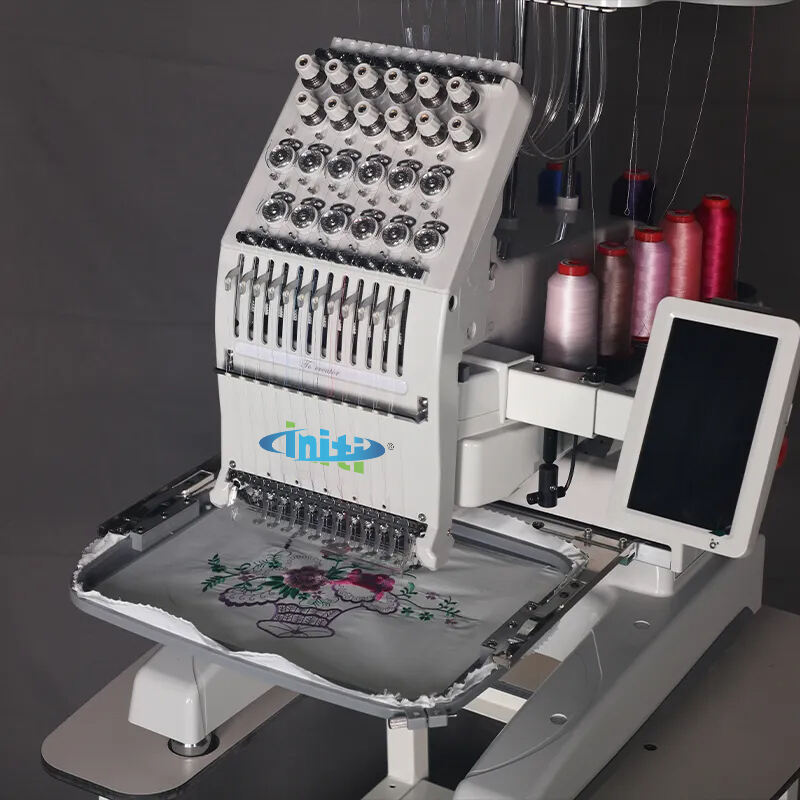
The textile and apparel industry continues to evolve with technological advances that make professional embroidery more accessible than ever before. Small businesses, startups, and entrepreneurs seeking cost-effective ways to customize products often struggle to find budget embroidery solutions that deliver quality results without breaking the bank. Understanding how to identify value-driven embroidery options can transform your business operations while maintaining competitive pricing and superior craftsmanship.
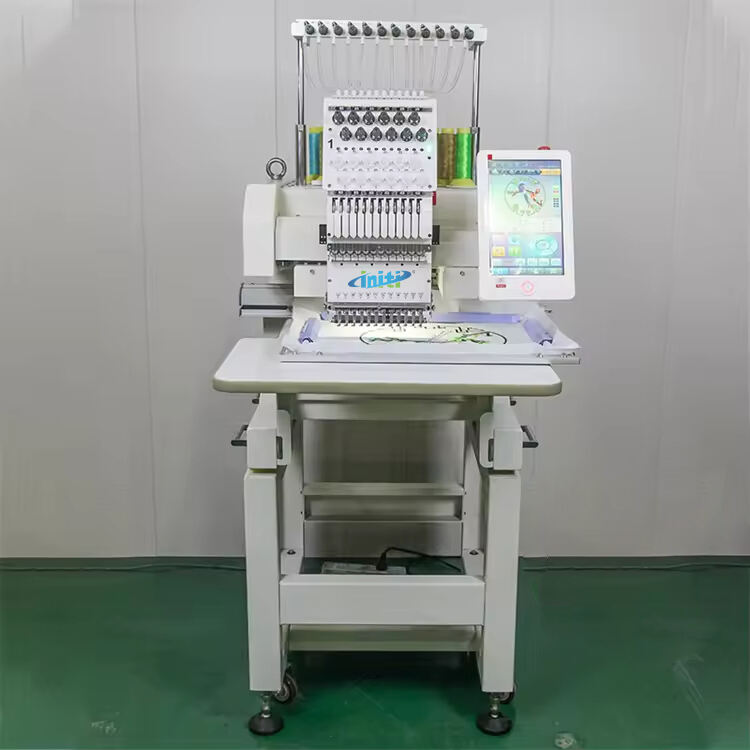
Modern embroidery technology has democratized custom textile production, enabling businesses of all sizes to access professional-grade equipment at reasonable price points. The key lies in understanding which features provide genuine value versus unnecessary bells and whistles that inflate costs. Smart buyers focus on core functionality, reliability, and long-term operational efficiency when evaluating their options.
Understanding Market Dynamics in Embroidery Equipment
Price Point Analysis Across Different Categories
The embroidery equipment market spans a wide range of price categories, each serving different business needs and production volumes. Entry-level machines typically range from several hundred to a few thousand dollars, while industrial-grade systems can cost tens of thousands. However, the most effective budget embroidery solutions often fall into the mid-range category, offering professional capabilities without premium pricing.
Understanding the relationship between price and functionality helps businesses make informed decisions. Lower-priced options may sacrifice speed, precision, or durability, while expensive models often include features that smaller operations may never utilize. The sweet spot for most small to medium businesses lies in identifying machines that provide essential professional features at competitive prices.
Key Features That Drive Value
When evaluating budget embroidery solutions, certain features consistently deliver higher returns on investment. Computerized control systems enable precise pattern execution and reduce material waste through accurate positioning. Multi-needle capabilities increase productivity by eliminating manual thread changes, while automatic tension control ensures consistent stitch quality across different fabric types.
Memory storage and USB connectivity allow operators to store and transfer designs efficiently, reducing setup time between jobs. These technological features, once exclusive to high-end machines, are now available in more affordable options, making professional-quality embroidery accessible to budget-conscious businesses.
Operational Efficiency and Cost Management
Maximizing Production Output
Effective budget embroidery solutions focus on maximizing throughput while minimizing operational costs. Single-head machines with computerized controls can achieve impressive production rates when properly configured and maintained. Understanding optimal thread tensions, appropriate stabilizer selection, and efficient design digitization helps operators extract maximum value from their equipment investment.
Production planning plays a crucial role in cost management. Batching similar designs, organizing thread colors efficiently, and maintaining consistent machine settings reduce setup time and material waste. These operational improvements often provide greater cost savings than purchasing more expensive equipment with marginal performance gains.
Maintenance and Longevity Considerations
Smart buyers recognize that initial purchase price represents only a fraction of total ownership costs. Budget embroidery solutions should emphasize reliability and maintainability over flashy features. Simple mechanical systems often prove more durable and cost-effective than complex electronic components that require specialized repair services.
Regular maintenance schedules, proper lubrication, and careful handling extend equipment life significantly. Businesses that invest time in operator training and preventive maintenance often achieve years of reliable service from modestly-priced machines, while neglected expensive equipment may require frequent costly repairs.
Technology Integration and Software Considerations
Design Software and Digitization Tools
Modern budget embroidery solutions benefit significantly from compatible design software that streamlines the creation and modification of embroidery patterns. Many affordable machines now include basic digitization software or support popular file formats, reducing the need for expensive third-party design tools. Understanding software capabilities helps businesses avoid unnecessary software licensing costs while maintaining design flexibility.
Cloud-based design libraries and online digitization services have emerged as cost-effective alternatives to in-house design teams. These resources provide access to professional-quality patterns and custom digitization services at fraction of traditional costs, making sophisticated designs accessible to businesses operating on tight budgets.
Connectivity and Workflow Integration
USB connectivity and memory card compatibility have become standard features in contemporary embroidery equipment, enabling seamless integration with existing workflows. These connectivity options eliminate the need for expensive networking equipment or proprietary transfer systems, reducing overall system costs while improving operational flexibility.
Integration with existing business management systems helps track production costs, monitor equipment utilization, and optimize scheduling. Many affordable machines now support these integration capabilities, providing enterprise-level functionality at small business price points.
Market Applications and Business Opportunities
Small Business and Entrepreneurial Applications
Entrepreneurs entering the custom apparel market often discover that strategic investments in budget embroidery solutions provide rapid returns through diversified service offerings. Custom embroidery services command premium pricing while requiring relatively modest capital investments compared to other manufacturing ventures.
Home-based businesses and small retail operations benefit from compact, quiet machines that provide professional results without requiring dedicated industrial space. These applications often emphasize versatility and ease of use over maximum production speed, making budget-friendly options particularly suitable for startup operations.
Educational and Training Environments
Educational institutions and training programs increasingly rely on cost-effective embroidery equipment to provide hands-on learning experiences. Budget embroidery solutions enable schools and vocational programs to offer comprehensive textile arts curricula without exceeding equipment budgets. Students gain valuable experience with computerized embroidery technology while institutions maintain sustainable program costs.
Community centers and maker spaces also benefit from affordable embroidery options that provide public access to professional-grade equipment. These installations democratize custom textile creation and support local entrepreneurship by reducing barriers to entry in the custom apparel industry.
Quality Assessment and Performance Benchmarks
Stitch Quality and Precision Metrics
Evaluating budget embroidery solutions requires understanding key performance indicators that impact final product quality. Stitch consistency, thread tension control, and positional accuracy directly influence customer satisfaction and repeat business opportunities. Modern affordable machines often achieve precision levels comparable to more expensive alternatives when properly configured and maintained.
Testing procedures should include various fabric types, thread weights, and design complexities to assess overall machine capabilities. Consistent performance across these variables indicates robust engineering and reliable operation, regardless of initial purchase price.
Speed and Efficiency Comparisons
Production speed represents another critical factor in evaluating budget embroidery solutions. While premium machines may offer maximum stitching speeds, practical throughput depends on design complexity, thread changes, and operator skill levels. Many affordable options provide sufficient speed for small to medium production runs while maintaining excellent stitch quality.
Efficiency metrics should include setup time, changeover procedures, and maintenance requirements in addition to raw stitching speed. Machines that minimize non-productive time often deliver better overall performance than faster units requiring frequent adjustments or complex setup procedures.
Future Trends and Technology Evolution
Emerging Features in Affordable Equipment
The embroidery equipment industry continues advancing, with features previously exclusive to high-end machines becoming available in budget categories. Automatic thread cutting, color-coded displays, and simplified programming interfaces now appear in modestly-priced units, improving productivity and reducing operator skill requirements.
Wireless connectivity and mobile device integration represent emerging trends that enhance workflow flexibility without significantly impacting equipment costs. These capabilities enable remote monitoring, design transfer, and production scheduling through smartphone applications, providing enterprise-level functionality at affordable price points.
Market Accessibility and Global Competition
Increased global competition has driven significant improvements in budget embroidery solutions while reducing prices across all market segments. Manufacturers now compete on value proposition rather than premium features alone, benefiting businesses seeking cost-effective embroidery capabilities.
Direct manufacturer relationships and online distribution channels have eliminated traditional markup structures, making professional-grade equipment more accessible to small businesses and individual entrepreneurs. This market evolution continues expanding opportunities for businesses operating with limited capital budgets.
FAQ
What should I look for in budget embroidery solutions for small business use
Focus on computerized control systems, USB connectivity, automatic tension control, and reliable mechanical components. These features provide professional capabilities while maintaining affordability. Avoid machines with excessive features you won't use, and prioritize reliability and ease of maintenance over maximum speed or complex functions.
How do I determine if an affordable embroidery machine will meet my production needs
Calculate your expected monthly production volume and compare it to machine capabilities including stitching speed, design complexity limitations, and setup time requirements. Consider factors like thread change frequency, stabilizer compatibility, and operator skill levels when evaluating whether budget embroidery solutions can handle your anticipated workload efficiently.
Are there significant quality differences between budget and premium embroidery equipment
Modern budget embroidery solutions often achieve stitch quality comparable to premium machines when properly maintained and operated. The primary differences typically involve production speed, advanced automation features, and build quality rather than basic embroidery precision. Many successful businesses operate profitably using affordable equipment with appropriate quality control procedures.
What ongoing costs should I expect with budget embroidery machines
Plan for thread, stabilizer, and needle replacement costs, which vary based on production volume and design complexity. Maintenance supplies including machine oil and cleaning materials represent minimal ongoing expenses. Budget for occasional professional servicing and potential part replacement, though quality machines typically provide years of reliable service with proper care and regular maintenance.
Table of Contents
- Understanding Market Dynamics in Embroidery Equipment
- Operational Efficiency and Cost Management
- Technology Integration and Software Considerations
- Market Applications and Business Opportunities
- Quality Assessment and Performance Benchmarks
- Future Trends and Technology Evolution
-
FAQ
- What should I look for in budget embroidery solutions for small business use
- How do I determine if an affordable embroidery machine will meet my production needs
- Are there significant quality differences between budget and premium embroidery equipment
- What ongoing costs should I expect with budget embroidery machines