

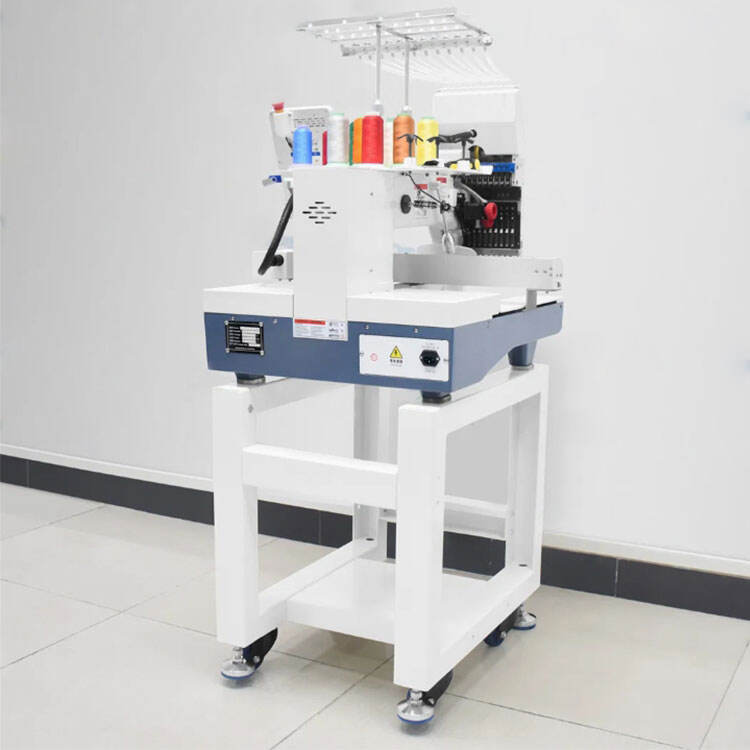
The textile industry has witnessed a remarkable surge in demand for specialized equipment, particularly hat embroidery machines that deliver precision and efficiency. Professional embroiderers and business owners increasingly recognize the value of investing in high-quality hat embroidery machines that can handle diverse cap styles and complex designs. These sophisticated machines have revolutionized the way businesses approach custom headwear production, offering unparalleled versatility and professional results that meet the exacting standards of modern consumers.
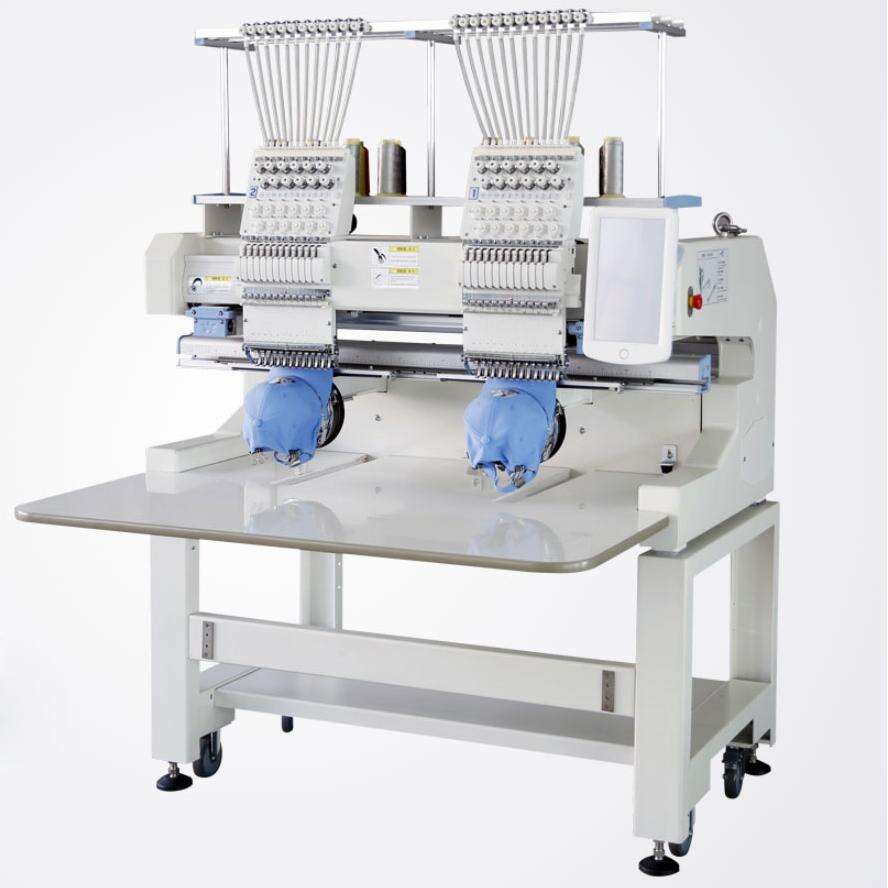
Advanced Technology in Modern Hat Embroidery Equipment
Precision Engineering and Design Innovation
Modern hat embroidery machines incorporate cutting-edge technology that ensures precise needle placement and consistent stitch quality across various cap materials. The engineering behind these machines focuses on maintaining optimal tension control and thread management systems that prevent common embroidery issues such as thread breaks and puckering. Advanced servo motors and computerized control systems enable operators to achieve intricate designs with minimal manual intervention, significantly reducing production time while maintaining exceptional quality standards.
The integration of digital interfaces and user-friendly software platforms has transformed how operators interact with hat embroidery machines. Contemporary models feature touchscreen displays that provide real-time monitoring of embroidery progress, thread consumption, and machine performance metrics. These technological advancements allow businesses to optimize their production workflows and identify potential maintenance needs before they impact operational efficiency.
Multi-Head Configuration Benefits
Professional-grade hat embroidery machines often feature multiple embroidery heads that enable simultaneous production of several caps, dramatically increasing throughput capacity. Double-head and multi-head configurations allow businesses to fulfill large orders efficiently while maintaining consistent quality across all produced items. The synchronized operation of multiple heads ensures uniform stitch density and design alignment, critical factors in professional embroidery applications.
The scalability offered by multi-head hat embroidery machines makes them particularly attractive for growing businesses that need to expand production capacity without compromising quality. Each embroidery head operates independently while sharing centralized control systems, allowing operators to run different designs simultaneously or produce multiple copies of the same design with remarkable efficiency.
Market Applications and Industry Demand
Commercial Embroidery Services
Commercial embroidery businesses rely heavily on reliable hat embroidery machines to meet diverse client requirements ranging from corporate branding to sports team merchandise. The ability to embroider on various cap styles, including fitted caps, snapbacks, and beanies, makes these machines indispensable tools for full-service embroidery operations. Professional service providers must maintain equipment that can handle high-volume production while delivering consistent results that meet client expectations.
The growing trend toward personalized merchandise has created substantial opportunities for businesses equipped with capable hat embroidery machines. Custom caps serve as popular promotional items, team uniforms, and fashion accessories, driving steady demand for embroidery services. Businesses that invest in quality equipment can capitalize on this market trend by offering superior customization services that differentiate them from competitors using inferior machinery.
Sports and Promotional Markets
Athletic organizations and promotional product companies represent significant market segments for hat embroidery services, requiring machines capable of producing high-quality team logos and sponsor branding. The durability requirements for sports merchandise demand embroidery techniques that can withstand frequent washing and extended wear, making machine quality a critical factor in meeting these specifications.
Corporate promotional campaigns increasingly utilize custom embroidered caps as cost-effective marketing tools that provide long-term brand exposure. Companies seeking promotional merchandise require reliable production partners equipped with professional hat embroidery machines that can deliver consistent branding quality across large order quantities. This market segment values both production efficiency and embroidery precision, making advanced equipment essential for capturing and retaining these lucrative accounts.
Key Features and Specifications
Embroidery Area and Hoop Systems
The embroidery area dimensions significantly impact the design possibilities and cap compatibility of hat embroidery machines. Professional models typically offer embroidery areas ranging from 100mm to 150mm in diameter, accommodating most standard cap designs while providing flexibility for creative applications. Specialized hoop systems designed specifically for cap embroidery ensure proper fabric tension and prevent distortion during the stitching process.
Advanced hoop mechanisms incorporate quick-change features that reduce setup time between different cap styles and sizes. The ability to switch between various hoop configurations without extensive machine adjustments enables operators to handle diverse production requirements efficiently. Some hat embroidery machines feature magnetic or pneumatic hoop systems that further streamline the setup process and minimize handling-related delays.
Speed and Production Capabilities
Production speed represents a crucial specification for businesses evaluating hat embroidery machines, with modern models capable of operating at speeds ranging from 800 to 1200 stitches per minute. Higher operating speeds must be balanced against stitch quality and thread management capabilities to ensure optimal results. Variable speed controls allow operators to adjust machine performance based on design complexity and material requirements.
The relationship between machine speed and production efficiency extends beyond pure stitching velocity to include factors such as automatic thread trimming, color change capabilities, and design positioning accuracy. Advanced hat embroidery machines incorporate intelligent speed modulation that automatically adjusts operating parameters based on design characteristics, optimizing production time while maintaining consistent quality standards throughout extended production runs.
Selection Criteria and Investment Considerations
Budget and Return on Investment Analysis
Investing in quality hat embroidery machines requires careful financial analysis that considers both initial purchase costs and long-term operational expenses. Professional-grade equipment typically commands higher upfront investments but delivers superior reliability, reduced maintenance costs, and enhanced production capabilities that justify the additional expenditure. Businesses must evaluate their production volume projections and revenue potential to determine appropriate equipment specifications and budget allocations.
The total cost of ownership for hat embroidery machines includes factors such as maintenance requirements, consumable supplies, and potential downtime costs. Quality machines from reputable manufacturers often provide better long-term value through reduced service needs, longer operational lifespans, and higher resale values. These considerations become particularly important for businesses planning to scale their operations or upgrade equipment as market demands evolve.
Technical Support and Training Requirements
Comprehensive technical support and training programs significantly impact the successful integration of new hat embroidery machines into existing operations. Manufacturers that provide extensive training resources, including on-site instruction and ongoing technical assistance, help businesses maximize their equipment investments and minimize learning curves. The complexity of modern embroidery technology makes proper training essential for achieving optimal production results and equipment longevity.
Ongoing support services such as remote diagnostics, software updates, and readily available replacement parts contribute to operational reliability and minimize production disruptions. Businesses should prioritize suppliers that demonstrate strong commitment to customer support and maintain comprehensive service networks. The availability of local service technicians and rapid parts delivery can significantly impact overall equipment effectiveness and business continuity.
Maintenance and Operational Excellence
Preventive Maintenance Protocols
Establishing comprehensive maintenance routines is essential for maximizing the performance and lifespan of hat embroidery machines. Regular cleaning procedures, lubrication schedules, and component inspections help prevent mechanical issues and ensure consistent embroidery quality. Operators should follow manufacturer guidelines for daily, weekly, and monthly maintenance tasks that address critical machine components and operating systems.
Advanced hat embroidery machines often incorporate diagnostic systems that monitor component wear and alert operators to potential maintenance needs. These proactive monitoring capabilities enable businesses to schedule maintenance activities during planned downtime rather than responding to unexpected equipment failures. Proper maintenance protocols not only extend equipment life but also maintain the precision and reliability essential for professional embroidery applications.
Quality Control and Production Standards
Implementing rigorous quality control procedures ensures that hat embroidery machines consistently produce results that meet professional standards and customer expectations. Regular calibration checks, tension adjustments, and test embroidery samples help identify potential issues before they affect production quality. Documentation of quality metrics and production parameters provides valuable data for optimizing machine performance and identifying improvement opportunities.
The integration of quality monitoring systems with production workflows enables real-time assessment of embroidery results and immediate correction of any deviations from established standards. Professional operators develop systematic approaches to quality verification that encompass thread selection, design positioning, and finished product inspection. These comprehensive quality assurance practices distinguish professional embroidery services and justify premium pricing structures in competitive markets.
FAQ
What factors determine the best hat embroidery machine for a specific business
The optimal choice depends on production volume requirements, available workspace, budget constraints, and the types of caps you plan to embroider. Consider factors such as embroidery area size, number of heads, maximum speed, and compatible cap styles. Evaluate your current and projected business needs to select equipment that provides room for growth while meeting immediate operational requirements.
How do multi-head configurations impact production efficiency
Multi-head hat embroidery machines significantly increase production capacity by allowing simultaneous embroidery of multiple caps. A double-head configuration can potentially double your output compared to single-head machines, while maintaining consistent quality across all produced items. This increased efficiency helps businesses fulfill larger orders more quickly and improve overall profitability.
What maintenance requirements should be expected for professional hat embroidery machines
Regular maintenance includes daily cleaning, weekly lubrication of moving parts, and periodic calibration checks. Most professional machines require monthly comprehensive inspections and annual professional servicing. Proper maintenance protocols typically involve 15-30 minutes of daily attention and several hours of monthly preventive care to ensure optimal performance and longevity.
How important is software compatibility when selecting hat embroidery machines
Software compatibility is crucial for design flexibility and workflow integration. Modern hat embroidery machines should support standard embroidery file formats and offer user-friendly design editing capabilities. Consider machines that include comprehensive software packages or are compatible with popular design programs to maximize creative possibilities and streamline production processes.
Table of Contents
- Advanced Technology in Modern Hat Embroidery Equipment
- Market Applications and Industry Demand
- Key Features and Specifications
- Selection Criteria and Investment Considerations
- Maintenance and Operational Excellence
-
FAQ
- What factors determine the best hat embroidery machine for a specific business
- How do multi-head configurations impact production efficiency
- What maintenance requirements should be expected for professional hat embroidery machines
- How important is software compatibility when selecting hat embroidery machines