

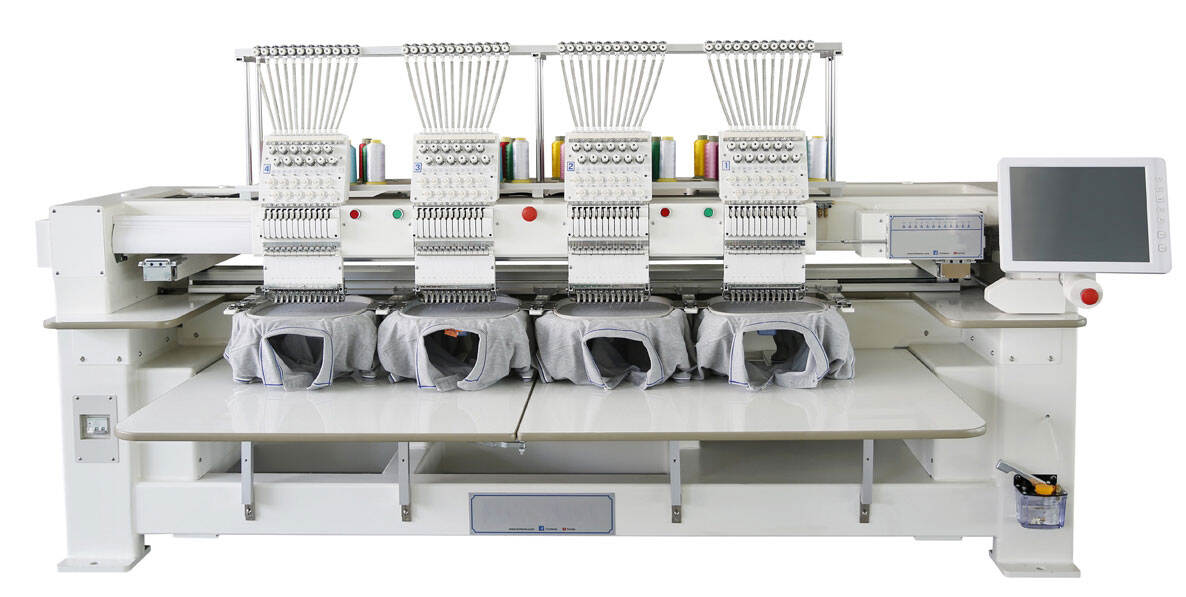
Hat embroidery machines have revolutionized the custom apparel industry, transforming how businesses create professional-quality embroidered caps and headwear. These specialized devices represent a significant investment for manufacturers seeking to expand their product offerings and meet growing market demand. Understanding the features, capabilities, and applications of hat embroidery machines is essential for business owners considering this technology upgrade.
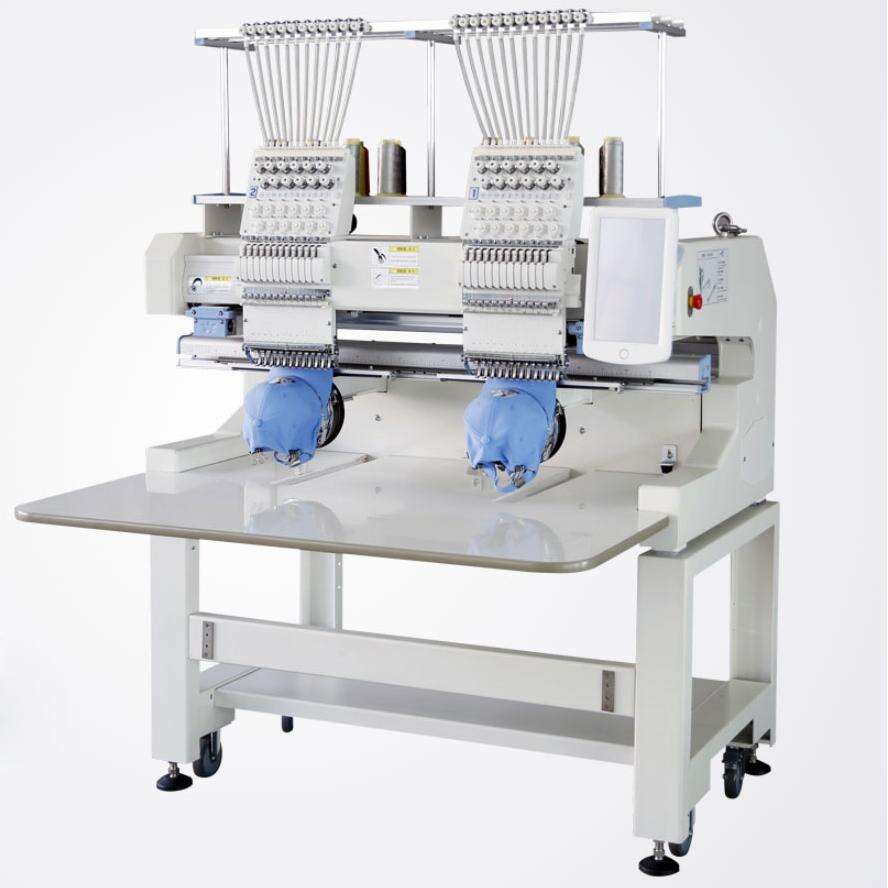
The embroidery industry has witnessed tremendous growth in recent years, with custom headwear emerging as one of the most lucrative segments. Professional hat embroidery machines offer manufacturers the precision and efficiency needed to produce high-quality branded caps for corporate clients, sports teams, promotional campaigns, and retail markets. These machines combine advanced technology with user-friendly interfaces to deliver consistent results across various fabric types and design complexities.
Modern hat embroidery machines incorporate sophisticated software systems that enable operators to create intricate designs with remarkable accuracy. The integration of computer-controlled mechanisms ensures consistent stitch quality, proper thread tension, and optimal positioning throughout the embroidery process. This technological advancement has made professional-grade embroidery accessible to businesses of all sizes, from small custom shops to large-scale manufacturing facilities.
Advanced Technology Features in Modern Hat Embroidery Systems
Multi-Head Configuration Benefits
Contemporary hat embroidery machines often feature multi-head configurations that significantly enhance production capacity and operational efficiency. These systems allow operators to embroider multiple caps simultaneously, reducing per-unit production time and increasing overall throughput. Double-head and multi-head setups are particularly valuable for businesses handling large orders or maintaining diverse product lines.
The synchronization between multiple embroidery heads ensures consistent quality across all pieces in a production run. Advanced control systems monitor each head independently while maintaining perfect coordination, preventing variations in stitch density, thread tension, or design placement. This capability is crucial for maintaining brand consistency and meeting strict quality standards demanded by commercial clients.
Precision Control Systems
High-end hat embroidery machines incorporate precision control systems that manage every aspect of the embroidery process with exceptional accuracy. These systems utilize servo motors, encoder feedback mechanisms, and advanced sensors to maintain exact positioning and consistent movement throughout the production cycle. The result is superior stitch quality that meets professional standards for commercial applications.
Thread tension control represents another critical feature in modern hat embroidery machines, automatically adjusting tension levels based on fabric type, thread weight, and design requirements. This automation reduces operator intervention while ensuring optimal stitch formation across diverse materials and design complexities. Such precision control significantly reduces waste and rework, improving overall production efficiency.
Production Capacity and Efficiency Considerations
Speed and Throughput Optimization
Production speed remains a fundamental consideration when evaluating hat embroidery machines for commercial applications. High-speed systems can achieve stitch rates exceeding 1,000 stitches per minute while maintaining consistent quality standards. These machines balance speed with precision, ensuring that increased throughput does not compromise embroidery quality or dimensional accuracy.
Automatic thread cutting and trimming functions contribute significantly to production efficiency in modern hat embroidery machines. These features eliminate manual intervention between design elements, reducing cycle times and minimizing operator fatigue. Combined with automatic color changes and thread break detection, these automation features enable continuous operation with minimal supervision.
Versatility and Adaptability
Leading hat embroidery machines offer remarkable versatility in handling various cap styles, sizes, and materials. Adjustable hooping systems accommodate different crown heights, bill configurations, and fabric thicknesses without requiring extensive setup changes. This adaptability is essential for businesses serving diverse markets or maintaining varied product catalogs.
Material compatibility extends beyond traditional cotton and polyester caps to include specialty fabrics like leather, canvas, and technical materials. Advanced needle systems and thread routing mechanisms ensure proper penetration and stitch formation across these diverse substrates. This capability enables manufacturers to explore new market segments and respond to evolving customer preferences.
Software Integration and Design Capabilities
Embroidery Software Features
Sophisticated embroidery software packages accompany modern hat embroidery machines, providing comprehensive design creation and editing capabilities. These programs offer digitizing tools, lettering functions, and design libraries that enable operators to create custom embroidery patterns efficiently. Integration with popular design software ensures seamless workflow from concept to finished product.
Automatic digitizing features in advanced software packages can convert vector graphics and bitmap images into embroidery-ready formats with minimal manual intervention. These tools analyze design complexity, optimize stitch paths, and generate machine code that maximizes embroidery quality while minimizing production time. Such automation capabilities are particularly valuable for businesses handling frequent design changes or custom orders.
Network Connectivity and Data Management
Modern hat embroidery machines often include network connectivity features that enable remote monitoring, design transfer, and production tracking capabilities. These systems allow operators to manage multiple machines from centralized workstations, improving coordination and reducing setup times. Cloud-based design libraries provide access to extensive pattern collections and enable seamless collaboration between design teams and production facilities.
Production data logging and analysis tools help manufacturers optimize their embroidery operations by tracking machine utilization, identifying bottlenecks, and monitoring quality metrics. This information enables data-driven decision making regarding maintenance schedules, operator training needs, and capacity planning strategies.
Maintenance and Operational Considerations
Routine Maintenance Requirements
Proper maintenance is essential for maximizing the lifespan and performance of hat embroidery machines. Regular cleaning procedures prevent thread buildup and lint accumulation that can affect stitch quality and machine reliability. Lubrication schedules ensure smooth operation of mechanical components, while calibration procedures maintain positioning accuracy and consistent performance.
Preventive maintenance programs should include regular inspection of critical components such as needles, hooks, tensioners, and drive systems. Early detection of wear patterns and component degradation prevents costly breakdowns and maintains production schedules. Many manufacturers provide detailed maintenance protocols and training programs to support optimal machine performance.
Operator Training and Skill Development
Successful implementation of hat embroidery machines requires comprehensive operator training programs that cover machine operation, design software usage, and quality control procedures. Skilled operators can maximize machine capabilities while minimizing waste and rework. Training programs should address both technical aspects and troubleshooting procedures to ensure consistent production quality.
Ongoing skill development opportunities help operators stay current with evolving technology and industry best practices. Advanced training modules covering specialized techniques, new materials, and software updates ensure that production teams can adapt to changing market demands and maintain competitive advantages.
Market Applications and Industry Trends
Commercial Applications
Hat embroidery machines serve diverse commercial markets including corporate apparel, promotional products, sports merchandise, and fashion accessories. Each application presents unique requirements regarding design complexity, production volumes, and quality standards. Understanding these market segments helps manufacturers select appropriate equipment configurations and develop targeted service offerings.
The promotional products industry represents a significant market for hat embroidery machines, with businesses requiring quick turnaround times and competitive pricing. Custom embroidered caps serve as effective marketing tools for trade shows, corporate events, and brand awareness campaigns. This market segment typically emphasizes production efficiency and cost-effectiveness over complex design capabilities.
Emerging Technology Trends
Industry trends in hat embroidery machines include increased automation, improved software integration, and enhanced connectivity features. Internet of Things integration enables remote monitoring and predictive maintenance capabilities, while artificial intelligence applications optimize production parameters and quality control processes. These technological advances continue to improve efficiency and reduce operational costs.
Sustainability considerations are increasingly important in the embroidery industry, driving development of energy-efficient machines and environmentally responsible production processes. Manufacturers are incorporating features that reduce thread waste, optimize energy consumption, and support sustainable material usage. These developments align with growing customer demand for environmentally conscious production practices.
Investment Considerations and ROI Analysis
Cost-Benefit Evaluation
Investing in hat embroidery machines requires careful analysis of initial costs, operational expenses, and revenue potential. High-quality machines represent significant capital investments but offer superior reliability, performance, and longevity compared to entry-level alternatives. Total cost of ownership calculations should include maintenance costs, training expenses, and productivity factors.
Return on investment calculations for hat embroidery machines depend on factors such as production volume, pricing strategies, and market positioning. Businesses serving high-volume markets or premium segments typically achieve faster payback periods due to increased throughput or higher margins. Detailed financial modeling helps determine optimal equipment configurations for specific business scenarios.
Financing and Support Options
Various financing options are available for businesses acquiring hat embroidery machines, including equipment leasing, installment payments, and manufacturer financing programs. These options help distribute costs over time while preserving working capital for other business needs. Lease agreements often include maintenance packages and upgrade provisions that provide additional value.
Comprehensive support packages from equipment manufacturers typically include installation services, operator training, technical support, and parts availability guarantees. These support services are crucial for maintaining production schedules and maximizing equipment utilization. Evaluation of support capabilities should be an integral part of the equipment selection process.
FAQ
What factors should I consider when choosing hat embroidery machines for my business
When selecting hat embroidery machines, consider production volume requirements, design complexity needs, available floor space, and budget constraints. Evaluate features such as embroidery area size, number of heads, maximum stitch speed, and software capabilities. Additionally, assess the manufacturer's reputation, support services, and parts availability to ensure long-term operational success.
How do I maintain optimal performance in my hat embroidery machines
Maintaining optimal performance requires regular cleaning, lubrication, and calibration procedures according to manufacturer specifications. Implement preventive maintenance schedules, monitor thread quality, and replace consumable parts proactively. Train operators on proper machine setup, troubleshooting procedures, and quality control standards to minimize downtime and maintain consistent embroidery quality.
What production volumes can modern hat embroidery machines achieve
Production volumes for hat embroidery machines vary based on design complexity, machine configuration, and operational efficiency. Single-head machines typically produce 20-40 caps per hour for standard designs, while multi-head systems can achieve 80-160 caps per hour. Complex designs with multiple colors or dense stitch patterns may reduce throughput, while simple logos or text designs enable higher production rates.
How important is software compatibility when purchasing hat embroidery machines
Software compatibility is crucial for efficient workflow and design flexibility in hat embroidery operations. Ensure the machine supports standard embroidery file formats and integrates with your existing design software. Advanced features like automatic digitizing, design editing capabilities, and network connectivity can significantly improve productivity and enable seamless integration with existing business systems and processes.