

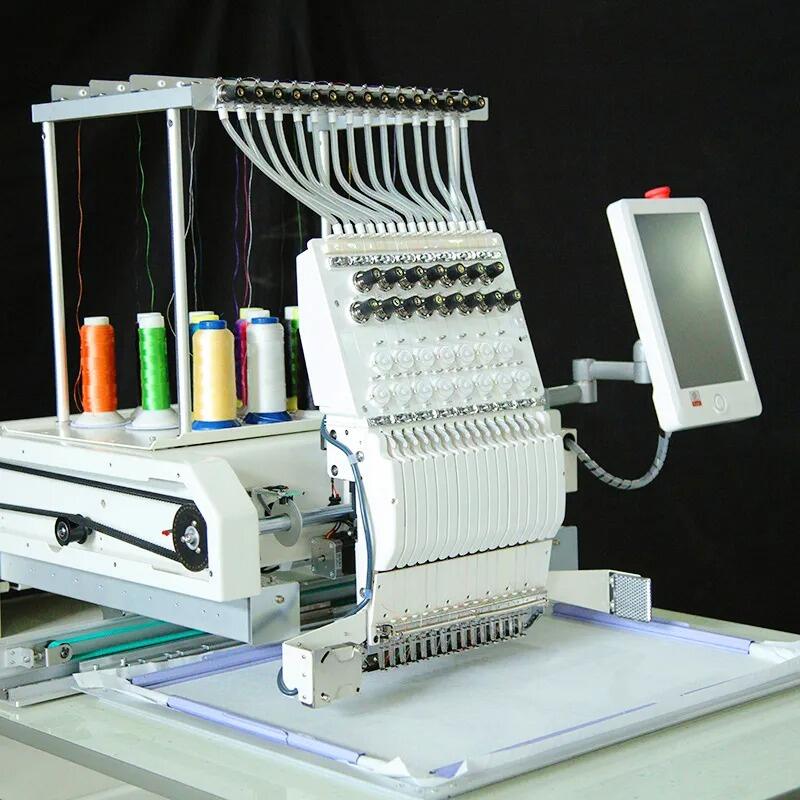
Quality assurance in manufacturing hat embroidery machines represents one of the most critical aspects of modern industrial textile production. Manufacturers worldwide recognize that delivering superior hat embroidery machines requires meticulous attention to precision engineering, advanced technological integration, and comprehensive quality control protocols. The textile industry demands equipment that can consistently produce flawless embroidered designs on various hat materials while maintaining operational efficiency and durability. Understanding how manufacturers ensure quality in these sophisticated machines provides valuable insights into the intersection of traditional craftsmanship and cutting-edge manufacturing technology.
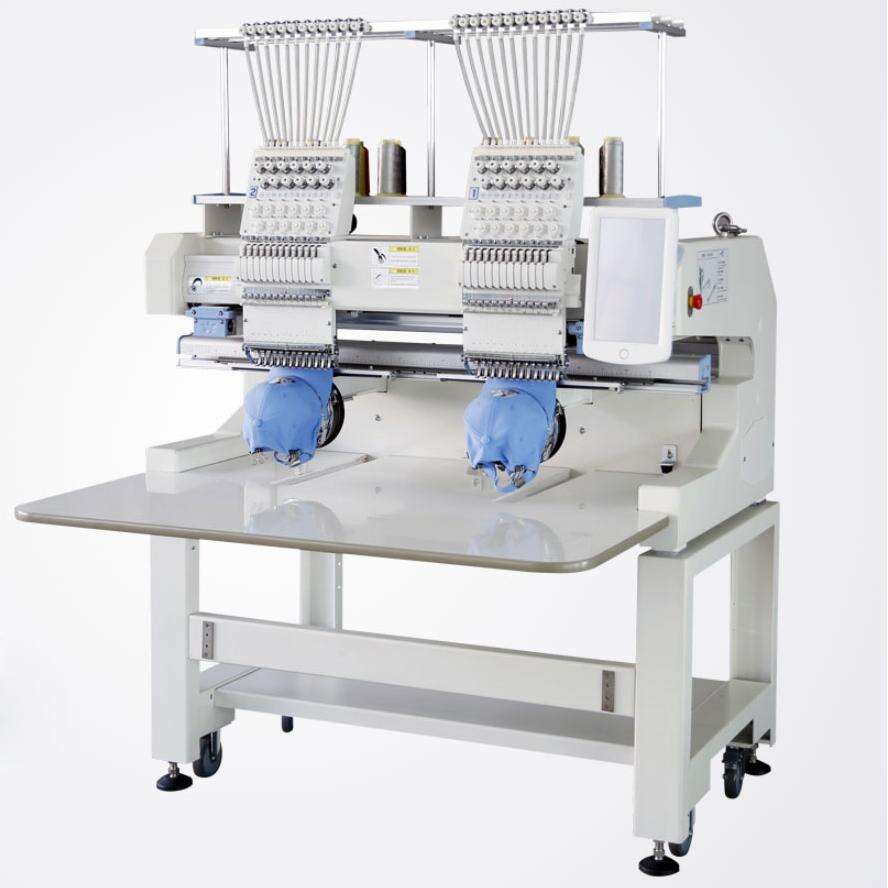
Engineering Standards and Design Principles
Precision Manufacturing Processes
Manufacturing high-quality hat embroidery machines begins with establishing rigorous engineering standards that govern every component from conception to final assembly. Leading manufacturers implement computer-aided design systems that simulate machine performance under various operational conditions, ensuring optimal functionality before physical production begins. These design principles incorporate advanced materials science, where manufacturers select premium-grade steel, aluminum alloys, and specialized polymers that can withstand continuous operation while maintaining dimensional stability. The precision manufacturing process involves CNC machining centers that achieve tolerances measured in micrometers, ensuring that critical components like needle bars, thread tension mechanisms, and positioning systems operate with exceptional accuracy.
Quality manufacturers also prioritize modular design architecture in their hat embroidery machines, allowing for easier maintenance, component replacement, and future upgrades. This approach requires sophisticated engineering coordination between mechanical systems, electronic controls, and software integration. Each module undergoes individual testing before assembly, and the interconnection protocols are designed with redundancy features that prevent single-point failures. The manufacturing process incorporates lean production principles that eliminate waste while maintaining strict quality checkpoints at every stage of assembly.
Advanced Material Selection
The foundation of reliable hat embroidery machines lies in the careful selection of materials that can endure the repetitive stress of high-speed embroidery operations. Manufacturers conduct extensive materials testing to identify optimal combinations of strength, weight, and thermal stability. Critical components such as machine frames utilize high-grade aluminum extrusions that provide excellent rigidity-to-weight ratios while resisting vibration-induced fatigue. Thread path components are manufactured from specialized stainless steel alloys that maintain smooth surfaces even after millions of operational cycles.
Surface treatments and protective coatings play equally important roles in ensuring long-term reliability of hat embroidery machines. Manufacturers apply advanced anodizing processes, ceramic coatings, and specialized lubricants that reduce friction and prevent corrosion. These material enhancements extend machine lifespan significantly while maintaining consistent performance characteristics throughout the equipment's operational life. The material selection process also considers thermal expansion coefficients to ensure that components maintain proper alignment across varying temperature conditions.
Quality Control Testing Protocols
Performance Validation Systems
Comprehensive testing protocols form the cornerstone of quality assurance for hat embroidery machines, with manufacturers implementing multi-stage validation processes that evaluate every aspect of machine performance. Initial testing begins with individual component verification, where each subsystem undergoes rigorous stress testing to confirm it meets or exceeds design specifications. Advanced manufacturers utilize automated testing equipment that can simulate years of operational wear in accelerated timeframes, identifying potential failure modes before machines reach customer facilities.
The performance validation process for hat embroidery machines includes precision testing of stitch formation, thread tension consistency, and positioning accuracy across different fabric types and thread materials. Manufacturers employ high-resolution vision systems and laser measurement devices to verify that embroidery patterns meet exact specifications within acceptable tolerances. These testing protocols also evaluate machine performance under various environmental conditions, including temperature fluctuations, humidity variations, and electrical interference scenarios that machines might encounter in real-world production environments.
Continuous Monitoring and Feedback
Modern quality assurance extends beyond initial manufacturing testing to encompass continuous monitoring systems that track machine performance throughout the production lifecycle. Sophisticated hat embroidery machines incorporate integrated sensors that monitor critical parameters such as motor temperatures, vibration levels, thread tension variations, and positioning accuracy in real-time. This data streams to centralized monitoring systems that can detect developing issues before they impact production quality or cause equipment failures.
Manufacturers establish comprehensive feedback loops with customers to continuously improve quality standards based on real-world performance data. This collaborative approach enables manufacturers to identify optimization opportunities and implement design improvements that enhance reliability and performance. Regular software updates and calibration procedures ensure that hat embroidery machines maintain peak performance throughout their operational lifespan, with remote diagnostic capabilities allowing manufacturers to provide proactive maintenance support.
Advanced Technology Integration
Computer-Controlled Precision Systems
The integration of advanced computer control systems represents a fundamental aspect of ensuring quality in modern hat embroidery machines. These sophisticated systems utilize high-resolution encoders, servo motors, and real-time processing capabilities to achieve positioning accuracies that were impossible with mechanical systems alone. Manufacturers invest significantly in developing proprietary control algorithms that optimize thread path management, minimize thread breaks, and ensure consistent stitch formation across varying production speeds and material types.
Quality manufacturers implement closed-loop feedback systems in their hat embroidery machines that continuously monitor and adjust operational parameters based on real-time conditions. These systems can automatically compensate for factors such as thread tension variations, fabric stretch characteristics, and environmental changes that might otherwise impact embroidery quality. The computer control integration also enables sophisticated pattern optimization algorithms that reduce production time while maintaining superior stitch quality and consistency.
Automated Quality Monitoring
Contemporary hat embroidery machines incorporate intelligent quality monitoring systems that can detect and correct defects during the production process without human intervention. These systems utilize machine vision technology, pattern recognition algorithms, and artificial intelligence to identify inconsistencies in stitch formation, thread placement, and overall pattern integrity. When quality issues are detected, the automated systems can pause production, make necessary adjustments, or alert operators to specific problems that require attention.
The automated monitoring capabilities extend to predictive maintenance functions that analyze machine performance trends to anticipate maintenance requirements before problems develop. This proactive approach significantly reduces unplanned downtime while ensuring that hat embroidery machines consistently operate at optimal performance levels. Manufacturers continuously refine these monitoring algorithms based on field data and customer feedback to enhance detection accuracy and reduce false alerts.
Manufacturing Process Optimization
Assembly Line Excellence
Achieving consistent quality in hat embroidery machines requires optimized assembly processes that eliminate variability and ensure reproducible results across all production units. Leading manufacturers implement standardized assembly procedures that specify exact torque values, component orientation requirements, and verification steps for every assembly operation. These procedures are supported by specialized tooling and fixtures that ensure proper component alignment and prevent assembly errors that could compromise machine performance.
The assembly process incorporates multiple quality checkpoints where trained technicians verify that each subsystem meets established performance criteria before proceeding to the next assembly stage. This systematic approach prevents defective components from advancing through the production process, reducing waste and ensuring that only fully compliant hat embroidery machines reach final inspection. Advanced manufacturers also implement statistical process control methods that track assembly quality metrics and identify trends that might indicate process improvements or training needs.
Supply Chain Quality Management
Quality assurance for hat embroidery machines extends throughout the entire supply chain, with manufacturers implementing comprehensive vendor qualification programs that ensure component suppliers meet rigorous quality standards. These programs include regular audits of supplier facilities, testing protocols for incoming materials, and performance tracking systems that monitor supplier quality metrics over time. Manufacturers maintain detailed specifications for every component used in hat embroidery machines, with acceptance criteria that must be met before materials are released for production use.
The supply chain quality management process also includes contingency planning for critical components, ensuring that alternative suppliers are qualified and ready to maintain production continuity without compromising quality standards. This approach provides manufacturers with flexibility to respond to supply chain disruptions while maintaining consistent quality levels in their hat embroidery machines. Regular supplier performance reviews and continuous improvement initiatives help drive quality enhancements throughout the supply network.
Customer Support and Service Excellence
Technical Training Programs
Ensuring quality in hat embroidery machines extends beyond manufacturing to encompass comprehensive customer support programs that enable users to achieve optimal performance from their equipment. Manufacturers develop extensive technical training programs that cover proper machine operation, maintenance procedures, troubleshooting techniques, and quality optimization strategies. These programs are delivered through multiple channels including on-site training, virtual learning platforms, and detailed documentation that supports ongoing operator development.
The training programs are specifically designed to address the unique characteristics of hat embroidery machines, including proper setup procedures for different cap styles, thread selection criteria, and optimization techniques for various embroidery designs. Manufacturers continuously update training materials based on field experience and technological developments to ensure that customers have access to the most current best practices for maximizing machine performance and quality output.
Ongoing Support Infrastructure
Quality manufacturers establish comprehensive support infrastructures that provide customers with immediate access to technical expertise when issues arise with their hat embroidery machines. This infrastructure includes dedicated technical support hotlines, remote diagnostic capabilities, and field service networks that can respond quickly to customer needs. The support systems are designed to minimize production disruptions while ensuring that quality standards are maintained throughout the machine's operational life.
The ongoing support infrastructure also includes proactive maintenance programs that help customers optimize the performance of their hat embroidery machines through regular inspections, calibrations, and component replacements. These programs are based on extensive field data and manufacturer expertise, providing customers with maintenance schedules and procedures that maximize equipment reliability while minimizing operational costs. Regular communication between manufacturers and customers ensures that support services evolve to meet changing industry needs and technological developments.
FAQ
What are the most critical quality factors in hat embroidery machines
The most critical quality factors include positioning accuracy, thread tension consistency, stitch formation precision, and mechanical durability. Manufacturers focus extensively on achieving positioning accuracies within micrometers while maintaining consistent thread tension across varying production speeds. Stitch formation quality depends on precise needle timing, proper thread path design, and optimal fabric handling mechanisms. Mechanical durability requires high-grade materials, precision manufacturing processes, and comprehensive testing protocols that simulate extended operational use.
How do manufacturers test hat embroidery machines before delivery
Manufacturers implement multi-stage testing protocols that begin with component-level validation and progress through system integration testing, performance verification, and final quality inspections. Each machine undergoes extensive operational testing using various thread types, fabric materials, and embroidery patterns to verify consistent performance across different production scenarios. Testing includes accelerated wear simulations, environmental stress testing, and precision measurement verification using advanced metrology equipment to ensure all specifications are met.
What role does software play in ensuring embroidery quality
Software systems in hat embroidery machines provide real-time control of critical parameters including motor positioning, thread tension adjustment, and pattern execution timing. Advanced algorithms optimize thread path management, minimize thread consumption, and automatically adjust for fabric characteristics during production. Quality monitoring software continuously analyzes stitch formation data to detect inconsistencies and implement corrections without interrupting production flow, ensuring consistent output quality throughout extended production runs.
How often should hat embroidery machines undergo maintenance for optimal quality
Maintenance frequency depends on production volume and operating conditions, but manufacturers typically recommend daily lubrication checks, weekly cleaning procedures, and monthly precision calibrations for high-volume operations. Comprehensive maintenance should be performed every 500-1000 operating hours, including component inspections, alignment verifications, and software updates. Proactive maintenance programs based on manufacturer recommendations help maintain consistent quality output while preventing unexpected downtime that could impact production schedules.