

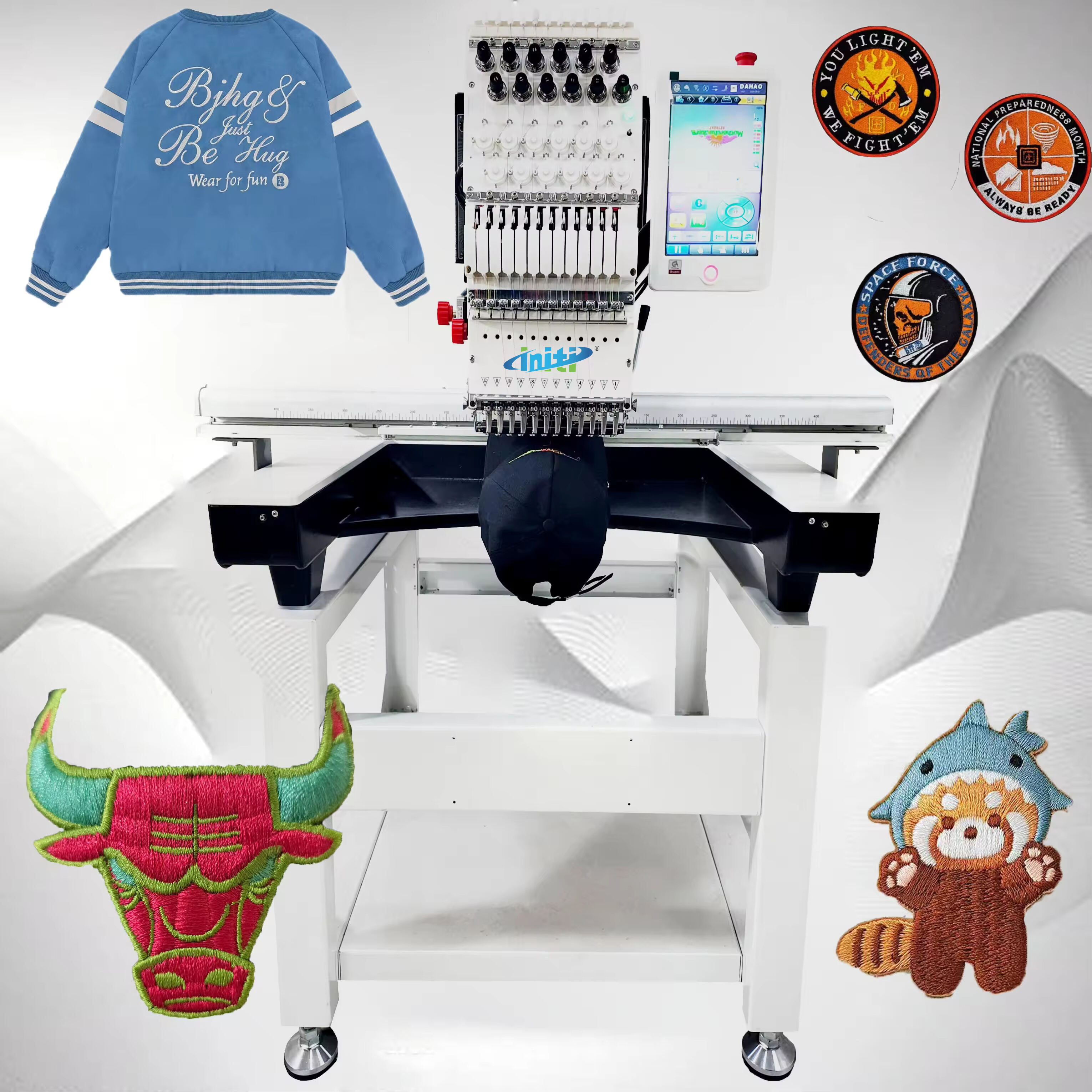
Manufacturing businesses today face increasing pressure to deliver high-quality products while maintaining competitive pricing structures. The textile and garment industry particularly benefits from investing in efficient production equipment that maximizes output without compromising on quality standards. A low-cost embroidery machine represents an ideal solution for businesses seeking to enhance their production capabilities while managing operational expenses effectively. These machines combine advanced technology with affordable pricing, making professional embroidery accessible to small businesses, startups, and established companies looking to expand their service offerings.
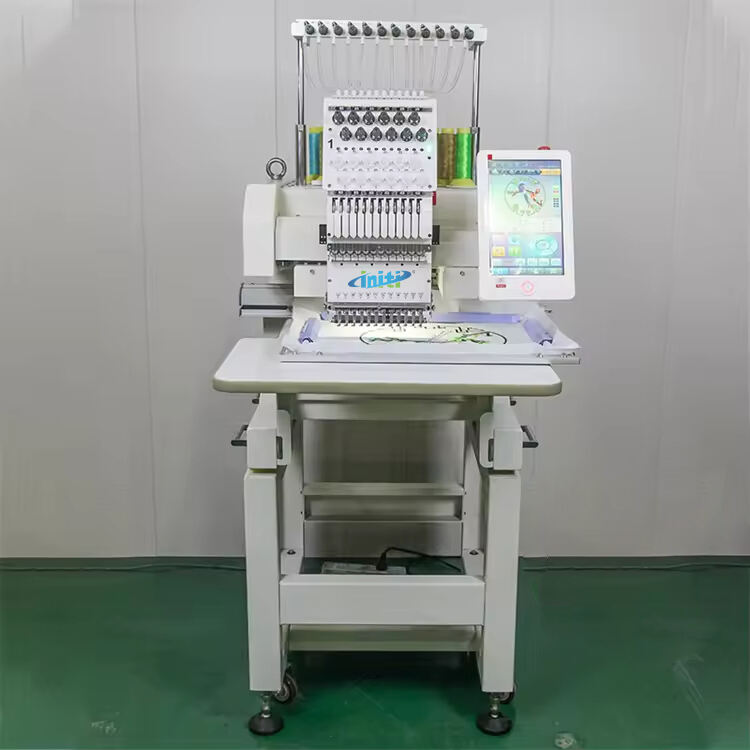
Essential Performance Features in Budget-Friendly Embroidery Equipment
High-Speed Operation Capabilities
Modern budget embroidery machines deliver impressive speed ratings that rival their expensive counterparts. The best low-cost embroidery machine models operate at speeds ranging from 800 to 1200 stitches per minute, ensuring efficient production cycles for commercial applications. These machines incorporate precision-engineered drive systems that maintain consistent stitch quality even at maximum operating speeds. Advanced servo motors provide smooth acceleration and deceleration, reducing thread breaks and minimizing downtime during production runs.
Speed consistency becomes crucial when handling complex designs with varying stitch densities. Quality budget machines feature intelligent speed control systems that automatically adjust operating speeds based on design complexity and fabric characteristics. This adaptive technology ensures optimal stitch formation while maximizing production throughput throughout extended operating periods.
Multi-Format Design Compatibility
Contemporary low-cost embroidery machine systems support extensive file format compatibility, accepting industry-standard formats including DST, PES, JEF, and EMB files. This versatility allows operators to utilize designs created in various digitizing software platforms without requiring expensive format conversion tools. USB connectivity and memory card readers facilitate seamless design transfer from computers and external storage devices.
Built-in design editing capabilities enable basic modifications such as scaling, rotation, and color changes directly on the machine interface. These features eliminate the need for separate design software purchases, reducing overall system costs while maintaining professional-level functionality for small to medium-scale production requirements.
Advanced Control Systems and User Interface Design
Intuitive Touchscreen Operation
Modern budget embroidery machines feature color LCD touchscreen displays that simplify operation for users with varying technical expertise levels. These interfaces provide clear visual feedback regarding design positioning, thread color sequences, and machine status information. Menu navigation follows logical workflows that reduce operator training time and minimize production errors during daily operations.
Smart positioning systems display real-time needle coordinates and design boundaries, enabling precise placement on garments and fabric materials. Zoom functionality allows detailed design preview before production begins, preventing costly mistakes and material waste. The user-friendly interface design ensures that even entry-level operators can achieve professional results with minimal supervision.
Automated Threading and Tension Control
Efficient low-cost embroidery machine models incorporate semi-automatic threading systems that streamline setup procedures and reduce manual labor requirements. These systems guide thread through the machine path using clear visual indicators and mechanical assists, minimizing threading errors that can cause production delays. Magnetic thread guides and numbered threading paths ensure consistent setup procedures across different operators.
Automatic tension adjustment systems monitor thread behavior and adjust tension settings based on fabric type and stitch requirements. This intelligent feature prevents thread breaks while maintaining consistent stitch quality across diverse material types. Pre-programmed tension settings for common fabric categories eliminate guesswork and reduce operator skill requirements for optimal results.
Construction Quality and Durability Standards
Robust Frame Engineering
Quality budget machines utilize heavy-duty steel frame construction that provides stable operation during high-speed embroidery production. Reinforced mounting points and precision-machined components ensure long-term dimensional stability even under continuous operation conditions. Vibration dampening systems minimize noise levels and improve stitch quality by reducing mechanical disturbances during production cycles.
The structural design incorporates accessibility features that facilitate routine maintenance and component replacement procedures. Removable covers and strategically positioned service points enable operators to perform basic maintenance tasks without requiring specialized technical support, reducing operational costs and minimizing production downtime.
Reliable Drive System Components
Economical embroidery machines feature precision servo motors and timing belt systems that deliver consistent performance over extended operating periods. These components undergo rigorous testing procedures to ensure reliability under commercial production conditions. Sealed bearing assemblies and lubrication-free operation reduce maintenance requirements while extending component service life.
Electronic control systems utilize industrial-grade components that withstand electrical fluctuations and environmental variations common in production environments. Protective circuits prevent damage from power surges and voltage irregularities, ensuring consistent operation and protecting the investment in a low-cost embroidery machine system.
Production Efficiency Optimization Features
Smart Thread Management Systems
Advanced thread monitoring technology tracks thread consumption and provides early warning alerts when thread supplies reach predetermined minimum levels. This predictive system prevents production interruptions caused by unexpected thread depletion during complex design execution. Multiple thread spool holders accommodate various thread types and colors simultaneously, enabling continuous production of multi-color designs.
Thread tension monitoring systems automatically detect irregularities and alert operators to potential issues before thread breaks occur. This proactive approach minimizes production waste and maintains consistent output quality throughout extended production runs. Color sequence optimization algorithms arrange thread changes to minimize setup time between design segments.
Memory and Storage Capabilities
Contemporary low-cost embroidery machine systems include substantial internal memory capacity for storing frequently used designs and custom configurations. This local storage eliminates repeated design transfers and reduces setup time for recurring production orders. Quick-access design libraries enable operators to locate and load specific designs efficiently during busy production periods.
Backup and restore functions protect valuable design collections and machine settings from accidental loss or corruption. USB export capabilities allow operators to create portable design libraries and share configurations between multiple machine installations, improving consistency across production facilities.
Cost-Effective Maintenance and Support
Preventive Maintenance Protocols
Well-designed budget embroidery machines incorporate maintenance reminder systems that track operating hours and alert operators when routine service procedures become due. These automated systems prevent premature component wear and extend overall machine service life through proper maintenance timing. Clear maintenance instructions and video tutorials reduce dependence on external service providers.
Easily accessible lubrication points and replaceable wear components enable operators to perform routine maintenance tasks using standard tools and supplies. This self-service capability reduces operational costs and minimizes production downtime associated with external service calls. Diagnostic systems provide detailed error codes and troubleshooting guidance for common operational issues.
Parts Availability and Technical Support
Reputable manufacturers of affordable embroidery equipment maintain comprehensive parts inventories and provide responsive technical support services. Online parts catalogs and ordering systems expedite replacement component acquisition and reduce machine downtime. Technical support teams offer remote diagnostics capabilities that resolve many operational issues without requiring on-site service visits.
Training resources including operation manuals, video tutorials, and online forums provide ongoing education opportunities for operators and maintenance personnel. This comprehensive support infrastructure ensures that businesses can maximize their return on investment in low-cost embroidery machine technology through efficient operation and proper maintenance practices.
FAQ
What production speeds can be expected from budget embroidery machines
Quality low-cost embroidery machine systems typically operate at speeds between 800-1200 stitches per minute, depending on design complexity and fabric characteristics. These speeds compare favorably with expensive commercial machines while maintaining consistent stitch quality and minimizing thread breaks during production runs.
How do affordable machines compare in terms of design compatibility
Modern budget embroidery machines support all major industry file formats including DST, PES, JEF, and EMB formats. This comprehensive compatibility ensures that businesses can utilize existing design libraries and work with various digitizing software platforms without requiring expensive format conversion tools or software upgrades.
What maintenance requirements should be expected for budget embroidery equipment
Well-engineered affordable embroidery machines require routine maintenance similar to premium models, including regular cleaning, lubrication, and tension adjustments. Most maintenance tasks can be performed by operators using standard tools and supplies, reducing operational costs compared to machines requiring specialized service procedures.
Are low-cost embroidery machines suitable for commercial production environments
Quality budget embroidery machines utilize commercial-grade components and construction techniques that enable reliable operation in professional production environments. Proper selection of machines with appropriate speed ratings, durability features, and support services ensures satisfactory performance for small to medium-scale commercial embroidery operations.
Table of Contents
- Essential Performance Features in Budget-Friendly Embroidery Equipment
- Advanced Control Systems and User Interface Design
- Construction Quality and Durability Standards
- Production Efficiency Optimization Features
- Cost-Effective Maintenance and Support
-
FAQ
- What production speeds can be expected from budget embroidery machines
- How do affordable machines compare in terms of design compatibility
- What maintenance requirements should be expected for budget embroidery equipment
- Are low-cost embroidery machines suitable for commercial production environments