

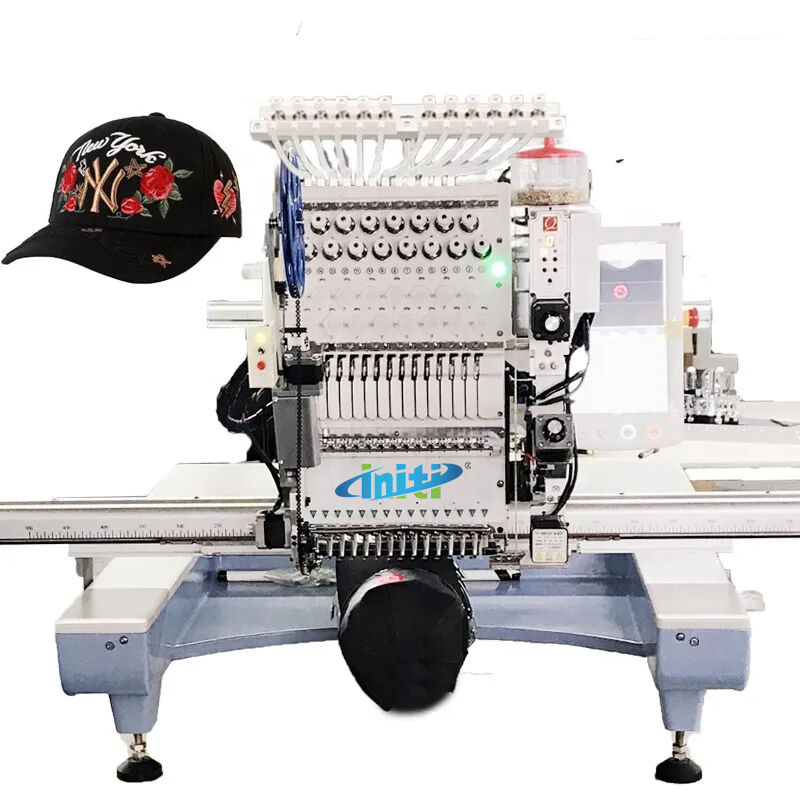
Finding reliable and affordable cap embroidery equipment represents one of the most critical decisions for businesses entering or expanding their custom apparel operations. The embroidery industry has experienced tremendous growth in recent years, with demand for personalized caps and headwear reaching new heights across corporate branding, sports teams, and fashion markets. Whether you're starting a new embroidery business or looking to upgrade your existing machinery, understanding where to source quality cap embroidery equipment at competitive prices can significantly impact your profitability and operational efficiency.
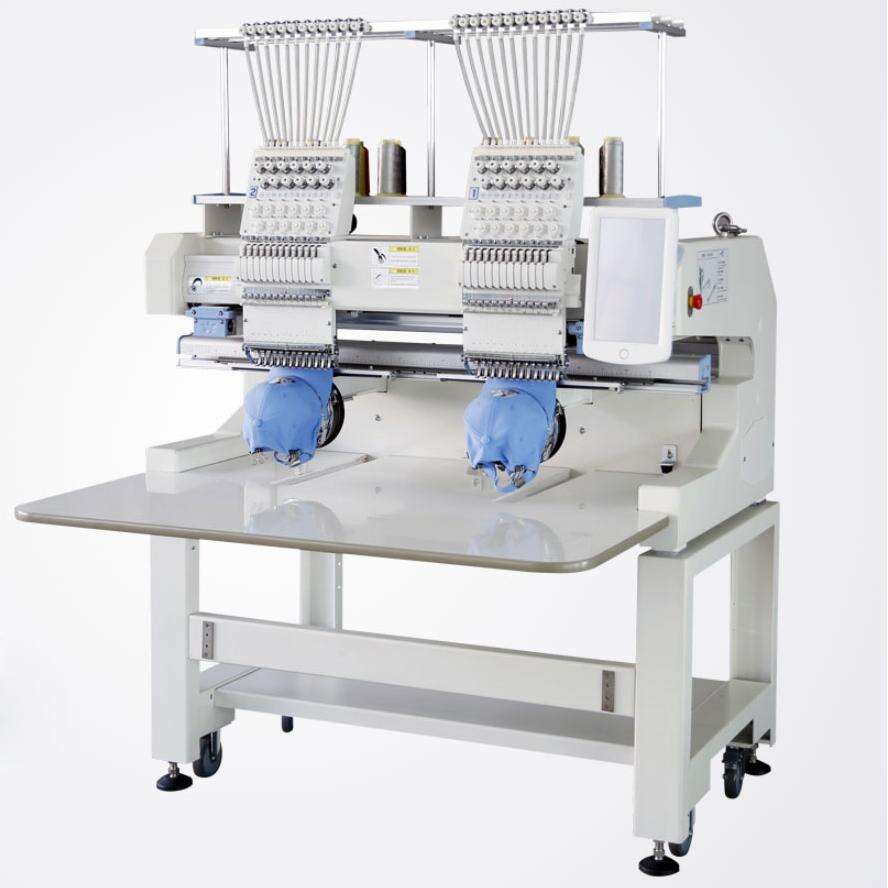
The market for specialized embroidery machinery continues to evolve, with manufacturers introducing advanced features like automatic trimming, color sequencing, and precision positioning systems specifically designed for curved surfaces. These technological improvements have made modern cap embroidery equipment more versatile and user-friendly than ever before. However, with increased sophistication comes the challenge of balancing features with budget constraints, making it essential to identify reliable sources that offer both quality machines and competitive pricing structures.
Understanding Different Types of Cap Embroidery Equipment
Single Head vs Multi-Head Systems
When evaluating cap embroidery equipment options, understanding the fundamental differences between single head and multi-head systems forms the foundation of making informed purchasing decisions. Single head machines excel in small-volume production runs and offer excellent precision for detailed work on individual caps. These units typically require less initial investment and consume less floor space, making them ideal for startup operations or businesses focusing on custom one-off orders.
Multi-head cap embroidery equipment delivers superior productivity for high-volume operations, with some systems accommodating six to fifteen heads simultaneously. This configuration allows operators to complete multiple identical designs or work on different projects concurrently. The increased throughput potential of multi-head systems justifies their higher initial cost for businesses expecting consistent order volumes exceeding several dozen pieces per day.
Specialized Features for Cap Construction
Modern cap embroidery equipment incorporates specialized features designed specifically for the unique challenges of working with curved surfaces and varying cap constructions. Tubular frame systems accommodate the three-dimensional nature of caps, while adjustable height mechanisms ensure proper needle positioning across different cap styles from low-profile to high-crown designs. Advanced tensioning systems prevent fabric distortion during stitching, maintaining consistent quality across various cap materials.
Automatic trimming capabilities represent another crucial feature in contemporary cap embroidery equipment, reducing manual intervention and improving stitch quality consistency. Some machines include color change systems that minimize thread waste and operator involvement, while programmable positioning allows for precise placement of logos and designs on specific cap areas such as front panels, sides, or back sections.
Evaluating Manufacturing Sources and Suppliers
Direct Manufacturer Relationships
Establishing relationships directly with cap embroidery equipment manufacturers often provides the most advantageous pricing structures and comprehensive support packages. Leading manufacturers typically offer volume discounts, extended warranty coverage, and priority access to technical support services. Direct purchasing eliminates intermediary markups while ensuring access to the latest model specifications and upgrade options as technology advances.
Many manufacturers provide demonstration programs allowing potential buyers to test cap embroidery equipment before committing to purchase agreements. These trial periods enable hands-on evaluation of machine performance, software compatibility, and operator ease-of-use factors that significantly impact long-term satisfaction and productivity levels.
Authorized Dealer Networks
Authorized dealers specializing in cap embroidery equipment bring valuable local market knowledge and personalized service advantages to equipment purchasing decisions. These partners understand regional business conditions, can provide immediate technical support, and often maintain inventory for faster delivery times. Established dealers frequently offer financing options, trade-in programs, and bundled packages combining machines with software, supplies, and training services.
The best authorized dealers maintain certified technicians capable of providing on-site installation, calibration, and ongoing maintenance services. This local support network proves invaluable when production schedules cannot accommodate extended machine downtime or when urgent technical assistance becomes necessary during peak operational periods.
Online Marketplace Strategies for Equipment Sourcing
Industrial Equipment Platforms
Professional industrial equipment marketplaces have emerged as viable channels for sourcing quality cap embroidery equipment at competitive prices. These platforms aggregate offerings from multiple suppliers, enabling buyers to compare specifications, pricing, and seller ratings within consolidated interfaces. Many industrial marketplaces implement verification systems ensuring seller legitimacy and providing buyer protection mechanisms for significant equipment purchases.
Successful navigation of online industrial platforms requires careful evaluation of seller credentials, machine condition documentation, and shipping logistics arrangements. Buyers should prioritize vendors offering detailed machine specifications, maintenance histories, and clear warranty terms. Additionally, platforms providing escrow services or buyer protection programs add security layers for substantial cap embroidery equipment investments.
Auction and Liquidation Opportunities
Equipment auctions and business liquidation events present opportunities to acquire quality cap embroidery equipment at significantly reduced prices. These venues often feature machines from established embroidery operations upgrading their facilities or businesses closing operations. While auction purchases typically involve higher risk factors, thorough pre-auction inspections and research can identify exceptional value opportunities.
Successful auction participation requires understanding machine history, estimating refurbishment costs, and factoring transportation logistics into total acquisition expenses. Many auction houses provide inspection periods before bidding begins, allowing potential buyers to assess cap embroidery equipment condition and verify operational status through hands-on testing procedures.
Trade Shows and Industry Events
Annual Embroidery Trade Exhibitions
Major embroidery industry trade shows provide unparalleled opportunities to examine the latest cap embroidery equipment innovations while negotiating directly with manufacturers and distributors. These events typically feature live demonstrations, allowing attendees to observe machine performance across various cap styles and design complexities. Trade show environments facilitate direct comparisons between competing systems and enable immediate pricing discussions with decision-makers.
Industry exhibitions often coincide with promotional campaigns offering show-specific discounts, extended payment terms, or enhanced warranty packages exclusively for attendees. Many exhibitors introduce new cap embroidery equipment models at these venues, providing early access to cutting-edge technology before general market availability.
Regional Dealer Open Houses
Local and regional dealer open house events create more intimate environments for evaluating cap embroidery equipment while building relationships with nearby support providers. These smaller-scale gatherings often feature extended demonstration periods, personalized consultations, and networking opportunities with other local embroidery business operators sharing practical insights and experiences.
Regional events frequently include educational components addressing topics such as machine maintenance, design software utilization, and business development strategies specifically relevant to cap embroidery operations. These learning opportunities add value beyond equipment purchasing, providing knowledge that enhances overall operational efficiency and profitability.
Financing and Lease Options
Equipment Financing Programs
Specialized equipment financing programs designed for cap embroidery equipment purchases enable businesses to acquire necessary machinery without depleting working capital reserves. These financing arrangements typically offer competitive interest rates, flexible payment structures, and terms aligned with equipment depreciation schedules. Many programs require minimal down payments while providing immediate access to productivity-enhancing machinery.
Equipment financing providers often understand the embroidery industry's seasonal fluctuations and cash flow patterns, structuring payment schedules accordingly. Some programs offer seasonal payment adjustments or skip-payment options during traditionally slower business periods, providing operational flexibility while maintaining equipment acquisition capabilities.
Lease-to-Own Arrangements
Lease-to-own structures provide alternative pathways to cap embroidery equipment ownership while preserving cash flow and maintaining upgrade flexibility. These arrangements typically feature lower monthly payments compared to traditional financing, with portions of lease payments contributing toward eventual ownership. End-of-lease purchase options often involve nominal buyout amounts, effectively converting rental payments into ownership equity.
Leasing arrangements frequently include maintenance packages, software updates, and technical support services within monthly payment structures. This comprehensive approach simplifies budgeting while ensuring access to ongoing support services essential for maintaining optimal cap embroidery equipment performance throughout operational lifecycles.
Quality Assessment and Due Diligence
Performance Testing Protocols
Thorough performance testing represents a critical component of cap embroidery equipment evaluation, ensuring machines meet operational requirements and quality standards. Comprehensive testing protocols should include stitch quality assessment across various cap materials, design complexity evaluation, and speed consistency verification under different operating conditions. These tests reveal potential issues before purchase commitment while validating manufacturer performance claims.
Performance evaluation should encompass software compatibility testing, automatic function verification, and precision measurement across different cap positioning scenarios. Testing various thread types, needle configurations, and stabilizer combinations provides insights into machine versatility and adaptability to diverse production requirements commonly encountered in professional cap embroidery operations.
Warranty and Support Verification
Comprehensive warranty coverage and reliable technical support access represent crucial factors when selecting cap embroidery equipment sources. Quality warranties should cover major mechanical components, electronic systems, and software functionality for extended periods reflecting manufacturer confidence in product reliability. Additionally, warranty terms should specify response times, repair procedures, and parts availability commitments.
Support infrastructure evaluation should include technical helpline availability, on-site service capabilities, and training program accessibility. Suppliers offering comprehensive support packages demonstrate long-term commitment to customer success and typically provide superior ownership experiences throughout cap embroidery equipment operational lifecycles.
FAQ
What factors should I consider when choosing between new and used cap embroidery equipment?
When deciding between new and used cap embroidery equipment, consider your budget constraints, production volume requirements, and available technical support. New machines offer full warranties, latest technology features, and guaranteed performance standards, but require higher initial investments. Used equipment provides cost savings but may involve higher maintenance costs, limited warranty coverage, and potentially outdated features. Evaluate the seller's reputation, machine maintenance history, and available parts support when considering used options.
How do I determine the appropriate size and capacity for my cap embroidery equipment needs?
Determining appropriate cap embroidery equipment capacity requires analyzing your expected production volumes, design complexity requirements, and growth projections. Single-head machines suit low-volume custom work, while multi-head systems accommodate higher production demands. Consider your typical order sizes, delivery timeframes, and the variety of cap styles you plan to handle. Factor in space constraints, power requirements, and operator skill levels when evaluating different capacity options.
What ongoing costs should I budget for after purchasing cap embroidery equipment?
Budget for ongoing expenses including thread, needles, stabilizers, and other consumables based on your production volume. Regular maintenance costs encompass cleaning supplies, lubricants, and periodic professional servicing. Software updates, training programs, and potential repair expenses should also factor into operational budgets. Additionally, consider electricity costs, insurance coverage, and potential upgrade expenses as your business grows and technology advances.
Are there specific certifications or standards I should look for in cap embroidery equipment suppliers?
Look for suppliers with industry certifications such as ISO quality management standards, safety certifications for electrical components, and manufacturer authorization credentials. Reputable suppliers should provide clear documentation of machine specifications, safety compliance certificates, and warranty terms. Verify that suppliers offer genuine parts, authorized service networks, and comprehensive technical support. Check references from other customers and review online ratings to assess supplier reliability and customer satisfaction levels.
Table of Contents
- Understanding Different Types of Cap Embroidery Equipment
- Evaluating Manufacturing Sources and Suppliers
- Online Marketplace Strategies for Equipment Sourcing
- Trade Shows and Industry Events
- Financing and Lease Options
- Quality Assessment and Due Diligence
-
FAQ
- What factors should I consider when choosing between new and used cap embroidery equipment?
- How do I determine the appropriate size and capacity for my cap embroidery equipment needs?
- What ongoing costs should I budget for after purchasing cap embroidery equipment?
- Are there specific certifications or standards I should look for in cap embroidery equipment suppliers?