

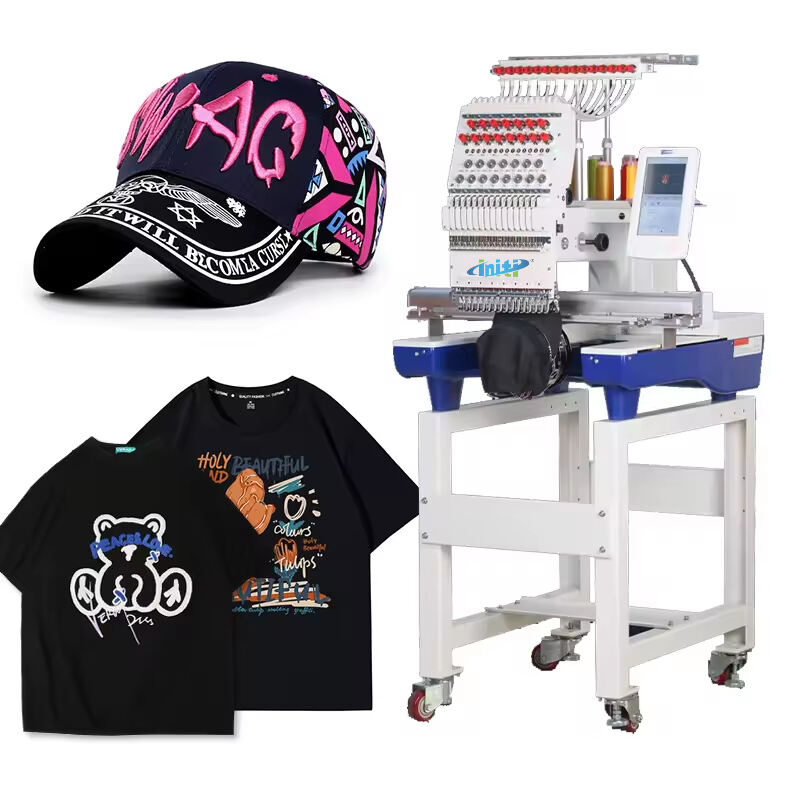
The global textile industry has witnessed remarkable growth in specialized embroidery equipment, particularly in the cap embroidery machine sector. These sophisticated machines have revolutionized how manufacturers approach headwear decoration, enabling mass production while maintaining exceptional quality standards. Understanding the landscape of leading cap embroidery machine manufacturers is crucial for businesses seeking to invest in reliable, high-performance equipment that delivers consistent results.
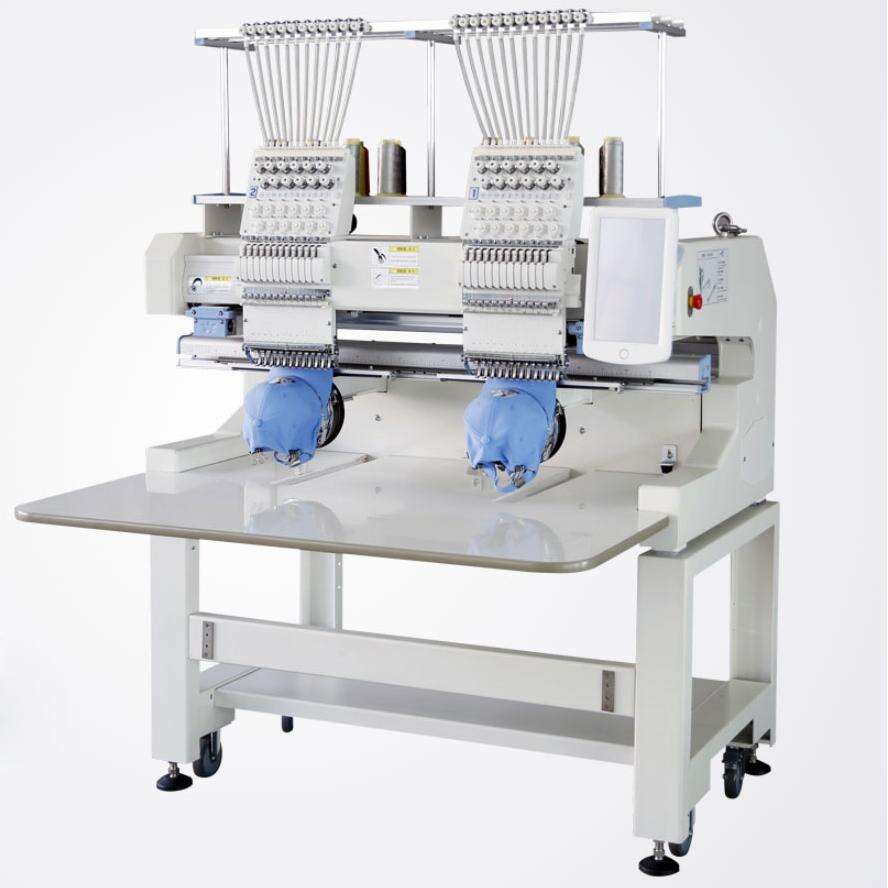
Modern cap embroidery machine technology has evolved significantly over the past decade, incorporating advanced features such as automatic trimming, thread break detection, and computer-controlled pattern execution. These innovations have transformed the manufacturing process, allowing operators to achieve intricate designs with minimal manual intervention. The precision and efficiency of contemporary equipment have made cap embroidery a profitable venture for businesses ranging from small custom shops to large-scale production facilities.
Evolution of Cap Embroidery Machine Technology
Historical Development and Innovation Timeline
The journey of cap embroidery machine development began in the early 20th century when mechanical systems dominated the market. Early machines required extensive manual operation and produced limited design complexity. However, the introduction of computer numerical control systems in the 1980s marked a pivotal transformation. This technological leap enabled manufacturers to program intricate patterns directly into the machine's memory, significantly reducing setup time and improving design accuracy.
The 1990s brought about servo motor integration, which enhanced the precision and speed of cap embroidery operations. This period also saw the introduction of multi-head configurations, allowing simultaneous production of multiple caps. The integration of touchscreen interfaces and user-friendly software made these machines more accessible to operators with varying skill levels, democratizing the cap embroidery industry.
Modern Technological Advancements
Contemporary cap embroidery machine designs incorporate cutting-edge technologies such as laser positioning systems, automatic color changes, and real-time monitoring capabilities. These features have significantly improved production efficiency while reducing waste and operational errors. Advanced thread management systems prevent tangling and ensure consistent tension throughout the embroidery process, resulting in superior finished products.
The integration of artificial intelligence and machine learning algorithms has further enhanced the capabilities of modern equipment. These systems can automatically adjust tension settings, optimize stitch patterns, and predict maintenance requirements. Such innovations have positioned the cap embroidery machine as an essential tool for manufacturers seeking competitive advantages in the global marketplace.
Leading Global Manufacturers Analysis
Asian Market Leaders
Asian manufacturers have established themselves as dominant forces in the cap embroidery machine industry, leveraging advanced manufacturing capabilities and competitive pricing strategies. Companies from China, Japan, and South Korea have invested heavily in research and development, producing machines that combine reliability with innovative features. These manufacturers have successfully penetrated international markets by offering comprehensive support services and customizable solutions tailored to specific regional requirements.
The emphasis on quality control and continuous improvement has enabled Asian manufacturers to build strong reputations among global customers. Their ability to scale production efficiently while maintaining consistent quality standards has made them preferred suppliers for businesses worldwide. The integration of eco-friendly manufacturing processes and sustainable materials has further enhanced their market position in environmentally conscious markets.
European Excellence in Engineering
European manufacturers have carved out a significant niche by focusing on precision engineering and premium quality construction. Their cap embroidery machine designs often feature robust construction, advanced automation capabilities, and superior longevity. German and Swiss manufacturers, in particular, have earned reputations for producing machines that operate reliably under demanding production conditions while delivering exceptional embroidery quality.
The European approach to manufacturing emphasizes craftsmanship and attention to detail, resulting in machines that command premium prices but deliver exceptional value over their operational lifespan. These manufacturers often provide extensive training programs and technical support, ensuring customers can maximize their investment returns through optimal machine utilization and maintenance practices.
Key Features and Specifications
Essential Performance Characteristics
Modern cap embroidery machine specifications vary significantly based on intended applications and production requirements. High-performance models typically feature embroidery speeds ranging from 800 to 1,200 stitches per minute, enabling efficient production cycles without compromising quality. Multi-head configurations allow simultaneous processing of multiple caps, with some systems accommodating up to 20 heads for large-scale production operations.
The embroidery area dimensions are critical considerations for manufacturers working with various cap styles and sizes. Standard machines typically offer working areas of 100mm x 60mm, which accommodates most conventional cap embroidery requirements. However, specialized models provide larger embroidery fields for complex designs or oversized applications. Thread capacity is another crucial specification, with professional machines supporting multiple thread colors simultaneously through automatic changing mechanisms.
Advanced Control Systems and Software
Contemporary cap embroidery machine control systems feature intuitive touchscreen interfaces that simplify operation and reduce training requirements. Advanced software packages include design editing capabilities, automatic digitizing functions, and production monitoring tools. These systems enable operators to modify designs in real-time, optimize stitch sequences, and track production metrics for quality control purposes.
Network connectivity features allow remote monitoring and control, enabling manufacturers to oversee multiple machines from centralized locations. Cloud-based software solutions provide access to extensive design libraries and enable seamless collaboration between design teams and production facilities. Such connectivity enhances operational efficiency and facilitates rapid response to customer requirements and market demands.
Market Applications and Industry Sectors
Commercial and Industrial Applications
The commercial cap embroidery machine market encompasses diverse applications ranging from corporate promotional products to fashion accessories. Businesses utilize these machines to produce branded headwear for marketing campaigns, employee uniforms, and retail merchandise. The ability to execute complex logos and text with precision makes cap embroidery an effective branding tool across multiple industries.
Sports teams and recreational organizations represent significant market segments for cap embroidery services. The demand for customized team caps, tournament merchandise, and commemorative items drives consistent production volumes. Professional sports leagues and collegiate athletics programs often require large quantities of embroidered caps with specific quality standards and delivery schedules, making reliable equipment essential for success in these markets.
Emerging Market Opportunities
The rise of e-commerce and on-demand manufacturing has created new opportunities for cap embroidery machine operators. Online customization platforms allow customers to design personalized caps and place orders directly with manufacturers. This trend has increased demand for flexible production systems capable of handling small batch orders efficiently while maintaining cost-effectiveness.
The growth of corporate wellness programs and employee recognition initiatives has expanded the market for embroidered caps as promotional items. Companies increasingly recognize the value of branded merchandise in building team identity and customer loyalty. This trend has created steady demand for high-quality embroidery services across various business sectors, from technology companies to healthcare organizations.
Selection Criteria for Manufacturers
Production Requirements Assessment
Selecting the appropriate cap embroidery machine requires careful evaluation of production requirements and business objectives. Volume expectations significantly influence equipment choices, as high-capacity operations benefit from multi-head configurations while smaller businesses may achieve better returns with single or dual-head systems. Design complexity requirements also impact selection decisions, as intricate patterns may necessitate machines with advanced features and superior precision capabilities.
Budget considerations extend beyond initial purchase prices to include operational costs, maintenance expenses, and expected return on investment. Quality manufacturers provide detailed cost analyses that help buyers understand total ownership expenses over the equipment's operational lifespan. Financing options and leasing programs offered by reputable manufacturers can make advanced equipment accessible to businesses with limited capital resources.
Technical Support and Training Services
Comprehensive technical support and training services distinguish leading cap embroidery machine manufacturers from competitors. Quality suppliers provide extensive operator training programs that cover machine operation, maintenance procedures, and troubleshooting techniques. These programs ensure customers can maximize equipment utilization while minimizing downtime and operational disruptions.
Ongoing technical support services include remote diagnostics, spare parts availability, and field service capabilities. Manufacturers with global presence typically maintain regional service centers that provide rapid response to customer needs. The availability of multilingual support and localized service networks significantly impacts customer satisfaction and long-term equipment reliability.
Maintenance and Operational Excellence
Preventive Maintenance Strategies
Effective maintenance programs are essential for maximizing cap embroidery machine performance and extending equipment lifespan. Regular cleaning schedules prevent thread buildup and ensure consistent stitch quality. Lubrication protocols maintain mechanical components in optimal condition while reducing wear and preventing unexpected failures. Leading manufacturers provide detailed maintenance manuals and schedules tailored to specific operating conditions and production volumes.
Predictive maintenance technologies incorporated into modern machines monitor component performance and alert operators to potential issues before failures occur. These systems track operating hours, stitch counts, and performance metrics to optimize maintenance scheduling. Such proactive approaches minimize unplanned downtime while reducing maintenance costs through efficient resource utilization.
Quality Control and Performance Optimization
Consistent quality control requires systematic monitoring of embroidery parameters and finished product characteristics. Modern cap embroidery machine systems include built-in quality monitoring features that detect thread breaks, tension variations, and alignment issues in real-time. These capabilities enable immediate corrective actions that prevent defective products and material waste.
Performance optimization involves fine-tuning machine settings for specific thread types, fabric characteristics, and design requirements. Experienced operators develop expertise in adjusting parameters such as stitch density, speed settings, and tension controls to achieve optimal results. Regular performance evaluations and adjustment protocols ensure consistent output quality and maximize production efficiency.
Future Trends and Industry Outlook
Technological Innovation Trajectory
The future of cap embroidery machine technology promises exciting developments in automation, connectivity, and artificial intelligence integration. Emerging technologies such as computer vision systems will enable automatic quality inspection and real-time adjustment capabilities. These innovations will further reduce operator intervention requirements while improving consistency and reducing production costs.
Sustainable manufacturing practices are becoming increasingly important in equipment design and operation. Future cap embroidery machine models will likely incorporate energy-efficient motors, recyclable materials, and reduced waste production capabilities. Environmental considerations are driving innovation in thread materials, packaging solutions, and manufacturing processes throughout the industry.
Market Expansion and Growth Opportunities
Global market expansion continues to create opportunities for cap embroidery machine manufacturers and operators. Emerging economies are developing robust textile industries that require modern embroidery equipment. The growing middle-class populations in these markets represent significant demand for customized and branded headwear products, driving equipment sales and service requirements.
The integration of digital marketing and social media platforms is creating new distribution channels for embroidered caps and promotional products. This trend is increasing demand for flexible manufacturing capabilities that can respond quickly to viral marketing campaigns and trending designs. Manufacturers who invest in adaptable cap embroidery machine systems will be well-positioned to capitalize on these dynamic market opportunities.
FAQ
What factors should I consider when choosing a cap embroidery machine manufacturer
When selecting a cap embroidery machine manufacturer, consider factors such as reputation, technical support quality, training programs, spare parts availability, and warranty terms. Evaluate the manufacturer's experience in the industry, customer testimonials, and service network coverage in your region. Additionally, assess the compatibility of their machines with your specific production requirements and design complexity needs.
How do I determine the appropriate cap embroidery machine capacity for my business
Determining appropriate capacity requires analyzing your current and projected production volumes, average order sizes, and delivery timeline requirements. Consider peak demand periods and growth projections when sizing equipment. Single-head machines suit low-volume operations, while multi-head configurations benefit high-volume producers. Factor in setup times, design complexity, and labor costs when calculating optimal capacity requirements.
What maintenance requirements are typical for cap embroidery machines
Typical maintenance requirements include daily cleaning of thread paths and embroidery areas, weekly lubrication of moving parts, and monthly calibration checks. Replace needles regularly based on usage patterns and thread types. Monitor tension settings and adjust as needed for different materials. Schedule annual professional inspections to ensure optimal performance and identify potential issues before they cause downtime.
How can I ensure consistent quality when operating a cap embroidery machine
Consistent quality requires proper machine setup, regular maintenance, and systematic quality control procedures. Use appropriate stabilizers for different cap materials and maintain consistent thread tension throughout production runs. Implement regular test stitching protocols and monitor stitch density, color matching, and design alignment. Train operators thoroughly on machine operation and quality standards specific to your production requirements.
Table of Contents
- Evolution of Cap Embroidery Machine Technology
- Leading Global Manufacturers Analysis
- Key Features and Specifications
- Market Applications and Industry Sectors
- Selection Criteria for Manufacturers
- Maintenance and Operational Excellence
- Future Trends and Industry Outlook
-
FAQ
- What factors should I consider when choosing a cap embroidery machine manufacturer
- How do I determine the appropriate cap embroidery machine capacity for my business
- What maintenance requirements are typical for cap embroidery machines
- How can I ensure consistent quality when operating a cap embroidery machine