

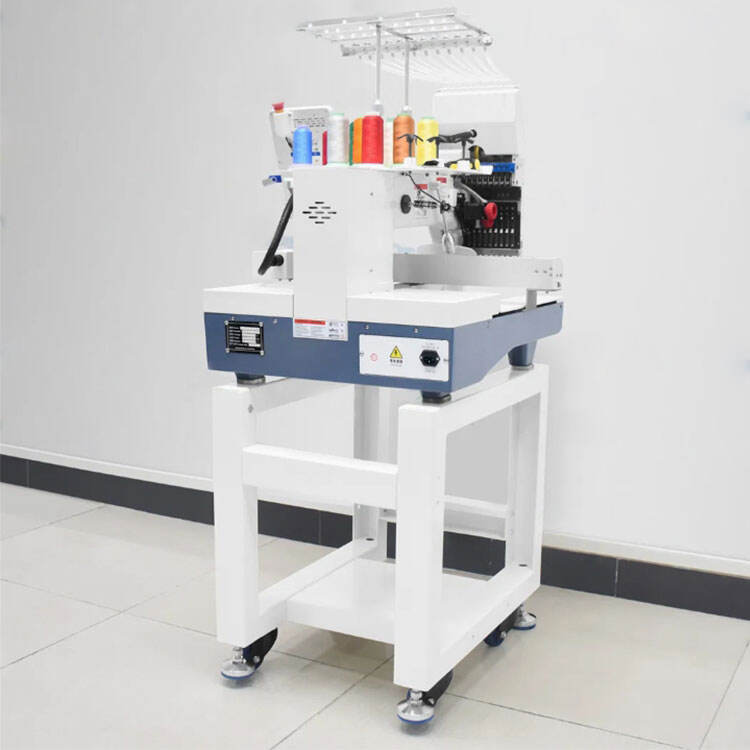
The growing demand for personalized caps in retail, corporate branding, and promotional markets has created significant opportunities for businesses seeking cost-effective embroidery solutions. A quality cap embroidery machine represents the foundation of successful cap customization operations, enabling precise stitching on curved surfaces while maintaining professional standards. Understanding the key features and specifications of modern embroidery equipment helps entrepreneurs and established businesses make informed decisions when investing in cap customization technology.
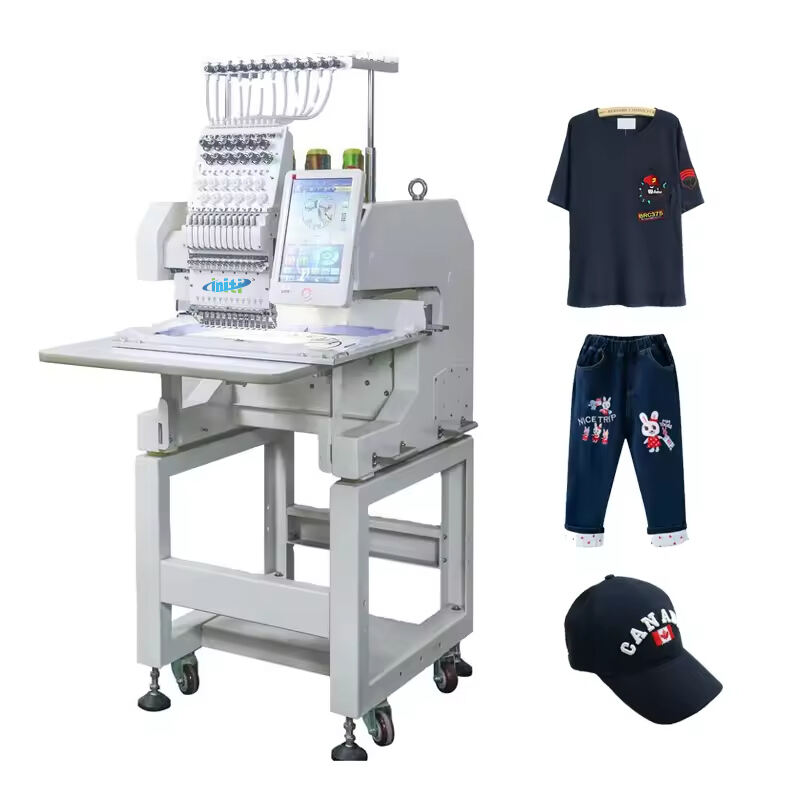
Modern cap embroidery machines incorporate advanced computerized controls that simplify the design process while ensuring consistent results across multiple production runs. These sophisticated systems eliminate much of the guesswork traditionally associated with embroidery work, allowing operators to focus on creativity and business growth rather than technical troubleshooting. The integration of user-friendly software interfaces has made professional-quality cap customization accessible to businesses of all sizes, from small startups to large-scale manufacturing operations.
Essential Features of Modern Cap Embroidery Equipment
Computerized Control Systems
Contemporary cap embroidery machine models feature sophisticated computerized control systems that streamline the entire embroidery process from design input to final production. These advanced control interfaces allow operators to import digital designs directly from popular graphics software, eliminating the need for manual pattern creation and reducing setup time significantly. The computerized systems also provide real-time monitoring of thread tension, stitching speed, and needle positioning, ensuring consistent quality throughout extended production runs.
The integration of touchscreen displays and intuitive menu systems has revolutionized the user experience for modern embroidery equipment. Operators can easily adjust parameters such as stitch density, thread color sequences, and embroidery positioning without requiring extensive technical training. These user-friendly interfaces significantly reduce the learning curve for new operators while improving overall productivity and reducing the likelihood of operator errors during production.
Multi-Format Design Compatibility
Professional cap embroidery machine systems support multiple file formats, enabling seamless integration with various design software platforms commonly used in the graphics and embroidery industries. This compatibility ensures that businesses can work with designs created in different software environments without requiring costly file conversion services or specialized formatting procedures. The ability to accept standard formats such as DST, PES, and EMB files provides flexibility when collaborating with external designers or clients who may use different software systems.
Advanced format compatibility also enables businesses to leverage existing design libraries and purchased embroidery patterns without modification. This feature proves particularly valuable for businesses transitioning from manual or older embroidery systems, as it preserves existing design investments while providing access to enhanced functionality and improved production capabilities. The seamless format integration reduces workflow disruptions and accelerates the implementation of new embroidery equipment in existing production environments.
Production Capabilities and Output Quality
Stitch Precision and Thread Management
High-quality cap embroidery machine systems deliver exceptional stitch precision through advanced thread tension control and precise needle positioning mechanisms. These systems maintain consistent thread tension across different thread types and weights, ensuring uniform stitch appearance regardless of design complexity or production volume. The automated thread management features include automatic thread cutting, color changes, and tension adjustment, reducing manual intervention and improving overall production efficiency.
Professional embroidery systems incorporate multiple thread monitoring sensors that detect thread breaks or tangles immediately, preventing production delays and material waste. These monitoring systems automatically pause production when issues arise, allowing operators to address problems quickly without compromising the quality of completed work. The integration of high-resolution positioning systems ensures that embroidery placement remains accurate even on irregularly shaped cap surfaces, maintaining professional appearance standards across diverse cap styles and materials.
Speed and Efficiency Optimization
Modern cap embroidery machine designs prioritize production speed without compromising stitch quality, achieving output rates that meet commercial production requirements. Advanced systems can complete complex designs at speeds exceeding 1000 stitches per minute while maintaining precise thread placement and consistent tension control. These enhanced speeds enable businesses to fulfill large orders within tight deadlines while maintaining the quality standards expected by commercial clients.
Efficiency optimization extends beyond raw stitching speed to include features such as automatic trimming, intelligent color sequencing, and optimized thread path planning. These integrated efficiency features reduce total production time per piece while minimizing thread waste and operator intervention requirements. The combination of high-speed operation and intelligent automation enables businesses to achieve competitive production costs while maintaining premium quality standards that support higher profit margins and customer satisfaction.
Cost-Effective Investment Strategies
Evaluating Total Cost of Ownership
When selecting a cap embroidery machine for business operations, evaluating the total cost of ownership provides a more accurate assessment than focusing solely on initial purchase price. Total cost analysis includes factors such as maintenance requirements, thread consumption rates, power consumption, and expected equipment lifespan. Understanding these ongoing operational costs enables businesses to make informed decisions that optimize long-term profitability and return on investment.
Professional-grade embroidery equipment typically offers superior durability and lower maintenance costs compared to entry-level alternatives, resulting in better long-term value despite higher initial investment requirements. The enhanced reliability of quality equipment reduces downtime costs and repair expenses while providing consistent performance that supports business growth and customer satisfaction. Comprehensive warranty coverage and technical support services further enhance the value proposition of professional embroidery systems.
Financing and Leasing Options
Various financing alternatives make professional cap embroidery machine acquisition accessible to businesses with limited initial capital, enabling growth without requiring substantial upfront investments. Equipment leasing programs often include maintenance packages and upgrade provisions that provide additional value while preserving working capital for other business operations. These flexible financing arrangements allow businesses to begin generating revenue immediately while spreading equipment costs over manageable payment periods.
Many equipment manufacturers and distributors offer specialized financing programs designed specifically for embroidery businesses, featuring competitive interest rates and payment terms aligned with typical cash flow patterns in the customization industry. These industry-specific financing solutions often include seasonal payment adjustments and equipment upgrade options that support business growth and technology advancement. Understanding available financing options enables businesses to select payment structures that optimize cash flow while acquiring the equipment necessary for competitive operations.
Setup and Installation Considerations
Space Requirements and Workflow Planning
Proper installation of a cap embroidery machine requires careful consideration of workspace layout, electrical requirements, and workflow optimization to ensure efficient operations and operator safety. Professional installation includes assessment of ventilation needs, lighting requirements, and ergonomic considerations that support productive work environments and operator comfort during extended production periods. Adequate space planning accommodates not only the embroidery equipment itself but also material storage, finished goods staging, and maintenance access requirements.
Effective workflow design integrates the cap embroidery machine placement with other production activities such as design preparation, material handling, and quality control processes. Strategic equipment positioning minimizes material transport distances and reduces production bottlenecks while maintaining safe working conditions and compliance with applicable workplace safety regulations. Professional installation services often include workflow consultation that optimizes production efficiency and supports future expansion plans.
Training and Support Resources
Comprehensive operator training programs ensure that businesses maximize the capabilities of their cap embroidery machine investment while minimizing learning curves and operational challenges. Professional training covers not only basic operation procedures but also advanced techniques such as design optimization, troubleshooting, and preventive maintenance practices that extend equipment life and improve output quality. Access to ongoing technical support and training resources supports continuous improvement and adaptation to evolving market requirements.
Many equipment suppliers provide extensive documentation, video training materials, and remote support capabilities that enable operators to resolve common issues independently while maintaining access to expert assistance when needed. These comprehensive support resources reduce operational disruptions and enable businesses to maintain consistent production schedules even when facing technical challenges. Regular training updates ensure that operators remain current with software upgrades and new feature implementations that enhance equipment capabilities.
Quality Control and Maintenance Practices
Preventive Maintenance Protocols
Regular maintenance practices significantly extend the operational life of cap embroidery machine systems while ensuring consistent output quality and minimizing unexpected downtime. Preventive maintenance protocols include routine cleaning procedures, lubrication schedules, and component inspections that identify potential issues before they affect production operations. Following manufacturer-recommended maintenance schedules preserves warranty coverage while optimizing equipment performance and reliability throughout the equipment lifecycle.
Professional maintenance practices encompass both daily operator responsibilities and periodic service requirements that may require specialized technical expertise. Daily maintenance typically includes thread path cleaning, bobbin area inspection, and basic calibration checks that operators can perform with minimal training. Periodic service activities such as timing adjustments, sensor calibration, and component replacement require specialized knowledge and tools typically provided through manufacturer service programs or qualified technical service providers.
Quality Assurance Procedures
Implementing systematic quality control procedures ensures that cap embroidery machine output consistently meets customer expectations and maintains the professional standards necessary for business success. Quality assurance protocols include regular test stitching, color matching verification, and dimensional accuracy checks that identify potential issues before they affect customer orders. These proactive quality measures reduce rework costs and maintain customer satisfaction levels that support business growth and reputation development.
Advanced quality control systems may include digital inspection tools and measurement devices that provide objective quality assessment capabilities beyond visual inspection alone. These enhanced quality control methods enable businesses to maintain consistent standards across multiple operators and production shifts while providing documentation that supports quality certifications and customer confidence. Regular quality audits and performance tracking enable continuous improvement initiatives that optimize both equipment performance and operational procedures.
Market Applications and Business Opportunities
Commercial Customization Services
The versatility of modern cap embroidery machine technology enables businesses to serve diverse market segments ranging from individual consumers seeking personalized accessories to large corporations requiring branded promotional items. Commercial customization services represent a growing market opportunity as businesses increasingly recognize the marketing value of branded merchandise and personalized employee uniforms. Professional embroidery capabilities enable service providers to offer premium customization options that command higher profit margins than basic printing alternatives.
Specialized applications such as sports team merchandise, corporate gifts, and event commemoratives provide recurring revenue opportunities for businesses equipped with professional embroidery capabilities. These market segments typically require high-quality output, reliable delivery schedules, and competitive pricing structures that favor businesses with efficient production capabilities. The ability to handle complex designs and multiple color combinations positions professional embroidery services to compete effectively in premium market segments that value quality and customization flexibility.
E-commerce and Online Sales Channels
Online sales platforms have significantly expanded market access for businesses offering custom cap embroidery services, enabling small operations to compete in national and international markets previously accessible only to large manufacturers. E-commerce integration allows customers to upload designs, select products, and place orders through automated systems that streamline the sales process while reducing administrative overhead. Professional cap embroidery machine capabilities enable businesses to fulfill online orders efficiently while maintaining quality standards that support positive customer reviews and repeat business.
Digital marketing strategies and social media presence become particularly important for businesses leveraging e-commerce channels to promote custom embroidery services. Professional-quality samples and portfolio images showcase the capabilities of advanced embroidery equipment while building customer confidence in service quality and reliability. The combination of professional equipment capabilities and effective online marketing enables businesses to develop sustainable competitive advantages in the growing custom merchandise market.
FAQ
What factors should be considered when selecting a cap embroidery machine for a small business
Small businesses should prioritize ease of operation, reliability, and total cost of ownership when selecting embroidery equipment. Key considerations include the availability of training and technical support, compatibility with existing design software, and the ability to handle diverse thread types and cap styles. Additionally, evaluating the machine's production speed capabilities against anticipated order volumes helps ensure that the equipment can meet business growth projections without requiring premature upgrades.
How much maintenance is typically required for professional embroidery equipment
Professional cap embroidery machines require daily cleaning and basic maintenance that operators can perform in approximately 15-20 minutes per day. Monthly maintenance procedures typically require 1-2 hours and may include more detailed cleaning, lubrication, and calibration checks. Annual service by qualified technicians is recommended to maintain warranty coverage and ensure optimal performance, typically requiring 4-8 hours of equipment downtime depending on the complexity of required procedures.
What types of designs work best with automated cap embroidery systems
Automated cap embroidery systems excel with vector-based designs that feature clean lines, solid fills, and moderate detail levels appropriate for the curved surface of caps. Text-based designs, logos with distinct color separation, and geometric patterns typically produce excellent results with minimal setup requirements. Complex photographic images or designs requiring very fine detail may require modification or may be better suited to alternative decoration methods such as heat transfer or direct-to-garment printing.
How do computerized systems improve embroidery consistency compared to manual methods
Computerized cap embroidery machine systems eliminate human variability in thread tension, stitching speed, and pattern placement that can affect quality in manual embroidery operations. Automated systems maintain consistent parameters throughout production runs and can replicate identical results across multiple pieces without the fatigue or attention variations that affect manual operators. Additionally, computerized systems provide precise positioning control that ensures accurate design placement even on irregularly shaped or textured cap surfaces, resulting in professional appearance and customer satisfaction.
Table of Contents
- Essential Features of Modern Cap Embroidery Equipment
- Production Capabilities and Output Quality
- Cost-Effective Investment Strategies
- Setup and Installation Considerations
- Quality Control and Maintenance Practices
- Market Applications and Business Opportunities
-
FAQ
- What factors should be considered when selecting a cap embroidery machine for a small business
- How much maintenance is typically required for professional embroidery equipment
- What types of designs work best with automated cap embroidery systems
- How do computerized systems improve embroidery consistency compared to manual methods