

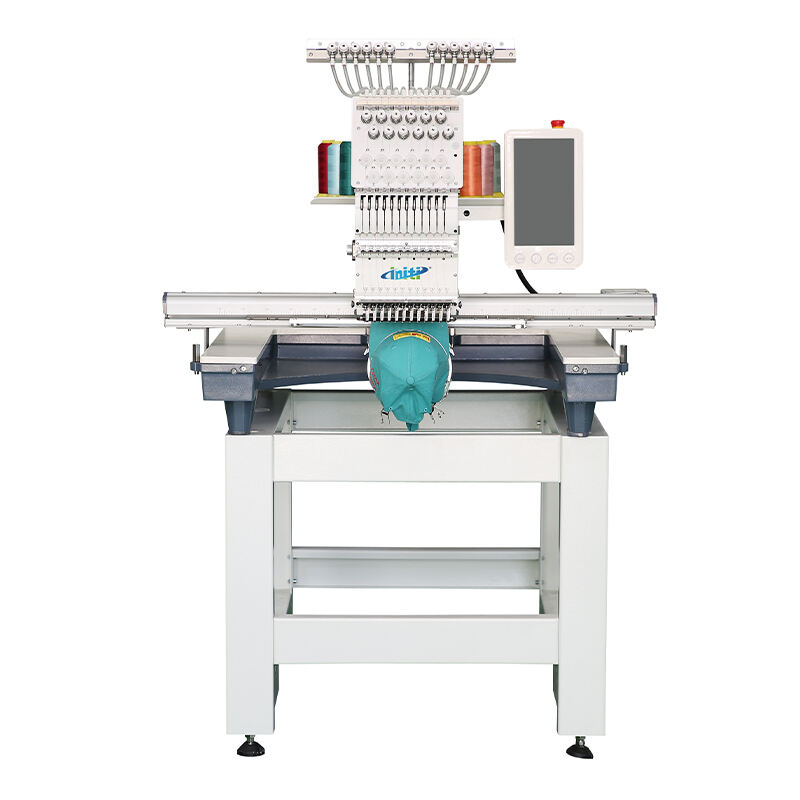
The textile industry has witnessed remarkable technological advancements over the past decade, with custom embroidery machine solutions leading the charge in precision manufacturing. Modern businesses require equipment that delivers exceptional quality while maintaining operational efficiency, making the selection of the right embroidery system crucial for success. Understanding what distinguishes superior equipment from standard alternatives can significantly impact your production capabilities and bottom line. Today's market offers numerous options, but identifying the key features that define excellence requires careful consideration of multiple technical and practical factors.
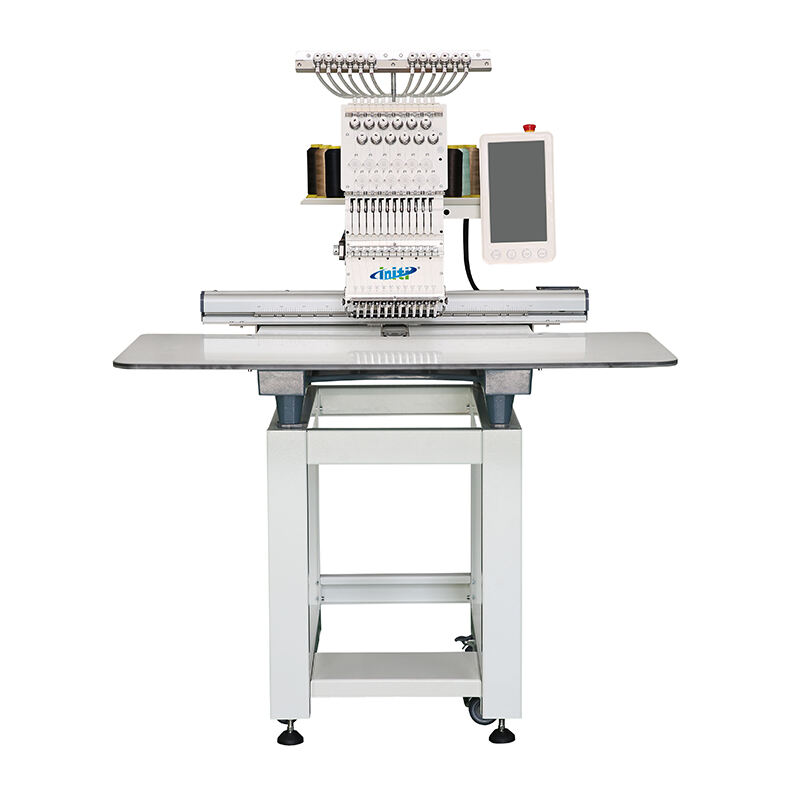
Advanced Threading and Needle Technology
Multi-Needle Configuration Advantages
Professional custom embroidery machine systems incorporate sophisticated multi-needle arrangements that dramatically enhance production efficiency. These configurations allow simultaneous use of multiple thread colors, eliminating the time-consuming process of manual thread changes between design elements. The most advanced systems feature up to fifteen needles, each independently controlled through precision servo motors that ensure consistent tension and stitch quality throughout extended production runs.
The needle selection mechanism in premium equipment operates with remarkable precision, automatically positioning the correct needle for each design segment. This automation reduces operator intervention while maintaining strict quality standards, enabling higher throughput without compromising embroidery integrity. Modern systems also incorporate needle break detection technology, immediately alerting operators to potential issues before they affect the finished product.
Thread Management Innovation
Superior thread handling represents another hallmark of exceptional custom embroidery machine design. Advanced tensioning systems automatically adjust thread pressure based on fabric type, stitch density, and thread material characteristics. This intelligent adaptation prevents thread breaks while ensuring consistent stitch formation across diverse materials and applications.
Contemporary machines feature enhanced thread path engineering that minimizes friction points and reduces wear on both threads and mechanical components. The integration of ceramic guides and specialized lubricating systems extends thread life while maintaining optimal performance throughout extended production cycles. These improvements translate directly into reduced maintenance requirements and improved operational reliability.
Precision Control Systems and Software Integration
Computer-Aided Design Compatibility
The digital interface capabilities of modern custom embroidery machine systems have revolutionized design implementation and production workflow management. Advanced software platforms support multiple file formats, enabling seamless integration with popular design applications used throughout the textile industry. This compatibility eliminates conversion issues while preserving design integrity from concept to finished product.
Professional-grade machines incorporate sophisticated pattern editing features that allow real-time design modifications without requiring external software. Operators can adjust stitch density, modify color sequences, and fine-tune positioning directly through the machine interface, dramatically reducing setup time and improving production flexibility. These capabilities prove particularly valuable for custom orders requiring quick turnaround times.
Automated Quality Control Features
Cutting-edge embroidery systems integrate comprehensive quality monitoring technologies that continuously assess stitch formation, thread tension, and overall pattern execution. These systems automatically detect deviations from programmed parameters and implement corrective measures without interrupting production flow. Such automation ensures consistent quality while reducing the skill level required for operators to achieve professional results.
Advanced machines also feature predictive maintenance algorithms that monitor component wear patterns and alert operators to upcoming service requirements. This proactive approach minimizes unexpected downtime while extending equipment lifespan through optimal maintenance scheduling. The integration of these intelligent systems represents a significant advantage for businesses seeking to maximize equipment utilization and operational efficiency.
Frame Construction and Mechanical Precision
Structural Engineering Excellence
The foundation of any exceptional custom embroidery machine lies in its mechanical construction and structural integrity. Premium manufacturers utilize heavy-duty steel frames with precision-machined components that maintain accuracy even under continuous high-speed operation. These robust foundations minimize vibration transmission while ensuring consistent hoop positioning throughout extended production runs.
Advanced frame designs incorporate anti-vibration technology and dynamic balancing systems that maintain stability during rapid directional changes. This engineering excellence translates into superior stitch quality and extended component lifespan, making premium machines more cost-effective over their operational lifetime despite higher initial investment requirements.
Hoop System Innovation
Professional embroidery equipment features sophisticated hoop management systems that accommodate diverse fabric types and thicknesses while maintaining optimal tension throughout the stitching process. Modern machines offer multiple hoop sizes with quick-change mechanisms that minimize setup time between different projects or production runs.
The most advanced systems incorporate pressure-sensitive clamping mechanisms that automatically adjust grip force based on material characteristics. This intelligent adaptation prevents fabric damage while ensuring secure positioning throughout complex embroidery patterns. Such features prove particularly valuable when working with delicate materials or producing intricate designs requiring precise registration.
Production Capacity and Speed Optimization
High-Speed Operation Capabilities
Modern custom embroidery machine systems achieve remarkable production speeds while maintaining exceptional quality standards. Premium equipment operates at speeds exceeding 1000 stitches per minute, with intelligent speed control systems that automatically adjust operating parameters based on pattern complexity and material requirements. This optimization ensures maximum throughput without compromising embroidery integrity.
Advanced speed management incorporates predictive algorithms that analyze upcoming pattern segments and adjust machine parameters accordingly. This forward-looking approach minimizes thread breaks and stitch defects while maintaining optimal production rates throughout complex designs. The result is significantly improved efficiency compared to machines relying solely on fixed-speed operation.
Continuous Operation Features
Professional-grade machines incorporate features designed to minimize production interruptions and maximize operational uptime. Automatic thread trimming systems eliminate manual intervention between pattern segments, while intelligent jump stitch management reduces unnecessary thread consumption and setup complexity.
The integration of bulk thread supply systems enables extended production runs without frequent thread changes, particularly beneficial for large orders requiring consistent color application. These systems monitor thread consumption and alert operators when replacement becomes necessary, preventing unexpected production stoppages that could impact delivery schedules.
Material Compatibility and Versatility
Diverse Fabric Handling Capabilities
Exceptional custom embroidery machine systems demonstrate remarkable versatility in handling diverse material types and weights. From lightweight silks to heavy leather applications, premium equipment automatically adjusts penetration force, stitch formation speed, and thread tension to optimize results across the full spectrum of textile materials.
Advanced material detection systems analyze fabric characteristics and recommend optimal machine settings for each application. This intelligent assistance reduces operator training requirements while ensuring consistent results regardless of material variations. Such capabilities prove particularly valuable for businesses serving diverse markets with varying material requirements.
Specialty Application Support
Professional embroidery systems support specialized applications including cap embroidery, leather goods decoration, and technical textile enhancement. Dedicated accessories and modified hoop systems enable these applications while maintaining the precision and quality standards expected from premium equipment.
The most versatile machines incorporate modular design concepts that allow configuration changes for specific applications without requiring complete equipment replacement. This flexibility provides significant value for businesses anticipating future expansion into new market segments or product categories requiring specialized embroidery capabilities.
Maintenance and Service Considerations
User-Friendly Maintenance Design
Superior custom embroidery machine design incorporates maintenance-friendly features that minimize service complexity and reduce operational downtime. Easily accessible lubrication points, modular component design, and comprehensive diagnostic systems enable efficient routine maintenance without requiring specialized technical expertise.
Modern machines feature self-diagnostic capabilities that identify potential issues before they impact production quality. Detailed maintenance scheduling systems track component usage and recommend service intervals based on actual operating conditions rather than arbitrary time periods. This precision approach optimizes maintenance costs while ensuring reliable operation throughout equipment lifespan.
Technical Support and Documentation
Premium manufacturers provide comprehensive technical support including detailed operation manuals, video training materials, and responsive customer service teams. This support infrastructure proves invaluable during initial setup phases and throughout equipment operational life, ensuring maximum return on investment through optimal utilization.
Advanced machines often include remote diagnostic capabilities that enable manufacturer technicians to assess equipment status and provide guidance without requiring on-site visits. This remote support capability reduces service response times while providing immediate assistance for operational questions or technical challenges.
FAQ
What maintenance schedule should be followed for optimal custom embroidery machine performance
Professional custom embroidery machine maintenance typically requires daily cleaning of the needle area and thread path, weekly lubrication of moving components according to manufacturer specifications, and monthly comprehensive inspections of electrical connections and mechanical adjustments. Advanced machines with self-diagnostic capabilities will provide specific maintenance alerts based on actual usage patterns rather than predetermined schedules, ensuring optimal performance while minimizing unnecessary service interventions.
How do multi-needle systems improve production efficiency compared to single-needle alternatives
Multi-needle custom embroidery machine configurations eliminate thread change time between colors, reducing production time by up to sixty percent for complex multi-color designs. Additionally, these systems maintain consistent thread tension across all needles, improving stitch quality while enabling simultaneous preparation of multiple thread colors for upcoming design segments. The automated needle selection process also reduces operator skill requirements while maintaining professional quality standards.
What fabric weight limitations should be considered when selecting embroidery equipment
Premium custom embroidery machine systems typically handle materials ranging from lightweight chiffon fabrics weighing less than two ounces per square yard to heavy canvas materials exceeding twenty ounces per square yard. Advanced machines automatically adjust penetration force and stitch formation parameters based on material characteristics, ensuring optimal results across this full range. However, specialized applications such as leather work may require dedicated equipment or accessories designed for extreme material weights.
How important is software compatibility when choosing professional embroidery equipment
Software compatibility represents a critical factor in custom embroidery machine selection, as incompatible file formats can create significant workflow disruptions and increase production costs. Professional systems should support industry-standard formats including DST, PES, and EMB files while providing conversion capabilities for less common formats. Advanced machines with built-in design editing capabilities reduce dependency on external software while enabling real-time pattern modifications that improve production flexibility and reduce setup time requirements.
Table of Contents
- Advanced Threading and Needle Technology
- Precision Control Systems and Software Integration
- Frame Construction and Mechanical Precision
- Production Capacity and Speed Optimization
- Material Compatibility and Versatility
- Maintenance and Service Considerations
-
FAQ
- What maintenance schedule should be followed for optimal custom embroidery machine performance
- How do multi-needle systems improve production efficiency compared to single-needle alternatives
- What fabric weight limitations should be considered when selecting embroidery equipment
- How important is software compatibility when choosing professional embroidery equipment