

Modern textile manufacturing demands precision and speed, making the selection of the right embroidery machine a critical business decision. Professional embroidery operations require equipment that can deliver consistent quality while maintaining high production rates. An efficient embroidery machine workflow begins with understanding the fundamental relationship between machine capabilities, design complexity, and production scheduling. Today's commercial embroidery facilities face increasing pressure to reduce turnaround times while maintaining the exceptional quality standards that customers expect.
Strategic Machine Selection for Maximum Efficiency
Multi-Head Configuration Benefits
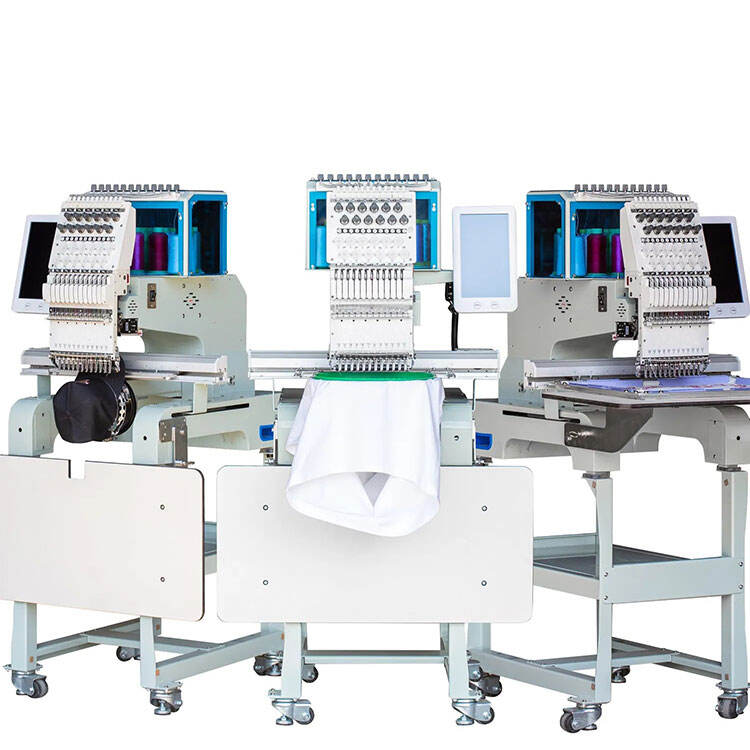
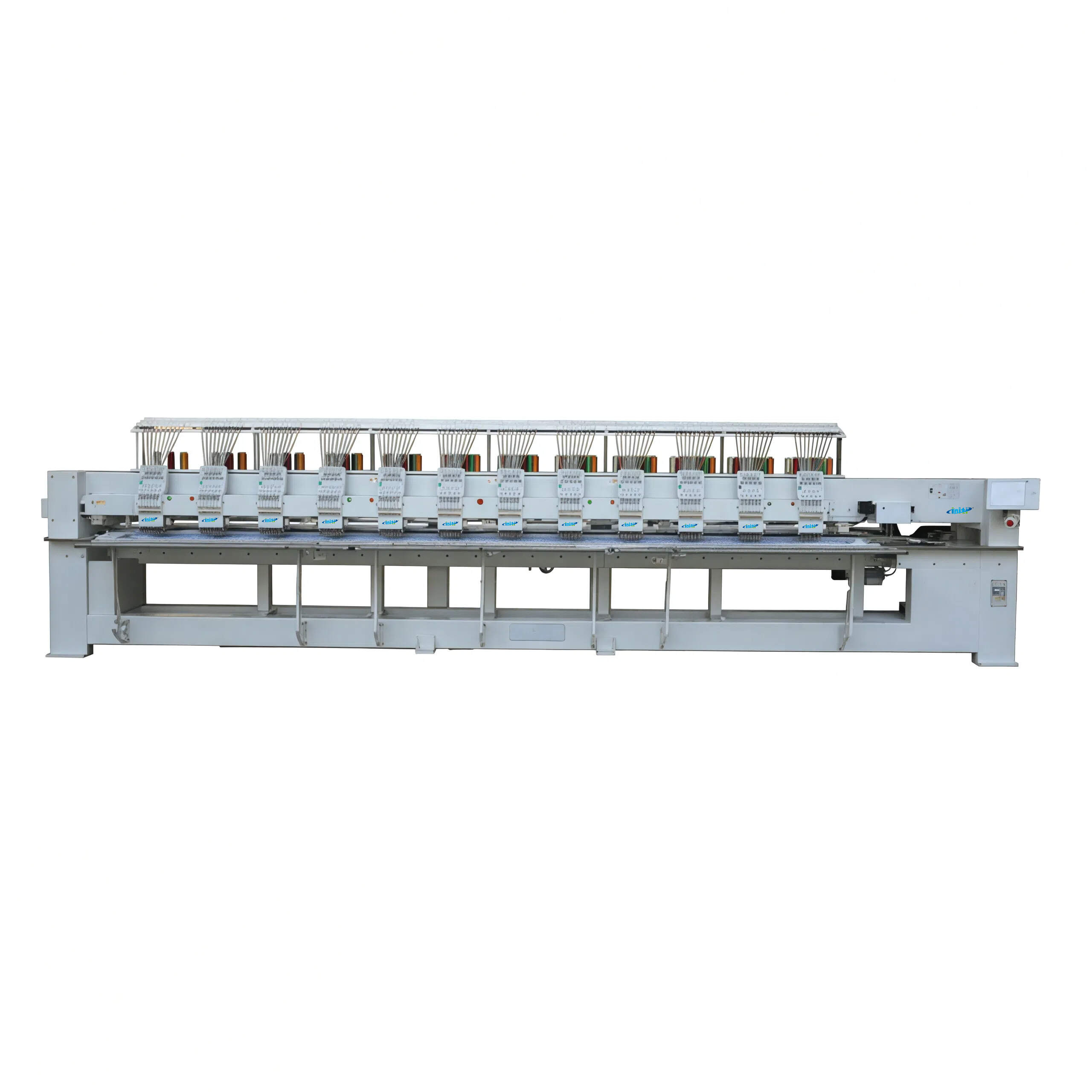
Professional multi-head embroidery machine systems offer substantial productivity advantages over single-head alternatives. The simultaneous operation of multiple embroidery heads allows operators to complete large orders in significantly less time while maintaining consistent stitch quality across all garments. Each head operates independently, enabling the production of identical designs on multiple pieces simultaneously or different designs across various heads depending on order requirements.
The scalability factor becomes particularly important when considering future business growth. A well-designed embroidery machine configuration allows businesses to adjust production capacity based on seasonal demands or expanding client bases. The ability to add additional heads or upgrade existing systems provides long-term investment protection while ensuring continuous operational efficiency.
Speed Optimization Technologies
Advanced embroidery machine systems incorporate sophisticated speed control mechanisms that automatically adjust stitching rates based on design complexity and fabric characteristics. These intelligent systems prevent thread breaks and fabric distortion while maximizing production throughput. Variable speed control allows operators to optimize performance for different material types, from delicate silk fabrics to heavy canvas materials.
High-speed capabilities become especially valuable when handling large production runs with simple designs. Modern embroidery machine technology can achieve speeds exceeding 1,200 stitches per minute while maintaining precise registration and consistent tension control. This combination of speed and accuracy translates directly into improved profit margins and customer satisfaction.
Workflow Design Principles
Production Planning Integration
Effective embroidery workflow design requires seamless integration between design software, production planning systems, and machine operation protocols. Digital design files must be optimized for specific embroidery machine capabilities, including thread color limitations, maximum hoop sizes, and stitch density requirements. Proper file preparation reduces setup time and minimizes production errors that can cause costly delays.
Production scheduling becomes more efficient when embroidery machine operators can access real-time information about job priorities, material availability, and machine status. Integrated workflow systems allow managers to track production progress, identify bottlenecks, and make informed decisions about resource allocation and order sequencing.
Quality Control Integration
Built-in quality monitoring systems within modern embroidery machine setups help maintain consistent output standards while reducing manual inspection requirements. Automatic thread break detection, tension monitoring, and registration verification systems prevent defective products from completing the production cycle. These features significantly reduce waste and rework costs while improving overall customer satisfaction.
Regular calibration and maintenance schedules for embroidery machine components ensure optimal performance throughout extended production runs. Preventive maintenance protocols help avoid unexpected downtime and extend equipment lifespan, providing better return on investment for businesses operating in competitive markets.
Operational Efficiency Strategies
Setup Time Reduction
Quick-change hoop systems and pre-positioned material handling reduce setup times between different jobs on an embroidery machine. Standardized setup procedures and operator training programs ensure consistent preparation methods that minimize variation in setup duration. Color change sequences can be optimized through intelligent thread management systems that reduce the number of manual interventions required during production.
Batch processing strategies allow operators to group similar jobs together, reducing the frequency of setup changes and maximizing machine utilization rates. When properly implemented, these strategies can increase overall embroidery machine productivity by twenty to thirty percent compared to random job sequencing approaches.
Material Flow Optimization
Efficient material handling systems ensure continuous operation of embroidery machine equipment without interruptions for material preparation or finished goods removal. Strategic placement of material storage areas, cutting tables, and finishing stations creates smooth workflow patterns that minimize operator movement and handling time.
Inventory management systems track thread consumption, backing material usage, and finished goods inventory in real-time, enabling proactive ordering and reducing production delays caused by material shortages. Proper material flow design also includes adequate space for quality inspection and packaging operations without interfering with ongoing embroidery machine operations.
Technology Integration and Automation
Software Connectivity
Modern embroidery machine systems feature advanced connectivity options that enable direct communication with design software, production management systems, and quality control databases. Network integration allows real-time monitoring of machine status, production progress, and maintenance requirements from centralized control stations.
Cloud-based design libraries and job tracking systems provide accessibility from multiple locations, enabling remote management and design approval processes. This connectivity reduces delays associated with design revisions and approval cycles while maintaining complete production documentation for quality assurance and customer service purposes.
Automated Threading Systems
Automatic threading mechanisms eliminate manual threading operations that traditionally consume significant setup time on embroidery machine systems. These advanced features reduce operator skill requirements while improving consistency in thread tension and positioning. Automated thread trimming and color change functions further reduce manual intervention requirements during production cycles.
Integration with thread monitoring systems provides early warning of potential threading issues before they cause production problems. Predictive maintenance capabilities analyze threading performance data to identify patterns that indicate upcoming maintenance requirements, enabling proactive service scheduling that minimizes unplanned downtime.
Performance Measurement and Optimization
Production Analytics
Comprehensive data collection systems within embroidery machine operations provide detailed insights into production efficiency, quality metrics, and equipment utilization rates. Real-time dashboards display key performance indicators that enable operators and managers to identify optimization opportunities and respond quickly to emerging issues.
Historical production data analysis reveals patterns in machine performance, operator efficiency, and quality trends that inform strategic decisions about equipment upgrades, training programs, and process improvements. These analytical capabilities transform raw production data into actionable intelligence for continuous improvement initiatives.
Continuous Improvement Protocols
Regular performance reviews and optimization studies help identify opportunities for enhancing embroidery machine efficiency and output quality. Systematic evaluation of setup procedures, maintenance practices, and operator techniques reveals areas where incremental improvements can deliver significant cumulative benefits over time.
Benchmark comparisons with industry standards and best practices provide objective measures of performance and highlight areas requiring focused attention. Implementation of standardized improvement methodologies ensures consistent approaches to problem-solving and process enhancement across all embroidery machine operations.
FAQ
What factors determine optimal embroidery machine speed settings
Optimal speed settings depend on fabric type, thread characteristics, design complexity, and stitch density requirements. Delicate fabrics require slower speeds to prevent distortion, while heavy materials can accommodate higher speeds. Design elements with fine details need reduced speeds for accuracy, whereas large fill areas can utilize maximum speed capabilities without quality compromise.
How do multi-head embroidery machines improve production efficiency
Multi-head systems multiply production capacity by allowing simultaneous operation of multiple embroidery stations. This configuration reduces per-piece production time, enables batch processing of identical designs, and provides flexibility for handling multiple orders concurrently. The result is significantly higher throughput compared to single-head alternatives while maintaining consistent quality standards.
What maintenance practices maximize embroidery machine uptime
Regular cleaning of thread paths, lubrication of moving components, and calibration of tension systems prevent most common operational issues. Daily inspection routines identify potential problems before they cause downtime, while scheduled preventive maintenance addresses wear items and system adjustments. Proper operator training ensures correct handling procedures that minimize mechanical stress and extend component life.
How does design optimization affect production workflow efficiency
Optimized designs reduce production time through efficient stitch sequences, minimized color changes, and appropriate density settings for specific applications. Proper design preparation eliminates unnecessary trim commands, reduces thread consumption, and improves registration accuracy. These optimizations directly translate into faster production cycles and reduced material costs while maintaining desired aesthetic quality.