

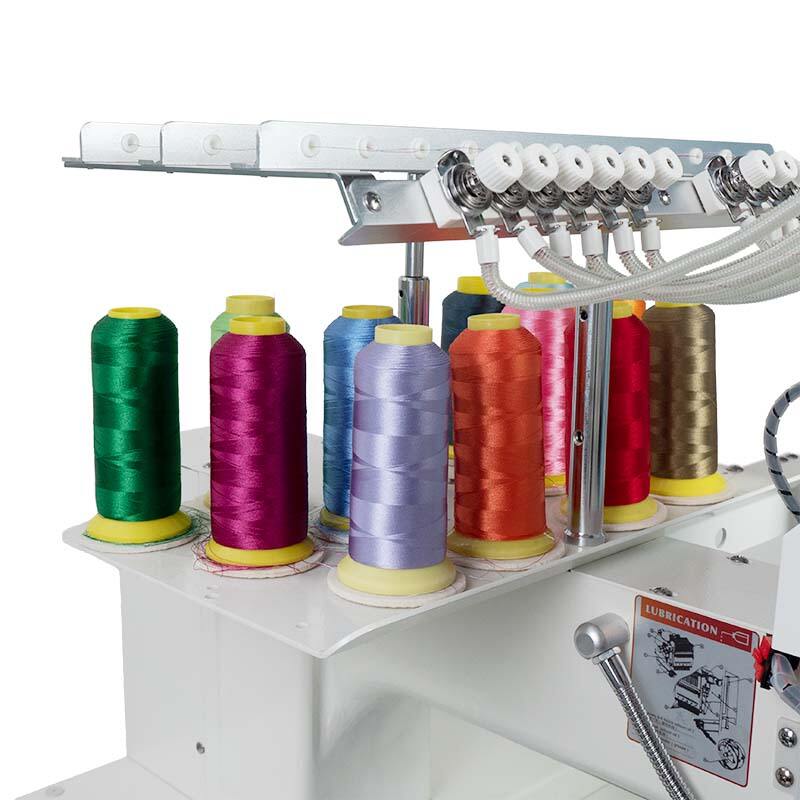
Understanding production speed capabilities is crucial when investing in commercial embroidery equipment. A single head embroidery machine represents a versatile solution for businesses seeking to balance productivity with operational flexibility. Production speeds vary significantly based on machine specifications, design complexity, and operational parameters, making it essential to evaluate these factors comprehensively before making purchasing decisions.
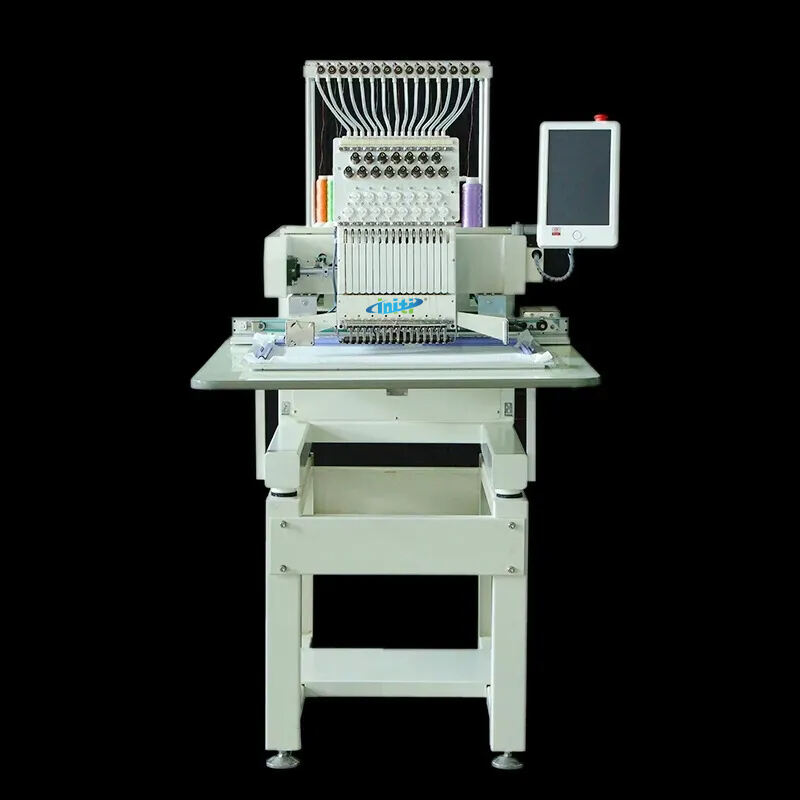
Production Speed Fundamentals
Standard Speed Ranges
Most commercial single head embroidery machine models operate within specific speed parameters that determine overall productivity. Entry-level machines typically achieve speeds between 600-800 stitches per minute, while industrial-grade units can reach 1,000-1,500 stitches per minute under optimal conditions. High-end models equipped with advanced servo motors and precision control systems may exceed 1,500 stitches per minute, though practical operating speeds often remain lower to maintain consistent quality output.
Speed capabilities depend heavily on mechanical precision and electronic control systems integrated within each machine design. Modern single head embroidery machine units incorporate sophisticated tensioning mechanisms and thread management systems that enable sustained high-speed operation without compromising stitch quality. These technological advances have significantly improved production throughput compared to older mechanical systems.
Factors Affecting Actual Production Speed
Several variables influence the practical operating speed of embroidery equipment beyond manufacturer specifications. Design complexity plays a primary role, as intricate patterns with frequent color changes, small lettering, or dense fill areas require reduced speeds to maintain precision. Simple logos or text designs typically allow maximum speed operation, while detailed artwork may necessitate 40-60% speed reduction for optimal results.
Thread type and fabric characteristics also impact achievable production speeds significantly. Metallic threads, specialty yarns, or delicate materials often require slower operation to prevent breakage or puckering. Heavy fabrics may demand reduced speeds during dense stitch areas to ensure proper needle penetration and thread formation. Experienced operators adjust speeds dynamically based on these material considerations to optimize both quality and efficiency.
Performance Optimization Strategies
Machine Setup and Configuration
Proper machine configuration directly influences production speed capabilities and overall efficiency. Tension settings, needle selection, and stabilizer choices must align with specific design requirements and material properties. A well-configured single head embroidery machine operates smoothly at higher speeds while maintaining consistent stitch quality throughout production runs.
Regular maintenance schedules ensure optimal performance and prevent speed-limiting mechanical issues. Lubrication, timing adjustments, and component inspections help maintain peak operating capabilities. Clean thread paths, sharp needles, and properly calibrated tensioning systems enable sustained high-speed operation without quality degradation or frequent thread breaks that interrupt production flow.
Design Optimization Techniques
Design digitization significantly impacts production speeds achievable on any single head embroidery machine platform. Optimized stitch sequences, appropriate density settings, and strategic color placement minimize machine movements and reduce overall production time. Professional digitizers employ techniques that maximize speed potential while preserving design integrity and visual appeal.
Underlay stitching, jump stitch minimization, and efficient pathing algorithms contribute to faster production cycles. Modern embroidery software includes speed optimization features that automatically adjust stitch parameters based on design characteristics and machine capabilities. These tools help operators achieve maximum productivity without sacrificing output quality or risking equipment damage from excessive operational stress.
Industry Applications and Speed Requirements
Commercial Embroidery Operations
Commercial embroidery businesses rely on consistent production speeds to meet customer deadlines and maintain profitability. A typical single head embroidery machine in commercial service processes 15-25 garments per hour depending on design complexity and size. Simple left chest logos require 3-5 minutes per piece, while complex back designs may need 15-20 minutes including setup and trimming time.
Volume production considerations often dictate speed versus quality balance decisions. Rush orders may require maximum speed operation with simplified designs, while premium products demand reduced speeds for exceptional finish quality. Understanding these trade-offs helps businesses optimize their single head embroidery machine utilization for different market segments and customer requirements.
Specialized Applications
Certain embroidery applications require specific speed considerations beyond standard commercial parameters. Medical textile embroidery, aerospace applications, and luxury goods often mandate reduced operating speeds to ensure regulatory compliance and quality standards. These specialized markets typically prioritize precision over production speed, influencing equipment selection and operational procedures.
Promotional product embroidery represents another significant market segment with unique speed requirements. High-volume promotional campaigns benefit from optimized single head embroidery machine operation that balances speed with cost-effectiveness. Standardized designs, efficient setup procedures, and streamlined production workflows enable competitive turnaround times while maintaining acceptable profit margins.
Technology Advances and Speed Improvements
Modern Control Systems
Contemporary single head embroidery machine designs incorporate advanced electronic control systems that enable higher operating speeds while maintaining precision. Servo motor technology provides precise speed control and rapid acceleration/deceleration capabilities that improve overall production efficiency. These systems automatically adjust operating parameters based on design requirements and real-time performance feedback.
Digital communication protocols between machine components enable coordinated high-speed operation without mechanical stress or timing issues. Advanced sensor systems monitor thread tension, needle temperature, and fabric position to prevent problems that typically require speed reduction or production interruption. These technological improvements have significantly increased practical operating speeds compared to older mechanical systems.
Future Development Trends
Ongoing technological development continues to push single head embroidery machine speed capabilities higher while improving reliability and ease of operation. Artificial intelligence integration promises adaptive speed control that optimizes performance based on design characteristics, material properties, and historical production data. These smart systems will automatically determine optimal operating speeds for maximum efficiency without operator intervention.
Advanced materials and manufacturing techniques enable more precise mechanical components that operate reliably at higher speeds. Improved bearing systems, lightweight needle bars, and optimized thread handling mechanisms reduce mechanical limitations that traditionally restricted operating speeds. These developments suggest continued improvement in production capabilities for future single head embroidery machine generations.
Economic Considerations and ROI
Production Cost Analysis
Operating speed directly impacts the economic viability of embroidery operations through labor costs, equipment utilization, and customer satisfaction metrics. Higher-speed single head embroidery machine models typically command premium prices but offer improved return on investment through increased production capacity. Businesses must evaluate speed capabilities against initial investment costs and ongoing operational expenses.
Energy consumption, maintenance requirements, and operator training costs vary with machine speed capabilities and complexity. High-speed models may require specialized operator skills and more frequent maintenance intervals, affecting total cost of ownership calculations. Understanding these relationships helps businesses select equipment that provides optimal economic performance for their specific operational requirements and market conditions.
Market Positioning Strategies
Production speed capabilities influence competitive positioning and service offerings within the embroidery market. Businesses equipped with high-speed single head embroidery machine units can offer shorter turnaround times and accept rush orders that command premium pricing. This competitive advantage often justifies higher equipment costs through improved market share and customer retention rates.
Service differentiation through speed capabilities enables businesses to target specific market segments effectively. Fast fashion, promotional products, and time-sensitive applications require rapid production capabilities that standard-speed equipment cannot provide efficiently. Strategic equipment selection based on speed requirements helps businesses align their capabilities with profitable market opportunities.
FAQ
What is the maximum speed achievable on a single head embroidery machine
High-end single head embroidery machine models can achieve maximum speeds of 1,500-2,000 stitches per minute under ideal conditions. However, practical operating speeds typically range from 800-1,200 stitches per minute depending on design complexity, material properties, and quality requirements. Complex designs with frequent color changes or dense fill areas often require 50-70% of maximum speed for optimal results.
How does design complexity affect embroidery production speed
Design complexity significantly impacts achievable production speeds on any single head embroidery machine. Simple text or logo designs allow maximum speed operation, while intricate patterns with multiple colors, small details, or dense stitching require reduced speeds. Complex designs may operate at 40-60% of maximum machine speed to maintain quality and prevent thread breaks or registration issues.
What maintenance practices help maintain optimal production speeds
Regular maintenance is essential for maintaining peak speed performance on single head embroidery machine equipment. Daily cleaning of thread paths, weekly lubrication of moving parts, and monthly timing adjustments ensure smooth high-speed operation. Sharp needles, proper tension settings, and clean machine components prevent speed-limiting issues like thread breaks or skipped stitches that interrupt production flow.
How do material properties influence embroidery machine operating speeds
Different materials require adjusted operating speeds on single head embroidery machine units to achieve optimal results. Heavy fabrics like denim or canvas may require 20-30% speed reduction during dense stitch areas, while delicate materials need slower speeds throughout the entire process. Metallic threads, specialty yarns, and textured materials often demand significantly reduced speeds compared to standard polyester threads on cotton fabrics.