

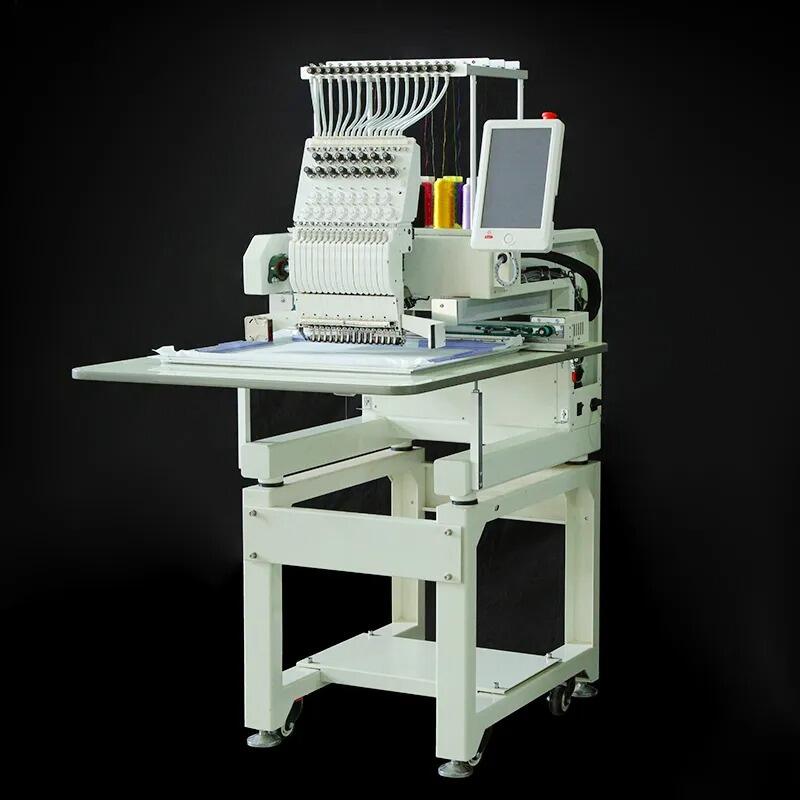
A single head embroidery machine represents a cornerstone technology in modern textile manufacturing and custom decoration industries. These specialized devices have revolutionized how businesses approach embroidered designs, offering precision, efficiency, and versatility that manual embroidery simply cannot match. Whether you're running a small custom apparel shop or managing a large-scale production facility, understanding the optimal applications for these machines is crucial for maximizing your investment and operational success.
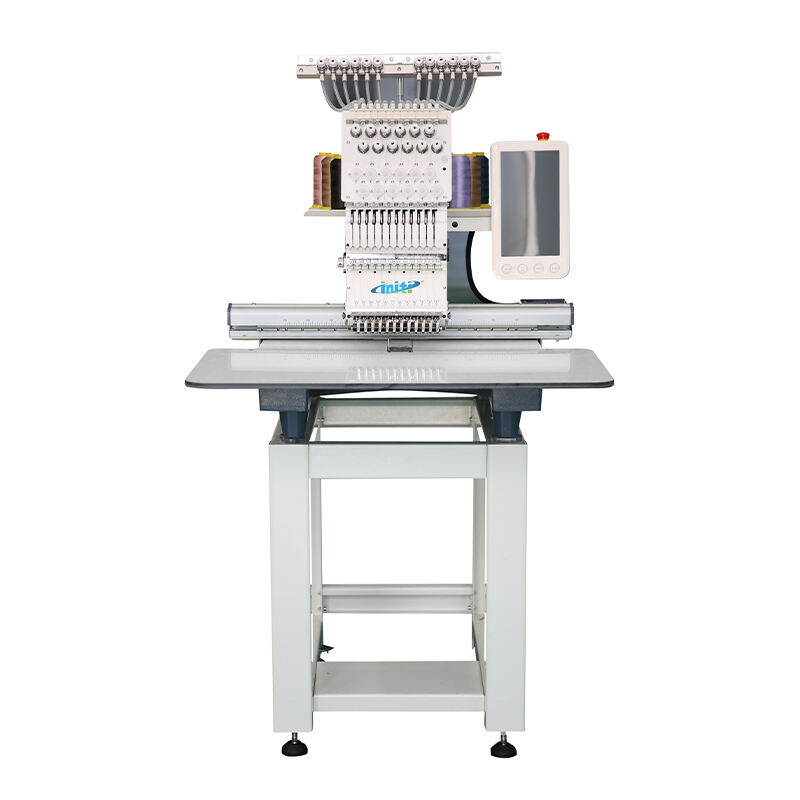
Primary Applications in Commercial Embroidery
Custom Apparel Production
The most prevalent use of a single head embroidery machine lies in custom apparel production, where businesses create personalized clothing items for individual customers or small batches. These machines excel at producing high-quality embroidered logos, names, and decorative elements on t-shirts, polo shirts, jackets, and uniforms. The precision threading system and computerized controls ensure consistent stitch quality across multiple garments, making it ideal for businesses that prioritize both efficiency and professional results.
Professional embroidery shops leverage these machines to handle orders ranging from single custom pieces to medium-volume production runs. The automated threading and tension control features eliminate much of the manual labor traditionally associated with embroidery work, allowing operators to focus on design setup and quality control rather than repetitive manual tasks.
Corporate Branding Solutions
Corporate clients increasingly rely on single head embroidery machine technology for their branding needs, particularly for employee uniforms, promotional merchandise, and corporate gifts. These machines can accurately reproduce complex company logos with multiple colors and intricate details, ensuring brand consistency across all embroidered items. The digital design input capability allows for easy storage and reproduction of corporate branding elements.
Many businesses find that investing in their own embroidery capabilities provides better control over production timelines and quality standards compared to outsourcing these services. This approach particularly benefits companies with ongoing uniform requirements or frequent promotional campaigns that require embroidered merchandise.
Industrial Manufacturing Integration
Textile Production Facilities
Large-scale textile manufacturers integrate single head embroidery machine units into their production lines to add value to basic fabric products. These machines can be synchronized with other manufacturing equipment to create seamless workflows that transform plain textiles into premium embroidered products. The computerized control systems allow for precise coordination with upstream and downstream processes.
Quality control in industrial settings benefits significantly from the consistent performance characteristics of modern embroidery machines. Each machine can maintain identical stitch parameters across thousands of cycles, ensuring that every finished product meets the same exacting standards regardless of production volume or operator changes.
Specialized Product Manufacturing
Beyond traditional apparel, manufacturers use these machines for specialized applications including automotive upholstery, home décor items, and technical textiles. The versatility of a single head embroidery machine allows for adaptation to various fabric weights and materials, from delicate silk to heavy canvas and synthetic materials used in industrial applications.
Medical textile manufacturers particularly value the precision capabilities for creating embroidered identification marks and functional elements on surgical garments and patient care textiles. The sterile-compatible operation modes ensure that embroidered medical textiles meet stringent healthcare industry requirements.
Small Business and Entrepreneurial Applications
Startup Embroidery Businesses
Entrepreneurs entering the custom embroidery market often choose single head embroidery machine options as their initial investment due to the balanced combination of capability and cost-effectiveness. These machines provide sufficient production capacity for building a customer base while maintaining the flexibility to handle diverse order types and sizes. The learning curve for operating modern computerized units is manageable for new business owners.
Small business owners appreciate the scalability that single head embroidery machine technology provides. As order volumes grow, additional machines can be added to increase capacity without requiring complete operational restructuring or staff retraining, since the same skills and procedures apply across similar machine models.
Home-Based Business Operations
The compact footprint and relatively quiet operation of contemporary single head embroidery machine designs make them suitable for home-based business operations. Many successful embroidery businesses have started in residential settings, serving local customers and building reputation through online platforms. The professional results achievable with these machines allow home-based operators to compete effectively with larger commercial operations.
Remote work trends have increased demand for home-based custom embroidery services, as individuals and small businesses seek personalized products without the overhead of traditional retail operations. A single head embroidery machine enables operators to fulfill this market need while maintaining professional quality standards.
Educational and Training Applications
Vocational Training Programs
Educational institutions utilize single head embroidery machine equipment in their vocational training programs to prepare students for careers in textile manufacturing and custom embroidery industries. These machines provide hands-on experience with computerized manufacturing equipment while teaching fundamental principles of design digitization, thread management, and quality control processes.
Training programs benefit from the user-friendly interfaces and safety features incorporated in modern embroidery machines. Students can learn professional techniques without the complexity of managing multiple-head systems, while still gaining experience with industry-standard software and operational procedures.
Research and Development
Research institutions and textile development laboratories employ single head embroidery machine technology for prototype development and experimental work. The precise control capabilities allow researchers to test new thread materials, stitch patterns, and fabric combinations under controlled conditions. Data logging features enable systematic analysis of machine performance and product quality parameters.
Academic research into automated textile production often relies on single head embroidery machine platforms as testbeds for new technologies and control algorithms. The accessibility of these machines for modification and instrumentation makes them valuable tools for advancing embroidery technology and manufacturing processes.
Specialty Applications and Niche Markets
Artistic and Creative Industries
Artists and designers increasingly incorporate single head embroidery machine capabilities into their creative processes, using the technology to produce intricate textile artworks and decorative pieces. The precision control allows for complex artistic expressions that would be extremely time-consuming or impossible to achieve through manual embroidery techniques. Digital design tools enable artists to experiment with patterns and colors before committing to fabric production.
Gallery-quality textile art often requires the consistency and detail precision that only computerized embroidery can provide. Artists can reproduce limited edition works or create series with subtle variations while maintaining overall design integrity across multiple pieces.
Restoration and Conservation Work
Museums and conservation specialists use single head embroidery machine technology for textile restoration projects where original embroidered elements need replacement or repair. The ability to precisely match historical stitch patterns and thread specifications makes these machines valuable tools for preserving cultural artifacts and historical garments.
Conservation work requires extreme precision and the ability to work with delicate or aged materials. Modern single head embroidery machine designs include gentle handling features and adjustable tension systems that accommodate the special requirements of restoration projects without damaging fragile textiles.
FAQ
What production volume is ideal for a single head embroidery machine
Single head embroidery machine units are most cost-effective for small to medium production volumes, typically ranging from individual custom pieces to batches of several hundred items per day. The optimal volume depends on design complexity and fabric type, but these machines generally excel in the 50-500 pieces per day range where the flexibility of single-head operation outweighs the speed advantages of multi-head systems.
How does machine maintenance affect operational efficiency
Regular maintenance of a single head embroidery machine is crucial for maintaining consistent quality and avoiding costly downtime. Daily cleaning, weekly lubrication, and monthly calibration checks typically ensure optimal performance. Most modern machines include diagnostic features that alert operators to maintenance needs before problems affect production quality or machine reliability.
What factors determine thread and needle selection for different projects
Thread and needle selection for single head embroidery machine operations depends on fabric weight, design density, and desired finish quality. Heavier fabrics require stronger needles and may need different thread tensions, while delicate materials need fine needles and careful speed control. The machine's built-in tension adjustment and speed control features accommodate these variations without manual reconfiguration for each job.
Can these machines handle specialty materials beyond standard fabrics
Modern single head embroidery machine designs can accommodate a wide range of materials including leather, vinyl, technical fabrics, and composite materials used in industrial applications. Specialized hooping systems and needle types enable successful embroidery on materials that traditional machines cannot handle effectively, expanding the range of potential applications and market opportunities for machine operators.