

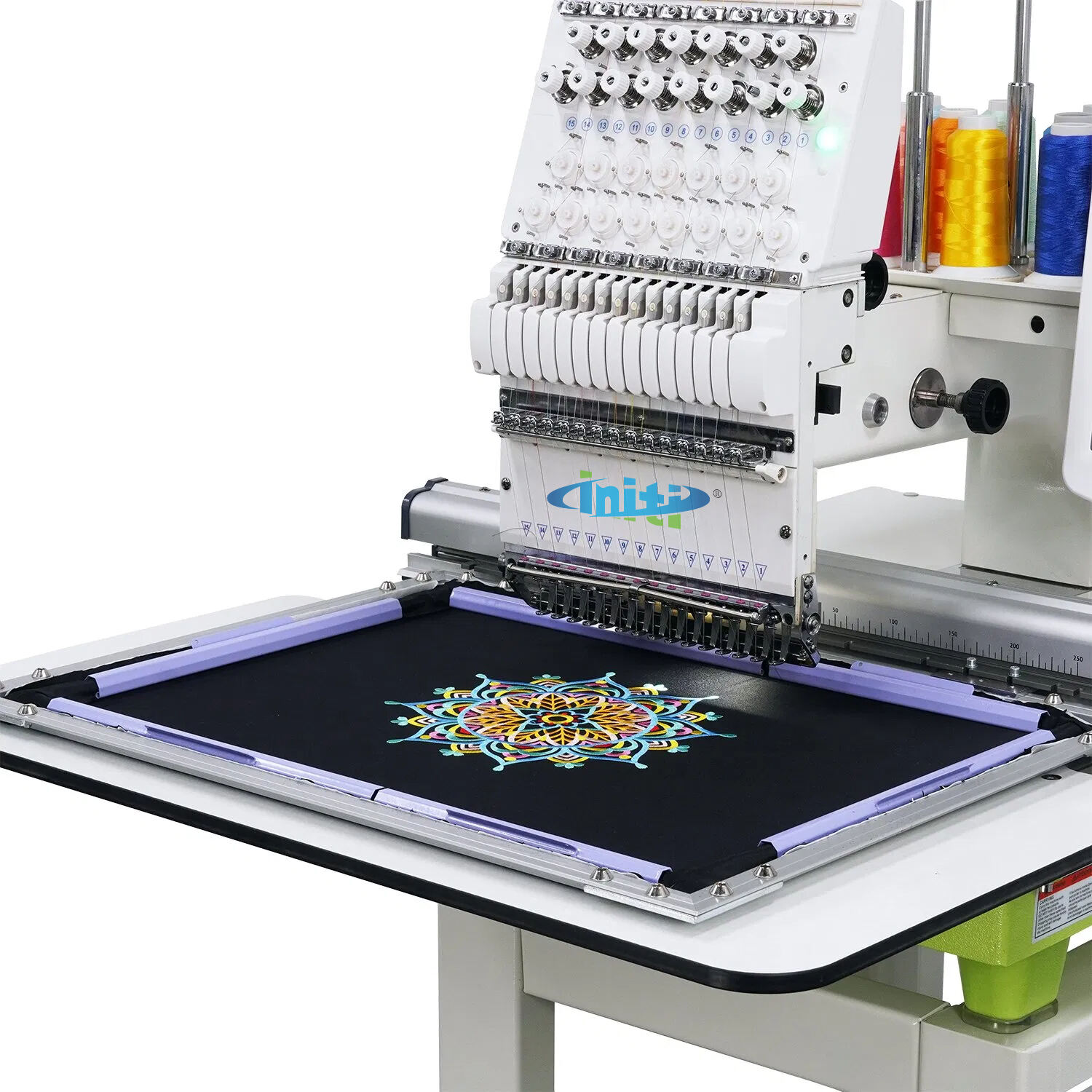
The textile and fashion industry has witnessed tremendous technological advancement in recent years, with computerized embroidery machine technology leading the charge in automation and precision. Modern businesses are increasingly evaluating whether investing in automated embroidery equipment can deliver substantial returns on investment while maintaining competitive advantages in today's fast-paced market. Understanding the capabilities, benefits, and long-term value proposition of computerized embroidery systems becomes crucial for making informed purchasing decisions.
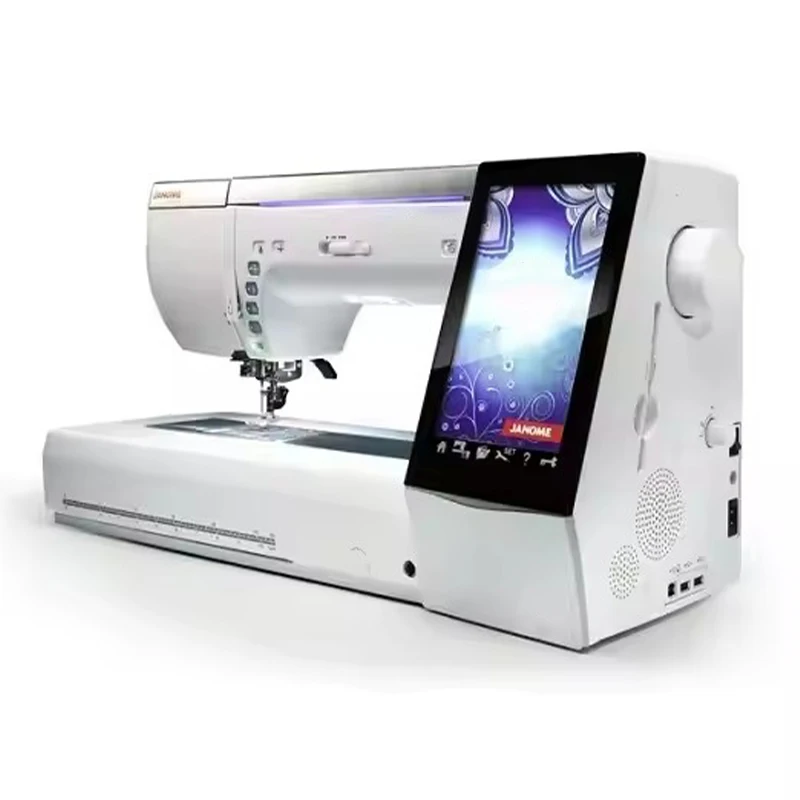
Professional embroidery operations require sophisticated machinery that can handle complex designs with consistent quality and minimal manual intervention. The transition from traditional manual embroidery methods to computerized systems represents a significant paradigm shift that affects production capacity, design flexibility, and overall operational efficiency. Evaluating the investment potential of these advanced machines involves analyzing multiple factors including initial costs, operational savings, market positioning, and scalability opportunities.
Understanding Computerized Embroidery Technology
Core Components and Functionality
Modern computerized embroidery machine systems integrate sophisticated software controls with precision mechanical components to deliver exceptional stitching accuracy and design complexity. These machines utilize digital pattern files that control needle movement, thread selection, and stitching sequences automatically, eliminating the guesswork associated with manual embroidery processes. The integration of servo motors, encoder systems, and advanced threading mechanisms ensures consistent stitch quality across extended production runs.
The electronic control systems in contemporary computerized embroidery machine models feature user-friendly interfaces that allow operators to load designs, adjust parameters, and monitor production progress in real-time. Advanced models incorporate touchscreen displays, USB connectivity, and wireless communication capabilities that streamline workflow management and design transfer processes. These technological enhancements significantly reduce setup times and minimize operator training requirements compared to traditional embroidery methods.
Design Capabilities and Software Integration
Professional computerized embroidery machine systems support extensive design libraries and custom pattern creation through specialized digitizing software. Users can import vector graphics, photographs, and text elements to create intricate embroidery designs with multiple thread colors, varying stitch densities, and complex geometric patterns. The software capabilities enable automatic color changes, precise registration alignment, and intelligent pathing algorithms that optimize production efficiency.
Advanced digitizing features allow operators to convert artwork into embroidery-ready formats while maintaining design integrity and visual appeal. Modern systems support various file formats including DST, PES, JEF, and EXP, ensuring compatibility with industry-standard design software and client specifications. The ability to edit, resize, and modify designs directly on the machine interface provides operational flexibility that traditional embroidery methods cannot match.
Production Efficiency and Scalability Benefits
Automated Operation Advantages
Implementing computerized embroidery machine technology dramatically increases production throughput while maintaining consistent quality standards throughout extended manufacturing runs. Automated thread cutting, color changes, and pattern positioning eliminate manual interventions that typically slow down traditional embroidery processes. These efficiency gains translate directly into higher daily output volumes and improved delivery schedules for time-sensitive projects.
The precision control systems inherent in computerized embroidery machine designs minimize material waste and reduce rework requirements associated with human error. Automated tension control, consistent stitch formation, and precise fabric handling ensure uniform results across all production items. This reliability enables businesses to confidently accept larger orders and maintain quality commitments without extensive quality control oversight.
Labor Cost Optimization
Computerized embroidery machine operations require significantly fewer skilled operators compared to manual embroidery processes, resulting in substantial labor cost savings over time. A single operator can manage multiple machines simultaneously, maximizing workforce productivity and reducing per-unit labor expenses. The simplified operation procedures enable businesses to train staff more quickly and reduce dependency on specialized craftspeople.
The reduced skill requirements for operating modern computerized embroidery machine systems allow businesses to maintain production continuity with broader talent pools. This flexibility proves particularly valuable in tight labor markets where skilled embroidery artisans command premium wages. Additionally, automated operation reduces worker fatigue and repetitive strain injuries associated with manual embroidery work.
Quality Consistency and Design Precision
Stitch Quality and Repeatability
Advanced computerized embroidery machine systems deliver unparalleled stitch consistency that exceeds human capabilities in terms of tension control, spacing accuracy, and thread placement precision. The electronic control mechanisms maintain optimal operating parameters throughout production runs, ensuring that the first item matches the last item exactly. This consistency becomes crucial for large orders where quality variations can result in customer dissatisfaction and costly rework.
The precision mechanics and closed-loop control systems in professional computerized embroidery machine designs minimize variables that traditionally affect embroidery quality. Consistent fabric advancement, accurate needle positioning, and controlled thread delivery eliminate common quality issues such as puckering, thread breaks, and irregular stitch formation. These improvements directly impact customer satisfaction and brand reputation in competitive markets.
Complex Design Execution
Modern computerized embroidery machine technology enables the creation of intricate designs that would be extremely difficult or impossible to achieve through manual methods. Multi-color gradients, fine detail work, and precise registration of design elements become routine production capabilities rather than specialized artistic achievements. This expanded design capability allows businesses to accept more challenging projects and command premium pricing for complex work.
The digital precision inherent in computerized embroidery machine operations ensures that design specifications are met exactly, regardless of production volume or operator experience. Complex logos, detailed artwork, and multi-layered designs maintain perfect alignment and proportional accuracy across all production items. This capability opens new market segments and enables businesses to pursue high-value contracts that require exceptional design fidelity.
Financial Analysis and Return on Investment
Initial Investment Considerations
The upfront cost of professional computerized embroidery machine systems represents a significant capital investment that requires careful financial planning and justification. However, the total cost of ownership analysis typically reveals favorable payback periods when factoring in labor savings, increased productivity, and expanded market opportunities. Businesses must evaluate their current production volumes, growth projections, and competitive positioning when assessing investment viability.
Financing options and lease agreements can help businesses access advanced computerized embroidery machine technology without substantial upfront capital requirements. Many manufacturers offer flexible payment terms, trade-in programs, and service packages that reduce financial barriers to adoption. The key lies in accurately projecting revenue increases and cost savings to ensure positive cash flow during the payback period.
Operational Cost Benefits
Long-term operational savings from computerized embroidery machine implementation often exceed initial investment costs through reduced labor expenses, minimized material waste, and decreased rework requirements. Automated operations consume less electricity per unit produced compared to traditional methods when factoring in reduced production time and facility overhead costs. Additionally, predictable maintenance schedules and longer equipment lifespan provide better cost predictability for business planning purposes.
The ability to accept larger orders and charge premium pricing for complex designs directly impacts revenue generation potential with computerized embroidery machine systems. Faster turnaround times enable businesses to serve more customers and capture time-sensitive opportunities that manual processes cannot accommodate. These revenue enhancements often justify investment costs more quickly than operational savings alone.
Market Positioning and Competitive Advantages
Service Capability Expansion
Investing in computerized embroidery machine technology enables businesses to offer comprehensive services that differentiate them from competitors using traditional methods. The ability to handle rush orders, complex designs, and large production volumes positions companies as full-service providers capable of meeting diverse customer requirements. This expanded capability often translates into customer loyalty and repeat business relationships.
Advanced computerized embroidery machine systems allow businesses to pursue new market segments including corporate branding, promotional products, and fashion accessories that require consistent quality and quick turnaround times. The professional results achievable with automated systems open doors to partnerships with larger clients who demand reliability and scalability. These market expansion opportunities often provide the strongest justification for equipment investment.
Technology Leadership Benefits
Early adoption of computerized embroidery machine technology establishes businesses as industry leaders and innovation pioneers in their local markets. This positioning attracts quality-conscious customers willing to pay premium prices for superior results and reliable service. The marketing advantages of advanced technology adoption often generate additional business beyond the direct operational benefits of the equipment itself.
Staying current with computerized embroidery machine advancements ensures long-term competitiveness as industry standards continue evolving toward automation and digitization. Businesses that delay technology adoption risk losing market share to competitors who can offer better quality, faster delivery, and more competitive pricing through operational efficiency gains. The strategic value of maintaining technological leadership often exceeds the immediate financial benefits of new equipment.
FAQ
What is the typical payback period for a computerized embroidery machine investment
Most businesses experience payback periods between 12 to 36 months depending on production volume, labor costs, and pricing strategies. High-volume operations with multiple shifts can achieve faster payback through maximized equipment utilization and reduced per-unit costs. The key factors include current manual production costs, expected productivity gains, and ability to capture additional business through improved capabilities.
How does maintenance complexity compare between computerized and manual embroidery systems
Modern computerized embroidery machine designs actually require less maintenance than traditional mechanical systems due to reduced wear components and automated lubrication systems. Preventive maintenance schedules are more predictable, and diagnostic capabilities help identify issues before they cause production disruptions. However, repairs may require specialized technicians and genuine parts, which should be factored into operational planning.
Can small businesses justify the investment in computerized embroidery technology
Small businesses can absolutely benefit from computerized embroidery machine investment, particularly when focusing on niche markets or specialized services that command premium pricing. Entry-level systems provide significant capability improvements over manual methods without requiring massive capital investments. The key is matching machine capabilities to business goals and growth projections rather than over-investing in unused capacity.
What training requirements are necessary for operating computerized embroidery machines
Most computerized embroidery machine systems require only basic computer skills and can be learned by operators within days or weeks rather than the months or years required for manual embroidery mastery. Manufacturers typically provide comprehensive training programs, and ongoing support ensures operators can quickly resolve common issues. The simplified operation procedures make it easier to cross-train staff and maintain production continuity during personnel changes.
Table of Contents
- Understanding Computerized Embroidery Technology
- Production Efficiency and Scalability Benefits
- Quality Consistency and Design Precision
- Financial Analysis and Return on Investment
- Market Positioning and Competitive Advantages
-
FAQ
- What is the typical payback period for a computerized embroidery machine investment
- How does maintenance complexity compare between computerized and manual embroidery systems
- Can small businesses justify the investment in computerized embroidery technology
- What training requirements are necessary for operating computerized embroidery machines