

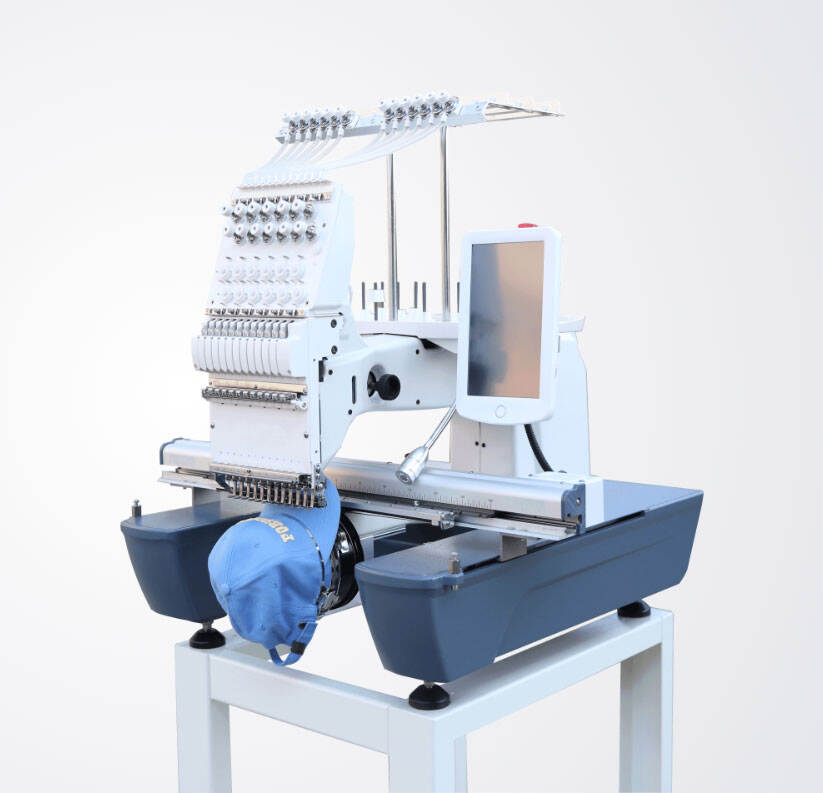
In the world of commercial embroidery, businesses often face the crucial decision of choosing between single head and multi-head equipment. A single head embroidery machine represents a perfect entry point for many businesses looking to establish their embroidery operations without massive capital investment. These versatile machines have evolved significantly, incorporating advanced digital technology that enables them to handle increasingly complex logo designs with remarkable precision and efficiency.
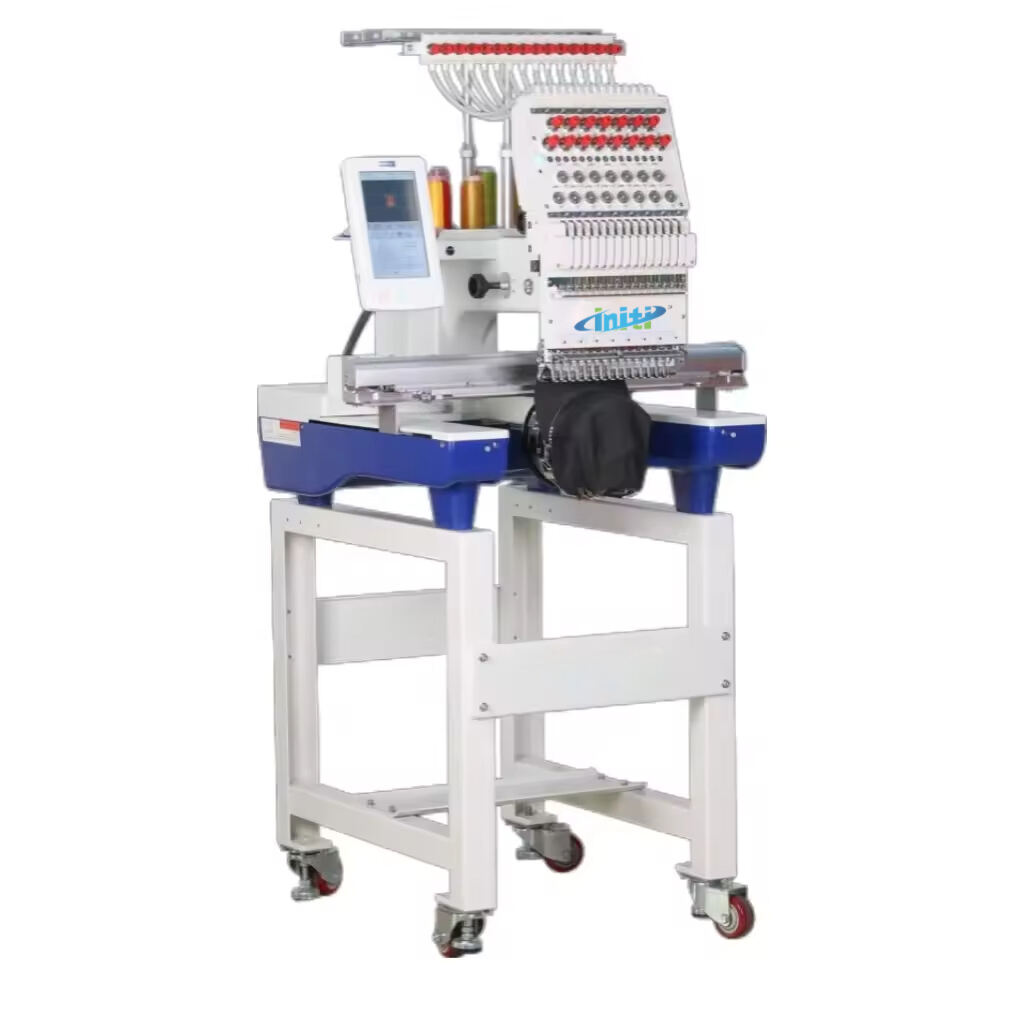
Modern embroidery technology has transformed what was once considered impossible for single head equipment. Today's computerized systems deliver professional-grade results that rival multi-head alternatives for specific applications. The question isn't whether these machines can handle complex logos, but rather understanding their capabilities, limitations, and optimal use cases in various business scenarios.
The embroidery industry has witnessed tremendous technological advancement over the past decade. Digital control systems, precision servo motors, and sophisticated software have elevated single head machines from simple hobby tools to professional-grade equipment capable of producing intricate commercial work. This evolution has made complex logo embroidery accessible to smaller businesses and startups that previously couldn't afford industrial-grade multi-head systems.
Understanding Complex Logo Embroidery Requirements
Design Complexity and Stitch Count Considerations
Complex logos typically feature multiple elements including fine text, gradients, overlapping colors, and intricate patterns that demand precise stitch placement. A single head embroidery machine must accommodate varying stitch densities, from delicate 40-weight threads for fine details to heavier threads for bold elements. The machine's ability to maintain consistent tension across different thread weights directly impacts the final quality of complex designs.
Stitch count becomes a critical factor when evaluating whether a single head embroidery machine can handle specific logo designs. Simple logos may require 3,000 to 5,000 stitches, while complex designs often exceed 15,000 stitches or more. Modern single head systems typically handle high stitch counts efficiently, though production time increases proportionally with design complexity. Understanding these parameters helps businesses make informed decisions about equipment capabilities.
Color Registration and Thread Management
Professional logo embroidery demands precise color registration, ensuring each thread color aligns perfectly with adjacent elements. Advanced single head embroidery machine models incorporate automatic thread cutting, color change notifications, and tension control systems that maintain consistency throughout complex multi-color designs. These features are essential for achieving the professional finish that complex logos require.
Thread management becomes increasingly important as logo complexity increases. Quality single head systems accommodate multiple thread types simultaneously, from standard polyester and rayon threads to specialty metallic and variegated options. The machine's ability to handle thread transitions smoothly without breaking or creating tension issues directly affects the success of complex logo projects.
Technical Capabilities of Modern Single Head Systems
Needle Configuration and Versatility
Contemporary single head embroidery machine models often feature 15-needle configurations that significantly expand their capability range. This needle count allows for complex color schemes without frequent thread changes, reducing production time and maintaining consistent quality throughout the embroidery process. The 15-needle setup proves particularly effective for logos requiring multiple color gradations or detailed shading effects.
Multi-needle configurations enable seamless transitions between colors and specialized thread types within a single embroidery session. This capability proves essential when working with complex corporate logos that incorporate brand-specific color schemes or require metallic accent threads. The versatility of modern needle systems allows operators to pre-load all necessary threads, minimizing interruptions and potential registration errors.
Speed and Precision Balance
High-speed operation capabilities of modern single head embroidery machine units typically range from 800 to 1,200 stitches per minute, depending on the complexity and density of the design being embroidered. While speed is important for productivity, precision remains paramount when creating complex logos. Advanced machines incorporate variable speed controls that automatically adjust based on design requirements, slowing for intricate details and accelerating through larger fill areas.
Precision servo motors and digital control systems ensure accurate stitch placement even at higher speeds. This technology prevents the common issues of design distortion or misalignment that can occur when machines operate beyond their optimal parameters. The balance between speed and precision makes modern equipment suitable for both high-volume production and detailed custom work.
Software Integration and Design Compatibility
Digital File Format Support
Professional embroidery software compatibility expands the creative possibilities of any single head embroidery machine significantly. Most modern systems support industry-standard formats including DST, PES, and EMB files, ensuring compatibility with popular digitizing software packages. This flexibility allows businesses to work with designs created in various programs or received from different sources.
Advanced machines often include built-in editing capabilities, allowing operators to modify designs directly on the machine interface. These features prove particularly valuable when working with complex logos that require minor adjustments for optimal embroidery results. The ability to scale, rotate, or adjust stitch parameters without returning to digitizing software streamlines the production process considerably.
Automatic Functions and User Interface
Modern user interfaces on quality single head systems incorporate touchscreen controls, design preview capabilities, and automated functions that simplify complex embroidery operations. These interfaces display stitch progress, remaining time estimates, and color change notifications that help operators manage complex projects efficiently. Automatic thread trimming and jump stitch removal further enhance the professional finish of completed logos.
Automated hoop positioning and design centering features eliminate much of the manual adjustment traditionally required for precise logo placement. These capabilities prove especially valuable when embroidering complex designs on various garment types or promotional items where consistent positioning is crucial for professional results.
Production Efficiency and Business Applications
Volume Considerations and Turnaround Times
While a single head embroidery machine excels at handling complex logos, production volume expectations must align with equipment capabilities. These machines typically produce 20-40 complex embroidered pieces per hour, depending on design intricacy and operator efficiency. This output level suits many small to medium-sized businesses perfectly, especially those focusing on custom or specialized embroidery services.
Turnaround time calculations must factor in design complexity, setup requirements, and quality control processes. Complex logos often require additional setup time for thread loading, tension adjustments, and test runs to ensure optimal results. However, the flexibility and precision of modern single head systems often compensate for lower production volumes through superior quality and reduced waste.
Cost Effectiveness and ROI Analysis
The investment in a quality single head embroidery machine typically ranges from moderate to substantial, depending on features and capabilities. However, the ability to produce complex, professional-quality logos in-house often provides rapid return on investment for businesses that previously outsourced embroidery work. Lower overhead costs compared to multi-head systems make single head equipment an attractive option for many business models.
Operating costs remain relatively low due to reduced maintenance requirements and lower power consumption compared to larger industrial systems. Thread waste decreases significantly with modern automatic cutting and trimming features, while the precision of current technology minimizes rejected pieces and rework requirements. These factors contribute to favorable long-term economics for businesses utilizing single head systems for complex embroidery work.
Limitations and Workaround Solutions
Production Volume Constraints
The primary limitation of any single head embroidery machine lies in production volume capabilities. Large orders requiring hundreds or thousands of identical complex logos may exceed the practical capacity of single head systems within reasonable timeframes. Businesses must carefully evaluate their typical order sizes and delivery requirements when considering equipment options for complex logo work.
Strategic scheduling and workflow optimization can help maximize single head productivity. Batching similar designs, pre-loading threads for multiple projects, and utilizing automated features effectively can significantly improve throughput. Some businesses successfully operate multiple single head units to achieve higher production volumes while maintaining the flexibility advantages of single head systems.
Multi-Color Design Challenges
Complex logos with extensive color requirements may push single head systems to their operational limits. While 15-needle configurations handle most commercial logos effectively, designs requiring 20 or more colors may necessitate mid-project thread changes that increase production time and complexity. Planning and color optimization during the digitizing phase can minimize these challenges.
Color matching and thread inventory management become more critical with complex multi-color logos. Maintaining adequate thread supplies in all required colors ensures uninterrupted production, while proper color matching prevents costly reprints due to color variations. Professional thread charts and lighting systems help ensure consistent results across different production runs.
Quality Control and Professional Results
Precision Standards and Consistency
Achieving professional results with complex logos on a single head embroidery machine requires adherence to strict quality control standards. Regular calibration of tension settings, needle condition monitoring, and hooping consistency directly impact final embroidery quality. These factors become increasingly important as design complexity increases and tolerance for imperfections decreases.
Consistent results across multiple pieces demand systematic approaches to setup and operation procedures. Documenting successful settings for specific logo designs, maintaining detailed production logs, and implementing standardized quality checkpoints help ensure repeatability in complex embroidery projects. This systematic approach proves essential for maintaining professional standards in commercial applications.
Finishing and Presentation Standards
Professional finishing techniques significantly enhance the appearance of complex embroidered logos. Modern single head embroidery machine systems incorporate features like automatic jump stitch trimming and precise thread cutting that reduce manual finishing requirements. However, proper pressing, backing removal, and final inspection remain crucial steps in achieving professional presentation standards.
Understanding appropriate backing materials, stabilizer selection, and hooping techniques becomes critical when working with complex designs. Different logo elements may require varying stabilization approaches within the same design, demanding expertise and attention to detail from operators. Proper technique in these areas often distinguishes professional results from amateur work.
FAQ
What is the maximum stitch count a single head embroidery machine can handle effectively
Most modern single head embroidery machine models can handle designs with stitch counts exceeding 100,000 stitches, though practical considerations such as production time and thread tension stability typically limit commercial applications to designs under 50,000 stitches. Complex logos usually fall well within this range, making stitch count limitations rarely problematic for typical commercial applications.
How long does it take to embroider a complex logo on a single head machine
Embroidery time for complex logos typically ranges from 15 to 45 minutes per piece, depending on stitch count, color changes, and design density. A logo with 15,000 stitches might require 20-25 minutes on a single head embroidery machine operating at 1,000 stitches per minute, including time for automatic color changes and thread trimming functions.
Can single head machines match the quality of multi-head systems for complex work
Quality differences between single head and multi-head embroidery systems primarily relate to production speed rather than embroidery precision. A well-maintained single head embroidery machine with proper setup and operation can achieve identical quality levels to multi-head systems for individual pieces. The precision and consistency depend more on machine quality, operator skill, and proper maintenance than head configuration.
What thread types work best for complex logo embroidery on single head machines
High-quality polyester and rayon threads provide optimal results for complex logo embroidery on single head systems. Polyester threads offer durability and colorfastness, while rayon provides superior sheen and color vibrancy. Thread weight selection typically ranges from 40-weight for fine details to 30-weight for bold elements, with consistent brand and quality being more important than specific thread type for achieving professional results.
Table of Contents
- Understanding Complex Logo Embroidery Requirements
- Technical Capabilities of Modern Single Head Systems
- Software Integration and Design Compatibility
- Production Efficiency and Business Applications
- Limitations and Workaround Solutions
- Quality Control and Professional Results
-
FAQ
- What is the maximum stitch count a single head embroidery machine can handle effectively
- How long does it take to embroider a complex logo on a single head machine
- Can single head machines match the quality of multi-head systems for complex work
- What thread types work best for complex logo embroidery on single head machines