

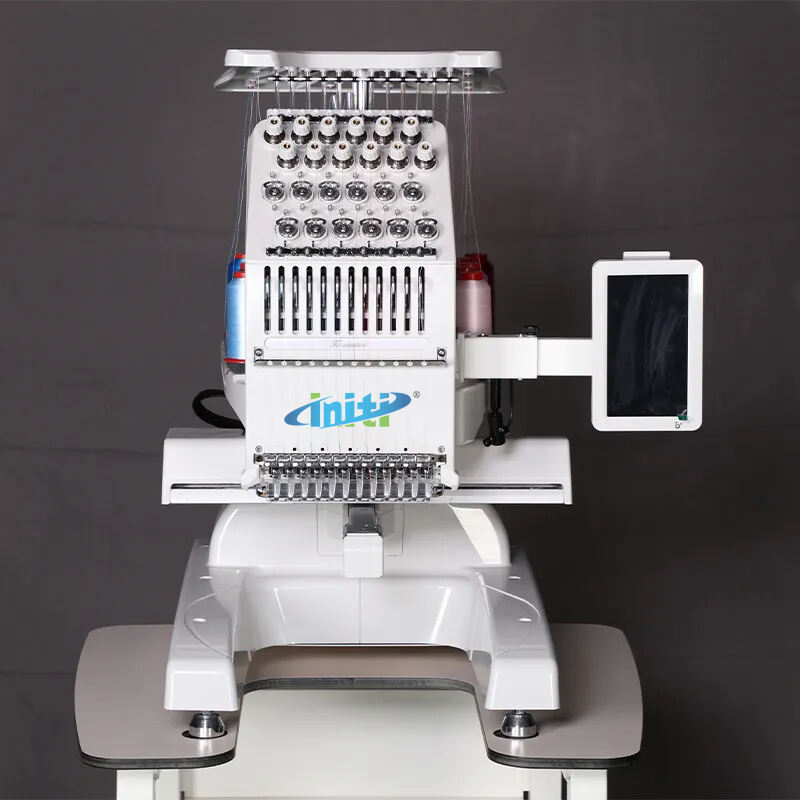
The embroidery industry has experienced tremendous growth over the past decade, with businesses of all sizes seeking efficient and reliable equipment to meet growing demand. For entrepreneurs and established manufacturers looking to enter or expand in this market, understanding the factors that influence pricing is crucial when investing in a single head embroidery machine. These sophisticated pieces of equipment represent a significant capital investment, and their cost varies considerably based on numerous technical and commercial factors that directly impact performance, durability, and operational efficiency.
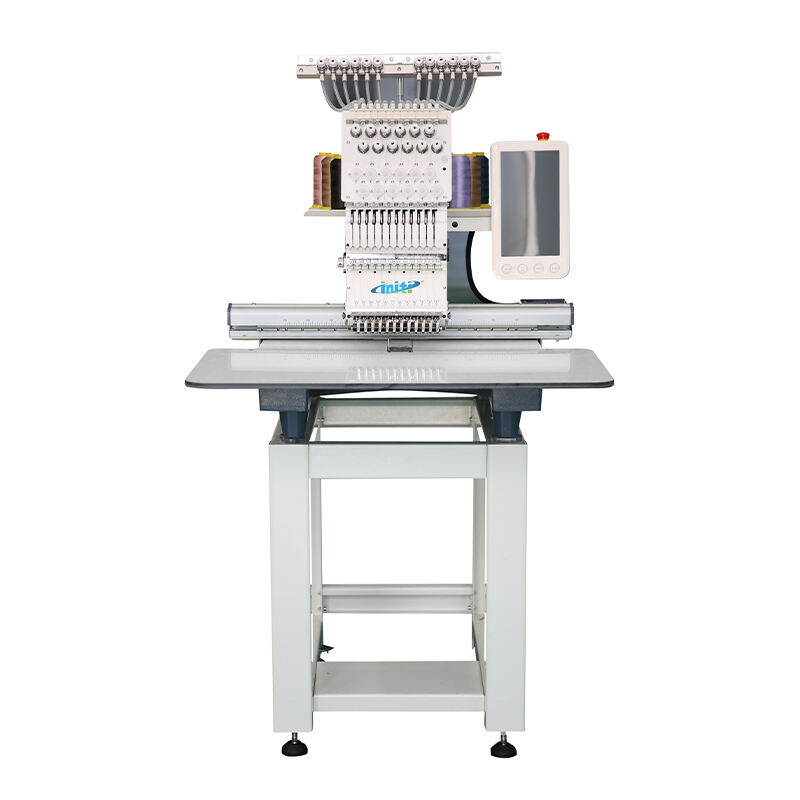
Manufacturing quality, technological sophistication, and brand reputation all play decisive roles in determining the final price point of embroidery equipment. Additionally, market dynamics, production volumes, and geographic factors contribute to the complex pricing structure that manufacturers and distributors use when setting retail prices. By examining these key determinants, potential buyers can make informed decisions that align with their budget constraints, production requirements, and long-term business objectives.
Manufacturing Quality and Construction Standards
Frame and Structural Components
The foundation of any single head embroidery machine begins with its frame construction and structural integrity. High-quality machines typically feature robust steel or aluminum frames that provide stability during high-speed operation and minimize vibration that could affect stitch quality. Premium manufacturers invest in precision-engineered components that undergo rigorous testing to ensure consistent performance over thousands of operating hours. The materials used in frame construction directly correlate with the machine's longevity and ability to maintain accuracy during intensive production cycles.
Advanced manufacturing processes, including computer-controlled machining and quality assurance protocols, add significant value to the final product but also increase production costs. Manufacturers who implement stringent quality control measures throughout their production process typically command higher prices due to the reduced likelihood of defects and improved reliability. These quality standards often translate into extended warranty periods and lower maintenance costs for end users.
Precision Engineering and Tolerances
The precision with which internal components are manufactured and assembled has a profound impact on both performance and pricing. A well-engineered single head embroidery machine requires extremely tight tolerances in its moving parts to achieve consistent stitch placement and maintain registration across complex designs. This level of precision demands specialized manufacturing equipment and skilled technicians, both of which contribute to higher production costs.
Components such as servo motors, drive systems, and needle positioning mechanisms must work in perfect harmony to deliver professional-quality results. Manufacturers who invest in premium bearings, guides, and motion control systems can justify higher pricing due to the superior performance and reduced maintenance requirements these components provide. The cumulative effect of using high-grade materials throughout the machine results in equipment that operates more quietly, requires less frequent calibration, and produces more consistent results.
Technology Integration and Automation Features
Computer Control Systems
Modern embroidery machines incorporate sophisticated computer control systems that manage everything from stitch sequencing to thread tension optimization. The complexity and capabilities of these control systems significantly influence the overall price of a single head embroidery machine. Entry-level machines may feature basic computerized controls that handle fundamental operations, while premium models include advanced processors capable of real-time adjustments and predictive maintenance diagnostics.
The software that drives these control systems represents years of development and continuous refinement by engineering teams. Machines equipped with intuitive user interfaces, extensive design libraries, and connectivity options for network integration command higher prices due to the research and development investment required to create these features. Additionally, the ability to interface with popular embroidery design software and accept various file formats adds value that justifies premium pricing.
Automation and Efficiency Enhancements
Automation features such as automatic thread cutting, color changing capabilities, and bobbin monitoring systems contribute significantly to the price differential between basic and advanced models. These technologies reduce operator intervention, increase production efficiency, and minimize material waste, making them attractive to commercial embroiderers despite the higher initial investment. The complexity of implementing these automated functions requires sophisticated sensors, actuators, and control algorithms that add to manufacturing costs.
Advanced models may include features like automatic hoop positioning, pattern centering, and even AI-powered quality monitoring systems that detect and correct potential issues before they affect the final product. These cutting-edge technologies represent the latest innovations in embroidery machine design and command premium prices due to their development costs and the competitive advantages they provide to users.
Brand Reputation and Market Positioning
Established Brand Premium
Brand reputation plays a crucial role in pricing strategies across the embroidery machine industry. Well-established manufacturers with decades of experience and proven track records can command premium prices based on their reputation for quality, reliability, and customer support. These companies have invested heavily in building their brand equity through consistent product performance, comprehensive service networks, and ongoing innovation.
The value proposition of established brands extends beyond the physical machine to include factors such as resale value, parts availability, and technical support quality. Buyers often pay higher prices for single head embroidery machine models from recognized manufacturers because they understand that this investment provides greater security and lower long-term operational risks. The brand premium reflects not only current product quality but also the manufacturer's commitment to ongoing support and development.
Market Positioning and Target Segments
Manufacturers strategically position their products within specific market segments, which directly influences pricing structures. Entry-level machines targeting hobbyists and small businesses are priced to maximize accessibility while maintaining profitability. Mid-range models aimed at commercial embroidery shops balance features with cost-effectiveness, while high-end industrial machines focus on maximum performance and durability regardless of price considerations.
This segmentation strategy allows manufacturers to optimize their pricing for different customer needs and purchasing power. A single head embroidery machine designed for industrial applications will incorporate features and quality standards that justify significantly higher prices than consumer-oriented models, even though the basic functionality may be similar.
Production Volume and Manufacturing Economics
Scale of Production Impact
The volume at which manufacturers produce their embroidery machines has a direct impact on unit costs and, consequently, retail pricing. Large-scale production allows for economies of scale in purchasing components, tooling amortization, and labor efficiency. Manufacturers who produce thousands of units annually can negotiate better pricing with suppliers and spread fixed costs across a larger production base, enabling more competitive pricing.
Conversely, specialized manufacturers who focus on low-volume, high-end products may have higher unit costs due to limited production runs and specialized manufacturing processes. These companies often target niche markets where customers are willing to pay premium prices for unique features or exceptional quality that mass-produced machines cannot provide.
Supply Chain and Component Sourcing
The global nature of component sourcing affects pricing through various mechanisms including transportation costs, currency fluctuations, and supply chain complexity. Manufacturers who source components from multiple countries must navigate international trade regulations, quality control challenges, and logistics costs that ultimately impact the final price of their single head embroidery machine products.
Strategic partnerships with component suppliers can provide cost advantages through volume discounts, exclusive access to advanced technologies, or preferential pricing arrangements. Companies that invest in developing strong supplier relationships often achieve better cost structures that allow for more competitive pricing while maintaining quality standards.
Market Dynamics and Competitive Factors
Industry Competition and Pricing Pressure
The competitive landscape within the embroidery machine industry creates constant pressure on manufacturers to balance pricing with profitability. Intense competition from both established players and emerging manufacturers forces companies to carefully evaluate their pricing strategies to maintain market share while preserving margins. This dynamic environment results in continuous innovation and efficiency improvements as manufacturers seek competitive advantages.
Market saturation in certain segments can lead to price compression as manufacturers compete for limited customers. Conversely, emerging markets or specialized applications may support premium pricing due to limited competition and high demand. Understanding these market dynamics helps explain why identical or similar machines may have different pricing in various geographic regions or market segments.
Economic Factors and Currency Considerations
Broader economic conditions influence both manufacturing costs and customer purchasing power, creating complex pricing dynamics. Inflation affects raw material costs, labor expenses, and transportation fees, all of which are passed through to end customers. Currency fluctuations can significantly impact pricing for internationally traded equipment, particularly when manufacturers source components globally but sell in local currencies.
Economic uncertainty can lead to reduced capital equipment purchases, forcing manufacturers to adjust pricing strategies to maintain sales volumes. During economic downturns, customers may defer purchases or seek lower-cost alternatives, while economic growth periods often support premium pricing for advanced features and capabilities in single head embroidery machine offerings.
Technology Development and Innovation Costs
Research and Development Investment
The substantial investment required for ongoing research and development significantly influences pricing strategies across the embroidery machine industry. Manufacturers must continuously innovate to remain competitive, investing in new technologies, improved materials, and enhanced manufacturing processes. These development costs must be recovered through product pricing over the commercial lifecycle of each machine design.
Advanced features such as improved thread handling systems, enhanced software capabilities, and integration with modern manufacturing technologies require extensive development efforts by skilled engineering teams. The amortization of these development costs across expected sales volumes directly impacts the pricing of new single head embroidery machine models, particularly those incorporating cutting-edge technologies.
Intellectual Property and Patent Considerations
Proprietary technologies and patented innovations command premium pricing due to the exclusive advantages they provide and the development investment they represent. Manufacturers who develop unique solutions for common industry challenges can justify higher prices through the superior performance or operational benefits their innovations deliver. Patent protection allows these companies to recoup their research investments without immediate competitive pressure.
Licensing arrangements for critical technologies can also impact pricing when manufacturers must pay royalties for essential patents held by other companies. These costs are typically passed through to customers in the form of higher product prices, particularly for machines that incorporate multiple licensed technologies.
Service and Support Infrastructure
Technical Support and Training Programs
Comprehensive technical support and training programs represent significant ongoing costs for manufacturers but add substantial value for customers investing in embroidery equipment. Companies that provide extensive customer support, including installation services, operator training, and ongoing technical assistance, must factor these costs into their pricing structures. The quality and availability of support services often justify premium pricing for customers who value minimal downtime and rapid problem resolution.
Advanced training programs that help customers maximize the capabilities of their single head embroidery machine investment require skilled trainers, comprehensive documentation, and ongoing curriculum development. These programs create additional value but also represent costs that must be recovered through product pricing or separate service fees.
Parts Availability and Maintenance Support
The commitment to long-term parts availability and maintenance support influences both customer purchasing decisions and manufacturer pricing strategies. Companies that guarantee parts availability for extended periods must maintain inventory investments and supply chain relationships that add to their operational costs. This commitment to long-term support often justifies higher initial equipment pricing but provides customers with confidence in their investment protection.
Preventive maintenance programs and predictive service offerings require sophisticated diagnostic capabilities and trained service personnel. These value-added services help customers minimize downtime and optimize performance but require significant infrastructure investments that influence overall pricing strategies for embroidery equipment.
FAQ
What is the typical price range for a single head embroidery machine
The price range for single head embroidery machines varies significantly based on features, quality, and intended use. Entry-level machines suitable for small businesses or hobbyists typically range from $3,000 to $8,000, while commercial-grade models designed for professional embroidery shops generally fall between $8,000 and $25,000. Industrial machines with advanced automation and high-speed capabilities can exceed $30,000, reflecting their sophisticated engineering and production capabilities.
How do maintenance costs affect the total cost of ownership
Maintenance costs represent a significant portion of the total cost of ownership for embroidery equipment and should be carefully considered when evaluating purchase decisions. Well-engineered machines from reputable manufacturers typically require less frequent maintenance and have more predictable service costs. Annual maintenance expenses generally range from 5% to 15% of the initial purchase price, depending on usage intensity and machine quality. Investing in higher-quality equipment often results in lower long-term maintenance costs despite higher initial pricing.
What financing options are available for embroidery machine purchases
Most manufacturers and dealers offer various financing options to help customers manage the capital investment required for embroidery equipment. Common financing arrangements include traditional bank loans, equipment leasing programs, and manufacturer-sponsored financing with competitive interest rates. Some suppliers also offer rent-to-own programs or lease-purchase agreements that allow customers to eventually own the equipment while spreading payments over several years. These financing options make high-quality single head embroidery machine models accessible to businesses that might not have the full purchase price available immediately.
How does machine speed affect pricing and productivity
Machine speed, typically measured in stitches per minute, has a direct correlation with both pricing and productivity potential. Higher-speed machines command premium prices due to their advanced motor systems, precision engineering, and enhanced control systems required to maintain quality at elevated operating speeds. While faster machines cost more initially, they can significantly improve productivity and reduce per-piece production costs in commercial applications. The optimal balance between speed and cost depends on specific production requirements and volume expectations for each business situation.
Table of Contents
- Manufacturing Quality and Construction Standards
- Technology Integration and Automation Features
- Brand Reputation and Market Positioning
- Production Volume and Manufacturing Economics
- Market Dynamics and Competitive Factors
- Technology Development and Innovation Costs
- Service and Support Infrastructure
- FAQ