

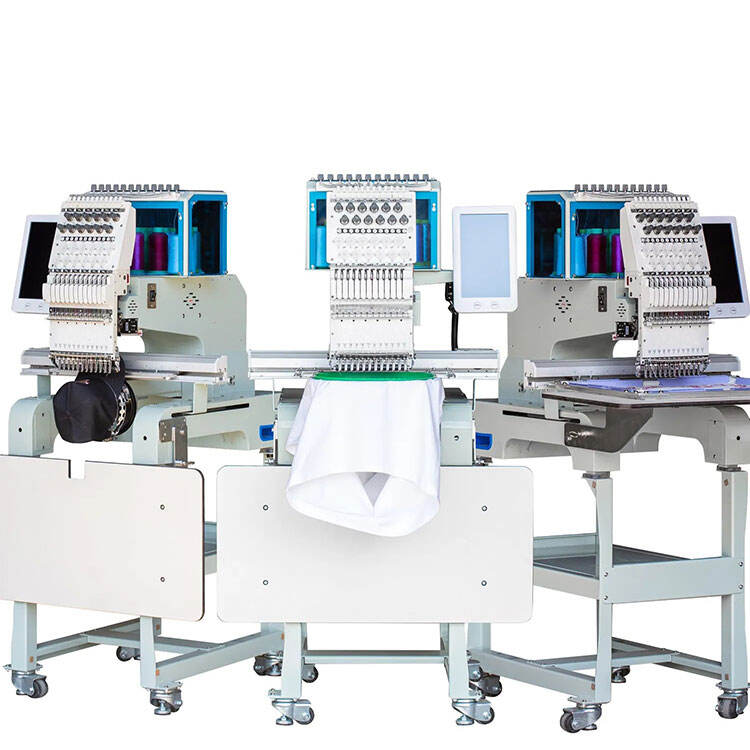
When investing in commercial embroidery equipment, understanding the relationship between embroidery machine price and delivered value becomes crucial for business success. The market offers a wide spectrum of pricing options, from entry-level units under $5,000 to professional-grade systems exceeding $50,000. Each price tier delivers distinct capabilities, build quality standards, and long-term operational benefits that directly impact your embroidery business profitability. Making an informed decision requires analyzing how different price points align with your production requirements, quality expectations, and growth objectives.
Understanding Price Tiers in the Embroidery Machine Market
Entry-Level Price Range Analysis
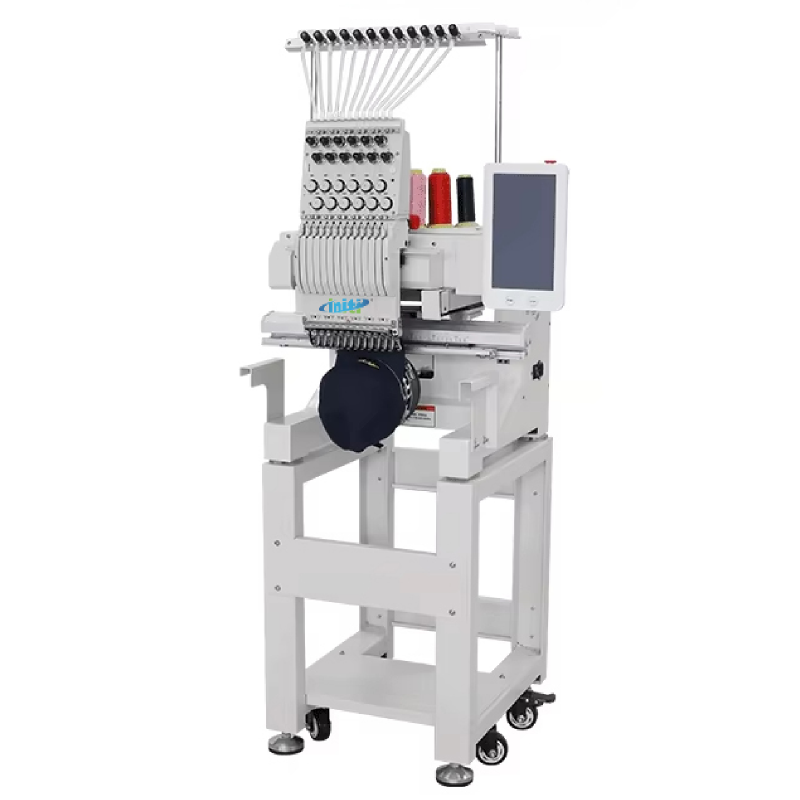
Entry-level embroidery machines typically range from $3,000 to $8,000, targeting small businesses and startup operations seeking affordable access to commercial embroidery capabilities. These machines often feature single-head configurations with basic computerized controls and standard embroidery field sizes. The embroidery machine price at this level reflects simplified construction, reduced automation features, and limited customization options. However, these units still deliver professional-quality stitching suitable for small-batch production and custom embroidery services.
Budget-conscious buyers should expect certain trade-offs when selecting machines in this price category. Threading systems may require more manual intervention, while design editing capabilities remain basic compared to premium alternatives. Despite these limitations, entry-level machines provide excellent value for businesses focused on simple logo embroidery, monogramming, and small-scale custom work. The embroidery machine price justification at this level centers on accessibility and rapid return on investment for targeted applications.
Mid-Range Market Positioning
Mid-range embroidery machines occupy the $8,000 to $20,000 price segment, offering enhanced features and improved productivity for growing businesses. This category includes both single-head and multi-head configurations with advanced computerized controls, larger embroidery fields, and superior build quality. The embroidery machine price increase in this tier reflects significant improvements in automation, precision, and operational efficiency that justify the additional investment for serious commercial operations.
These machines typically incorporate automatic thread trimming, color change sequences, and more sophisticated tension control systems. Design editing capabilities expand considerably, allowing operators to modify patterns, resize designs, and combine multiple elements directly on the machine interface. The embroidery machine price differential between entry and mid-range options becomes apparent through reduced operator intervention, faster production speeds, and improved stitch consistency across extended production runs.
Premium Features and Advanced Technology Integration
High-End Performance Characteristics
Premium embroidery machines priced above $20,000 deliver industrial-grade performance with advanced technological integration designed for high-volume commercial operations. These systems feature multi-head configurations, sophisticated computerized controls, and comprehensive automation packages that minimize operator involvement while maximizing production throughput. The embroidery machine price at this level reflects extensive research and development investment in precision engineering, advanced materials, and cutting-edge control systems.
Advanced features include laser positioning systems for precise design placement, automatic fabric sensing technology, and integrated quality monitoring systems that detect and correct stitching irregularities in real-time. These machines often incorporate network connectivity for remote monitoring, production tracking, and maintenance scheduling. The embroidery machine price premium pays for reduced downtime, consistent quality output, and operational efficiency that significantly impacts profitability for high-volume embroidery businesses.
Technology-Driven Value Propositions
Modern premium embroidery machines integrate sophisticated software packages that transform design development and production workflow management. Touch-screen interfaces provide intuitive control over complex embroidery parameters, while built-in design libraries offer thousands of pre-programmed patterns and fonts. The embroidery machine price at premium levels includes comprehensive training programs, extended warranties, and ongoing technical support that ensures optimal machine utilization throughout the equipment lifecycle.
Advanced tension control systems automatically adjust thread tension based on fabric type and design complexity, eliminating manual adjustments and reducing operator skill requirements. Automatic thread break detection and restart capabilities minimize production interruptions, while integrated trimming systems ensure clean, professional finishing without manual intervention. These technological advances justify the embroidery machine price differential by delivering consistent quality results regardless of operator experience level.
Production Capacity and Efficiency Considerations
Single-Head versus Multi-Head Configurations
Single-head embroidery machines offer focused production capabilities suitable for custom work and small-batch orders, while multi-head configurations provide exponential production capacity increases for high-volume operations. The embroidery machine price scales significantly with head count, but the per-unit production cost decreases dramatically as output volume increases. Understanding this relationship helps businesses select appropriate configurations based on projected production requirements and growth plans.
Multi-head machines typically feature 2, 4, 6, or 12 heads operating simultaneously, allowing identical designs to be embroidered on multiple garments concurrently. This parallel processing capability transforms production economics, making large orders more profitable while reducing per-piece embroidery costs. The embroidery machine price differential between single and multi-head units reflects not only additional hardware components but also sophisticated synchronization systems that ensure consistent quality across all heads.
Speed and Throughput Analysis
Embroidery machine speed specifications typically range from 400 to 1,200 stitches per minute, with premium machines delivering higher speeds while maintaining superior stitch quality. However, actual production throughput depends on design complexity, thread changes, and operator efficiency rather than maximum speed ratings alone. The embroidery machine price correlation with speed capabilities reflects engineering investments in precision mechanics and advanced control systems that enable reliable high-speed operation.
Professional-grade machines incorporate variable speed control that automatically adjusts stitching speed based on design elements, fabric type, and thread characteristics. This intelligent speed modulation prevents thread breaks, reduces puckering, and maintains consistent stitch formation across diverse embroidery applications. The embroidery machine price premium for advanced speed control technology pays dividends through reduced rework, minimized thread waste, and improved overall production efficiency.
Quality Standards and Construction Materials
Frame Construction and Stability
Machine frame construction significantly impacts embroidery quality and long-term durability, with premium machines featuring heavy-duty steel frames designed to minimize vibration and maintain precise positioning during high-speed operation. The embroidery machine price reflects substantial investments in engineering-grade materials and precision manufacturing processes that ensure dimensional stability and operational longevity. Lightweight frames found in budget machines may exhibit flexibility that compromises stitch precision and accelerates wear on mechanical components.
Professional embroidery machines incorporate isolation systems that separate the embroidery mechanism from the support frame, reducing vibration transmission and improving stitch consistency. These design features require precision engineering and quality materials that contribute to higher manufacturing costs reflected in the embroidery machine price. The investment in superior frame construction pays long-term dividends through consistent embroidery quality and reduced maintenance requirements.
Component Quality and Reliability
Premium embroidery machines utilize industrial-grade components including precision bearings, hardened drive shafts, and high-torque servo motors designed for continuous commercial operation. The embroidery machine price differential between budget and premium units often reflects significant differences in component quality and expected service life. Quality components reduce maintenance frequency, minimize unexpected downtime, and ensure consistent performance throughout extended production runs.
Electronic components in premium machines feature advanced microprocessors, high-resolution encoders, and redundant safety systems that prevent damage during operation irregularities. These sophisticated control systems monitor multiple operational parameters simultaneously, providing real-time feedback and automatic adjustments that maintain optimal performance. The embroidery machine price premium for advanced electronics delivers improved reliability, enhanced diagnostic capabilities, and extended equipment life that justifies the additional investment for serious commercial operations.
Software Integration and Design Capabilities
Embroidery Software Packages
Comprehensive embroidery software packages significantly enhance machine capabilities and operator productivity, with premium machines including advanced design editing, automatic digitizing, and production management tools. The embroidery machine price often includes substantial software licensing costs that reflect extensive development investments and ongoing support requirements. Professional software packages enable complex design manipulation, color optimization, and production planning that streamline workflow and improve profitability.
Advanced software integration allows seamless design transfer from popular graphics programs, automatic thread color matching, and intelligent pathing algorithms that minimize production time while optimizing stitch quality. These capabilities reduce skill requirements for operators while expanding creative possibilities for custom embroidery services. The embroidery machine price justification includes substantial value from integrated software packages that would cost thousands of dollars when purchased separately.
Design Library and Customization Options
Built-in design libraries provide immediate access to thousands of pre-programmed patterns, fonts, and decorative elements that expand service offerings without additional design costs. The embroidery machine price includes licensing for extensive design collections that represent significant intellectual property investments. Premium machines often feature exclusive design partnerships and regular library updates that maintain competitive advantages in evolving market conditions.
Customization capabilities allow operators to modify existing designs, combine multiple elements, and create unique patterns directly on the machine interface. These features eliminate external digitizing costs while enabling rapid response to custom design requests. The embroidery machine price premium for advanced customization tools pays for itself through increased service flexibility and higher profit margins on custom embroidery work.
Support Services and Warranty Considerations
Technical Support and Training Programs
Comprehensive technical support and training programs represent significant value components often overlooked when evaluating embroidery machine price comparisons. Premium manufacturers provide extensive operator training, ongoing technical support, and regular software updates that ensure optimal machine utilization throughout the equipment lifecycle. These services require substantial infrastructure investments that contribute to higher equipment prices but deliver long-term operational benefits.
Professional training programs cover machine operation, maintenance procedures, troubleshooting techniques, and advanced feature utilization that maximize productivity and minimize operational problems. The embroidery machine price justification includes substantial training value that reduces learning curves and accelerates profitability for new embroidery businesses. Ongoing support relationships provide access to technical expertise and application assistance that enhance operational success.
Warranty Coverage and Service Networks
Extended warranty coverage and comprehensive service networks provide operational security that justifies premium embroidery machine price levels for commercial applications. Professional-grade machines typically include multi-year warranties covering parts, labor, and software updates that protect investment value and ensure reliable operation. Service network accessibility becomes crucial for minimizing downtime and maintaining production schedules in commercial environments.
Premium manufacturers maintain extensive service networks with factory-trained technicians, comprehensive parts inventories, and rapid response capabilities that minimize business disruption during equipment problems. The embroidery machine price premium for superior service support pays dividends through reduced downtime costs and maintained customer satisfaction during equipment issues. These service capabilities become increasingly important as business dependence on embroidery equipment grows.
Return on Investment Analysis
Production Cost Calculations
Accurate return on investment analysis requires comprehensive evaluation of production costs including equipment depreciation, operator labor, thread consumption, and maintenance expenses relative to revenue generation capability. The embroidery machine price represents only the initial investment component, while operational costs and revenue potential determine actual profitability over the equipment lifecycle. Premium machines often deliver superior ROI through increased productivity and reduced operational costs despite higher initial investment.
Per-piece production costs vary significantly based on design complexity, production volume, and machine efficiency characteristics that correlate with embroidery machine price levels. High-volume operations benefit from premium machine investments through reduced per-unit costs, while low-volume custom work may achieve better returns with entry-level equipment focused on flexibility rather than speed. Understanding these relationships helps optimize equipment selection for specific business models.
Market Positioning and Pricing Strategies
Equipment capabilities directly influence market positioning and pricing strategies for embroidery services, with premium machines enabling higher-value service offerings and premium pricing structures. The embroidery machine price investment provides access to advanced capabilities that differentiate services and justify higher profit margins in competitive markets. Quality consistency and advanced features become selling points that command premium pricing for professional embroidery services.
Advanced machine capabilities enable service expansion into specialized markets including corporate apparel, promotional products, and high-end custom embroidery that command premium pricing. The embroidery machine price premium provides access to these lucrative market segments while building competitive advantages through superior quality and service capabilities. Strategic equipment selection aligns machine capabilities with market opportunities and pricing objectives.
FAQ
What factors most significantly impact embroidery machine price differences
The most significant factors affecting embroidery machine price include construction quality, automation level, production speed, software integration, and manufacturer support services. Premium machines feature industrial-grade components, advanced computerized controls, comprehensive software packages, and extensive warranty coverage that justify higher prices through superior performance and reliability. Single versus multi-head configurations also dramatically impact pricing, with multi-head systems providing exponential production capacity increases.
How does embroidery machine price correlate with long-term operational costs
Higher embroidery machine price typically correlates with lower long-term operational costs through improved efficiency, reduced maintenance requirements, and enhanced reliability. Premium machines incorporate quality components and advanced engineering that minimize downtime, reduce thread consumption, and require less frequent service interventions. While initial investment increases, total cost of ownership often favors premium machines for commercial operations through reduced operational expenses and improved productivity.
What embroidery machine price range best serves small business requirements
Small embroidery businesses typically find optimal value in the $8,000 to $15,000 embroidery machine price range, which provides professional capabilities without excessive feature complexity. This price tier includes reliable computerized controls, adequate embroidery field sizes, and basic automation features suitable for moderate production volumes. Entry-level machines under $8,000 may suffice for startup operations, while businesses planning rapid growth should consider mid-range investments for enhanced capabilities.
How should businesses evaluate embroidery machine price versus feature requirements
Businesses should evaluate embroidery machine price against specific production requirements, quality standards, and growth projections rather than focusing solely on initial cost considerations. Essential factors include expected production volume, design complexity requirements, operator skill levels, and service market positioning. Premium features justify higher prices when they directly contribute to revenue generation, operational efficiency, or competitive advantages in target markets. Comprehensive ROI analysis should include productivity gains, quality improvements, and market access benefits alongside initial investment costs.
Table of Contents
- Understanding Price Tiers in the Embroidery Machine Market
- Premium Features and Advanced Technology Integration
- Production Capacity and Efficiency Considerations
- Quality Standards and Construction Materials
- Software Integration and Design Capabilities
- Support Services and Warranty Considerations
- Return on Investment Analysis
-
FAQ
- What factors most significantly impact embroidery machine price differences
- How does embroidery machine price correlate with long-term operational costs
- What embroidery machine price range best serves small business requirements
- How should businesses evaluate embroidery machine price versus feature requirements