

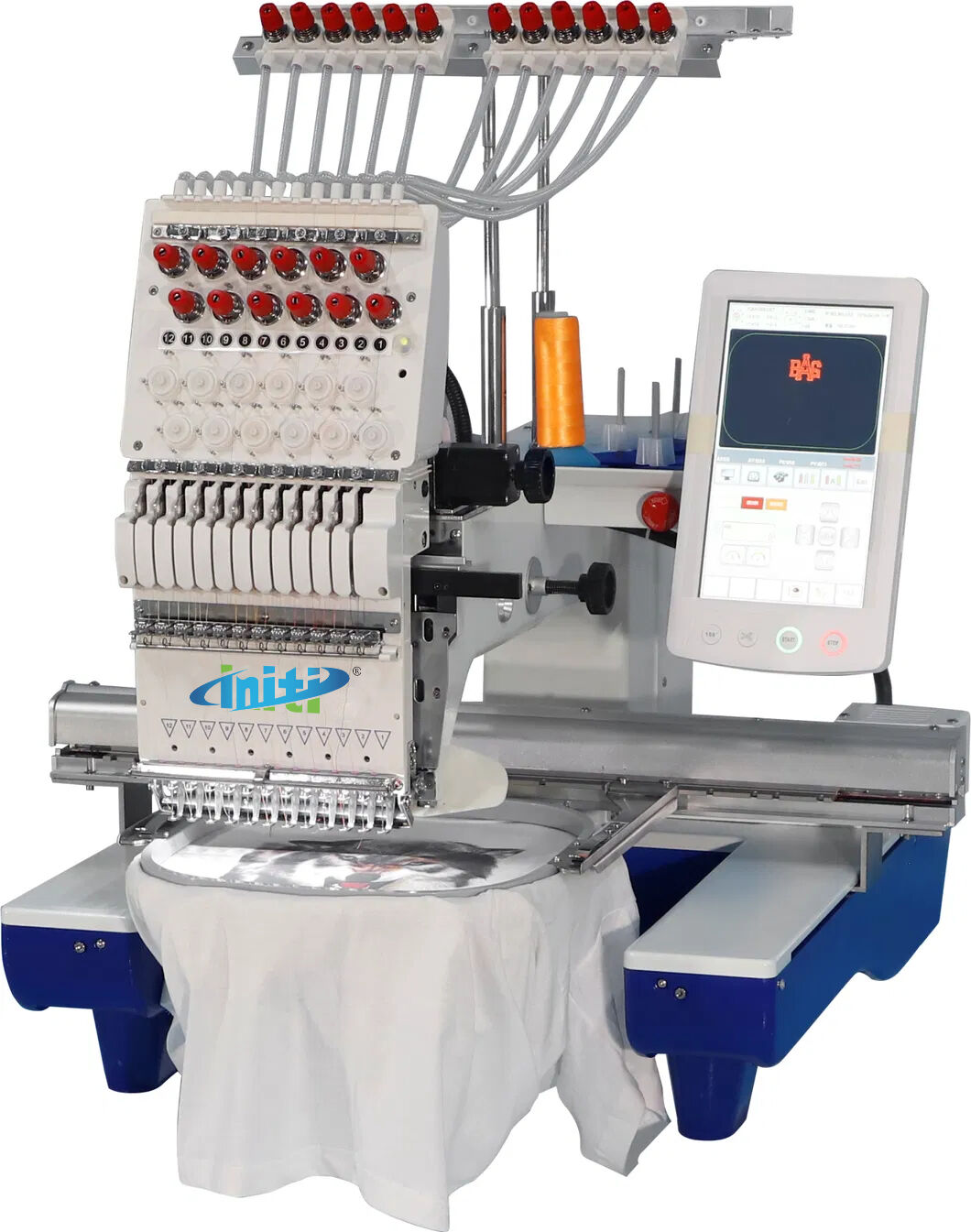
When investing in commercial textile production equipment, understanding the quality standards that separate premium industrial embroidery machines from basic models becomes crucial for maximizing operational efficiency and return on investment. Modern manufacturing facilities require equipment that delivers consistent results while maintaining durability under demanding production schedules.
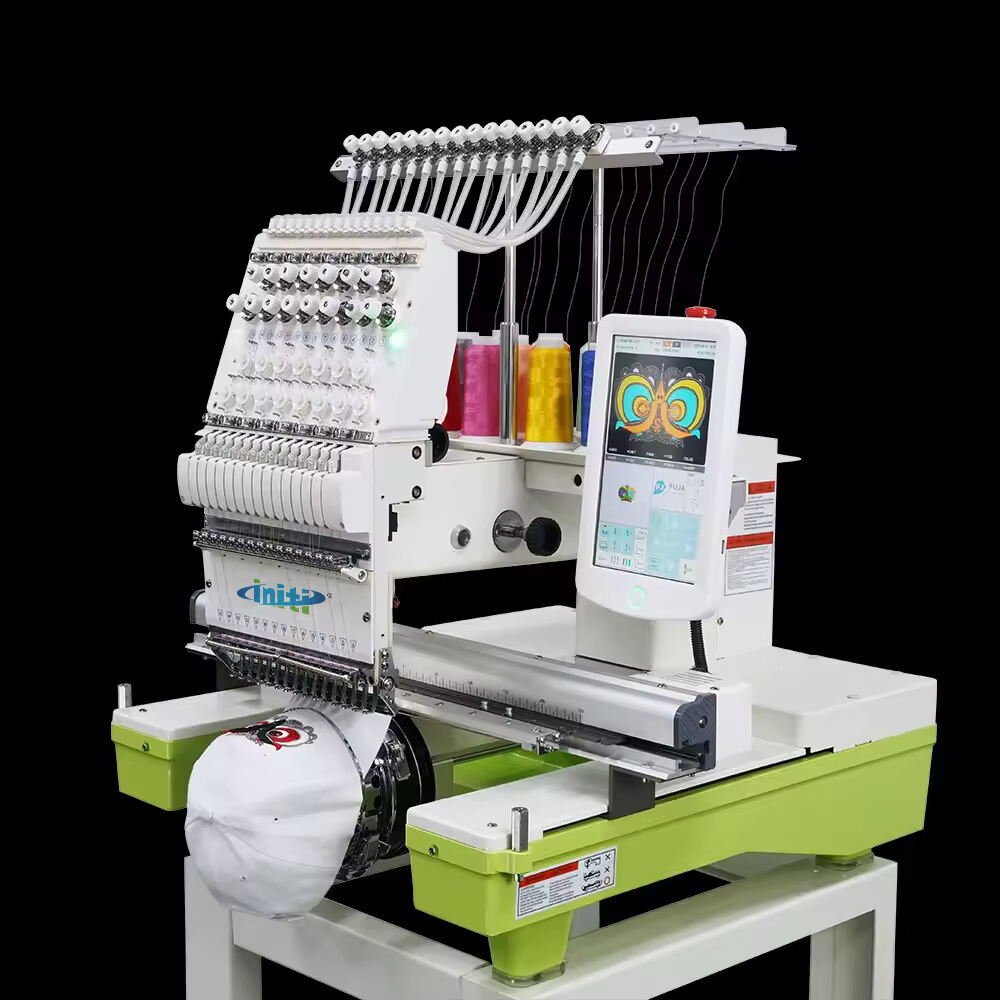
Quality assessment for industrial embroidery machines involves evaluating multiple technical specifications and performance metrics that directly impact production output. Professional buyers must examine mechanical precision, software capabilities, and construction materials to ensure their investment supports long-term business objectives. This comprehensive evaluation process helps manufacturers select equipment that maintains consistent stitch quality across diverse fabric types and complex design patterns.
Mechanical Precision and Construction Standards
Frame Stability and Material Quality
Premium industrial embroidery machines feature heavy-duty steel frames engineered to minimize vibration during high-speed operation. Quality manufacturers use precision-machined components with tight tolerances to ensure consistent needle positioning accuracy. The frame construction should incorporate reinforced joints and mounting points that maintain structural integrity under continuous production loads.
Advanced models utilize cast iron or welded steel construction for the main frame assembly, providing superior stability compared to lightweight alternatives. This robust foundation prevents micro-movements that can affect stitch registration and pattern alignment. Professional-grade machines also feature adjustable leveling systems that compensate for uneven floor surfaces and maintain optimal operating conditions.
Drive System Performance
High-quality industrial embroidery machines incorporate servo motor drive systems that deliver precise speed control and consistent torque output. These advanced motors provide smooth acceleration and deceleration curves that minimize thread tension variations during complex stitch sequences. Quality drive systems also feature position feedback sensors that maintain accurate needle timing across varying operational speeds.
The transmission components connecting motors to needle bars should utilize precision gearing or direct-drive mechanisms that eliminate backlash and ensure reliable power transfer. Premium systems include automatic lubrication circuits that maintain optimal operating conditions for bearings and moving components throughout extended production runs.
Needle and Thread Handling Systems
Needle Bar Configuration
Professional industrial embroidery machines feature multi-needle configurations ranging from 12 to 15 needles per head, allowing simultaneous use of multiple thread colors without manual intervention. Quality needle bars incorporate precision bearings and guide systems that maintain consistent needle deflection characteristics across all positions. The spacing between needles should conform to industry standards while providing adequate clearance for complex thread paths.
Advanced needle bar assemblies include individual thread tension controls for each position, enabling fine-tuning of thread delivery to match specific fabric and thread combinations. Quality systems also feature automatic needle threading mechanisms that reduce operator setup time and minimize thread waste during color changes.
Thread Delivery and Tension Control
Superior industrial embroidery machines incorporate active thread tension monitoring systems that automatically adjust delivery pressure based on stitch requirements and fabric characteristics. These systems prevent thread breaks and maintain consistent stitch formation throughout production cycles. Quality thread delivery mechanisms include anti-bird nesting features that detect and correct improper thread feeding conditions.
Premium models feature individual thread break detection sensors for each needle position, automatically stopping production when thread issues occur to prevent fabric damage. The thread path design should minimize friction points and include smooth guide surfaces that preserve thread integrity during high-speed operation.
Control System Technology and Software Features
Embroidery Software Capabilities
Modern industrial embroidery machines require sophisticated control software that supports multiple file formats and provides comprehensive design editing capabilities. Quality systems include built-in digitizing functions that convert vector graphics into stitch patterns while optimizing thread paths for efficient production. Advanced software packages also feature automatic underlay generation and stitch density optimization algorithms.
Professional control systems support network connectivity for remote design transfer and production monitoring. These capabilities enable integration with existing manufacturing execution systems and provide real-time production data for quality control and scheduling optimization. Quality software also includes comprehensive backup and recovery functions that protect design databases and machine settings.
User Interface Design
Premium industrial embroidery machines feature intuitive touchscreen interfaces that provide clear visualization of design positioning and machine status information. Quality control systems include graphical displays that show thread consumption, production progress, and maintenance schedules. The interface design should accommodate operators with varying technical skill levels while providing advanced features for experienced users.
Advanced user interfaces include predictive maintenance alerts that notify operators of required service intervals based on actual machine usage patterns. Quality systems also provide diagnostic information that helps technicians quickly identify and resolve operational issues to minimize production downtime.
Quality Assurance and Testing Protocols
Stitch Quality Standards
Professional industrial embroidery machines must demonstrate consistent stitch formation across diverse fabric types and thread materials. Quality testing protocols evaluate needle penetration accuracy, thread tension consistency, and pattern registration precision under various operating conditions. These assessments ensure that machines maintain commercial-grade output quality throughout their operational lifespan.
Comprehensive quality testing includes evaluation of stitch density variations, color registration accuracy, and thread trimming precision. Premium machines demonstrate minimal deviation in these parameters across extended production runs, ensuring consistent product appearance and dimensional accuracy for commercial applications.
Durability and Reliability Metrics
Industrial embroidery machines undergo rigorous endurance testing to validate their performance under continuous operation conditions. Quality manufacturers provide detailed specifications for expected service intervals and component replacement schedules based on actual production data. These reliability metrics help buyers evaluate total cost of ownership and plan maintenance programs effectively.
Professional-grade machines include comprehensive warranty coverage and technical support programs that ensure minimal production interruptions. Quality manufacturers also provide detailed documentation for troubleshooting procedures and maintenance requirements that enable efficient operation by trained personnel.
Production Efficiency and Automation Features
Speed and Throughput Optimization
High-performance industrial embroidery machines achieve optimal production rates through advanced motion control systems that maximize stitching speed while maintaining quality standards. These systems automatically adjust operating parameters based on design complexity and fabric characteristics to ensure consistent results. Quality machines also feature rapid positioning capabilities that minimize non-productive time during pattern changes and setup procedures.
Premium models incorporate intelligent speed control algorithms that optimize machine performance for specific design elements while preventing thread breaks and fabric distortion. These features enable manufacturers to achieve maximum throughput while maintaining strict quality requirements for commercial production applications.
Automated Operation Capabilities
Modern industrial embroidery machines include automated features that reduce operator intervention and improve production consistency. Quality systems provide automatic thread trimming, color change sequencing, and fabric positioning functions that streamline production workflows. Advanced models also feature automatic design scaling and rotation capabilities that accommodate various product specifications without manual programming.
Professional automation systems include integrated quality monitoring functions that detect and correct common production issues before they affect finished product quality. These capabilities help manufacturers maintain consistent output while reducing labor costs and minimizing material waste throughout production cycles.
Maintenance and Service Requirements
Preventive Maintenance Programs
Quality industrial embroidery machines require structured maintenance programs that ensure optimal performance and extend operational lifespan. Professional manufacturers provide detailed service schedules that specify lubrication intervals, component inspection procedures, and replacement part requirements. These programs help operators maintain peak machine performance while preventing unexpected breakdowns.
Advanced machines include built-in maintenance tracking systems that monitor component wear and automatically schedule service intervals based on actual usage patterns. Quality systems also provide diagnostic capabilities that help technicians quickly identify potential issues before they impact production schedules.
Technical Support and Training
Premium industrial embroidery machines come with comprehensive technical support programs that include operator training, troubleshooting assistance, and software updates. Quality manufacturers provide detailed documentation and video training materials that enable efficient operation by production personnel. Professional support programs also include remote diagnostic capabilities that minimize service response times.
Advanced technical support includes access to application engineers who can provide guidance on optimizing machine settings for specific production requirements. Quality manufacturers also offer ongoing software updates that add new features and improve machine performance throughout the equipment lifecycle.
FAQ
What needle count configuration works best for most commercial applications
Most commercial operations benefit from 12 to 15 needle configurations that provide adequate color capacity for complex designs while maintaining manageable setup times. Industrial embroidery machines with this needle range offer optimal flexibility for diverse production requirements without excessive complexity. Single-head configurations often provide the best balance of capability and cost-effectiveness for medium-volume production facilities.
How do servo motors improve embroidery machine performance compared to stepper motors
Servo motors in industrial embroidery machines provide superior speed control, higher torque output, and more precise positioning accuracy compared to stepper motor systems. These advanced motors enable smoother operation at high speeds while reducing vibration and noise levels. Servo-driven systems also offer better energy efficiency and longer service life under demanding production conditions.
What software features are essential for professional embroidery production
Professional industrial embroidery machines require software that supports multiple file formats, provides automatic thread path optimization, and includes comprehensive editing capabilities. Essential features include network connectivity for design transfer, production monitoring tools, and automatic backup functions. Quality software should also provide predictive maintenance alerts and diagnostic information for efficient operation.
How important is frame construction quality for industrial applications
Frame construction directly impacts the precision and reliability of industrial embroidery machines during high-speed operation. Heavy-duty steel or cast iron frames provide necessary stability to maintain stitch accuracy and prevent vibration-induced quality issues. Quality frame construction ensures consistent performance throughout the machine's operational lifespan and supports demanding production schedules.
Table of Contents
- Mechanical Precision and Construction Standards
- Needle and Thread Handling Systems
- Control System Technology and Software Features
- Quality Assurance and Testing Protocols
- Production Efficiency and Automation Features
- Maintenance and Service Requirements
-
FAQ
- What needle count configuration works best for most commercial applications
- How do servo motors improve embroidery machine performance compared to stepper motors
- What software features are essential for professional embroidery production
- How important is frame construction quality for industrial applications