

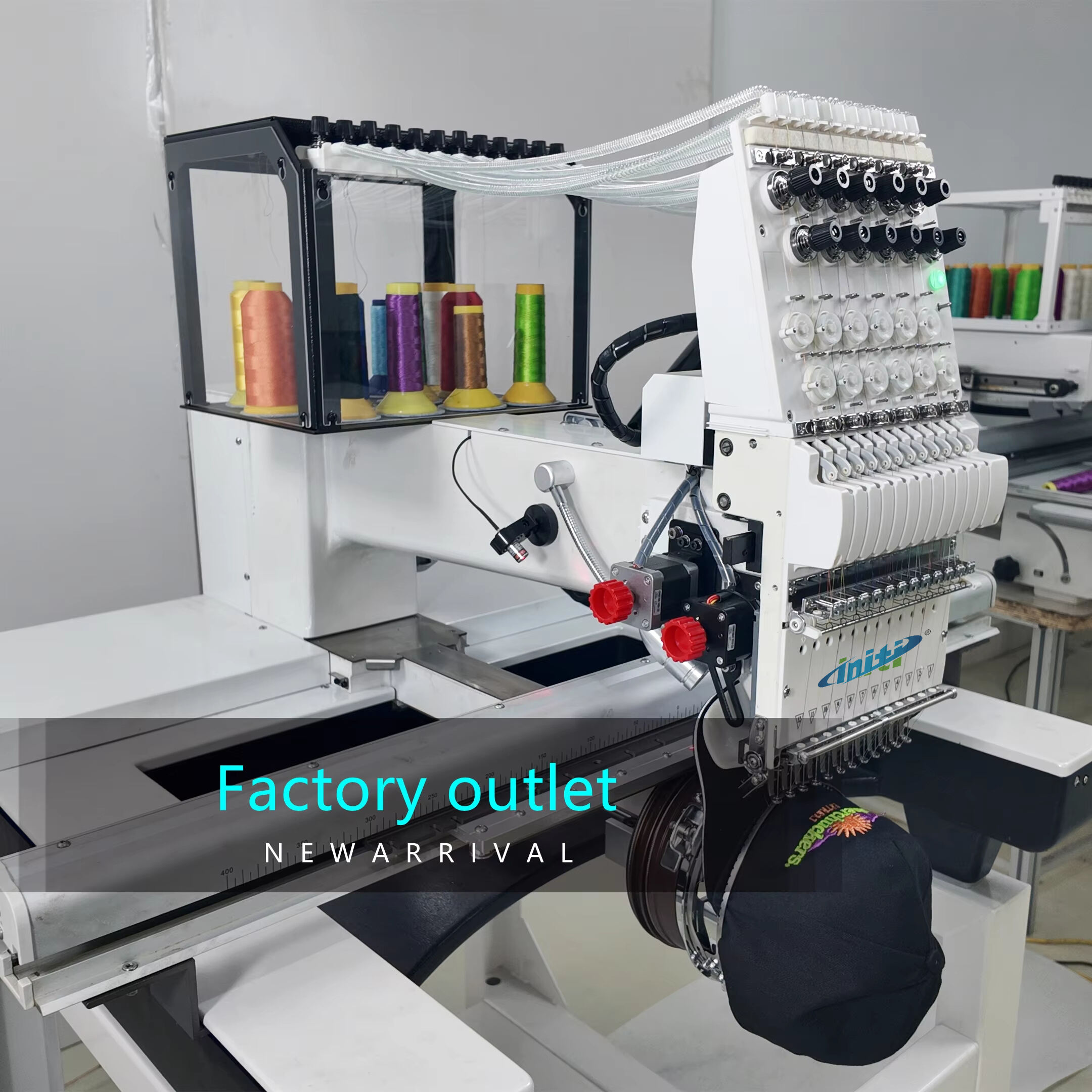
The textile and apparel industry has witnessed remarkable technological advancements in recent years, with specialized equipment revolutionizing production capabilities. Modern manufacturing demands have created a growing need for versatile machinery that can handle multiple product types efficiently. An embroidery machine for hats and shirts represents the perfect solution for businesses looking to diversify their offerings while maintaining consistent quality standards. These sophisticated devices combine precision engineering with user-friendly interfaces, enabling manufacturers to produce professional-grade decorated apparel across various product categories. The ability to seamlessly transition between different garment types without compromising output quality has made these machines indispensable in today's competitive marketplace.
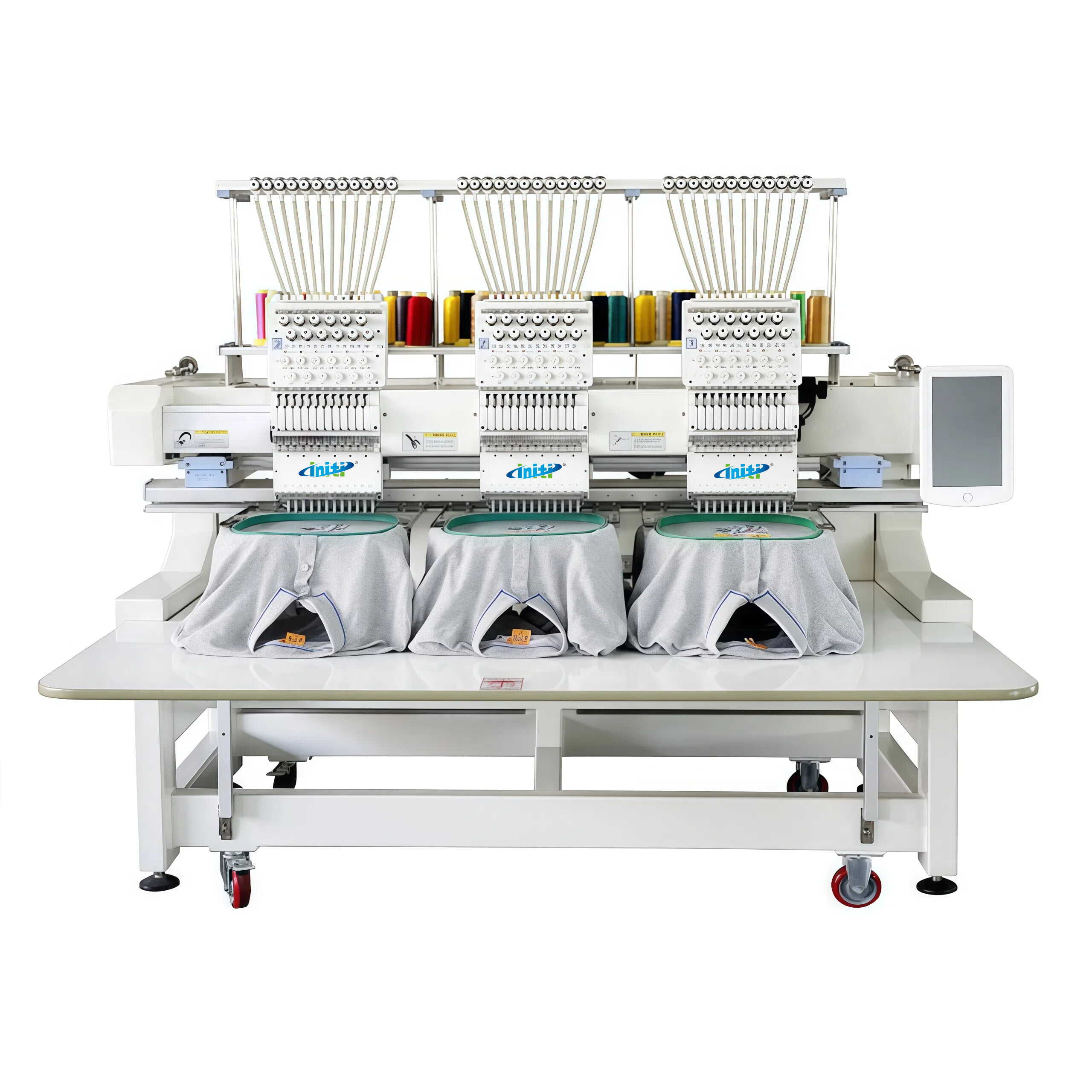
Understanding Multi-Product Embroidery Technology
Core Engineering Principles
The foundation of any effective embroidery machine for hats and shirts lies in its sophisticated mechanical design and advanced control systems. These machines incorporate multiple needle configurations, typically ranging from six to fifteen needles, allowing for complex multi-color designs without manual thread changes. The precision servo motors ensure accurate stitch placement across different fabric textures and thicknesses. Modern units feature computerized control panels that store thousands of design patterns while providing real-time monitoring of production parameters. The integration of automatic thread tension adjustment systems ensures consistent stitch quality regardless of material variations.
Advanced embroidery systems utilize specialized hooping mechanisms designed to accommodate various garment shapes and sizes. The adaptive pressure systems automatically adjust based on fabric density and design complexity, preventing material distortion during the embroidery process. High-speed processing capabilities enable rapid design digitization and pattern modification, significantly reducing setup times between different product runs. The incorporation of laser positioning systems ensures precise design placement, eliminating the guesswork traditionally associated with manual alignment procedures.
Software Integration Capabilities
Contemporary embroidery machines feature sophisticated software platforms that streamline the entire production workflow from design conception to final output. These integrated systems support multiple file formats including DST, PES, and EMB, ensuring compatibility with various design software packages. The built-in editing capabilities allow operators to modify existing patterns, adjust stitch density, and optimize thread usage without requiring external software. Real-time preview functions enable quality control before actual production begins, minimizing material waste and reducing rework requirements.
Network connectivity features enable remote monitoring and control capabilities, allowing production managers to oversee multiple machines simultaneously. Cloud-based pattern libraries provide access to thousands of pre-designed templates while enabling secure storage of custom designs. The automated backup systems ensure design data protection and facilitate quick recovery in case of system failures. Advanced reporting features track production metrics, including stitch counts, thread consumption, and machine utilization rates, providing valuable insights for operational optimization.
Specialized Features for Hat Embroidery
Cap Frame Technology
Hat embroidery presents unique challenges that require specialized equipment features and technical considerations. The curved surface of caps demands precise needle positioning and adaptive pressure control to maintain consistent stitch quality. Professional embroidery machines incorporate dedicated cap frames with adjustable height settings to accommodate various hat styles, from flat-brimmed snapbacks to fitted baseball caps. The specialized hooping systems feature secure clamping mechanisms that hold caps firmly without causing deformation or leaving permanent marks on the fabric.
Advanced cap frames utilize rotational capabilities that enable embroidery on multiple sections of the hat, including front panels, side panels, and back sections. The precision positioning systems ensure accurate design placement even on irregularly shaped surfaces. Temperature-controlled needle plates prevent fabric scorching during high-speed operations, particularly important when working with synthetic materials commonly used in hat construction. The integrated thread trimming systems automatically cut excess threads between design elements, maintaining clean professional appearances.
Design Adaptation for Curved Surfaces
Working with curved hat surfaces requires sophisticated design modification capabilities that account for fabric distortion and stitch pull compensation. Professional embroidery machines feature automatic stitch density adjustment algorithms that modify pattern characteristics based on surface curvature and fabric stretch properties. The compensation systems analyze design geometry and automatically adjust stitch lengths and angles to ensure proper pattern reproduction on three-dimensional surfaces. These adaptive features prevent common issues such as puckering, thread breaks, and design distortion that often plague inferior equipment.
The specialized software modules include pre-configured settings for various hat materials, including cotton twill, polyester blends, and mesh fabrics. These material-specific parameters automatically adjust machine settings such as needle speed, thread tension, and presser foot pressure to optimize results for each fabric type. The real-time monitoring systems detect potential issues such as thread nests or needle deflection, automatically pausing operations to prevent damage to both the garment and the embroidery machine for hats and shirts.
Shirt Embroidery Optimization Features
Flat Garment Handling Systems
Shirt embroidery requires different technical approaches compared to hat decoration, primarily due to the flat surface characteristics and varied fabric constructions. Modern embroidery machines incorporate specialized flat embroidery frames that provide stable support for different shirt styles, from lightweight t-shirts to heavy polo shirts. The adjustable pressure systems prevent fabric distortion while ensuring proper needle penetration through multiple fabric layers. The wide throat space accommodates large design areas, enabling full-chest and back panel embroidery without repositioning requirements.
Professional shirt embroidery systems feature quick-change frame mechanisms that minimize downtime between different garment sizes and styles. The alignment systems include laser guides and registration marks that ensure consistent design placement across production runs. The automated threading systems reduce setup time and minimize thread waste during color changes. Advanced models include fabric detection sensors that automatically adjust machine parameters based on material thickness and stretch characteristics, ensuring optimal results across diverse shirt types.
Multi-Position Embroidery Capabilities
Versatile embroidery machines offer multiple embroidery positions on shirts, including chest, sleeve, collar, and pocket areas without requiring garment removal or re-hooping. The multi-station capabilities enable simultaneous decoration of different garment areas, significantly increasing production throughput. The precision positioning systems ensure accurate design placement even in challenging areas such as sleeve cuffs and collar points. The specialized attachments accommodate various shirt construction details, including plackets, seams, and button areas.
The integrated quality control systems monitor stitch formation in real-time, automatically adjusting parameters to maintain consistent results across all embroidery positions. The thread break detection systems immediately halt operations when issues occur, preventing damage to partially completed work. The automated trim functions eliminate manual thread cutting between design elements, maintaining professional finishing standards throughout the production process. These comprehensive features make a quality embroidery machine for hats and shirts an essential investment for serious apparel decorators.
Production Efficiency and Workflow Management
Multi-Head Configuration Benefits
Multi-head embroidery machines dramatically increase production capacity by enabling simultaneous decoration of multiple garments. These systems typically feature three to twelve independent embroidery heads, each capable of producing identical or different designs concurrently. The synchronized operation ensures consistent timing across all heads while maintaining individual quality control for each garment. The modular design allows for easy expansion as business needs grow, with additional heads installable without replacing the entire system. The centralized control system manages all heads through a single interface, simplifying operator training and reducing the potential for errors.
The independent thread path systems prevent cross-contamination between heads, ensuring that thread breaks or adjustments on one head do not affect operations on others. The automated lubrication systems maintain optimal performance across all mechanical components, reducing maintenance requirements and extending equipment lifespan. The integrated production tracking systems monitor output from each head individually, providing detailed productivity reports that help identify optimization opportunities. The quick-change capabilities enable rapid transitions between different product types, maximizing utilization of the embroidery machine for hats and shirts throughout the production schedule.
Automation and Quality Control
Advanced automation features significantly reduce manual intervention requirements while maintaining consistent quality standards throughout production runs. The automatic color change systems seamlessly transition between thread colors according to design specifications, eliminating manual threading and reducing potential errors. The integrated sensors monitor thread tension, needle condition, and fabric positioning, automatically making adjustments to maintain optimal operating conditions. The predictive maintenance systems analyze machine performance data to schedule maintenance activities before problems occur, minimizing unexpected downtime.
Quality control systems include camera-based inspection capabilities that verify design accuracy and detect potential defects before garments leave the production area. The statistical process control features track key quality metrics over time, enabling continuous improvement initiatives and maintaining consistent customer satisfaction. The automated data collection systems record production parameters for each garment, creating comprehensive traceability records that support quality assurance programs. These advanced automation features ensure that every embroidery machine for hats and shirts delivers reliable, professional-quality results regardless of production volume or operator experience level.
Material Compatibility and Thread Management
Diverse Fabric Handling Capabilities
Professional embroidery equipment must accommodate an extensive range of fabric types and constructions encountered in hat and shirt production. Modern machines feature adaptive systems that automatically adjust operating parameters based on material characteristics such as weight, stretch, and fiber content. The tension control systems provide precise thread management for delicate fabrics while delivering adequate penetration force for heavy materials. The needle selection systems recommend optimal needle types and sizes for different fabric combinations, ensuring proper stitch formation and minimizing fabric damage.
The stabilization systems include various backing materials and techniques specifically designed for different fabric types and embroidery applications. The heat-sensitive materials common in performance wear require specialized temperature management to prevent damage during the embroidery process. The stretch compensation algorithms account for fabric elasticity, adjusting stitch parameters to prevent design distortion when garments return to their relaxed state. The comprehensive material handling capabilities ensure that an embroidery machine for hats and shirts can successfully process virtually any textile combination encountered in commercial production environments.
Thread Selection and Management Systems
Thread selection plays a crucial role in achieving professional embroidery results across different garment types and applications. Modern embroidery machines support various thread types including polyester, rayon, cotton, and specialty threads such as metallic and glow-in-the-dark options. The thread tension systems automatically adjust based on thread type and design characteristics, ensuring consistent stitch quality throughout complex multi-color designs. The thread break detection systems immediately identify and respond to thread failures, minimizing production disruptions and material waste.
The integrated thread management systems include large capacity cones and automatic threading mechanisms that reduce operator intervention and increase productivity. The color matching systems help operators select appropriate thread colors for specific designs and customer requirements. The thread consumption tracking features provide accurate estimates for job costing and inventory management purposes. The thread path optimization reduces friction and wear, extending thread life and improving overall stitch quality. These comprehensive thread management capabilities ensure optimal performance from any embroidery machine for hats and shirts regardless of design complexity or production volume requirements.
Investment Considerations and Return Analysis
Cost-Benefit Evaluation Framework
Investing in a versatile embroidery machine for hats and shirts requires careful analysis of both initial costs and long-term operational benefits. The equipment cost includes not only the base machine price but also essential accessories, software licenses, and installation expenses. The operational costs encompass thread consumption, maintenance requirements, utilities, and operator wages. The revenue potential depends on local market conditions, pricing strategies, and production capacity utilization. The payback period typically ranges from twelve to thirty-six months depending on business volume and operational efficiency.
The versatility factor significantly improves investment returns by enabling service to multiple market segments without additional equipment purchases. The ability to handle both hat and shirt embroidery expands potential customer base and reduces market dependency risks. The quality improvements possible with professional equipment often justify premium pricing, improving profit margins compared to manual or semi-automated alternatives. The productivity increases from multi-head configurations and automation features provide substantial cost savings through reduced labor requirements and faster turnaround times.
Market Positioning and Growth Opportunities
The versatility of modern embroidery equipment opens opportunities in diverse market segments including corporate apparel, sports teams, promotional products, and fashion applications. The ability to efficiently produce both hats and shirts enables comprehensive uniform programs that increase average order values and customer loyalty. The quick turnaround capabilities support rush orders and last-minute requirements that command premium pricing. The consistent quality standards achievable with professional equipment support brand reputation development and word-of-mouth referrals.
The scalability features of professional embroidery machines support business growth without requiring complete equipment replacement. The modular expansion capabilities enable capacity increases as demand grows, protecting initial investments while accommodating business development. The advanced software integration supports e-commerce platforms and online design tools, enabling market expansion beyond traditional geographic boundaries. The comprehensive capabilities of a quality embroidery machine for hats and shirts provide the foundation for sustainable business growth in the competitive decorated apparel market.
FAQ
What makes an embroidery machine suitable for both hats and shirts
A versatile embroidery machine for hats and shirts requires specialized features that accommodate the unique characteristics of each garment type. For hats, the machine needs dedicated cap frames with adjustable height settings and curved surface compensation capabilities. For shirts, it requires flat embroidery frames with wide throat space and fabric stretch accommodation. The key is having interchangeable frame systems and adaptive software that automatically adjusts parameters based on the selected garment type. Professional machines include pre-programmed settings for different materials and construction types, ensuring optimal results across both product categories.
How does multi-head configuration improve production efficiency
Multi-head embroidery machines dramatically increase production capacity by enabling simultaneous decoration of multiple garments. A three-head system can potentially triple output compared to single-head alternatives, while larger configurations offer even greater productivity gains. The synchronized operation ensures consistent timing and quality across all heads, while independent control allows for different designs or color sequences on each head. The efficiency gains compound over time, as the reduced per-unit production time enables faster order completion and increased customer satisfaction. The investment in multi-head capability typically pays for itself through increased revenue potential and reduced labor costs per garment.
What maintenance requirements should be expected with professional embroidery equipment
Professional embroidery machines require regular maintenance to ensure consistent performance and extend equipment lifespan. Daily maintenance includes cleaning lint and thread debris from the needle area, checking thread paths for obstructions, and verifying proper needle condition. Weekly tasks involve lubricating designated points, inspecting belt tension, and cleaning the machine exterior and work surfaces. Monthly maintenance includes comprehensive cleaning of internal mechanisms, calibrating tension settings, and updating software as needed. Annual professional service typically involves complete mechanical inspection, replacement of wear components, and performance optimization. Following manufacturer maintenance schedules prevents costly breakdowns and ensures consistent quality output.
How important is software compatibility when selecting embroidery equipment
Software compatibility is crucial for seamless integration with existing design workflows and future scalability requirements. Modern embroidery machines should support multiple file formats including industry standards like DST, PES, and EMB to ensure compatibility with various design software packages. The built-in editing capabilities should enable basic modifications without requiring external software, while network connectivity allows for remote design transfer and monitoring. Cloud integration provides access to design libraries and enables secure backup of custom patterns. The software platform should offer regular updates and technical support to maintain compatibility with evolving industry standards and customer requirements. Choosing equipment with robust software capabilities protects the investment and supports long-term business growth.