

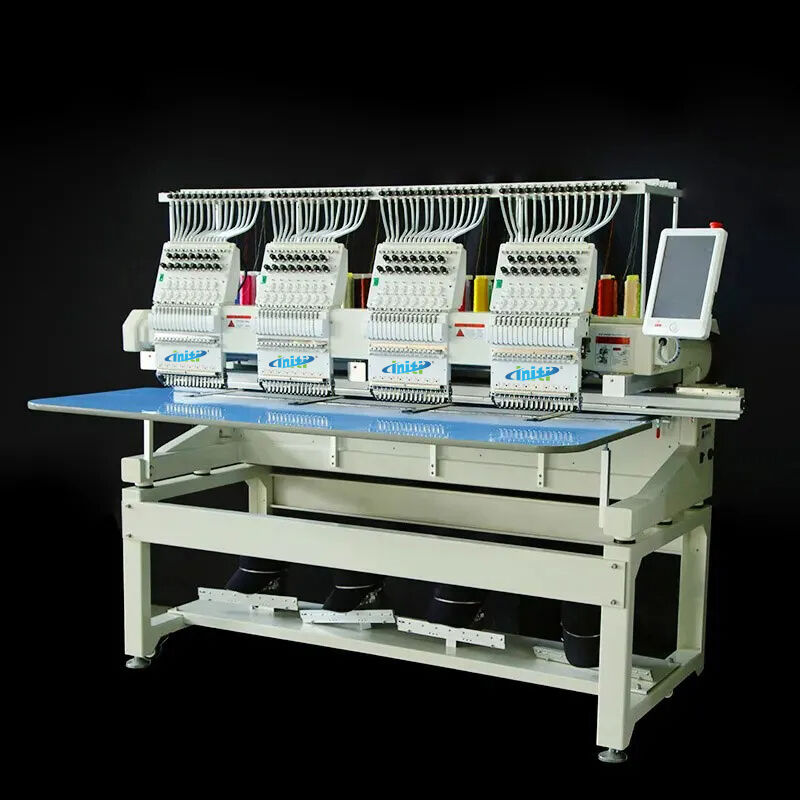
The textile and apparel industry continues to evolve with advanced manufacturing technologies that enable businesses to achieve greater precision, efficiency, and production capacity. Among the most significant innovations in commercial embroidery equipment, the 15 needle embroidery machine stands out as a versatile solution for businesses seeking to expand their decorative capabilities while maintaining high-quality output standards. This sophisticated equipment represents a substantial investment that can transform your production workflow and open new revenue streams for custom embroidery services.
Understanding Multi-Needle Embroidery Technology
Core Components and Functionality
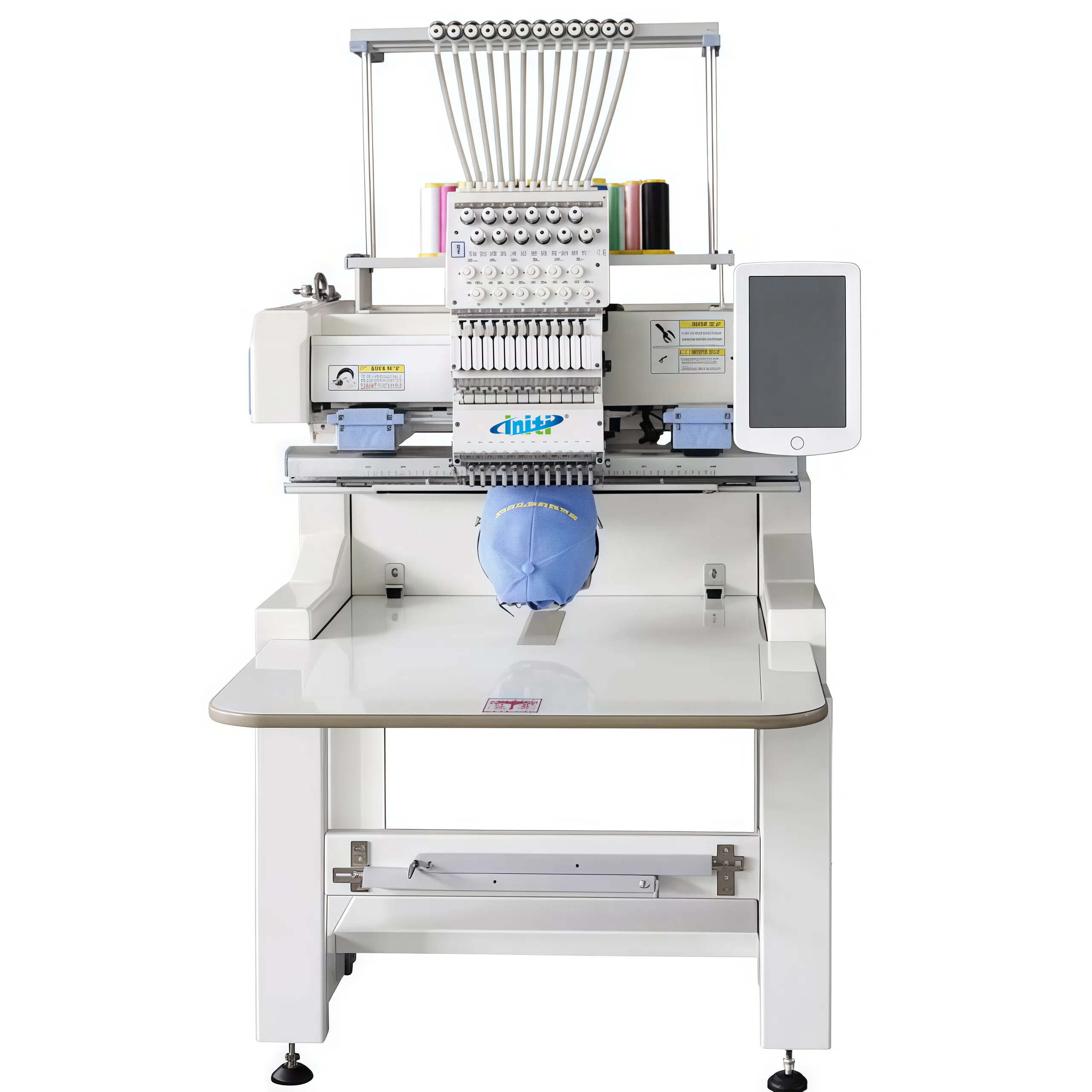
Modern embroidery machines integrate sophisticated computerized systems with precision mechanical components to deliver consistent, professional-quality results. The multi-needle configuration allows operators to utilize up to fifteen different thread colors simultaneously, eliminating the need for frequent thread changes during complex designs. This automation significantly reduces production time while ensuring color accuracy and design integrity throughout extended manufacturing runs.
Each needle operates independently within the machine's coordinated system, allowing for intricate color transitions and detailed pattern execution. The computerized control system manages needle selection, thread tension, and stitching speed according to programmed design specifications. Advanced models incorporate automatic trimming functions, thread break detection, and precise positioning controls that maintain embroidery quality standards across diverse fabric types and thicknesses.
Technical Specifications and Performance Metrics
Professional-grade 15 needle embroidery machine models typically feature maximum embroidery areas ranging from 400mm x 400mm to larger industrial specifications, depending on the intended application. Stitching speeds can reach up to 1,200 stitches per minute, though optimal speeds vary based on design complexity, fabric characteristics, and thread materials. These machines support various embroidery file formats including DST, PES, and JEF, ensuring compatibility with popular design software platforms.
The machine's frame construction utilizes heavy-duty materials to minimize vibration and maintain precision during high-speed operation. Servo motors provide accurate positioning control, while magnetic levitation technology in premium models reduces mechanical wear and operational noise. Built-in LCD displays offer real-time monitoring of production progress, thread consumption, and machine status indicators to facilitate efficient workflow management.
Business Applications and Market Opportunities
Commercial Embroidery Services
Businesses operating in the custom apparel sector can leverage a 15 needle embroidery machine to expand their service offerings and increase profit margins on decorated garments. The equipment enables efficient production of corporate logos, promotional merchandise, and personalized items that command premium pricing in retail markets. Contract embroidery services represent a growing segment where businesses provide decoration services to other companies lacking in-house embroidery capabilities.
The versatility of multi-needle systems allows operators to handle diverse order sizes, from single custom pieces to large corporate uniform contracts. This flexibility enables businesses to serve both retail customers seeking personalized items and commercial clients requiring consistent branding across multiple garment types. The ability to produce complex multi-color designs efficiently positions businesses to compete for higher-value contracts that smaller, single-needle operations cannot accommodate.
Textile Manufacturing Integration
Manufacturing facilities can integrate 15 needle embroidery machine systems into existing production lines to add decorative elements to finished garments or textile products. This capability allows manufacturers to differentiate their products in competitive markets while maintaining efficient production schedules. The automation features reduce labor requirements compared to manual embroidery methods, improving overall manufacturing economics.
Quality control benefits include consistent stitch density, accurate color placement, and repeatable design execution across production runs. These factors are crucial for maintaining brand standards and meeting customer specifications in contract manufacturing arrangements. The machine's digital controls enable precise documentation of production parameters, supporting quality assurance protocols and traceability requirements in regulated industries.
Investment Considerations and Return Analysis
Initial Capital Requirements
The financial investment for a commercial-grade 15 needle embroidery machine varies significantly based on features, automation level, and manufacturer specifications. Entry-level models suitable for small businesses typically range from $15,000 to $25,000, while industrial-grade systems with advanced features can exceed $50,000. Additional costs include installation, training, design software, and initial thread inventory, which collectively add 20-30% to the base equipment cost.
Financing options through equipment leasing or manufacturer financing programs can help businesses manage cash flow while acquiring necessary equipment. Many suppliers offer comprehensive packages that include training, software, and support services, providing value beyond the basic machine purchase. Businesses should evaluate total cost of ownership, including maintenance contracts and consumable supplies, when calculating investment returns.
Revenue Generation Potential
Revenue opportunities with 15 needle embroidery machine operations depend on market positioning, customer base, and operational efficiency. Custom embroidery services typically command margins of 200-400% above material costs, with complex multi-color designs justifying premium pricing. High-volume commercial contracts offer steady revenue streams, though at lower per-piece margins compared to retail custom work.
Successful operators report monthly revenues ranging from $5,000 to $25,000 per machine, depending on utilization rates and market conditions. Break-even periods typically occur within 12-24 months for well-managed operations serving diverse customer segments. The key to maximizing returns lies in maintaining high machine utilization while developing efficient workflows that minimize setup times between jobs.
Operational Efficiency and Workflow Optimization
Production Planning and Scheduling
Effective utilization of a 15 needle embroidery machine requires strategic production planning that maximizes machine uptime while minimizing setup and changeover times. Grouping orders by thread colors and design complexity allows operators to reduce the frequency of thread changes and optimize stitching sequences. Advanced scheduling software can help coordinate multiple orders to maintain continuous production flow throughout operating hours.
Batch processing strategies enable efficient handling of similar designs across different garments or materials. By maintaining consistent thread configurations for related orders, operators can reduce setup times and increase overall throughput. Digital design libraries facilitate quick access to frequently requested patterns, while automated backup systems protect valuable design assets and customer specifications.
Quality Control and Maintenance Protocols
Maintaining consistent embroidery quality requires systematic attention to machine calibration, thread tension settings, and regular maintenance schedules. Daily inspection routines should include verification of thread paths, needle condition, and hooping mechanisms to prevent production delays and quality issues. Preventive maintenance programs extend equipment life while ensuring reliable operation during critical production periods.
Thread selection and storage practices significantly impact embroidery quality and machine performance. High-quality threads reduce breakage incidents and produce superior finished results that justify premium pricing. Proper environmental controls, including temperature and humidity management, help maintain thread integrity and prevent static electricity issues that can disrupt machine operation.
Technology Integration and Future Considerations
Software Compatibility and Design Capabilities
Modern 15 needle embroidery machine systems integrate seamlessly with professional embroidery design software, enabling businesses to create custom patterns and modify existing designs for specific applications. Software capabilities include automatic digitizing, color matching, and stitch optimization functions that enhance design quality while reducing preparation time. Cloud-based design libraries provide access to extensive pattern collections and facilitate collaboration between designers and production teams.
Compatibility with industry-standard file formats ensures flexibility when working with customer-provided designs or purchasing patterns from third-party sources. Advanced software features include 3D visualization, fabric simulation, and automatic underlay generation that help operators achieve optimal results across diverse materials and design types. Regular software updates maintain compatibility with evolving industry standards and add new functionality to existing equipment investments.
Connectivity and Industry 4.0 Integration
Next-generation embroidery equipment incorporates IoT connectivity and data analytics capabilities that enable remote monitoring and predictive maintenance protocols. These features help businesses optimize machine utilization, reduce unplanned downtime, and improve overall equipment effectiveness. Real-time production data supports accurate job costing and delivery scheduling, enhancing customer service capabilities.
Integration with enterprise resource planning systems streamlines order processing and inventory management for businesses handling high volumes of embroidery work. Automated reporting functions provide insights into machine performance, production costs, and profitability metrics that support strategic business decisions. As Industry 4.0 technologies continue evolving, businesses investing in connected embroidery equipment position themselves to benefit from future innovations and efficiency improvements.
FAQ
What is the typical production capacity of a 15 needle embroidery machine
A well-operated 15 needle embroidery machine can typically produce 20-50 pieces per hour, depending on design complexity, fabric type, and stitch count. Simple single-color logos may allow for higher throughput, while complex multi-color designs with high stitch counts require more time per piece. Efficient operators focus on optimizing setup times and maintaining consistent machine utilization to maximize daily production volumes.
How much space is required for installing a 15 needle embroidery machine
Most commercial 15 needle embroidery machine installations require approximately 8 feet by 6 feet of floor space, including clearance for operator access and material handling. Additional space is needed for thread storage, finished goods staging, and computer workstations for design preparation. Adequate ventilation and electrical service must be available to support machine operation and maintain optimal working conditions.
What training is required to operate a 15 needle embroidery machine effectively
Effective operation of a 15 needle embroidery machine typically requires 40-80 hours of initial training, covering machine operation, design software, thread management, and troubleshooting procedures. Most manufacturers provide comprehensive training programs that include hands-on instruction and ongoing technical support. Experienced operators can achieve proficiency more quickly, while beginners may require additional practice time to develop efficient workflows and quality control skills.
How do maintenance costs compare to machine purchase price over time
Annual maintenance costs for a 15 needle embroidery machine typically range from 5-10% of the original purchase price, including routine servicing, replacement parts, and consumable supplies. Preventive maintenance programs help minimize unexpected repair costs and extend equipment life. Businesses should budget approximately $2,000-$5,000 annually for maintenance and supplies, depending on usage intensity and environmental conditions where the machine operates.