

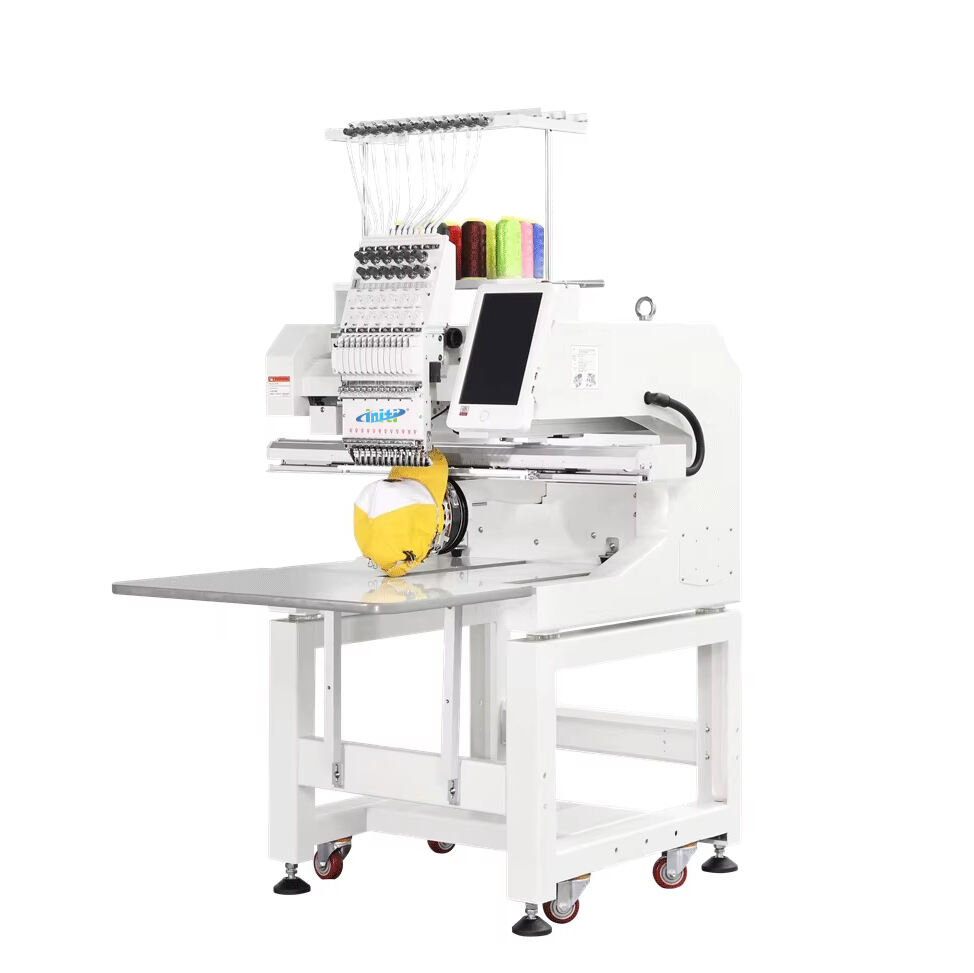
Manufacturing excellence in the textile industry demands precision, reliability, and cutting-edge technology. Modern factories that achieve consistent success understand that investing in high-quality equipment forms the foundation of their competitive advantage. The multi-head embroidery machine represents one of the most critical investments for commercial embroidery operations, transforming how businesses approach large-scale production and customization. These sophisticated machines have revolutionized the industry by enabling manufacturers to produce complex designs with exceptional speed and accuracy while maintaining consistent quality across thousands of units.
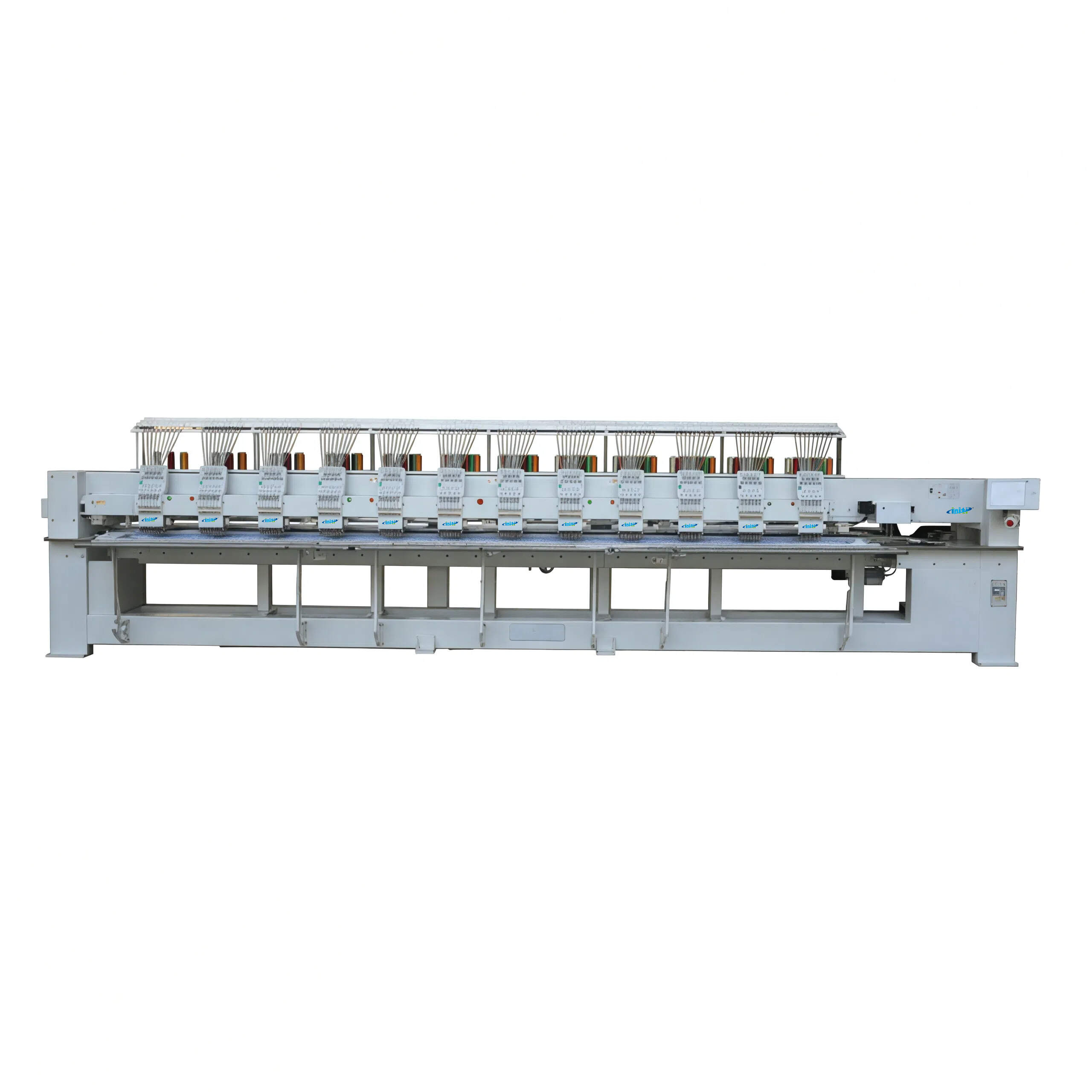
Advanced Engineering Principles in Modern Embroidery Equipment
Precision Mechanics and Component Integration
The foundation of any reliable multi-head embroidery machine lies in its mechanical precision and component integration. Leading manufacturers employ advanced engineering principles that ensure each moving part operates in perfect synchronization with others. The frame construction typically utilizes high-grade aluminum alloy or steel, providing the structural stability necessary for consistent operation during extended production runs. Each embroidery head contains hundreds of precisely machined components that must work together seamlessly to achieve the accuracy demanded by commercial applications.
Modern multi-head embroidery machine systems incorporate servo motors with advanced feedback control systems that monitor position, speed, and tension in real-time. These motors provide the exact positioning required for intricate designs while maintaining consistent thread tension across all heads simultaneously. The precision of these systems directly impacts the quality of finished products, making component selection and integration a critical factor in machine reliability.
Control System Architecture and Software Integration
The control system represents the brain of every multi-head embroidery machine, coordinating complex operations across multiple heads while maintaining precise timing and positioning. Advanced machines utilize industrial-grade computer systems running specialized software that can interpret complex embroidery designs and translate them into precise machine movements. These systems must process thousands of stitch coordinates per minute while simultaneously managing thread changes, tension adjustments, and quality monitoring functions.
Quality manufacturers implement redundant safety systems and error detection protocols that prevent costly mistakes during production. The software architecture includes automatic thread break detection, needle positioning sensors, and real-time monitoring of all critical machine parameters. This comprehensive approach to control system design ensures that operators can maintain consistent production quality while minimizing downtime and material waste.
Quality Assurance Standards in Manufacturing Excellence
Material Selection and Component Testing
Top-tier factories that produce reliable multi-head embroidery machine equipment implement rigorous material selection processes that go beyond basic specifications. Every component, from the smallest needle to the main drive motors, undergoes extensive testing to verify performance characteristics under various operating conditions. The selection process includes evaluation of thermal stability, wear resistance, and long-term durability to ensure machines can operate continuously in demanding production environments.
Quality assurance protocols require comprehensive testing of all electrical components, mechanical assemblies, and software systems before final assembly. This includes accelerated life testing, environmental stress testing, and performance validation under simulated production conditions. The investment in thorough component testing directly translates to improved reliability and reduced maintenance requirements for end users.
Assembly Process Control and Validation
The assembly process for professional-grade multi-head embroidery machine systems requires strict adherence to documented procedures and quality checkpoints at every stage. Skilled technicians follow detailed assembly instructions that specify torque requirements, alignment tolerances, and testing protocols for each subassembly. Every machine undergoes comprehensive calibration and testing before leaving the factory, ensuring that performance specifications are met consistently.
Final validation includes running test patterns that verify the accuracy of each embroidery head, checking thread handling capabilities, and confirming that all safety systems function correctly. This thorough approach to assembly process control ensures that customers receive equipment that performs reliably from the first day of operation and continues to deliver consistent results throughout its service life.
Production Efficiency and Operational Reliability
Throughput Optimization and Speed Management
Achieving maximum productivity with a multi-head embroidery machine requires careful balance between operating speed and stitch quality. Professional-grade machines incorporate variable speed control systems that automatically adjust operating parameters based on design complexity and material characteristics. This intelligent speed management ensures optimal throughput while maintaining the precision required for high-quality embroidery work.
Modern machines can operate at speeds exceeding 1,000 stitches per minute per head while maintaining precise registration and consistent thread tension. The ability to run multiple heads simultaneously multiplies production capacity significantly compared to single-head alternatives. However, achieving these performance levels requires sophisticated engineering and precise manufacturing tolerances throughout the machine design.
Maintenance Systems and Predictive Monitoring
Reliable operation of multi-head embroidery machine equipment depends on comprehensive maintenance systems and predictive monitoring capabilities. Advanced machines include built-in diagnostic systems that track operating parameters, monitor component wear, and alert operators to potential issues before they cause production interruptions. These systems collect data on stitch counts, thread breaks, needle changes, and other critical metrics that help optimize maintenance schedules.
Preventive maintenance protocols include regular inspection of all mechanical components, lubrication systems, and electrical connections. The design of professional machines incorporates easily accessible maintenance points and modular components that can be serviced or replaced quickly to minimize downtime. This emphasis on maintainability ensures that machines continue to operate reliably throughout their expected service life.
Technology Integration and Future-Ready Features
Digital Connectivity and Industry 4.0 Capabilities
Modern multi-head embroidery machine systems embrace Industry 4.0 principles by incorporating digital connectivity and data collection capabilities that enable manufacturers to optimize their operations. These machines can connect to factory networks, providing real-time production data, quality metrics, and performance analytics that help managers make informed decisions about production scheduling and resource allocation.
Cloud-based monitoring systems allow manufacturers to track machine performance across multiple locations, compare efficiency metrics, and identify opportunities for process improvements. The integration of digital technologies transforms traditional embroidery operations into smart manufacturing systems that can adapt to changing production requirements and maintain competitive advantages in dynamic markets.
Automation Features and Workflow Integration
Advanced automation features in professional multi-head embroidery machine systems reduce operator workload while improving consistency and quality. Automatic thread cutting, color changes, and design positioning eliminate manual interventions that can introduce variability or errors. These systems can operate continuously with minimal supervision, allowing skilled operators to focus on quality control and process optimization rather than routine machine operations.
Integration with upstream and downstream processes enables seamless workflow management from design input through finished product handling. Automated material handling systems, quality inspection equipment, and packaging machinery can be synchronized with embroidery operations to create fully integrated production lines that maximize efficiency and minimize labor requirements.
Cost-Effectiveness and Return on Investment
Total Cost of Ownership Analysis
Evaluating the true value of a multi-head embroidery machine requires comprehensive analysis of total cost of ownership rather than focusing solely on initial purchase price. Professional-grade machines typically command higher initial investment but deliver superior long-term value through reduced maintenance costs, lower defect rates, and improved production efficiency. The reliability advantages of quality equipment translate directly to reduced downtime costs and higher overall equipment effectiveness.
Energy efficiency represents another important factor in total cost calculations, as modern machines incorporate variable-speed drives and intelligent power management systems that reduce operating costs. The combination of improved productivity, reduced waste, and lower maintenance requirements often results in payback periods of less than two years for busy commercial operations.
Scalability and Business Growth Considerations
Investing in professional multi-head embroidery machine equipment provides the foundation for business growth and market expansion. These machines enable manufacturers to accept larger orders, reduce lead times, and offer more complex designs that command premium pricing. The increased production capacity and improved quality consistency open opportunities in new market segments that require higher performance standards.
Modular machine designs allow for future expansion by adding additional heads or upgrading control systems as business requirements evolve. This scalability ensures that initial investments continue to provide value as operations grow and market demands change. The flexibility to adapt equipment configurations without replacing entire systems represents a significant advantage for businesses planning long-term growth strategies.
FAQ
What factors determine the reliability of a multi-head embroidery machine
The reliability of a multi-head embroidery machine depends primarily on the quality of its mechanical components, control systems, and manufacturing standards. Key factors include precision of the frame construction, accuracy of the servo motors and positioning systems, durability of the needle and thread handling mechanisms, and the sophistication of the control software. Machines built with high-grade materials and assembled according to strict quality standards typically demonstrate superior reliability and longer service life.
How does proper maintenance affect machine performance and longevity
Regular maintenance is essential for maintaining optimal performance and extending the service life of multi-head embroidery machine equipment. Proper lubrication, timely replacement of wear components, and regular calibration ensure that machines continue to operate within design specifications. Preventive maintenance programs that address potential issues before they cause failures can significantly reduce downtime costs and maintain consistent production quality throughout the machine's operational life.
What production volumes justify investing in professional-grade equipment
The decision to invest in professional-grade multi-head embroidery machine systems depends on production volume, quality requirements, and business growth objectives rather than a specific threshold. Operations producing more than 10,000 embroidered pieces per month typically benefit from the increased efficiency and consistency of professional equipment. However, businesses focused on high-end markets or complex designs may justify the investment at lower volumes due to the superior quality and capabilities these machines provide.
How do modern embroidery machines integrate with existing production workflows
Modern multi-head embroidery machine systems are designed to integrate seamlessly with existing production workflows through digital connectivity and standardized file formats. These machines can receive design files directly from computer networks, coordinate with inventory management systems, and provide production data to enterprise resource planning software. The integration capabilities enable manufacturers to optimize their entire production process rather than treating embroidery as an isolated operation.