

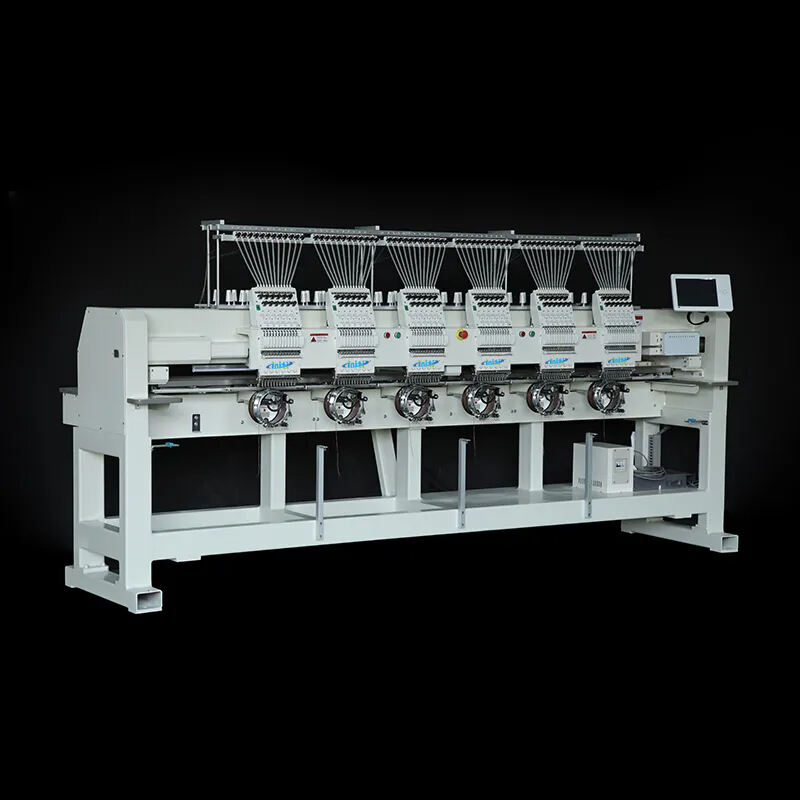
The textile industry has witnessed remarkable transformation in recent years, with businesses seeking innovative ways to enhance their production capabilities and creative output. A custom embroidery machine represents a significant investment opportunity for entrepreneurs, established businesses, and creative professionals looking to expand their service offerings. Understanding when and why to invest in such specialized equipment can determine the success of your embroidery venture and position you strategically in a competitive marketplace.
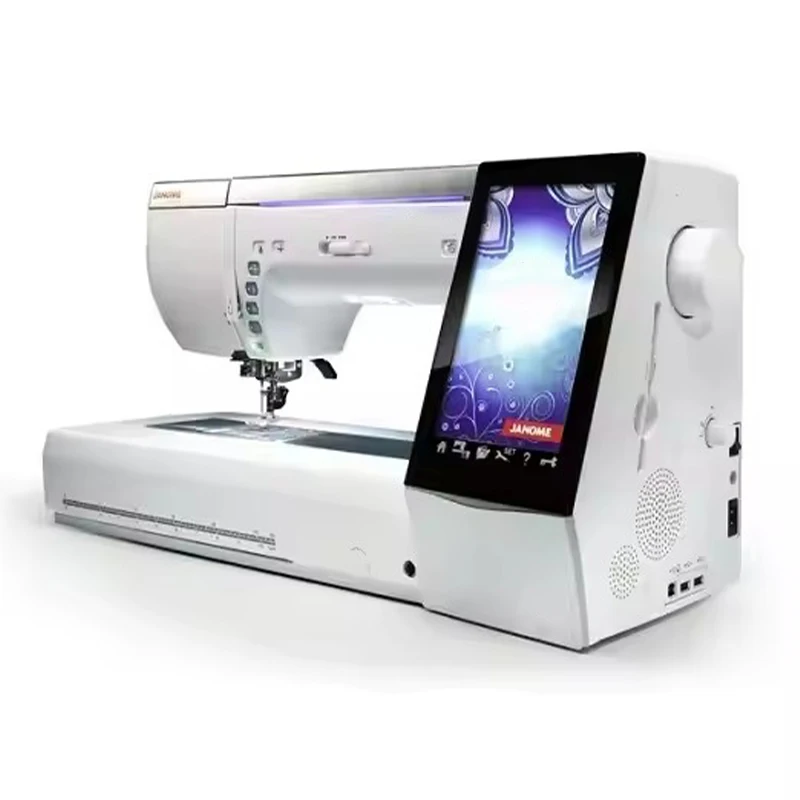
Modern embroidery technology has evolved to offer unprecedented precision, versatility, and efficiency. Whether you operate a small boutique, manage a large-scale production facility, or run a home-based creative business, the decision to acquire a custom embroidery machine requires careful consideration of multiple factors including market demand, production capacity needs, and long-term business objectives.
Market Analysis and Business Readiness Assessment
Evaluating Current Market Demand
Before investing in a custom embroidery machine, conducting thorough market research becomes essential for making informed decisions. The embroidery industry continues experiencing steady growth across various sectors including fashion, corporate branding, promotional products, and personalized gifts. Businesses should analyze local market conditions, competitor pricing strategies, and potential customer base to determine viability.
Understanding seasonal fluctuations in embroidery demand helps optimize investment timing. Holiday seasons, graduation periods, and corporate events typically generate increased orders for customized textiles. Establishing relationships with potential clients such as schools, sports teams, local businesses, and event planners can provide steady revenue streams that justify equipment investment.
Financial Readiness and Budget Planning
Successful custom embroidery machine acquisition requires comprehensive financial planning beyond the initial purchase price. Operating expenses include thread inventory, stabilizers, needles, maintenance costs, and software licensing fees. Businesses should calculate projected monthly operational costs and establish sufficient working capital for at least six months of operation.
Return on investment calculations should account for realistic production volumes, average order values, and market pricing. Many successful embroidery businesses achieve profitability within 12-18 months when properly managed with adequate market preparation and customer acquisition strategies.
Technical Capabilities and Production Requirements
Understanding Machine Specifications
A custom embroidery machine offers various technical features that directly impact production capabilities and output quality. Key specifications include embroidery field size, maximum stitch speed, number of needle positions, and compatible thread types. Single-head machines suit smaller operations while multi-head systems accommodate high-volume production requirements.
Advanced features such as automatic thread trimming, color changes, and computerized pattern recognition significantly enhance productivity and reduce operator intervention. Understanding these capabilities helps businesses select equipment aligned with their specific production needs and growth projections.
Software Integration and Design Capabilities
Modern embroidery machines rely heavily on specialized software for design creation, editing, and production management. Compatible software packages should support various file formats, offer extensive editing tools, and provide efficient workflow management capabilities. Training requirements and learning curves vary significantly between different software platforms.
Digitizing capabilities become crucial for businesses offering custom design services. While some operations purchase pre-made designs, creating original digitized patterns provides competitive advantages and higher profit margins. Evaluating software costs, training time, and ongoing support requirements helps determine total investment requirements.
Operational Efficiency and Workflow Optimization
Space Requirements and Workshop Setup
Proper workspace planning ensures optimal machine performance and operator efficiency. A custom embroidery machine requires adequate ventilation, stable electrical supply, and sufficient space for material handling and finished product storage. Workshop layout should accommodate workflow patterns from design preparation through final quality inspection.
Environmental factors such as temperature control, humidity levels, and dust prevention affect machine longevity and embroidery quality. Investing in proper workshop infrastructure protects equipment investment and maintains consistent production standards throughout operation.
Staff Training and Skill Development
Operating a custom embroidery machine effectively requires specialized skills and ongoing training. Operators must understand machine mechanics, troubleshooting procedures, thread management, and quality control processes. Initial training programs and continuing education opportunities contribute to operational success and equipment longevity.
Developing in-house expertise reduces dependence on external technical support and enables rapid response to production challenges. Many equipment manufacturers provide comprehensive training programs, technical documentation, and ongoing support services to help businesses maximize their investment value.
Strategic Timing Considerations
Industry Trends and Technology Evolution
The embroidery industry continues evolving with technological advances in machine automation, software integration, and material compatibility. Staying informed about emerging trends helps businesses time their investments to maximize technology benefits while avoiding obsolescence risks. Current trends include increased automation, wireless connectivity, and enhanced user interface design.
Evaluating manufacturer roadmaps and upgrade paths ensures long-term equipment viability. Some custom embroidery machine manufacturers offer modular designs that accommodate future upgrades without complete system replacement, providing better long-term value propositions.
Seasonal Business Cycles
Timing equipment acquisition with seasonal business patterns optimizes cash flow and operational readiness. Many businesses benefit from acquiring embroidery machines during slower periods, allowing adequate time for training, workflow development, and market preparation before peak demand seasons.
Understanding industry purchasing cycles helps negotiate better equipment prices and financing terms. End-of-year inventory clearances, trade show promotions, and manufacturer incentive programs often provide significant cost savings opportunities for strategic buyers.
Quality Standards and Production Consistency
Maintaining Professional Output Standards
Professional embroidery operations require consistent quality standards across all production runs. A custom embroidery machine must deliver reliable stitch quality, accurate positioning, and consistent thread tension throughout extended operation periods. Establishing quality control procedures ensures customer satisfaction and maintains business reputation.
Regular maintenance schedules, proper thread selection, and operator training contribute to sustained quality output. Understanding machine capabilities and limitations helps set realistic customer expectations and delivery commitments while maintaining professional standards.
Scalability and Growth Planning
Successful embroidery businesses often experience rapid growth requiring expanded production capacity. Planning for scalability involves selecting machines and software platforms that accommodate increased volume without complete system replacement. Modular designs and upgrade pathways provide flexibility for growing operations.
Evaluating future expansion possibilities helps justify initial investment costs and guides equipment selection decisions. Businesses should consider facility expansion potential, additional machine compatibility, and workforce development requirements when planning growth strategies.
FAQ
What factors determine the ideal timing for purchasing a custom embroidery machine
The optimal timing depends on market demand analysis, financial readiness, seasonal business cycles, and growth projections. Businesses should ensure adequate working capital, established customer base, and proper workspace before making significant equipment investments.
How long does it typically take to achieve profitability with a new embroidery machine
Most well-planned embroidery businesses achieve profitability within 12-18 months, depending on market conditions, pricing strategies, and operational efficiency. Success factors include proper market research, adequate training, and effective customer acquisition strategies.
What ongoing costs should be considered beyond the initial machine purchase
Ongoing expenses include thread inventory, stabilizers, needles, maintenance supplies, software licensing, utilities, and potential repair costs. Businesses should budget approximately 15-20% of annual revenue for operational supplies and maintenance expenses.
How important is software compatibility when selecting a custom embroidery machine
Software compatibility significantly impacts operational efficiency and design capabilities. Compatible software should support required file formats, provide adequate editing tools, and integrate seamlessly with existing workflow processes. Training requirements and ongoing support availability are equally important considerations.
Table of Contents
- Market Analysis and Business Readiness Assessment
- Technical Capabilities and Production Requirements
- Operational Efficiency and Workflow Optimization
- Strategic Timing Considerations
- Quality Standards and Production Consistency
-
FAQ
- What factors determine the ideal timing for purchasing a custom embroidery machine
- How long does it typically take to achieve profitability with a new embroidery machine
- What ongoing costs should be considered beyond the initial machine purchase
- How important is software compatibility when selecting a custom embroidery machine