

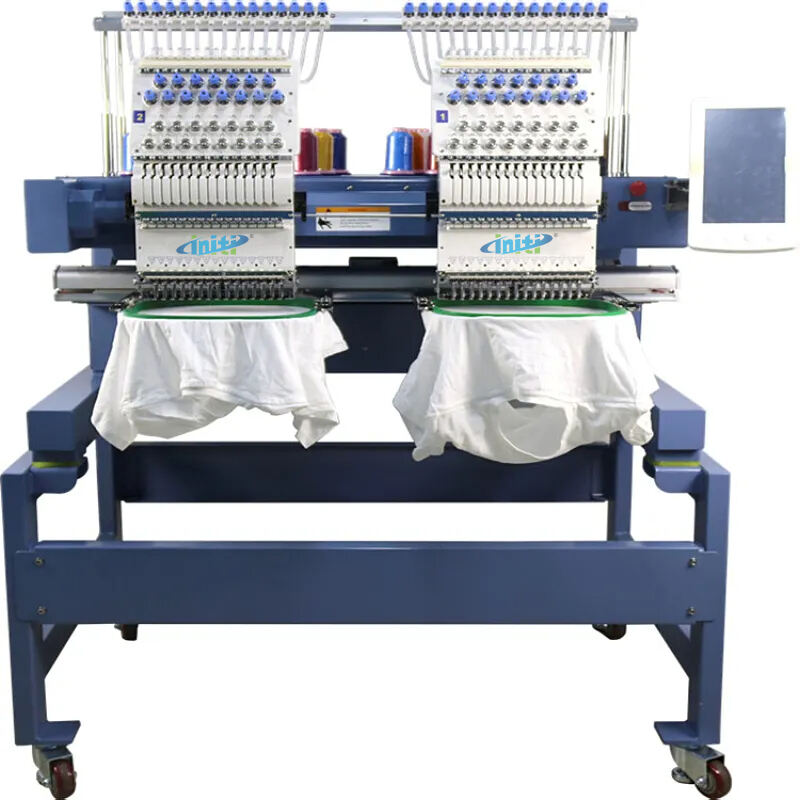
When evaluating potential suppliers for industrial equipment, asking the right questions can determine the success of your investment and operational efficiency. Whether you're sourcing manufacturing equipment, production machinery, or specialized tools, establishing a comprehensive dialogue with your prospective supplier ensures you make an informed decision that aligns with your business objectives and operational requirements.

Technical Specifications and Performance Capabilities
Machine Performance Parameters
Understanding the technical specifications of any industrial equipment requires detailed inquiry into performance metrics. For textile manufacturing equipment like an embroidery machine, specifications such as stitching speed, thread tension control, and design complexity capabilities directly impact production output. Request comprehensive technical documentation that includes maximum operating speeds, precision tolerances, and power consumption requirements to evaluate whether the equipment meets your production demands.
Production capacity calculations should account for both peak performance and sustained operational capabilities. An embroidery machine operating at maximum theoretical speed may not maintain consistent quality over extended periods, so understanding realistic production expectations becomes crucial for accurate capacity planning. Ask suppliers to provide real-world performance data from existing installations rather than relying solely on laboratory specifications.
Quality Control and Precision Standards
Quality assurance mechanisms built into manufacturing equipment determine the consistency and reliability of output products. Inquire about integrated quality control systems, sensor technologies, and automated inspection capabilities that ensure consistent product quality throughout production runs. Modern embroidery machine systems often incorporate vision systems and tension monitoring to maintain stitch quality and detect potential issues before they affect finished products.
Precision tolerances and repeatability specifications provide insight into the equipment's ability to maintain consistent performance across multiple production cycles. Understanding tolerance ranges, calibration requirements, and drift characteristics helps establish realistic quality expectations and maintenance schedules that support consistent production quality over time.
Support Services and Technical Assistance
Installation and Commissioning Support
Professional installation and commissioning services ensure optimal equipment performance from the initial startup phase. Comprehensive installation support should include site preparation requirements, utility specifications, environmental considerations, and integration with existing production systems. An experienced embroidery machine supplier should provide detailed installation timelines, resource requirements, and coordination with other equipment installations to minimize production disruptions.
Commissioning procedures validate that equipment operates according to specifications and meets performance expectations before full production begins. This process should include performance testing, calibration verification, operator training, and documentation handover to establish a solid foundation for ongoing operations and maintenance activities.
Training Programs and Knowledge Transfer
Effective operator training programs ensure your team can maximize equipment capabilities while maintaining safe operating practices. Comprehensive training should cover routine operations, basic troubleshooting, preventive maintenance procedures, and safety protocols specific to the equipment type. For complex systems like computerized embroidery machines, training programs should address software operation, design programming, and system optimization techniques.
Knowledge transfer extends beyond basic operation to include advanced techniques, optimization strategies, and best practices developed through the supplier's experience with similar installations. This institutional knowledge can significantly impact your ability to achieve optimal performance and efficiency from your equipment investment.
Maintenance Requirements and Service Accessibility
Preventive Maintenance Protocols
Understanding preventive maintenance requirements helps establish realistic operational costs and scheduling considerations for your production planning. Detailed maintenance schedules should specify routine tasks, required intervals, estimated time requirements, and necessary spare parts or consumables. An embroidery machine typically requires regular lubrication, tension adjustments, and cleaning procedures to maintain optimal performance and extend operational life.
Maintenance complexity and skill requirements determine whether your existing maintenance team can handle routine tasks or if specialized service contracts become necessary. Understanding these requirements during the selection process allows for accurate budgeting and staffing considerations that support long-term operational success.
Service Response and Parts Availability
Service response times and parts availability directly impact equipment uptime and production continuity. Establish clear expectations for emergency service response, routine maintenance scheduling, and parts delivery timelines to evaluate the supplier's ability to support your operational requirements. Geographic proximity of service centers, technician availability, and parts inventory locations all influence service effectiveness and response capabilities.
Parts availability and pricing transparency help establish accurate lifecycle cost projections for your equipment investment. Understanding lead times for critical components, obsolescence policies, and alternative sourcing options provides insight into long-term supportability and helps avoid unexpected production interruptions due to parts shortages.
Financial Considerations and Investment Protection
Total Cost of Ownership Analysis
Comprehensive cost analysis extends beyond initial purchase price to include installation costs, training expenses, ongoing maintenance requirements, and operational costs throughout the equipment lifecycle. Energy consumption, consumable requirements, and labor costs associated with operation and maintenance contribute significantly to total ownership costs and should be factored into investment decisions.
Understanding depreciation schedules, tax implications, and potential resale values helps establish accurate financial projections for your equipment investment. Some suppliers offer buy-back programs or trade-in options that can affect overall investment returns and should be considered during the evaluation process.
Financing Options and Payment Terms
Flexible financing options can significantly impact cash flow and investment timing for equipment acquisitions. Evaluate available financing programs, lease options, and payment terms to determine the most advantageous approach for your financial situation. Some embroidery machine suppliers offer specialized financing programs designed for textile manufacturers that may provide favorable terms compared to traditional equipment financing.
Payment terms and milestone structures should align with project timelines and cash flow requirements while providing appropriate protection for both parties. Understanding warranty periods, performance guarantees, and payment protection mechanisms ensures your investment remains secure throughout the acquisition and implementation process.
Technology Integration and Future Compatibility
Software Compatibility and Updates
Modern manufacturing equipment relies heavily on software systems for operation, monitoring, and integration with broader production management systems. Understanding software compatibility requirements, update policies, and integration capabilities ensures your equipment investment remains viable as technology evolves. An advanced embroidery machine should support common design file formats and integrate seamlessly with existing design software and production planning systems.
Software licensing models, update costs, and support policies affect long-term operational costs and system capabilities. Clarifying these aspects during the selection process helps avoid unexpected expenses and ensures continued access to software improvements and security updates that maintain system performance and reliability.
Connectivity and Data Management
Industry 4.0 connectivity features enable remote monitoring, predictive maintenance, and production optimization through data analytics. Understanding connectivity options, data collection capabilities, and integration with manufacturing execution systems provides insight into the equipment's ability to support advanced manufacturing practices and continuous improvement initiatives.
Data security and privacy considerations become increasingly important as equipment connectivity expands. Establishing clear policies regarding data ownership, security protocols, and privacy protection ensures your operational information remains secure while enabling beneficial connectivity features that enhance operational efficiency and decision-making capabilities.
Quality Assurance and Compliance Standards
Industry Certifications and Standards Compliance
Equipment certifications and compliance with industry standards ensure safety, reliability, and compatibility with regulatory requirements. Verify that potential suppliers maintain appropriate certifications for their equipment and can provide documentation supporting compliance with relevant safety, environmental, and quality standards applicable to your industry and geographic location.
Understanding testing protocols, quality control procedures, and manufacturing standards employed by the supplier provides insight into equipment reliability and consistency. Reputable embroidery machine manufacturers typically maintain ISO certifications, safety compliance documentation, and quality management systems that support consistent product quality and reliability.
Performance Guarantees and Warranties
Comprehensive warranty coverage and performance guarantees provide protection for your equipment investment and establish clear expectations for supplier responsibilities. Understanding warranty terms, coverage limitations, and claim procedures helps evaluate the level of protection provided and establishes realistic expectations for post-purchase support and problem resolution.
Performance guarantees should specify measurable criteria such as uptime percentages, production capacity metrics, and quality standards that the equipment must maintain. Clear documentation of these guarantees and the procedures for addressing performance shortfalls provides important protection for your investment and operational planning.
FAQ
What documentation should I request from potential equipment suppliers
Request comprehensive technical specifications, installation requirements, maintenance manuals, training materials, warranty documentation, and compliance certifications. Additionally, ask for reference installations, performance data from similar applications, and detailed cost breakdowns including ongoing operational expenses. This documentation provides the foundation for informed decision-making and establishes clear expectations for equipment performance and support requirements.
How important is geographic proximity when selecting an equipment supplier
Geographic proximity significantly impacts service response times, parts availability, and ongoing support effectiveness. While global suppliers may offer competitive pricing or advanced technology, local or regional presence ensures faster emergency response, reduced travel costs for service calls, and better understanding of local regulations and market conditions. For critical production equipment like an embroidery machine, balancing technology capabilities with service accessibility often determines long-term operational success.
What should I expect during the equipment evaluation and selection process
A thorough evaluation process typically includes initial consultations, detailed technical discussions, site visits or demonstrations, reference checks, and financial negotiations. Expect to invest significant time in understanding technical specifications, evaluating supplier capabilities, and validating performance claims through reference installations or demonstration units. The selection process should culminate in comprehensive agreements covering equipment specifications, delivery timelines, installation support, training programs, and ongoing service commitments.
How can I ensure the equipment will integrate effectively with existing production systems
Integration success requires detailed analysis of existing systems, clear specification of interface requirements, and comprehensive testing during installation and commissioning. Work closely with suppliers to understand connectivity options, data exchange formats, and control system compatibility. For embroidery machine installations, consider factors such as design file compatibility, production scheduling integration, and quality management system connections that enable seamless workflow integration and operational efficiency.
Table of Contents
- Technical Specifications and Performance Capabilities
- Support Services and Technical Assistance
- Maintenance Requirements and Service Accessibility
- Financial Considerations and Investment Protection
- Technology Integration and Future Compatibility
- Quality Assurance and Compliance Standards
-
FAQ
- What documentation should I request from potential equipment suppliers
- How important is geographic proximity when selecting an equipment supplier
- What should I expect during the equipment evaluation and selection process
- How can I ensure the equipment will integrate effectively with existing production systems