

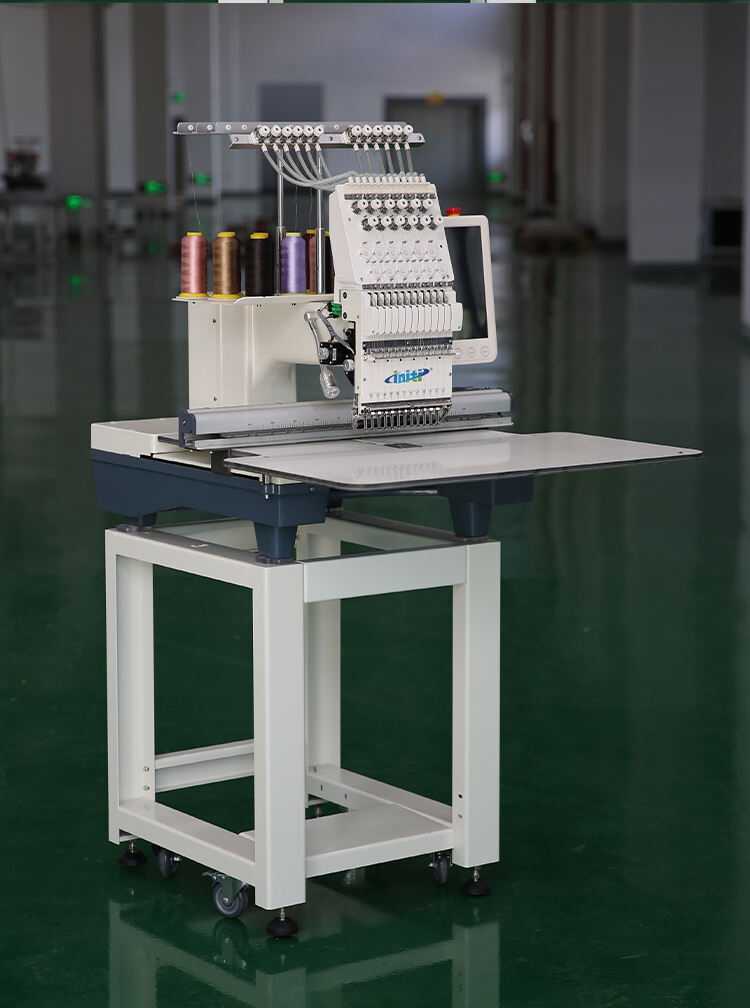
Manufacturing customized embroidery machines represents a complex journey from initial concept to final production, involving multiple stages of design, engineering, and precision manufacturing. The modern textile and garment industry increasingly demands specialized equipment that can meet unique production requirements, driving the need for tailored embroidery solutions. A customized embroidery machine begins as a vision that transforms through careful planning, technical specifications, and manufacturing excellence into a functional piece of equipment that serves specific operational needs.
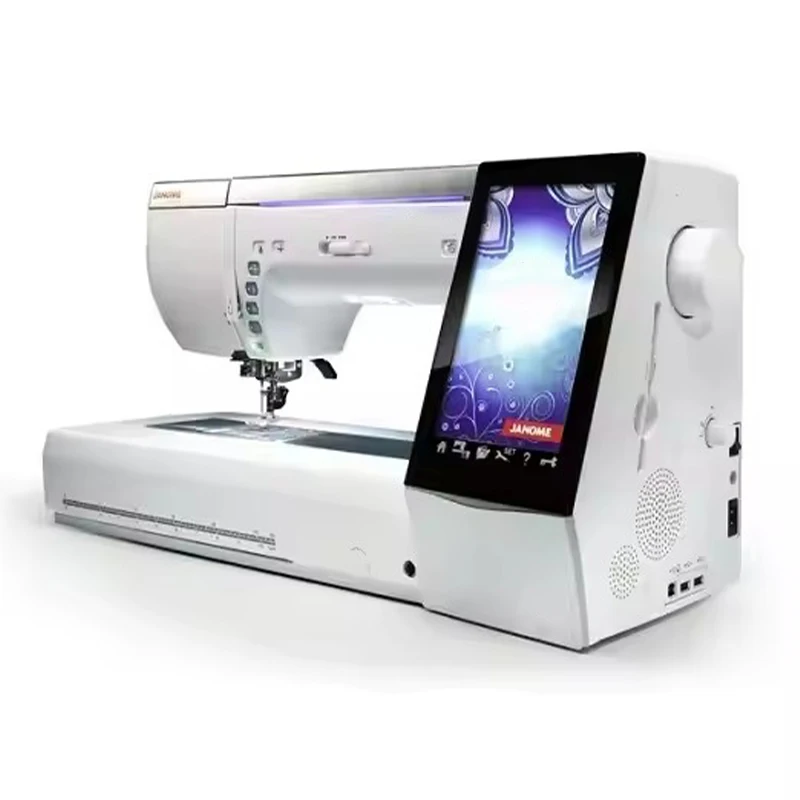
The customization process requires deep understanding of customer requirements, technical constraints, and market demands. Each customized embroidery machine project presents unique challenges that must be addressed through innovative engineering solutions and careful attention to detail. The journey from concept to completion involves collaboration between designers, engineers, manufacturers, and end users to ensure the final product meets or exceeds expectations. This comprehensive approach to customization ensures that every machine delivers optimal performance in its intended application environment.
Understanding Customer Requirements and Design Specifications
Initial Consultation and Requirement Analysis
The customization journey begins with comprehensive consultation sessions where engineers work closely with customers to understand their specific embroidery needs. These discussions cover production volume requirements, fabric types, thread specifications, design complexity, and operational environment considerations. A properly designed customized embroidery machine must accommodate the customer's workflow while providing reliable performance under their specific operating conditions. The requirement analysis phase establishes the foundation for all subsequent design and manufacturing decisions.
Technical specifications emerge from detailed conversations about stitch quality expectations, speed requirements, and integration with existing production systems. The customized embroidery machine design must balance performance capabilities with cost considerations while ensuring long-term reliability. Engineers document these requirements in comprehensive specification sheets that guide the entire development process. This thorough approach to requirement gathering prevents costly modifications later in the development cycle and ensures customer satisfaction with the final product.
Design Parameter Definition and Technical Constraints
Defining design parameters involves translating customer requirements into specific technical constraints that guide the engineering team. The customized embroidery machine design process considers factors such as maximum embroidery area, thread count capabilities, stitch precision requirements, and speed parameters. These constraints establish the boundaries within which the design team must work to create an effective solution. The parameter definition phase also identifies potential technical challenges that may require innovative solutions or design compromises.
Technical constraints include mechanical limitations, electrical requirements, software capabilities, and manufacturing feasibility considerations. Each customized embroidery machine project must work within these constraints while maximizing performance and functionality. The design team evaluates various configuration options to determine the optimal balance between capability and practical implementation. This careful consideration of technical parameters ensures that the final design can be manufactured efficiently while meeting all performance requirements.
Engineering and Prototyping Phase
Mechanical Design and Component Selection
The mechanical design phase involves creating detailed engineering drawings and selecting appropriate components for the customized embroidery machine. Engineers utilize computer-aided design software to develop precise mechanical assemblies that meet the specified performance requirements. Component selection considers factors such as durability, precision, availability, and cost-effectiveness. The mechanical design must ensure smooth operation, minimal maintenance requirements, and long service life under the intended operating conditions.
Critical mechanical components include the frame structure, drive systems, needle mechanisms, and thread handling systems. Each customized embroidery machine requires careful integration of these components to achieve optimal performance. The design team evaluates various supplier options and conducts thorough testing to ensure component reliability. Mechanical design decisions significantly impact the machine's overall performance, making this phase crucial to project success.
Electronic Control Systems and Software Development
Electronic control systems form the brain of every customized embroidery machine, managing all operational aspects from pattern interpretation to motor control. The software development process involves creating user-friendly interfaces, implementing precise motion control algorithms, and establishing reliable communication protocols. Modern embroidery machines require sophisticated software capable of handling complex design files while providing intuitive operation for end users. The control system must integrate seamlessly with mechanical components to deliver consistent, high-quality embroidery results.
Software customization allows each machine to accommodate specific customer requirements such as unique file formats, specialized stitching techniques, or integration with existing production management systems. The customized embroidery machine control software undergoes extensive testing to ensure reliability and user-friendliness. Development teams work closely with customers to refine the software interface and functionality based on their operational preferences. This collaborative approach ensures that the final software package enhances productivity rather than creating operational complexity.
Manufacturing and Quality Control Processes
Precision Manufacturing Techniques
Manufacturing a customized embroidery machine requires precision machining techniques and careful attention to tolerances throughout the production process. Advanced manufacturing equipment ensures that mechanical components meet exacting specifications necessary for smooth, reliable operation. The manufacturing process involves multiple stages including material preparation, machining operations, surface treatments, and assembly procedures. Each stage must maintain strict quality standards to ensure the final product meets performance expectations.
Quality control measures are integrated throughout the manufacturing process to identify and correct any deviations from specifications. The customized embroidery machine assembly process requires skilled technicians who understand the critical importance of proper component alignment and adjustment. Manufacturing documentation tracks every aspect of the production process, enabling continuous improvement and ensuring consistent quality across multiple units. This systematic approach to manufacturing ensures that each machine meets the high standards expected by customers.
Testing and Validation Procedures
Comprehensive testing validates that each customized embroidery machine meets all specified performance requirements before delivery to the customer. Testing procedures include mechanical function verification, electronic system validation, software functionality checks, and overall performance evaluation. The testing process simulates actual operating conditions to ensure reliable performance in the customer's environment. Various fabric types, thread materials, and design patterns are used during testing to verify machine capabilities across different applications.
Performance validation involves measuring key parameters such as stitch accuracy, speed consistency, thread tension control, and overall reliability. Each customized embroidery machine undergoes extended testing periods to identify any potential issues before shipment. The validation process includes customer-specific testing scenarios to ensure the machine will perform optimally in its intended application. Detailed test reports document all performance metrics, providing customers with confidence in their investment.
Installation and Commissioning Support
On-Site Installation Services
Professional installation services ensure that each customized embroidery machine is properly set up and calibrated for optimal performance in the customer's facility. Installation technicians bring specialized knowledge of machine setup procedures, environmental requirements, and integration considerations. The installation process includes mechanical assembly, electrical connections, software configuration, and initial calibration procedures. Proper installation is critical to achieving the performance levels promised during the design phase.
The installation team works closely with customer personnel to ensure smooth integration with existing production workflows. Each customized embroidery machine installation includes comprehensive system checks and performance verification tests. Installation services also cover operator training to ensure customer staff can effectively utilize all machine capabilities. This comprehensive approach to installation support minimizes startup time and maximizes customer satisfaction with their new equipment.
Training and Documentation
Comprehensive training programs ensure that customer personnel can operate and maintain their customized embroidery machine effectively. Training sessions cover machine operation, routine maintenance procedures, troubleshooting techniques, and software utilization. The training program is tailored to the customer's specific machine configuration and operational requirements. Experienced trainers provide hands-on instruction using actual production scenarios to maximize learning effectiveness.
Detailed documentation packages accompany each machine, including operation manuals, maintenance guides, troubleshooting charts, and spare parts catalogs. The documentation is specifically created for each customized embroidery machine configuration, ensuring relevance and accuracy. Electronic documentation formats allow for easy updates and distribution throughout the customer's organization. This comprehensive documentation support enables customers to maintain optimal machine performance throughout its service life.
Ongoing Support and Maintenance Services
Technical Support and Remote Assistance
Ongoing technical support ensures that each customized embroidery machine continues to deliver optimal performance throughout its operational life. Support services include remote diagnostic capabilities, telephone consultation, and on-site service when required. The support team maintains detailed knowledge of each machine's specific configuration and operating history. This comprehensive support approach minimizes downtime and maximizes productivity for customers.
Remote assistance capabilities allow support technicians to diagnose and resolve many issues without requiring on-site visits. The customized embroidery machine control systems include diagnostic tools that enable remote troubleshooting and performance monitoring. Support services also include software updates and feature enhancements that improve machine capabilities over time. This ongoing relationship ensures that customers receive maximum value from their equipment investment.
Preventive Maintenance Programs
Preventive maintenance programs help customers maintain peak performance from their customized embroidery machine while minimizing unexpected downtime. These programs include scheduled maintenance visits, wear part replacement schedules, and performance optimization services. Regular maintenance ensures that mechanical components operate smoothly and electronic systems function reliably. The maintenance program is tailored to each machine's specific configuration and operating environment.
Maintenance technicians utilize specialized tools and procedures developed specifically for each customized embroidery machine design. The preventive maintenance approach identifies potential issues before they cause production disruptions. Maintenance records track machine performance trends and help optimize maintenance schedules for maximum effectiveness. This proactive approach to maintenance support extends machine life while maintaining consistent production quality.
FAQ
How long does the customization process typically take for an embroidery machine
The customization timeline for a customized embroidery machine varies depending on the complexity of requirements and specific modifications needed. Simple customizations may require 4-6 weeks from order to delivery, while complex projects involving significant engineering modifications can take 12-16 weeks or longer. The timeline includes design phase, component sourcing, manufacturing, testing, and quality assurance procedures. Customers receive regular progress updates throughout the customization process to ensure transparency and manage expectations effectively.
What factors influence the cost of a customized embroidery machine
Several factors impact the cost of a customized embroidery machine, including the extent of modifications required, special components or materials needed, software customization complexity, and production volume. Engineering time for design and development, tooling requirements for unique components, and testing procedures all contribute to the overall cost. The base machine platform, additional features, and support services also influence pricing. Customers receive detailed cost breakdowns that explain all components of the customization investment.
Can existing embroidery machines be retrofitted with custom features
Retrofitting existing machines with custom features is possible in many cases, though the feasibility depends on the machine's current condition, available space for modifications, and compatibility with new components. A customized embroidery machine retrofit may include software upgrades, mechanical modifications, or additional accessories to enhance capabilities. The retrofit process typically requires less time and investment than purchasing a completely new customized machine. Technical evaluation determines which modifications are practical and cost-effective for each specific situation.
What support is available after purchasing a customized embroidery machine
Comprehensive support packages include technical assistance, maintenance services, spare parts supply, software updates, and training programs. Support options range from basic warranty coverage to comprehensive service agreements that include regular maintenance visits and priority technical assistance. The customized embroidery machine support program is tailored to each customer's operational requirements and risk tolerance. Support services ensure continued optimal performance and maximum return on the equipment investment throughout the machine's operational life.