

Investing in a custom embroidery machine represents a significant step toward transforming your creative vision into tangible, professional-quality designs. Whether you're launching a home-based business, expanding an existing operation, or simply pursuing a passionate hobby, selecting the right custom embroidery machine requires careful consideration of multiple factors. Modern embroidery technology has evolved dramatically, offering unprecedented precision, versatility, and user-friendly features that make professional-grade embroidery accessible to beginners and experts alike. Understanding the landscape of available options, key specifications, and practical applications will empower you to make an informed decision that aligns with your specific needs and budget constraints.
Essential Features to Consider in Modern Embroidery Equipment
Computerized Control Systems and Digital Integration
Contemporary custom embroidery machine models incorporate sophisticated computerized control systems that streamline the design process and enhance precision. These digital interfaces allow users to import, modify, and execute complex embroidery patterns with minimal manual intervention. Advanced software compatibility ensures seamless integration with popular design programs, enabling creative professionals to translate digital artwork directly onto fabric substrates. The computerized nature of modern machines eliminates many traditional limitations associated with manual embroidery processes, providing consistent stitch quality and reducing operator fatigue during extended production runs.
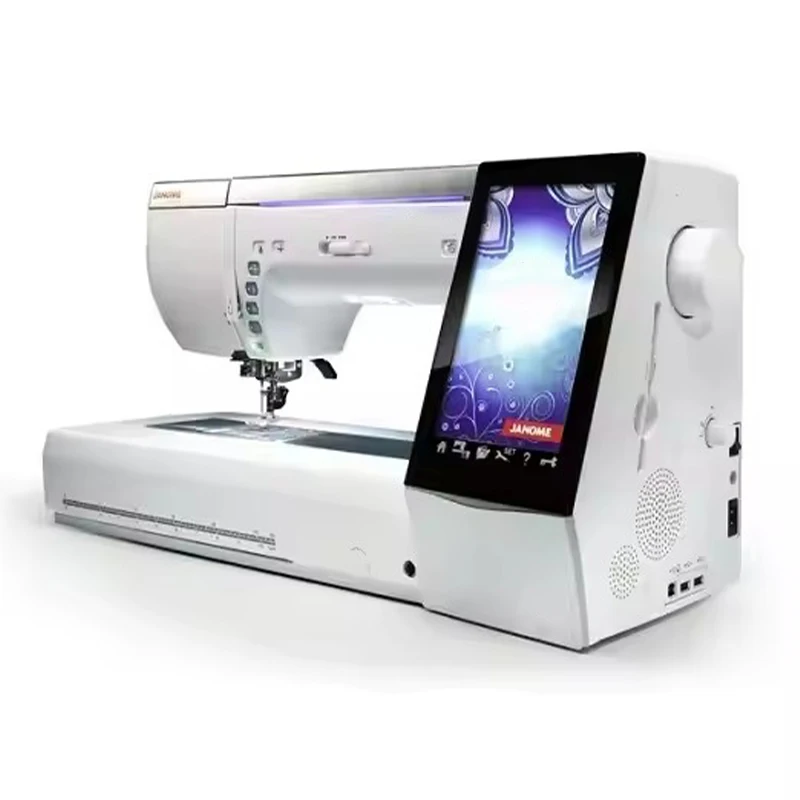
Digital connectivity features have become standard in quality custom embroidery machine units, offering USB ports, wireless capabilities, and cloud-based design libraries. These technological enhancements facilitate rapid pattern transfers, remote monitoring capabilities, and access to extensive design databases. Users can store thousands of patterns digitally, eliminating the need for physical pattern storage and enabling instant access to frequently used designs. The integration of touchscreen interfaces further simplifies operation, allowing intuitive navigation through menu systems and real-time adjustment of embroidery parameters.
Mechanical Precision and Build Quality Standards
The mechanical foundation of any custom embroidery machine directly impacts long-term performance, stitch consistency, and overall reliability. Premium machines feature precision-engineered components, including hardened steel drive systems, ball bearing assemblies, and reinforced frame construction designed to withstand continuous operation. These mechanical elements work collectively to maintain accurate needle positioning, consistent thread tension, and smooth fabric advancement throughout the embroidery process. Attention to build quality becomes particularly crucial for commercial applications where machine downtime directly translates to lost productivity and revenue.
Stitch quality parameters such as maximum speed, thread compatibility, and needle system versatility define the practical capabilities of custom embroidery machine models. Professional-grade units typically accommodate various thread types, including polyester, rayon, metallic, and specialty threads, while maintaining consistent tension across different materials. The needle system should support multiple needle sizes and types, enabling versatility across diverse fabric weights and textures. Speed specifications, measured in stitches per minute, indicate production capacity, though optimal operating speeds often depend on design complexity and fabric characteristics.
Sizing Options and Workspace Considerations
Embroidery Area Dimensions and Design Limitations
The embroidery area, or hoop size, represents one of the most critical specifications when selecting a custom embroidery machine for specific applications. Standard residential models typically offer embroidery areas ranging from 4x4 inches to 8x12 inches, while commercial units may accommodate significantly larger designs. Understanding your intended design sizes helps determine the minimum hoop dimensions required for your projects. Larger embroidery areas provide greater creative flexibility but often come with increased machine complexity and higher purchase prices.
Multi-position hooping capabilities allow users to create designs larger than the machine's maximum hoop size through precise repositioning techniques. Advanced custom embroidery machine models include automated positioning systems that ensure seamless alignment between hoop positions, eliminating visible seams or overlapping sections. This functionality proves invaluable for creating large-scale designs on items such as jackets, blankets, or banners. Consider your anticipated design scale requirements when evaluating machines, as upgrading hoop capacity later often proves more expensive than initially purchasing appropriate equipment.
Physical Space Requirements and Installation Considerations
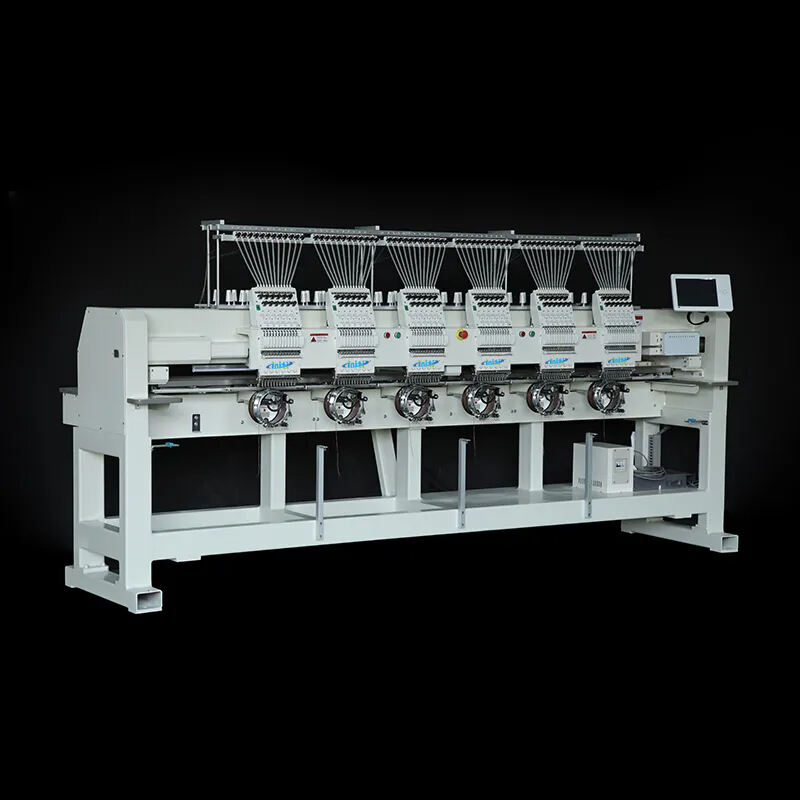
Desktop and floor-standing custom embroidery machine models require different spatial allocations and support infrastructure. Compact desktop units integrate easily into existing workspace configurations, requiring minimal dedicated area and standard electrical connections. However, larger commercial-grade machines may necessitate dedicated workstations, specialized electrical requirements, and adequate ventilation systems. Evaluate your available space carefully, accounting for operator movement, material storage, and maintenance access around the machine perimeter.
Environmental factors such as humidity control, temperature stability, and vibration isolation can significantly impact embroidery quality and machine longevity. Professional installations often incorporate climate control systems to maintain optimal operating conditions year-round. Additionally, consider proximity to design workstations, material storage areas, and finishing equipment when planning your custom embroidery machine placement. Efficient workflow design minimizes material handling time and reduces the likelihood of damage to in-process work.
Thread Management and Material Compatibility
Thread Feeding Systems and Tension Control
Sophisticated thread feeding mechanisms distinguish professional custom embroidery machine models from entry-level alternatives. Multiple thread cone capacities allow simultaneous loading of various colors, reducing setup time for complex multi-color designs. Automatic thread cutting systems eliminate manual intervention between color changes, maintaining consistent cutting positions and reducing thread waste. Thread break detection sensors pause operation immediately upon detecting broken threads, preventing design defects and minimizing rework requirements.
Precision tension control systems accommodate different thread materials and weights while maintaining consistent stitch formation throughout the embroidery process. Adjustable tension settings enable optimization for specific thread types, fabric combinations, and design characteristics. Some advanced custom embroidery machine models feature automatic tension adjustment based on thread specifications and fabric parameters, further reducing operator intervention requirements. Consistent thread tension proves critical for achieving professional-quality results across diverse material combinations.
Fabric Handling and Stabilization Techniques
Effective fabric stabilization forms the foundation of quality embroidery work, requiring appropriate stabilizer selection and proper hooping techniques. Various stabilizer types, including cutaway, tearaway, and washaway options, serve different fabric weights and design requirements. Understanding stabilizer characteristics helps optimize custom embroidery machine performance across diverse material types. Proper stabilizer selection prevents fabric distortion, eliminates puckering, and ensures dimensional stability throughout the embroidery process.
Hooping techniques significantly impact final embroidery quality, requiring consistent tension application and proper fabric grain alignment. Professional operators develop standardized hooping procedures that ensure repeatable results across production runs. Some custom embroidery machine models include hooping aids such as alignment guides, tension indicators, and quick-release mechanisms that streamline the hooping process. Consistent hooping practices minimize setup variations and contribute to uniform production quality.
Software Integration and Design Capabilities
Digitizing Software and Pattern Creation Tools
Digitizing software transforms artwork into machine-readable embroidery files, serving as the bridge between creative concepts and physical embroidery execution. Professional-grade software packages offer extensive editing capabilities, automatic digitizing features, and format conversion tools compatible with various custom embroidery machine brands. Understanding software capabilities helps determine the creative flexibility available for your projects. Advanced digitizing features include automatic underlay generation, stitch optimization algorithms, and color matching systems.
File format compatibility ensures seamless communication between design software and embroidery equipment. Common formats include DST, PES, JEF, and EXP, each with specific characteristics and compatibility requirements. Some custom embroidery machine models support multiple formats natively, while others require conversion utilities. Maintaining design files in native machine formats optimizes performance and ensures compatibility with machine-specific features. Backup strategies for digital design libraries protect valuable intellectual property and prevent data loss incidents.
Design Library Management and Organization Systems
Efficient design library organization facilitates rapid pattern retrieval and maintains creative workflow momentum. Cloud-based storage solutions provide remote access capabilities while ensuring data security through automated backup systems. Cataloging systems with searchable metadata enable quick location of specific designs based on criteria such as size, color count, stitch density, or application type. Some custom embroidery machine manufacturers provide proprietary design libraries with regularly updated content, expanding creative possibilities without additional digitizing costs.
Version control systems track design modifications and maintain historical records of pattern development. This capability proves valuable when refining designs based on production feedback or client requirements. Advanced organization features include design preview capabilities, batch processing tools, and automated file optimization routines. Establishing systematic naming conventions and folder structures from the beginning prevents confusion as design libraries grow over time.
Maintenance Requirements and Operational Support
Routine Maintenance Protocols and Component Replacement
Regular maintenance schedules ensure consistent custom embroidery machine performance and extend equipment lifespan significantly. Daily maintenance routines typically include thread path cleaning, needle inspection, and lubrication point service according to manufacturer specifications. Weekly maintenance expands to include timing belt inspection, thread tension calibration, and comprehensive cleaning of internal mechanisms. Monthly procedures often involve deeper component inspection, software updates, and preventive part replacement based on usage hours.
Component replacement schedules help prevent unexpected breakdowns and maintain production continuity. Consumable items such as needles, bobbins, and drive belts require regular replacement based on usage patterns and operating conditions. Keeping adequate spare part inventory minimizes downtime when replacements become necessary. Some custom embroidery machine manufacturers offer maintenance contracts that include routine service visits, priority parts availability, and technical support services.
Technical Support and Training Resources
Comprehensive technical support significantly impacts the overall ownership experience and operational success with custom embroidery machine equipment. Manufacturer support typically includes phone consultation, online resources, video tutorials, and on-site service options. Response time commitments and support availability hours vary significantly between manufacturers, making these factors important considerations during equipment selection. Some companies offer tiered support levels with premium options providing faster response times and extended service hours.
Training resources help operators maximize custom embroidery machine capabilities and avoid common operational mistakes. Initial training programs cover basic operation, routine maintenance, troubleshooting procedures, and safety protocols. Advanced training modules address complex design techniques, software integration, and production optimization strategies. Online training platforms provide ongoing education opportunities and access to updated procedures as software and hardware evolve.
Cost Analysis and Return on Investment Factors
Initial Investment and Financing Considerations
Custom embroidery machine pricing varies dramatically based on features, capacity, and intended application. Entry-level residential models typically range from several hundred to a few thousand dollars, while commercial-grade equipment can exceed tens of thousands of dollars. Understanding the relationship between price and capabilities helps establish realistic budget parameters for your specific requirements. Hidden costs such as software licensing, training, installation, and initial supply inventory should be factored into total investment calculations.
Financing options make custom embroidery machine ownership accessible across various budget ranges. Lease arrangements provide access to advanced equipment while preserving working capital for other business needs. Purchase financing typically offers lower total costs but requires larger upfront commitments. Some manufacturers provide promotional financing terms during specific periods, making high-end equipment more accessible. Evaluate financing terms carefully, considering interest rates, payment schedules, and end-of-term options.
Operational Costs and Revenue Generation Potential
Ongoing operational costs include thread, stabilizers, needles, maintenance supplies, and electricity consumption. Thread costs vary significantly based on quality levels and purchasing volumes, with bulk purchases typically offering substantial savings. Stabilizer selection impacts both quality and costs, requiring balance between performance requirements and budget constraints. Regular maintenance supplies and replacement parts represent predictable ongoing expenses that should be budgeted appropriately.
Revenue generation potential depends on market demand, pricing strategies, and production capacity utilization. Custom embroidery services command premium pricing compared to standard printing alternatives, particularly for small quantities and specialized applications. Market research helps identify profitable niches and competitive pricing strategies. Production capacity planning ensures custom embroidery machine capabilities align with anticipated demand levels while maintaining service quality standards.
FAQ
What is the typical lifespan of a custom embroidery machine with regular use
A well-maintained custom embroidery machine typically operates effectively for 10-15 years with regular commercial use, though some professional-grade units continue functioning reliably for decades. Lifespan depends heavily on maintenance consistency, operating conditions, and usage intensity. Residential users often experience longer equipment life due to lower duty cycles and gentler operating conditions. Key factors affecting longevity include component quality, environmental conditions, operator skill level, and adherence to recommended maintenance schedules.
How much space do I need for a home-based custom embroidery machine setup
A basic home custom embroidery machine setup typically requires 6-8 feet of linear workspace and 4-6 feet of depth to accommodate the machine, operator chair, and material handling areas. Additional space is needed for thread storage, stabilizer inventory, and finished work staging. Consider ceiling height requirements for larger machines and ensure adequate lighting and electrical access. Professional installations often benefit from dedicated rooms with climate control and vibration isolation for optimal results.
Can I use any thread type with my custom embroidery machine
Thread compatibility varies significantly between custom embroidery machine models, with most units designed for specific thread weights and materials. Common compatible threads include polyester, rayon, cotton, and some metallic varieties. Specialty threads such as heavy metallics, thick decorative threads, or unconventional materials may require machine modifications or specific needle types. Always consult manufacturer specifications and conduct test runs before committing to large projects with unfamiliar thread types.
What software is required to create designs for custom embroidery machines
Custom embroidery machine operation requires digitizing software to convert artwork into machine-readable formats. Entry-level software options include basic editing and format conversion capabilities, while professional packages offer advanced digitizing features, automatic stitch generation, and comprehensive design libraries. Some machines include basic software packages, though serious users typically upgrade to more capable programs. Popular software brands include Wilcom, Pulse, and Hatch, each offering different feature sets and pricing structures to match user requirements and budgets.