

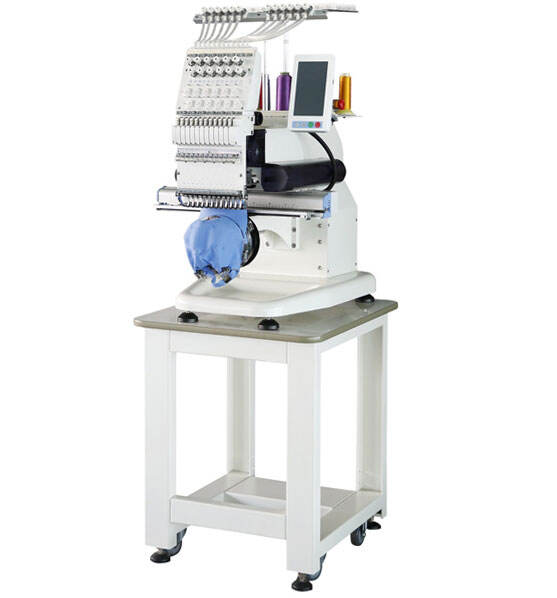
In today's rapidly evolving manufacturing landscape, businesses face the constant challenge of staying competitive while maximizing their investment returns. The textile and embroidery industry exemplifies this challenge, where market demands shift frequently and customization requirements vary dramatically across different sectors. A customizable embroidery machine represents more than just equipment—it embodies a strategic approach to future-proofing your business operations. These adaptable systems offer the flexibility to meet changing customer demands while maintaining operational efficiency and cost-effectiveness. Understanding how customizable features can transform your investment strategy is crucial for businesses seeking long-term success in the competitive embroidery market.
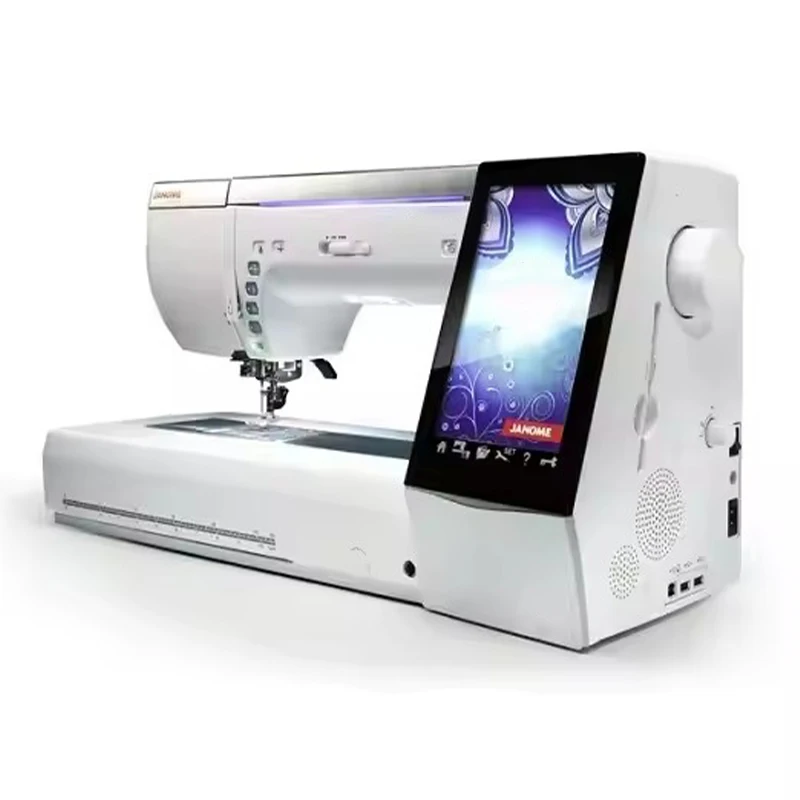
Understanding Customizable Embroidery Technology
Core Components of Adaptable Systems
Modern customizable embroidery machine technology centers around modular design principles that allow for easy adaptation and expansion. These systems typically feature interchangeable components, software-driven customization options, and scalable hardware configurations. The modularity extends beyond simple add-ons to encompass fundamental machine operations, including stitch pattern generation, thread management, and fabric handling mechanisms. This approach ensures that your customizable embroidery machine can evolve alongside your business requirements without requiring complete equipment replacement.
The technological foundation of these adaptable systems relies on advanced computerized controls that manage multiple parameters simultaneously. These controls enable operators to adjust tension settings, modify stitch densities, and customize embroidery speeds based on specific project requirements. The integration of digital interfaces allows for real-time monitoring and adjustment, ensuring consistent quality across various customization scenarios. This level of control makes the customizable embroidery machine an invaluable tool for businesses serving diverse market segments.
Software Integration and Digital Capabilities
The software component of a customizable embroidery machine serves as the brain that transforms creative concepts into executable embroidery patterns. Modern systems incorporate sophisticated design software that supports multiple file formats, enabling seamless integration with existing design workflows. These digital capabilities extend beyond basic pattern creation to include automated thread cutting, color sequencing, and quality control monitoring. The software's adaptability ensures that your customizable embroidery machine remains compatible with evolving industry standards and customer requirements.
Advanced software features include machine learning algorithms that optimize stitching patterns based on fabric type and thread characteristics. This intelligence allows the customizable embroidery machine to automatically adjust parameters for different materials, reducing setup time and improving consistency. The software also supports remote monitoring and control capabilities, enabling operators to manage multiple machines from a central location. This connectivity feature proves particularly valuable for businesses operating multiple customizable embroidery machine units across different locations.
Investment Benefits of Customizable Features
Return on Investment Analysis
The financial benefits of investing in a customizable embroidery machine extend far beyond the initial purchase price. These systems typically deliver superior return on investment through increased operational efficiency, reduced downtime, and enhanced production flexibility. The ability to handle diverse project types without additional equipment purchases significantly improves cost-effectiveness over traditional single-purpose machines. Businesses often report payback periods of 18-24 months when implementing customizable embroidery machine solutions in their operations.
Long-term cost savings emerge from the reduced need for equipment replacement and upgrade cycles. A well-designed customizable embroidery machine can adapt to new market requirements through software updates and modular hardware additions rather than complete system replacement. This adaptability translates to lower capital expenditures and improved cash flow management. Additionally, the versatility of these systems allows businesses to pursue new market opportunities without significant additional investment in specialized equipment.
Market Expansion Opportunities
The versatility of a customizable embroidery machine opens doors to previously inaccessible market segments and customer bases. Small businesses can serve both high-volume commercial accounts and specialized custom orders using the same equipment platform. This flexibility enables companies to diversify their revenue streams and reduce dependence on single market segments. The ability to quickly adapt to new embroidery trends and techniques ensures that businesses remain competitive in rapidly changing markets.
Market expansion benefits include the capacity to handle specialized applications such as medical textiles, automotive embroidery, and technical fabrics. A customizable embroidery machine equipped with appropriate modules can process these demanding applications while maintaining the ability to return to standard commercial work. This versatility allows businesses to command premium pricing for specialized services while maintaining cost-effective operations for standard projects. The result is improved profit margins and enhanced business sustainability.
Technical Specifications and Adaptability
Hardware Configuration Options
The hardware adaptability of a modern customizable embroidery machine encompasses multiple configuration options designed to meet specific operational requirements. These configurations include variable hoop sizes, adjustable needle counts, and interchangeable thread delivery systems. The modular design allows businesses to start with basic configurations and expand capabilities as demand grows. This scalability ensures that the customizable embroidery machine investment remains relevant throughout different business growth phases.
Advanced hardware features include automatic thread trimming systems, multi-directional fabric feeding mechanisms, and precision positioning controls. These components work together to deliver consistent results across various fabric types and embroidery complexity levels. The customizable embroidery machine can accommodate everything from delicate silk fabrics to heavy canvas materials through appropriate hardware adjustments. This versatility eliminates the need for multiple specialized machines, reducing floor space requirements and maintenance complexity.
Performance Optimization Features
Performance optimization in a customizable embroidery machine involves sophisticated control systems that monitor and adjust operational parameters in real-time. These systems track thread tension, needle deflection, and fabric movement to ensure optimal stitch quality throughout the embroidery process. The machine's ability to automatically compensate for variations in material properties or environmental conditions maintains consistent output quality regardless of external factors.
Energy efficiency represents another critical performance aspect of modern customizable embroidery machine designs. Advanced power management systems reduce electricity consumption during idle periods while maintaining instant readiness for production activities. This efficiency extends to compressed air usage, lubrication systems, and cooling mechanisms, resulting in lower operational costs and reduced environmental impact. The combination of performance optimization and energy efficiency makes the customizable embroidery machine an environmentally responsible investment choice.
Industry Applications and Versatility
Commercial Embroidery Operations
Commercial embroidery businesses benefit significantly from the adaptability of a customizable embroidery machine in handling diverse client requirements. These operations typically serve multiple industries, including apparel decoration, promotional products, and corporate branding applications. The machine's ability to quickly switch between different embroidery styles, thread types, and production volumes makes it ideal for commercial environments where versatility directly translates to profitability.
The customizable embroidery machine excels in commercial settings through features like rapid design loading, automated production sequencing, and batch processing capabilities. These features enable operators to maintain high throughput while preserving attention to detail and quality consistency. The machine's digital integration capabilities also support inventory management and production tracking systems, providing valuable business intelligence for operational optimization.
Specialized Manufacturing Applications
Beyond traditional commercial applications, customizable embroidery machine technology serves specialized manufacturing sectors that demand precise control and unique capabilities. Medical textile production, for instance, requires strict adherence to cleanliness standards and biocompatible materials. The machine's customizable features allow for easy cleaning protocols and material handling procedures that meet medical industry requirements. Similarly, automotive applications benefit from the machine's ability to handle technical threads and specialized backing materials.
Aerospace and defense applications represent another specialized sector where customizable embroidery machine technology proves invaluable. These industries require precise logo placement, specific thread types, and documented quality control procedures. The machine's digital control systems provide the necessary precision and documentation capabilities while maintaining the flexibility to adapt to changing specifications. This adaptability ensures compliance with industry standards while supporting innovation in textile applications.
Future-Proofing Strategies
Technology Evolution and Upgradability
The concept of future-proofing with a customizable embroidery machine extends beyond current capabilities to encompass anticipated technological developments. Modern systems incorporate upgradeable components and expandable architectures that accommodate emerging technologies such as artificial intelligence, IoT connectivity, and advanced materials handling. This forward-thinking design approach ensures that your investment remains valuable as industry standards evolve and new opportunities emerge.
Software upgradability represents a crucial aspect of future-proofing strategies for customizable embroidery machine investments. Regular software updates introduce new features, improve existing capabilities, and maintain compatibility with evolving file formats and communication protocols. The ability to incorporate new embroidery techniques and design methodologies through software updates extends the machine's useful life and maintains its competitive relevance in changing markets.
Market Adaptation Capabilities
Market adaptation through customizable embroidery machine technology involves the ability to respond quickly to changing customer preferences and industry trends. The machine's modular design allows businesses to add new capabilities without disrupting existing operations or requiring extensive retraining. This adaptability proves particularly valuable in fast-moving markets where competitive advantage depends on the ability to offer new services quickly and efficiently.
The customizable embroidery machine's network connectivity enables real-time market response through remote configuration updates and centralized design distribution. This capability allows businesses to launch new product lines or respond to customer requests without physical presence at production facilities. The result is improved customer service, faster time-to-market for new offerings, and enhanced competitive positioning in dynamic market environments.
FAQ
What makes a customizable embroidery machine different from standard models
A customizable embroidery machine differs from standard models through its modular design approach, which allows for hardware and software modifications based on specific operational requirements. Unlike fixed-configuration machines, customizable systems offer interchangeable components, scalable capabilities, and adaptive control systems that can be adjusted for different applications. This flexibility enables businesses to modify their equipment as needs change rather than purchasing entirely new machines.
How does customization affect maintenance requirements
Customizable embroidery machine maintenance requirements are typically simplified through modular component design and standardized interfaces. The ability to replace or upgrade individual components reduces downtime and maintenance complexity compared to integrated systems where component failure affects entire machine operations. Additionally, digital diagnostic capabilities provide predictive maintenance alerts that help prevent unexpected breakdowns and optimize service scheduling.
Can existing embroidery operations integrate customizable machines
Most existing embroidery operations can successfully integrate customizable embroidery machine technology through careful planning and phased implementation approaches. These machines typically support standard industry file formats and communication protocols, ensuring compatibility with existing design software and workflow systems. The modular nature of customizable systems allows businesses to start with basic configurations that match current capabilities and expand functionality as operators become familiar with new features.
What training is required for customizable embroidery machine operation
Training requirements for customizable embroidery machine operation depend on the complexity of customization features being utilized and the experience level of operators. Basic operation typically requires similar training to standard embroidery machines, while advanced customization features may require additional instruction on software configuration and hardware adjustment procedures. Most manufacturers provide comprehensive training programs that cover both basic operation and advanced customization techniques to ensure optimal system utilization.