

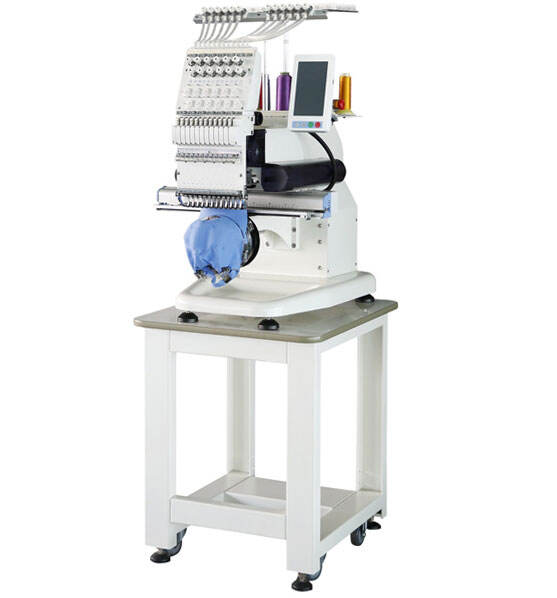
Investing in a custom embroidery machine represents a significant decision for businesses looking to expand their manufacturing capabilities or enhance their production quality. Whether you're a startup textile company or an established manufacturer seeking to upgrade your equipment, understanding the critical factors that influence this investment can make the difference between success and costly mistakes. The embroidery industry has evolved dramatically over the past decade, with technological advancements offering unprecedented precision and efficiency. However, selecting the right custom embroidery machine requires careful evaluation of multiple technical, financial, and operational considerations that will impact your business for years to come.
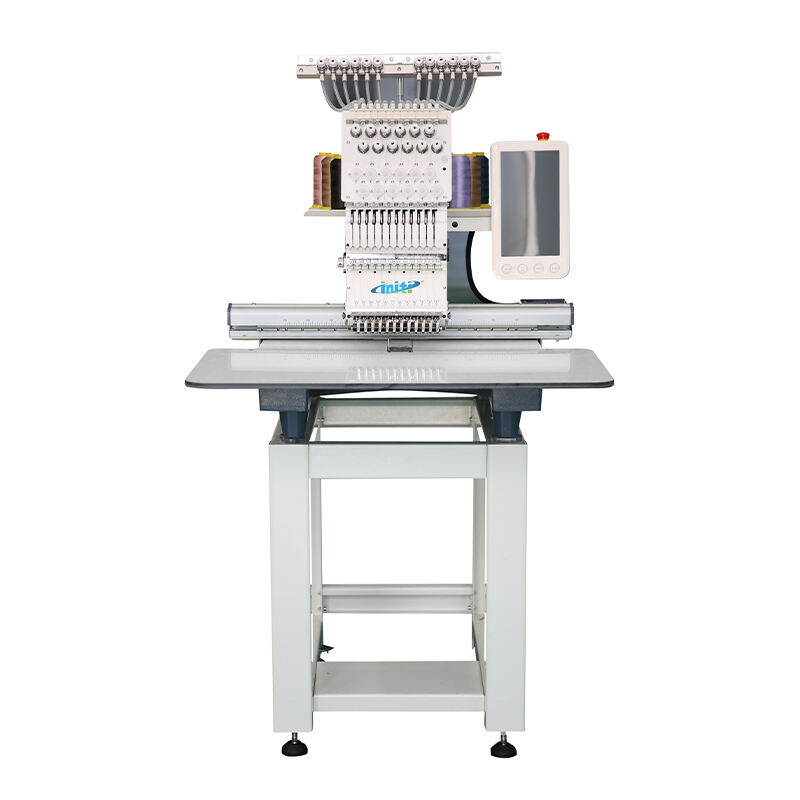
Understanding Your Production Requirements
Volume and Capacity Planning
Before committing to any custom embroidery machine purchase, conducting a thorough analysis of your current and projected production volumes is essential. Manufacturing businesses often underestimate their future capacity needs, leading to premature equipment obsolescence or inefficient operations. Consider your peak production periods, seasonal fluctuations, and growth projections over the next three to five years. A custom embroidery machine should accommodate not only your immediate requirements but also provide scalability for business expansion.
The relationship between production volume and machine specifications directly impacts your return on investment. High-volume operations typically benefit from multi-head configurations that can process multiple garments simultaneously, while smaller businesses might find single-head units more cost-effective initially. Evaluate your order patterns, typical batch sizes, and delivery timelines to determine the optimal machine configuration that balances productivity with operational flexibility.
Design Complexity and Stitch Requirements
Different custom embroidery machine models excel at various design complexities and stitch types. Simple text and logo embroidery requires different capabilities compared to intricate artwork with multiple color changes and specialized stitching techniques. Analyze your typical design portfolio to identify the maximum stitch counts, color variations, and technical requirements your machine must handle. This analysis will help determine necessary features such as automatic thread trimming, color change systems, and digitizing software compatibility.
Consider the learning curve associated with operating advanced custom embroidery machine features. While sophisticated capabilities can expand your service offerings, they also require skilled operators and potentially longer setup times. Balance your ambitions for design complexity with your team's technical expertise and training capacity. Sometimes, a simpler machine with room for future upgrades proves more practical than investing in advanced features that remain underutilized.
Technical Specifications and Performance Metrics
Speed and Efficiency Considerations
The operational speed of a custom embroidery machine significantly influences your production capacity and profitability. However, maximum advertised speeds don't always translate to real-world performance, especially when factoring in setup time, thread changes, and quality control processes. Evaluate machines based on their effective production speed rather than theoretical maximums. Consider how speed variations affect stitch quality, particularly for delicate fabrics or complex designs that require slower, more precise operation.
Efficiency extends beyond raw speed to encompass automated features that reduce manual intervention. Modern custom embroidery machine models offer automatic thread trimming, tension adjustment, and even fabric positioning systems that minimize operator involvement. These features become increasingly valuable in high-volume operations where labor costs represent a significant portion of production expenses. Calculate the potential labor savings from automation features against their additional purchase cost to determine the most economically viable configuration.
Build Quality and Durability Factors
The construction quality of a custom embroidery machine directly correlates with its operational lifespan and maintenance requirements. Industrial-grade machines typically feature heavier frames, precision-machined components, and robust drive systems that withstand continuous operation. Examine the machine's frame construction, motor specifications, and component materials to assess long-term durability. A higher initial investment in quality often results in lower lifetime costs through reduced maintenance and extended operational life.
Pay particular attention to critical wear components such as needles, hooks, and tensioning systems. These elements experience the most stress during operation and their quality significantly impacts both machine longevity and output consistency. Research the availability and cost of replacement parts, as some custom embroidery machine manufacturers maintain better parts support networks than others. Factor ongoing maintenance costs into your total cost of ownership calculations.
Financial Analysis and Return on Investment
Initial Investment and Financing Options
The purchase price of a custom embroidery machine represents just one component of the total investment required. Additional costs include installation, training, software licenses, and initial inventory of threads and consumables. Many businesses underestimate these ancillary expenses, which can add twenty to thirty percent to the base machine cost. Develop a comprehensive budget that accounts for all implementation expenses to avoid financial surprises during the acquisition process.
Explore various financing options available for custom embroidery machine purchases, including traditional loans, equipment leasing, and manufacturer financing programs. Each option offers different advantages depending on your cash flow situation and tax considerations. Leasing might provide lower monthly payments and potential tax benefits, while purchasing offers long-term ownership advantages and no mileage or usage restrictions. Consult with financial advisors to determine the most advantageous financing structure for your specific circumstances.
Operational Cost Projections
Beyond the initial purchase, operating a custom embroidery machine involves ongoing expenses that significantly impact profitability. Thread consumption varies dramatically based on design complexity and stitch density, making accurate consumption forecasting crucial for pricing strategies. Calculate thread costs per design type to establish minimum pricing thresholds that ensure profitability. Factor in waste percentages from setup processes, thread changes, and occasional quality issues that require rework.
Maintenance costs constitute another significant operational expense category. Regular servicing, replacement of wear parts, and occasional repairs must be budgeted to maintain optimal machine performance. Establish relationships with qualified service technicians and understand their availability in your geographic area. Some custom embroidery machine manufacturers offer comprehensive service contracts that provide predictable maintenance costs and priority support, which can be valuable for businesses dependent on continuous operation.
Software Integration and Technology Compatibility
Digitizing Software Requirements
The software ecosystem surrounding a custom embroidery machine significantly impacts operational efficiency and creative capabilities. Professional digitizing software enables the conversion of artwork into machine-readable embroidery files, but compatibility varies between software packages and machine brands. Evaluate the learning curve associated with different software options and consider the availability of training resources. Some manufacturers bundle comprehensive software packages with their machines, while others require separate software purchases that can add substantial costs.
Consider the ongoing software support and update policies of your chosen platform. Technology evolves rapidly, and software that becomes obsolete or unsupported can limit your machine's capabilities over time. Investigate the software company's track record for updates, new feature development, and technical support quality. Cloud-based software solutions offer advantages in terms of updates and accessibility but may require reliable internet connectivity that some production environments lack.
Network Connectivity and File Management
Modern custom embroidery machine operations benefit significantly from network connectivity that enables remote design transfer, production monitoring, and machine diagnostics. Ethernet and wireless connectivity options allow seamless integration with design workstations and production management systems. However, network integration also introduces cybersecurity considerations that manufacturing businesses must address through appropriate firewalls and access controls.
File management systems become increasingly important as design libraries grow and multiple operators access the same machine. Establish standardized naming conventions, version control procedures, and backup protocols to prevent design loss or confusion. Some custom embroidery machine control systems include built-in file management features, while others require separate database solutions. Consider how your chosen system will integrate with existing business processes and whether additional training will be required for staff members.
Vendor Selection and Support Services
Manufacturer Reputation and Market Presence
The reputation and stability of your custom embroidery machine manufacturer significantly impact long-term satisfaction and support quality. Research the company's history, financial stability, and market presence in your region. Established manufacturers typically offer better parts availability, technical support networks, and resale value retention. However, newer companies might provide innovative features or competitive pricing that offset these advantages. Investigate customer reviews, industry references, and trade publication coverage to assess manufacturer credibility.
Consider the manufacturer's commitment to research and development, which influences future machine capabilities and software updates. Companies that actively invest in technology advancement are more likely to provide ongoing value through firmware updates and new feature releases. Examine their product roadmap and development philosophy to ensure alignment with your long-term business objectives. Some custom embroidery machine manufacturers focus on incremental improvements, while others pursue revolutionary changes that might require additional training or process modifications.
Training and Technical Support Infrastructure
Comprehensive training programs significantly reduce the time required to achieve productive operation of a new custom embroidery machine. Evaluate the training options provided by different manufacturers, including on-site instruction, factory training programs, and online resources. Consider the depth of training coverage, from basic operation through advanced troubleshooting and maintenance procedures. Some manufacturers provide ongoing education opportunities that help operators stay current with new techniques and capabilities.
Technical support availability directly impacts your ability to maintain continuous production when issues arise. Investigate support hours, response time commitments, and the technical competence of support staff. Remote diagnostic capabilities can significantly reduce downtime by enabling technicians to identify and sometimes resolve issues without site visits. However, ensure that local service technicians are available for repairs requiring physical intervention. The quality of technical documentation and user manuals also influences your team's ability to perform routine maintenance and minor troubleshooting independently.
Space Requirements and Installation Considerations
Physical Space and Environmental Needs
A custom embroidery machine requires adequate space not only for the machine itself but also for operator movement, material handling, and maintenance access. Measure your available floor space carefully and account for recommended clearances around the machine. Consider the workflow patterns in your production area and how the machine placement will affect material flow and operator efficiency. Some installations benefit from dedicated embroidery areas that minimize contamination from other manufacturing processes.
Environmental factors such as temperature, humidity, and vibration can significantly impact custom embroidery machine performance and longevity. Thread tension and fabric behavior change with humidity variations, potentially affecting stitch quality and consistency. Excessive vibration from nearby equipment can cause registration problems and premature component wear. Evaluate your facility's environmental conditions and consider whether modifications such as climate control or vibration isolation might be necessary to optimize machine performance.
Utility Requirements and Infrastructure
Modern custom embroidery machine installations require various utility connections including electrical power, compressed air, and sometimes specialized lighting. Verify that your facility's electrical system can support the machine's power requirements, considering both startup surge currents and continuous operating loads. Three-phase power is often preferred for larger machines due to improved efficiency and reduced electrical noise. Consult with qualified electricians to ensure proper installation and compliance with local electrical codes.
Compressed air systems power various pneumatic functions in advanced custom embroidery machine models, including fabric clamping and automatic thread trimming. The air quality and pressure requirements vary between manufacturers, and contaminated air can cause operational problems or component damage. Install appropriate filtration and pressure regulation equipment to ensure reliable air supply. Consider backup power systems for critical operations where extended downtime would result in significant financial losses or missed delivery commitments.
FAQ
What is the typical lifespan of a custom embroidery machine in industrial applications
Industrial-grade custom embroidery machine equipment typically operates effectively for fifteen to twenty years with proper maintenance and care. However, the practical lifespan often depends more on technological obsolescence than mechanical wear. Machines used in high-volume operations may require major component replacements after ten to twelve years, while lighter-duty applications can extend operational life significantly. Regular maintenance, quality consumables, and appropriate operating conditions significantly influence longevity. Consider that software compatibility and parts availability may limit useful life even when mechanical components remain functional.
How much space should I allocate for a single-head custom embroidery machine installation
A single-head custom embroidery machine typically requires a minimum floor space of eight by ten feet for the machine itself, plus additional area for operator access and material handling. Allow at least three feet of clearance on all sides for maintenance access and safe operation. Factor in space for thread storage, design workstations, and finished goods staging. Multi-head configurations require proportionally more space and may benefit from dedicated production areas with controlled environmental conditions. Consider future expansion possibilities when planning your layout to avoid costly facility modifications later.
What training time should I expect for operators to become proficient with a new custom embroidery machine
Basic operational proficiency with a custom embroidery machine typically requires one to two weeks of intensive training for operators with previous textile manufacturing experience. Complete mastery including advanced troubleshooting, complex setup procedures, and quality optimization may take several months of regular operation. Operators without prior embroidery experience may require four to six weeks to achieve basic proficiency. The complexity of your typical designs and the sophistication of the machine significantly influence training requirements. Ongoing education programs help operators stay current with new techniques and maintain optimal productivity levels.
How do I determine the appropriate thread capacity and storage requirements for my custom embroidery machine operation
Thread capacity requirements depend on your design complexity, production volume, and color variety. Calculate average thread consumption per design type and multiply by your daily production targets to establish baseline inventory needs. Factor in a safety stock of twenty to thirty percent to accommodate variations in demand and supply disruptions. Different thread types and colors have varying consumption rates, with darker colors and metallic threads typically requiring higher inventory levels due to increased breakage rates. Consider climate-controlled storage to maintain thread quality and prevent degradation that can cause operational problems in your custom embroidery machine.
Table of Contents
- Understanding Your Production Requirements
- Technical Specifications and Performance Metrics
- Financial Analysis and Return on Investment
- Software Integration and Technology Compatibility
- Vendor Selection and Support Services
- Space Requirements and Installation Considerations
-
FAQ
- What is the typical lifespan of a custom embroidery machine in industrial applications
- How much space should I allocate for a single-head custom embroidery machine installation
- What training time should I expect for operators to become proficient with a new custom embroidery machine
- How do I determine the appropriate thread capacity and storage requirements for my custom embroidery machine operation