

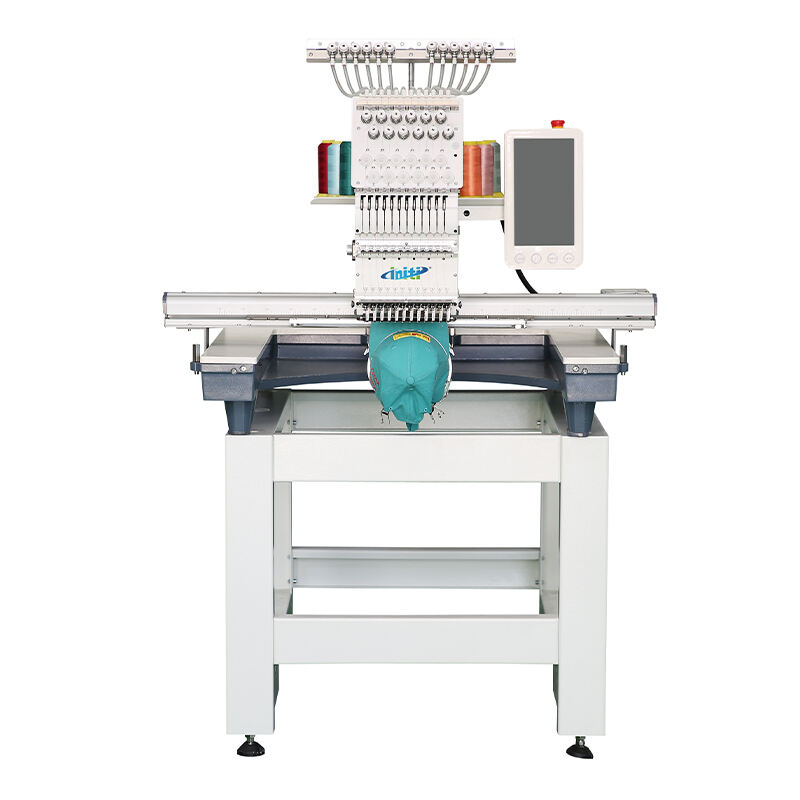
Entering the world of embroidery can be both exciting and overwhelming, especially when searching for the perfect machine to start your creative journey. Embroidery sewing machines have revolutionized the way beginners approach decorative stitching, offering automated features that make complex designs achievable without years of manual experience. These versatile machines combine traditional sewing capabilities with computerized embroidery functions, allowing newcomers to create professional-looking designs from day one. Whether you're interested in personalizing clothing, creating home décor items, or starting a small embroidery business, finding reliable and affordable embroidery sewing machines is crucial for building confidence and developing skills without breaking the bank.
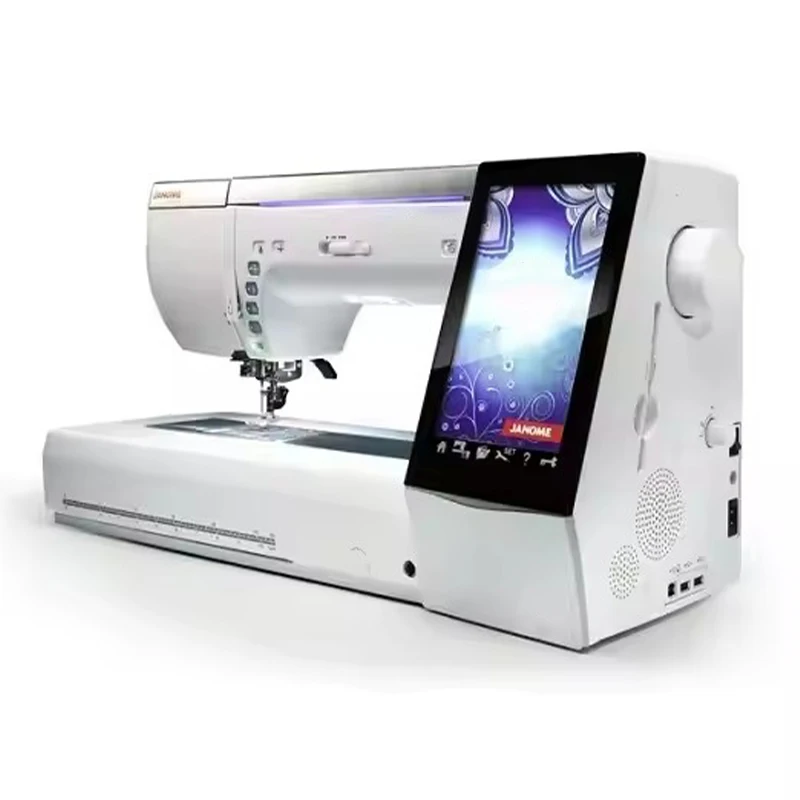
Understanding Embroidery Machine Fundamentals for New Users
Essential Components and Features
Modern embroidery sewing machines incorporate several key components that work together to create precise, automated stitching. The embroidery unit typically includes a hoop system that holds fabric taut while the machine moves it in predetermined patterns. Most beginner-friendly models feature LCD screens that display design previews, allowing users to visualize their projects before stitching begins. The computerized control system manages thread tension, stitch length, and needle positioning automatically, reducing the learning curve significantly for newcomers to embroidery.
Thread management systems in quality embroidery sewing machines prevent tangling and ensure consistent thread delivery throughout complex designs. Automatic thread cutting features save time and create clean finishes, while built-in stabilizer detection helps prevent fabric puckering. Many affordable models also include USB ports or memory card slots, enabling users to import custom designs or access extensive pattern libraries. These technological advances make embroidery more accessible than ever before, allowing beginners to focus on creativity rather than technical complexities.
Size and Workspace Considerations
Selecting appropriately sized embroidery sewing machines depends largely on available workspace and intended project types. Compact desktop models typically offer embroidery areas ranging from 4x4 inches to 5x7 inches, perfect for monograms, small logos, and decorative accents on clothing items. These smaller machines fit comfortably on standard tables and require minimal storage space, making them ideal for apartment dwellers or crafters with limited room. Despite their compact size, many budget-friendly options deliver impressive stitch quality and feature sets comparable to larger machines.
Larger embroidery fields become necessary when working on extensive designs, quilting projects, or commercial applications. Machines with 8x12 inch or 9.5x14 inch embroidery areas accommodate bigger designs without requiring rehoping, saving time and ensuring better registration between design elements. However, these expanded capabilities typically come with higher price points and increased space requirements. Beginning embroiderers should honestly assess their project goals and workspace limitations before committing to larger machines that may remain underutilized.
Budget-Friendly Features That Deliver Professional Results
Built-in Design Libraries and Editing Capabilities
Cost-effective embroidery sewing machines often include surprisingly extensive built-in design collections, providing immediate creative options without additional software purchases. These libraries typically contain alphabets in multiple fonts, decorative borders, floral motifs, and seasonal designs suitable for various applications. Quality budget machines offer at least 50 to 100 built-in designs, with some models featuring 200 or more patterns. Basic editing functions allow users to resize, rotate, and combine designs, creating unique compositions without expensive digitizing software.
Memory functions in affordable embroidery sewing machines enable users to save customized design combinations and recall them for future projects. This feature proves invaluable when creating matching sets or reproducing successful design layouts. Many budget-conscious models also include automatic color change prompts, ensuring proper thread changes for multi-colored designs. While advanced editing capabilities may be limited compared to premium machines, these fundamental features provide excellent value for beginners developing their embroidery skills.
Thread and Needle Management Systems
Efficient thread handling distinguishes quality embroidery sewing machines from basic sewing machines adapted for embroidery work. Proper tension systems automatically adjust thread delivery based on fabric type and stitch complexity, preventing common issues like thread breaks or loose stitches. Multiple spool holders accommodate various thread types and colors, while some budget models include thread guides that prevent tangling during operation. Automatic needle threaders, once reserved for expensive machines, now appear in many affordable options, saving time and reducing eye strain.
Needle selection features in modern embroidery sewing machines automatically choose appropriate needle types for different thread weights and fabric combinations. This automation prevents needle damage and ensures optimal stitch formation across diverse materials. Budget-friendly machines may offer manual needle selection with clear guidelines for proper choices. Pre-threaded bobbins and easy bobbin insertion systems further streamline setup processes, allowing beginners to focus on design placement rather than technical preparations.
Performance Comparison Across Price Points
Stitch Quality and Speed Analysis
Evaluating stitch quality in affordable embroidery sewing machines requires understanding the relationship between price and performance expectations. Budget models typically operate at speeds ranging from 400 to 650 stitches per minute, slower than premium machines but adequate for most beginner projects. This reduced speed actually benefits newcomers by providing more control and reducing the likelihood of errors. Quality entry-level machines maintain consistent stitch formation across their speed range, ensuring professional-looking results regardless of operating pace.
Thread tension consistency represents a critical performance factor in embroidery sewing machines, affecting both appearance and durability of finished projects. Well-designed budget machines incorporate automatic tension systems that adjust to different thread types and fabric weights without manual intervention. Stitch density control allows users to modify design characteristics for various applications, from delicate fabrics requiring lighter coverage to heavy materials needing denser stitching. These adjustments ensure optimal results across diverse project types without requiring expensive machine upgrades.
Durability and Maintenance Requirements
Long-term reliability in budget embroidery sewing machines depends heavily on build quality and user maintenance practices. Quality affordable models feature metal internal components in critical areas, ensuring longevity under regular use. Plastic housings are acceptable for occasional users but may show wear more quickly in high-volume applications. Regular cleaning and proper lubrication extend machine life significantly, with most manufacturers providing detailed maintenance schedules for optimal performance.
Warranty coverage varies considerably among embroidery sewing machines in the budget category, ranging from basic one-year plans to comprehensive multi-year protection. Extended warranties often indicate manufacturer confidence in product durability and provide peace of mind for beginning embroiderers making their first major equipment investment. Service availability and parts accessibility should factor into purchase decisions, as local dealer support can be invaluable for maintenance and troubleshooting assistance.
Software Integration and Design Expansion Options
Compatible File Formats and Import Methods
Modern embroidery sewing machines support various file formats, with budget models typically accepting standard formats like PES, JEF, and DST. These common formats ensure compatibility with free and commercial design sources available online. USB connectivity allows direct transfer of purchased or downloaded designs, while some machines include wireless capabilities for smartphone or tablet integration. Understanding supported formats prevents frustration when attempting to use designs from different sources.
Cloud-based design services increasingly complement traditional software packages, offering subscription access to vast design libraries. Many embroidery sewing machines now include limited-time subscriptions to these services, providing immediate access to thousands of designs. This approach allows beginners to explore various design styles without large upfront software investments. File organization features help manage growing design collections, with thumbnail previews and category sorting available on many budget machines.
Third-Party Software Compatibility
Budget-conscious embroidery enthusiasts can enhance their machine capabilities through compatible third-party software options. Free programs like Ink/Stitch provide basic digitizing capabilities for creating original designs, while affordable commercial packages offer more advanced features. Compatibility with these programs expands creative possibilities without requiring expensive machine upgrades. Many embroidery sewing machines include conversion utilities that translate between different file formats, ensuring broad software compatibility.
Design editing software ranges from simple resize and rotation tools to complex digitizing programs capable of converting artwork into embroidery files. Entry-level software packages often bundle with affordable machines, providing immediate design customization capabilities. These programs typically include templates for common projects like monograms, appliqué work, and decorative borders. Learning basic software operation alongside machine skills creates a comprehensive embroidery foundation for continued growth.
Setup and Learning Resources for Beginners
Initial Configuration and Calibration
Proper setup of embroidery sewing machines significantly impacts initial user experience and long-term satisfaction. Most budget models include detailed setup guides with step-by-step illustrations covering hoop attachment, thread loading, and basic tension adjustments. Initial calibration procedures ensure accurate design placement and optimal stitch quality from the first project. These processes may seem complex initially but become routine with practice and proper instruction following.
Workspace organization contributes greatly to successful embroidery projects, with adequate lighting, stable work surfaces, and organized thread storage proving essential. Many embroidery sewing machines include accessory packages with basic supplies needed for immediate operation. Creating a dedicated embroidery area, even in small spaces, improves workflow efficiency and reduces setup time for each project. Proper ergonomic positioning prevents fatigue during longer embroidery sessions and maintains consistent results.
Training Materials and Community Support
Comprehensive learning resources distinguish quality embroidery sewing machines manufacturers from budget-focused companies offering minimal support. Video tutorials, printed manuals, and online courses provide structured learning paths for developing embroidery skills progressively. Many manufacturers maintain active user communities where beginners can seek advice, share projects, and access troubleshooting assistance. These resources prove invaluable during the initial learning phase when technical questions arise frequently.
Online forums and social media groups dedicated to specific machine models offer peer support and creative inspiration for new embroidery enthusiasts. Experienced users often share tips for achieving better results, troubleshooting common issues, and maximizing machine capabilities. Local dealer workshops and embroidery guilds provide hands-on learning opportunities and networking with other crafters. These community connections often prove more valuable than technical specifications when selecting embroidery sewing machines for long-term use.
Maintenance and Troubleshooting Essentials
Routine Cleaning and Care Procedures
Regular maintenance ensures optimal performance and extends the lifespan of embroidery sewing machines, particularly important for budget models that may have tighter manufacturing tolerances. Daily cleaning includes removing lint from the bobbin area, checking thread paths for obstructions, and wiping down surfaces to prevent dust accumulation. Weekly deeper cleaning involves removing the needle plate for thorough lint removal and checking tension discs for thread residue buildup.
Lubrication schedules vary among embroidery sewing machines, with some requiring monthly oil applications while others feature sealed bearings needing less frequent attention. Using manufacturer-specified lubricants prevents damage from incompatible products that might affect plastic components or electronic sensors. Proper storage between uses protects machines from dust and humidity, while covering moving parts prevents accidental damage. These simple practices significantly impact long-term reliability and performance consistency.
Common Issues and Solutions
Thread breaks represent the most frequent problem encountered with embroidery sewing machines, often caused by incorrect threading, damaged needles, or inappropriate thread selection. Systematic troubleshooting beginning with rethreading the machine resolves most tension-related issues. Needle replacement should occur regularly, as dull or bent needles cause thread breaks and poor stitch quality. Using appropriate needle sizes for specific thread weights prevents many common problems.
Design registration issues typically stem from improper hooping or stabilizer selection rather than machine malfunctions. Learning proper hooping techniques ensures fabric remains taut throughout stitching cycles, preventing design distortion. Stabilizer choice affects both stitch quality and fabric appearance, with different types required for various materials. Understanding these relationships helps users achieve consistent results across diverse project types with their embroidery sewing machines.
FAQ
What makes embroidery sewing machines different from regular sewing machines
Embroidery sewing machines feature specialized components designed specifically for automated decorative stitching, including embroidery arms that move fabric in precise patterns while the needle remains stationary. These machines incorporate computerized control systems that manage stitch sequences, thread changes, and design placement automatically. Regular sewing machines require manual fabric movement and lack the programming capabilities needed for complex embroidery designs. The embroidery function requires additional hardware like specialized hoops, stabilizer systems, and digital interfaces that standard sewing machines do not possess.
How much should beginners expect to spend on reliable embroidery machines
Quality entry-level embroidery sewing machines typically range from $500 to $1500, offering essential features without premium pricing. This price range includes machines with adequate embroidery areas, built-in design libraries, and basic editing capabilities suitable for learning fundamental techniques. Spending less than $400 often results in frustrating limitations and poor stitch quality that can discourage new users. Investment in the $800-1200 range usually provides optimal value, combining reliability with features that support skill development and project variety.
What size embroidery area is appropriate for beginning users
Beginning embroiderers typically find 4x4 inch or 5x7 inch embroidery areas sufficient for learning basic techniques and completing most common projects like monograms, small appliqués, and decorative accents. These sizes accommodate the majority of designs in standard collections while maintaining affordable machine pricing. Larger embroidery areas become beneficial as skills develop and project ambitions expand, but starting with smaller areas prevents overwhelming new users with unnecessarily complex machines. Most embroidery sewing machines in the beginner price range offer these optimal sizing options.
Can embroidery machines handle regular sewing tasks effectively
Most embroidery sewing machines include comprehensive sewing capabilities, functioning as full-featured sewing machines when the embroidery unit is not engaged. These machines typically offer various utility stitches, buttonholes, and adjustable settings suitable for garment construction and general sewing tasks. However, dedicated sewing machines may provide superior performance for intensive sewing projects due to specialized mechanisms optimized specifically for fabric manipulation rather than embroidery positioning. The combination functionality makes embroidery sewing machines excellent choices for users requiring both embroidery and general sewing capabilities in a single machine.
Table of Contents
- Understanding Embroidery Machine Fundamentals for New Users
- Budget-Friendly Features That Deliver Professional Results
- Performance Comparison Across Price Points
- Software Integration and Design Expansion Options
- Setup and Learning Resources for Beginners
- Maintenance and Troubleshooting Essentials
- FAQ