

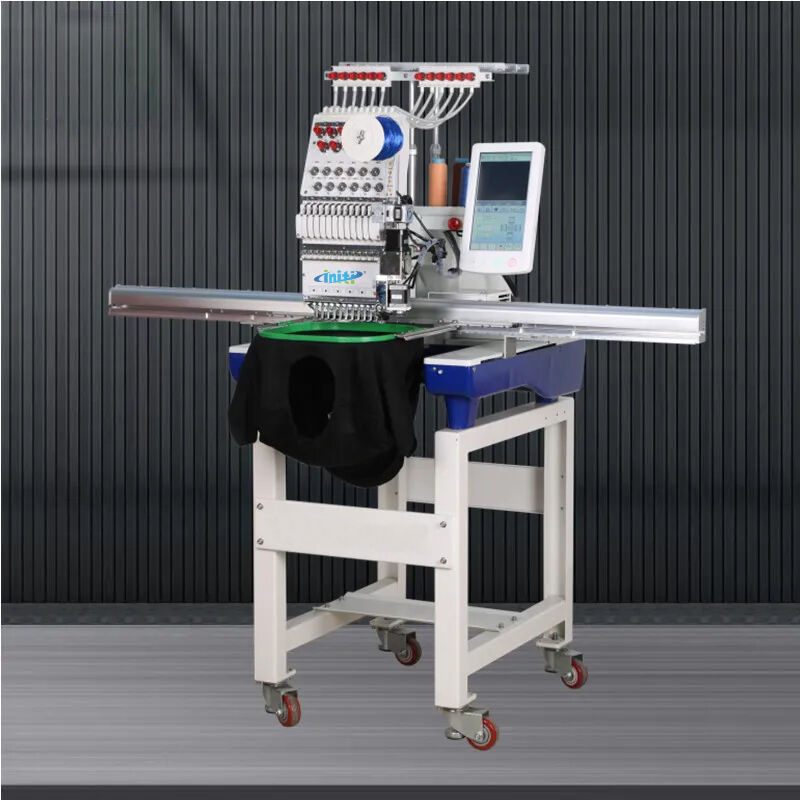
The embroidery industry has experienced remarkable growth in recent years, with businesses and individuals seeking affordable yet reliable solutions for their creative projects. When searching for a low-cost embroidery sewing machine, understanding the balance between price and performance becomes crucial for making an informed decision. The market offers numerous options, but identifying a machine that delivers professional results without breaking the budget requires careful consideration of various factors.
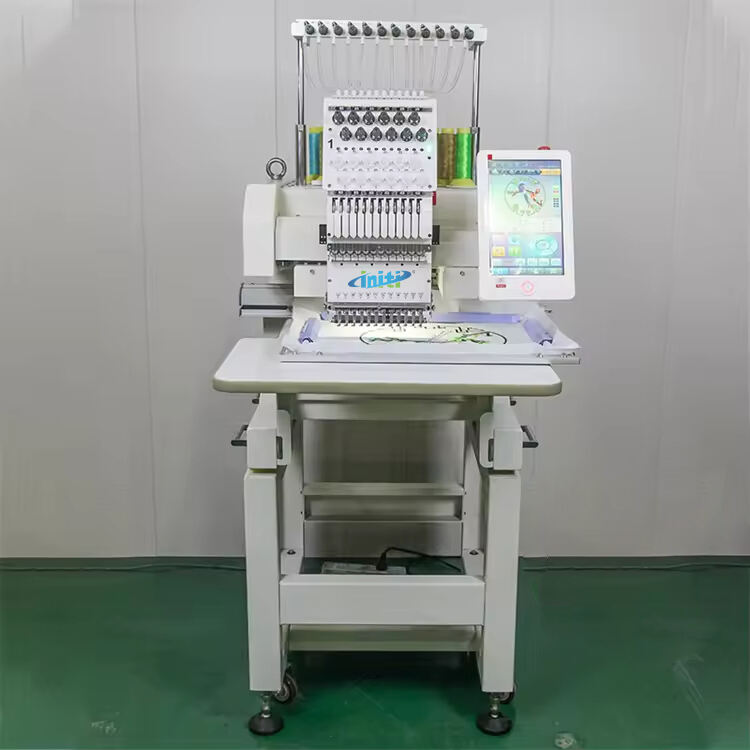
Modern manufacturing techniques have made it possible for companies to produce quality embroidery machines at competitive prices. A well-chosen low-cost embroidery sewing machine can serve small businesses, entrepreneurs, and hobbyists effectively while maintaining the precision and reliability expected from professional equipment. The key lies in understanding which features are essential for your specific needs and which premium additions might not justify the additional cost.
Essential Features to Consider in Budget Embroidery Machines
Thread Handling and Tension Control
One of the most critical aspects of any low-cost embroidery sewing machine is its ability to maintain consistent thread tension throughout the embroidery process. Quality machines feature automatic tension adjustment systems that compensate for different thread types and fabric weights. This capability ensures that your embroidery work maintains professional standards regardless of the material being used.
Thread breakage can significantly impact productivity and project quality. Look for machines that incorporate thread break detection sensors and automatic thread cutting functions. These features minimize downtime and reduce the likelihood of ruined projects due to undetected issues during the embroidery process.
Embroidery Field Size and Positioning
The embroidery area dimensions determine the maximum size of designs your low-cost embroidery sewing machine can handle in a single operation. Most budget-friendly models offer embroidery fields ranging from 100mm x 100mm to 200mm x 300mm, which suits the majority of commercial and personal applications.
Precise positioning systems ensure that multiple-color designs align correctly throughout the embroidery process. Advanced positioning technology prevents design distortion and maintains crisp, professional-looking results even when working with complex multi-layered patterns.
Performance Factors That Impact Value
Stitching Speed and Accuracy
Speed specifications vary considerably among low-cost embroidery sewing machine models, typically ranging from 800 to 1200 stitches per minute. While higher speeds can improve productivity, the machine's ability to maintain accuracy at those speeds is equally important. Quality machines incorporate servo motor technology that provides consistent performance across different speed settings.
Accuracy becomes particularly important when working with detailed designs or when embroidering on delicate fabrics. Look for machines that offer variable speed control, allowing operators to adjust the stitching speed based on the complexity of the design and the material being used.
Design Compatibility and Memory
Modern embroidery machines should support multiple file formats to ensure compatibility with various design software programs. Common formats include DST, PES, JEF, and EXP. A versatile low-cost embroidery sewing machine will handle these formats seamlessly, providing flexibility in design selection and creation.
Built-in memory capacity affects the machine's ability to store designs for immediate use. While external storage options like USB ports provide unlimited design storage, having adequate internal memory ensures smooth operation and quick access to frequently used patterns.
Build Quality and Durability Considerations
Frame Construction and Stability
The machine's frame construction directly impacts embroidery quality and long-term reliability. Quality low-cost embroidery sewing machine models feature sturdy metal frames that minimize vibration during operation. This stability is essential for maintaining stitch accuracy, especially during high-speed embroidery work.
Hoop mounting systems should provide secure fabric positioning throughout the embroidery process. Look for machines with robust hoop attachment mechanisms that prevent fabric shifting, which can cause design misalignment and project failure.
Motor and Drive System Quality
The motor system represents the heart of any embroidery machine, and its quality significantly impacts performance and longevity. Servo motors offer superior control and energy efficiency compared to traditional stepper motors. A reliable low-cost embroidery sewing machine should feature a motor system capable of delivering consistent power output while maintaining quiet operation.
Drive system components, including belts and pulleys, should be designed for durability and minimal maintenance requirements. Quality machines incorporate self-lubricating components and wear-resistant materials that extend service life and reduce operating costs.
User Interface and Ease of Operation
Display and Control Systems
User-friendly interfaces significantly impact productivity and reduce the learning curve for new operators. Modern low-cost embroidery sewing machine models feature LCD displays that provide clear visibility of design previews, machine status, and operational parameters. Intuitive menu systems allow users to access functions quickly and efficiently.
Control panel layout should be logical and accessible, with frequently used functions readily available. Consider machines that offer both manual and automatic modes, providing flexibility for different skill levels and project requirements.
Software Integration and Updates
Software compatibility affects the machine's versatility and future-proofing. Quality manufacturers provide regular software updates that enhance functionality and add new features. A well-designed low-cost embroidery sewing machine should include comprehensive software packages for design editing and machine control.
Network connectivity options, including Wi-Fi and USB capabilities, enable seamless design transfer and remote monitoring. These features become increasingly important as businesses integrate embroidery operations with broader production management systems.
Maintenance and Support Requirements
Routine Maintenance Accessibility
Regular maintenance is essential for maintaining optimal performance and extending machine life. A quality low-cost embroidery sewing machine should provide easy access to key maintenance points, including tensioning systems, thread paths, and cutting mechanisms. Clear maintenance schedules and procedures help operators maintain their equipment effectively.
Lubrication points should be clearly marked and easily accessible. Machines that incorporate automatic lubrication systems reduce maintenance requirements and help prevent premature wear of critical components.
Technical Support and Parts Availability
Comprehensive technical support becomes crucial when investing in any low-cost embroidery sewing machine. Reputable manufacturers provide detailed documentation, training materials, and responsive customer service to help users maximize their equipment's potential.
Parts availability and cost significantly impact the total cost of ownership. Before purchasing, research the manufacturer's reputation for parts support and typical replacement part costs. Quality manufacturers maintain extensive parts inventories and provide reasonable pricing for consumable items.
Cost-Benefit Analysis for Different Applications
Small Business Applications
For small businesses entering the embroidery market, a low-cost embroidery sewing machine can provide an excellent entry point without requiring substantial capital investment. These machines typically offer sufficient features and performance for custom apparel, promotional items, and small-batch production runs.
Return on investment calculations should consider both direct revenue generation and potential market expansion opportunities. A reliable machine enables businesses to take on diverse projects and build customer relationships that support long-term growth.
Educational and Training Environments
Educational institutions benefit from low-cost embroidery sewing machine options that provide students with hands-on experience using professional-grade equipment. These machines should offer durability sufficient for frequent use while maintaining the precision necessary for quality training outcomes.
Training-focused machines should include comprehensive documentation and safety features appropriate for supervised learning environments. Consider models that offer both automatic and manual modes to accommodate different skill levels and learning objectives.
Evaluating Manufacturer Reputation and Warranty
Company Track Record and Industry Presence
Manufacturer reputation significantly influences the long-term value of any low-cost embroidery sewing machine purchase. Research companies with established track records in industrial embroidery equipment and positive customer feedback across multiple market segments.
Industry presence indicators include participation in trade shows, professional certifications, and partnerships with established distributors. Companies with strong industry connections typically provide better support and maintain higher quality standards throughout their product lines.
Warranty Coverage and Service Network
Comprehensive warranty coverage protects your investment and provides peace of mind during the critical early operation period. Quality low-cost embroidery sewing machine manufacturers offer warranties that cover both parts and labor for reasonable periods, typically one to two years for major components.
Service network availability affects response times and service quality when technical issues arise. Consider manufacturers with established service networks or authorized repair facilities in your geographic area to ensure prompt support when needed.
FAQ
What is the typical lifespan of a low-cost embroidery sewing machine
A quality low-cost embroidery sewing machine typically provides 5-10 years of reliable service with proper maintenance and reasonable usage levels. Lifespan depends on factors including build quality, maintenance frequency, operating environment, and usage intensity. Machines used in light commercial applications generally last longer than those in high-volume production environments.
How do I determine if a budget embroidery machine meets professional standards
Professional standards for a low-cost embroidery sewing machine include consistent stitch quality, reliable thread tension control, accurate positioning systems, and compatibility with industry-standard file formats. Look for machines that produce samples matching your quality expectations and offer features like automatic thread cutting and tension adjustment that support professional workflows.
What ongoing costs should I expect with an affordable embroidery machine
Ongoing costs for a low-cost embroidery sewing machine typically include consumable items like needles, threads, and stabilizers, plus periodic maintenance supplies such as lubricants and replacement parts. Budget approximately 10-15% of the machine's purchase price annually for maintenance and consumables, depending on usage levels and the types of projects being completed.
Can low-cost machines handle commercial embroidery projects effectively
Many low-cost embroidery sewing machine models are capable of handling commercial projects effectively, particularly for small to medium-volume applications. Success depends on selecting machines with appropriate speed ratings, robust construction, and features that support consistent quality output. Consider factors like duty cycle ratings and manufacturer recommendations for commercial use when evaluating specific models.
Table of Contents
- Essential Features to Consider in Budget Embroidery Machines
- Performance Factors That Impact Value
- Build Quality and Durability Considerations
- User Interface and Ease of Operation
- Maintenance and Support Requirements
- Cost-Benefit Analysis for Different Applications
- Evaluating Manufacturer Reputation and Warranty
- FAQ