

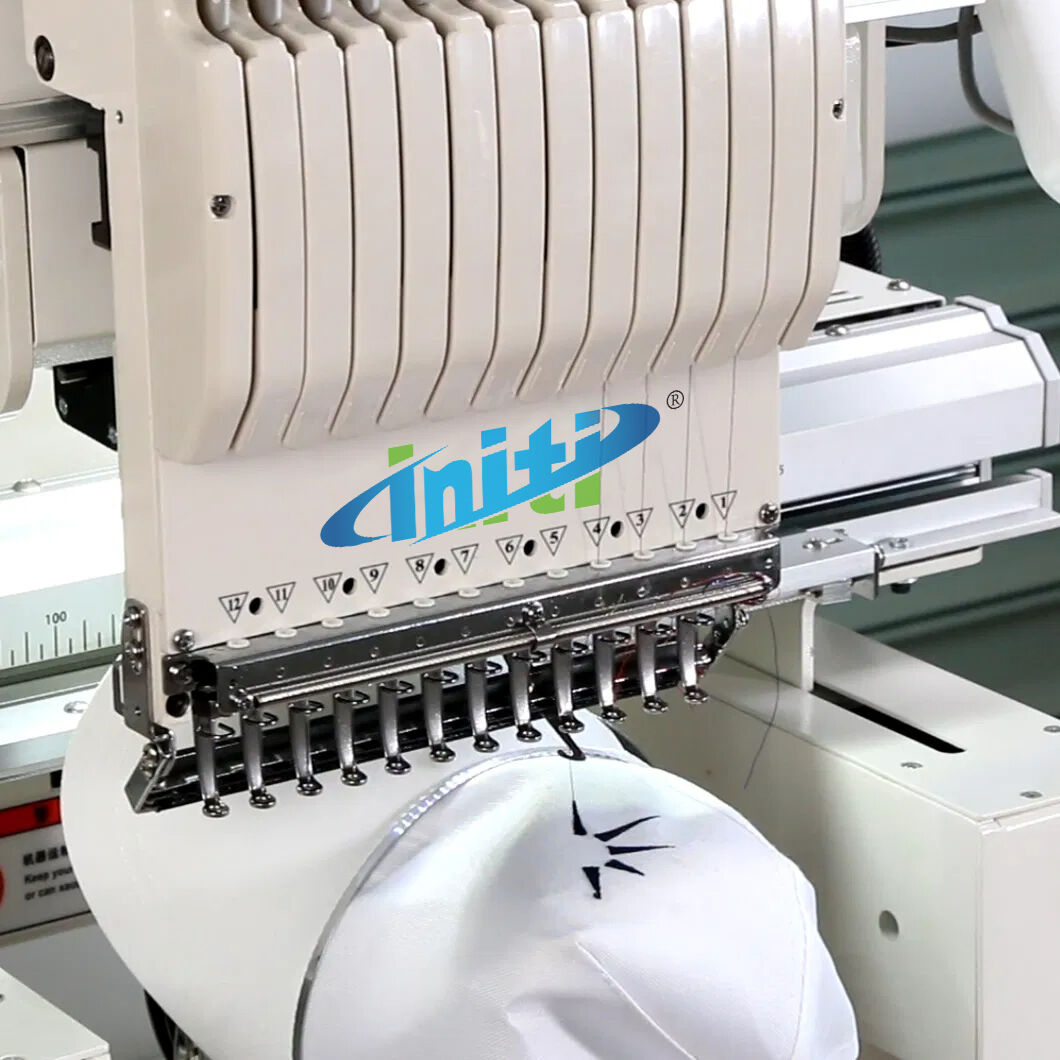
The textile industry has experienced remarkable growth in recent years, with businesses increasingly seeking efficient solutions to meet rising demand for custom embroidered products. When evaluating production expansion options, wholesale embroidery machines represent a strategic investment that can transform operational capabilities and profitability. Understanding the complexities of purchasing industrial embroidery equipment requires careful consideration of multiple factors including machine specifications, supplier reliability, and long-term operational costs.
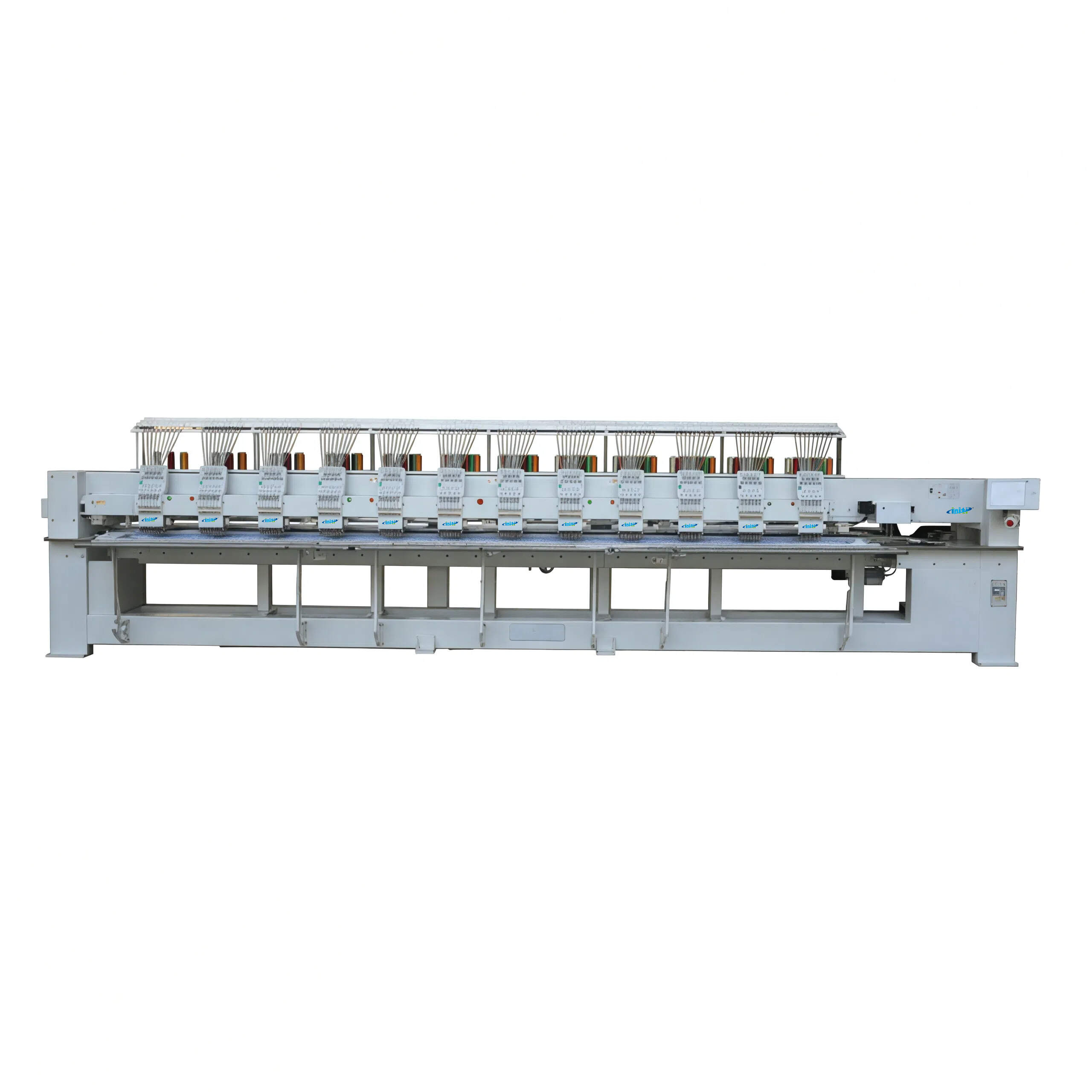
The decision to invest in wholesale embroidery machines involves substantial financial commitment and strategic planning. Modern manufacturing environments demand equipment that delivers consistent performance, maintains operational efficiency, and adapts to evolving market requirements. Successful businesses recognize that purchasing decisions extend beyond initial cost considerations to encompass total ownership value, including maintenance requirements, training needs, and technical support availability.
Understanding Industrial Embroidery Equipment Categories
Single-Head Commercial Machines
Single-head commercial embroidery units serve as entry-level solutions for businesses transitioning from manual processes to automated production. These machines typically feature advanced computerized controls, allowing operators to execute complex design patterns with precision and repeatability. Modern single-head units incorporate sophisticated threading systems, automatic color changes, and user-friendly software interfaces that streamline workflow management.
The operational versatility of single-head wholesale embroidery machines makes them suitable for small to medium-scale production environments. These systems excel in applications requiring frequent design changes, custom orders, or specialized fabric handling capabilities. Investment considerations include evaluating stitch quality consistency, maximum embroidery area dimensions, and compatibility with existing design software platforms.
Multi-Head Production Systems
Multi-head configurations represent the pinnacle of industrial embroidery automation, designed for high-volume production environments where efficiency and throughput are paramount. These sophisticated systems feature multiple embroidery heads operating simultaneously, dramatically increasing production capacity while maintaining consistent quality standards across all output units. Advanced multi-head wholesale embroidery machines incorporate intelligent thread monitoring, automatic tension adjustment, and synchronized operation protocols.
The scalability advantages of multi-head systems become apparent in large-scale manufacturing operations where consistent production schedules and uniform quality requirements drive operational decisions. These machines excel in applications involving repetitive designs, bulk orders, and standardized product lines. Strategic considerations include evaluating head count options, maximum production speeds, and integration capabilities with existing manufacturing workflows.
Critical Technical Specifications and Performance Metrics
Embroidery Speed and Throughput Capabilities
Production speed measurements represent fundamental performance indicators when evaluating wholesale embroidery machines for industrial applications. Modern equipment specifications typically reference stitches per minute ratings, though practical throughput depends on design complexity, thread changes, and fabric characteristics. High-performance machines achieve speeds exceeding 1,000 stitches per minute while maintaining precise stitch placement and consistent thread tension.
Understanding the relationship between advertised speeds and real-world performance requires analyzing complete production cycles, including setup time, thread changes, and quality control intervals. Experienced manufacturers recognize that optimal production efficiency results from balancing maximum speed capabilities with quality requirements and operational reliability. Comprehensive performance evaluation should encompass sustained operation capabilities and maintenance interval requirements.
Precision and Quality Control Systems
Precision engineering defines the operational excellence of professional-grade wholesale embroidery machines, with advanced systems incorporating sophisticated positioning controls and thread management technologies. Modern equipment features servo-driven mechanisms, laser-guided positioning systems, and computerized tension monitoring that ensures consistent stitch formation across diverse fabric types and design configurations.
Quality assurance capabilities extend beyond basic stitch formation to encompass comprehensive monitoring systems that detect thread breaks, fabric positioning errors, and tension irregularities. State-of-the-art machines incorporate automatic correction protocols, real-time quality monitoring, and integrated diagnostic systems that minimize production interruptions and maintain consistent output standards throughout extended operation periods.
Financial Considerations and Investment Planning
Total Cost of Ownership Analysis
Comprehensive financial evaluation of wholesale embroidery machines requires analyzing total ownership costs beyond initial purchase prices. Operating expenses encompass consumable materials, maintenance requirements, energy consumption, and operator training investments. Professional-grade equipment typically demonstrates superior long-term value through reduced maintenance frequency, extended operational lifespans, and consistent performance reliability.
Strategic financial planning should incorporate productivity projections, market demand forecasts, and competitive positioning considerations. Successful businesses evaluate equipment investments based on revenue generation potential, operational efficiency improvements, and market expansion opportunities. Detailed cost analysis includes comparing financing options, warranty coverage, and technical support availability across different supplier offerings.
Return on Investment Calculations
ROI calculations for wholesale embroidery machines involve projecting revenue increases, operational cost reductions, and productivity improvements over expected equipment lifespans. Modern embroidery systems typically demonstrate payback periods ranging from 12 to 36 months, depending on utilization rates, market pricing, and operational efficiency achievements. Accurate projections require analyzing current production capabilities, market demand patterns, and competitive pricing structures.
Quantifying productivity improvements involves measuring output increases, quality enhancements, and operational efficiency gains compared to existing production methods. Advanced wholesale embroidery machines often enable businesses to access higher-value market segments, expand service offerings, and improve customer satisfaction through enhanced quality and delivery capabilities. Comprehensive ROI analysis should account for these strategic advantages alongside direct financial metrics.
Supplier Selection and Procurement Strategies
Evaluating Manufacturer Credentials
Supplier evaluation represents a critical component of successful wholesale embroidery machines procurement, requiring comprehensive assessment of manufacturing capabilities, quality standards, and market reputation. Established manufacturers typically demonstrate extensive industry experience, robust quality control systems, and proven track records in delivering reliable industrial equipment. Verification processes should include reviewing certifications, industry associations, and customer testimonials.
Technical expertise evaluation encompasses analyzing engineering capabilities, innovation investments, and research and development commitments. Leading suppliers maintain dedicated technical support teams, comprehensive training programs, and ongoing product development initiatives that ensure equipment remains current with evolving industry requirements. Assessment criteria should include evaluating technical documentation quality, training resource availability, and long-term support commitment levels.
Service and Support Infrastructure
Comprehensive support infrastructure represents a fundamental requirement when purchasing wholesale embroidery machines for industrial applications. Reliable suppliers maintain extensive service networks, qualified technician availability, and comprehensive parts inventory systems that minimize operational disruptions. Service capabilities should encompass installation support, operator training, preventive maintenance programs, and emergency repair services.
Long-term partnership considerations include evaluating supplier commitment to ongoing support, technology updates, and equipment modernization options. Professional suppliers provide comprehensive documentation, training materials, and technical resources that enable operators to maximize equipment performance and minimize operational challenges. Assessment processes should verify response time guarantees, service territory coverage, and spare parts availability commitments.
Installation and Implementation Best Practices
Facility Preparation Requirements
Successful installation of wholesale embroidery machines requires comprehensive facility preparation addressing electrical infrastructure, environmental controls, and workspace organization. Industrial embroidery equipment typically demands dedicated electrical circuits, appropriate voltage specifications, and adequate power distribution capabilities. Environmental considerations include temperature control, humidity management, and dust prevention systems that protect sensitive electronic components.
Workspace design optimization encompasses equipment placement, operator accessibility, and material handling workflows that maximize operational efficiency. Professional installations require adequate ventilation systems, appropriate lighting levels, and ergonomic considerations that support sustained operation periods. Planning processes should include evaluating floor loading requirements, vibration isolation needs, and expansion possibilities for future equipment additions.
Operator Training and Skill Development
Comprehensive operator training represents a critical success factor when implementing wholesale embroidery machines in production environments. Modern equipment requires operators to understand computerized controls, design software interfaces, and troubleshooting procedures that ensure consistent performance and quality output. Training programs should encompass basic operation procedures, maintenance requirements, and quality control protocols.
Advanced training considerations include design software utilization, custom pattern development, and specialized application techniques that maximize equipment capabilities. Experienced suppliers provide structured training curricula, hands-on instruction opportunities, and ongoing educational resources that support skill development and operational excellence. Implementation success depends on establishing proper training schedules, competency verification procedures, and continuous improvement programs.
Maintenance and Operational Excellence
Preventive Maintenance Protocols
Systematic maintenance programs ensure optimal performance and extended operational lifespans for wholesale embroidery machines in demanding industrial environments. Preventive maintenance encompasses routine cleaning procedures, lubrication schedules, and component inspection protocols that identify potential issues before they impact production capabilities. Modern equipment incorporates diagnostic systems that monitor performance parameters and provide maintenance alerts.
Maintenance planning should establish regular service intervals, parts replacement schedules, and performance monitoring procedures that maintain equipment reliability. Professional maintenance programs include operator training on routine procedures, supplier-provided service schedules, and comprehensive documentation systems that track equipment performance and maintenance history. Effective programs balance maintenance costs with equipment availability and performance requirements.
Performance Optimization Strategies
Maximizing performance from wholesale embroidery machines requires systematic optimization of operational parameters, design workflows, and production scheduling. Advanced systems provide extensive adjustment capabilities for thread tension, stitching speeds, and fabric handling that can be optimized for specific applications and materials. Performance tuning involves analyzing production data, identifying efficiency opportunities, and implementing systematic improvements.
Continuous improvement initiatives should encompass operator skill development, workflow optimization, and equipment utilization analysis that identifies opportunities for enhanced productivity. Modern embroidery systems generate comprehensive operational data that enables detailed performance analysis and optimization planning. Successful optimization programs establish performance baselines, implement systematic improvements, and monitor results to ensure sustained operational excellence.
FAQ
What factors determine the appropriate size and configuration for wholesale embroidery machines
The optimal configuration depends on production volume requirements, available floor space, and specific application needs. Single-head machines suit smaller operations or frequent design changes, while multi-head systems excel in high-volume production environments. Consider maximum embroidery area, thread capacity, and automation features when evaluating options. Assess current and projected production demands to determine the most cost-effective configuration.
How do maintenance requirements vary between different wholesale embroidery machines
Maintenance requirements vary significantly based on machine complexity, usage intensity, and manufacturing quality. Multi-head systems typically require more comprehensive maintenance due to increased mechanical complexity, while simpler machines may have more straightforward service needs. Regular maintenance includes cleaning, lubrication, tension adjustments, and software updates. Establish maintenance schedules based on manufacturer recommendations and actual usage patterns.
What technical support services should be expected from wholesale embroidery machines suppliers
Comprehensive technical support should include installation assistance, operator training, preventive maintenance guidance, and emergency repair services. Quality suppliers provide detailed documentation, troubleshooting resources, and remote diagnostic capabilities. Evaluate response time guarantees, service territory coverage, and parts availability when selecting suppliers. Long-term support commitments ensure continued equipment performance and operational reliability.
How can businesses evaluate the long-term value of wholesale embroidery machines investments
Long-term value assessment requires analyzing total ownership costs, productivity improvements, and market expansion opportunities. Calculate ROI based on increased production capacity, quality improvements, and new market access. Consider equipment lifespan, technological obsolescence, and upgrade possibilities when evaluating investments. Monitor performance metrics and market changes to ensure continued investment value and competitive positioning.
Table of Contents
- Understanding Industrial Embroidery Equipment Categories
- Critical Technical Specifications and Performance Metrics
- Financial Considerations and Investment Planning
- Supplier Selection and Procurement Strategies
- Installation and Implementation Best Practices
- Maintenance and Operational Excellence
-
FAQ
- What factors determine the appropriate size and configuration for wholesale embroidery machines
- How do maintenance requirements vary between different wholesale embroidery machines
- What technical support services should be expected from wholesale embroidery machines suppliers
- How can businesses evaluate the long-term value of wholesale embroidery machines investments