

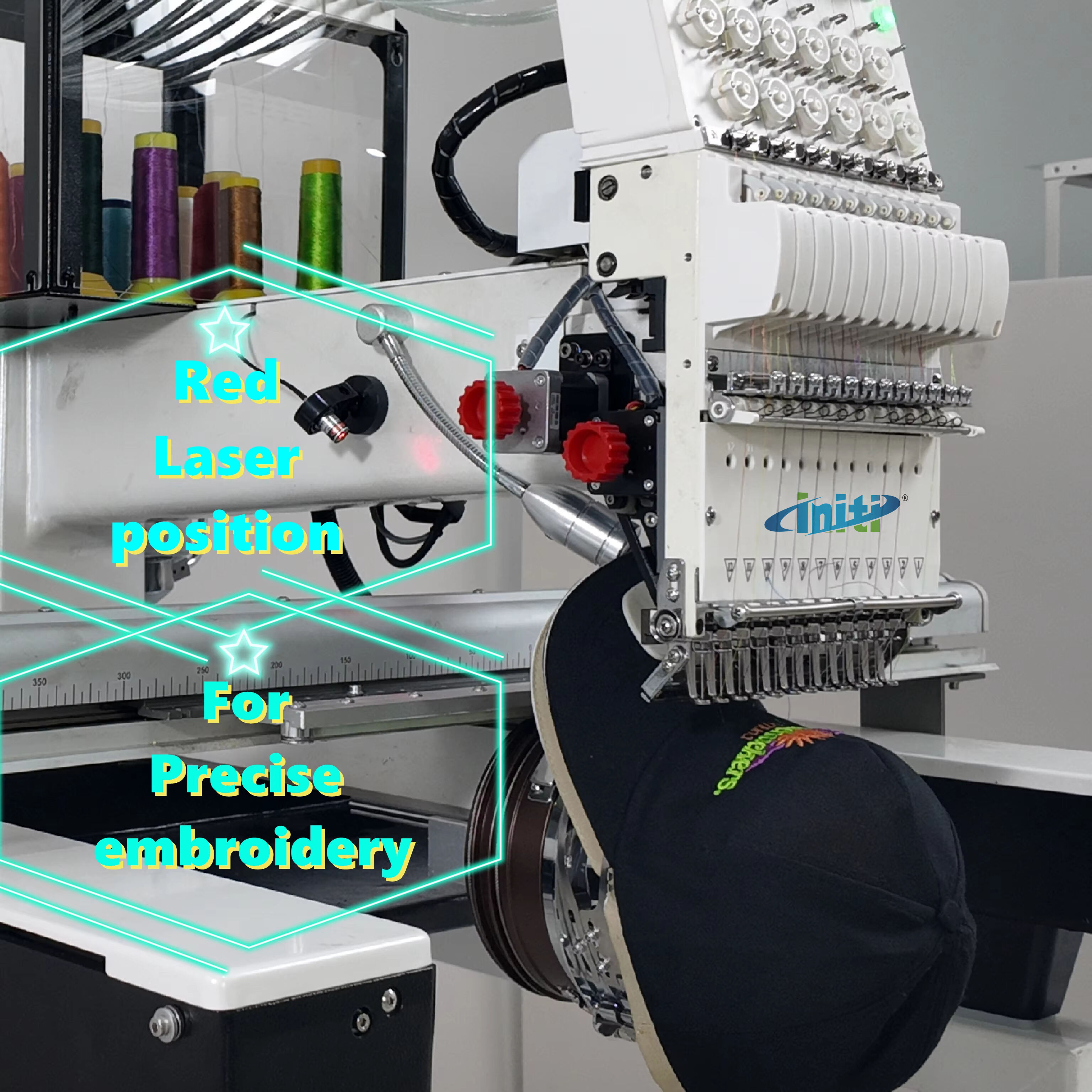
When investing in industrial embroidery equipment, the purchase of a single head automatic computerized embroidery machine represents just the beginning of your manufacturing journey. While these sophisticated machines deliver exceptional precision and productivity, the true value lies in the comprehensive support ecosystem that surrounds your investment. Modern textile operations demand more than just reliable hardware; they require ongoing technical expertise, training resources, and responsive service networks that ensure continuous production capabilities.
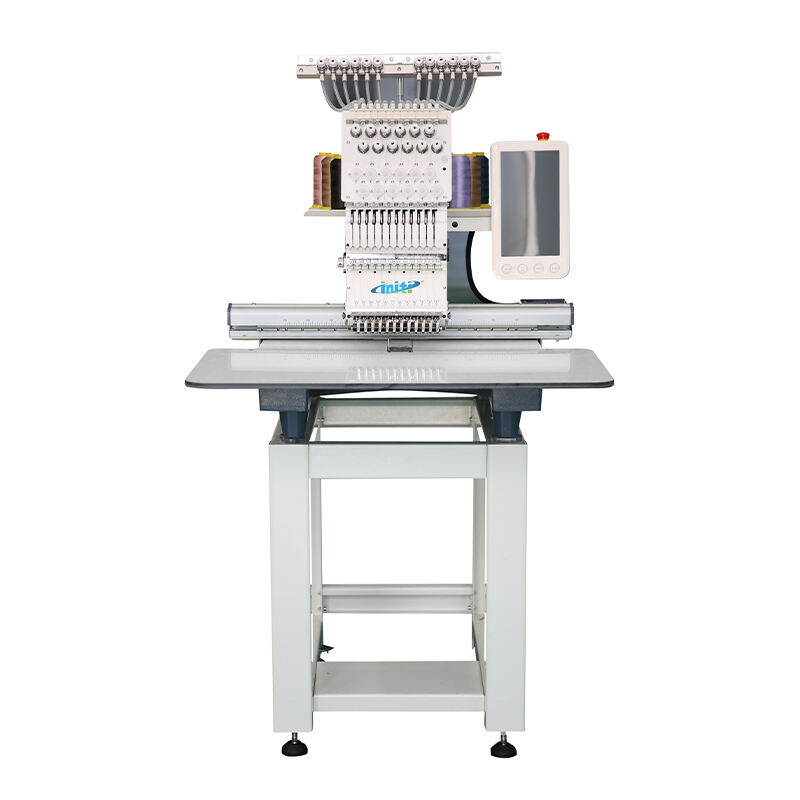
The complexity of contemporary embroidery technology extends far beyond mechanical components and control systems. Computerized embroidery machines integrate multiple technological layers including software interfaces, digitization protocols, thread management systems, and precision positioning mechanisms. Each element requires specialized knowledge for optimal operation, maintenance, and troubleshooting. Without proper manufacturer support, even the most advanced single head automatic computerized embroidery machine can become a significant operational liability rather than a productive asset.
Manufacturer support encompasses technical assistance, parts availability, software updates, training programs, and long-term maintenance guidance. This comprehensive approach ensures that your embroidery equipment maintains peak performance throughout its operational lifecycle. The absence of robust support structures often leads to extended downtime, reduced product quality, and ultimately diminished return on investment for textile manufacturers and commercial embroidery operations.
Technical Expertise and Knowledge Transfer
Specialized Training Programs
Professional embroidery equipment requires specialized operator training that extends beyond basic machine operation. Comprehensive training programs cover software navigation, digitization techniques, thread selection protocols, and advanced troubleshooting procedures. These educational initiatives ensure that operators can maximize the capabilities of their single head automatic computerized embroidery machine while maintaining consistent quality standards across production runs.
Effective training programs incorporate hands-on experience with real-world production scenarios, allowing operators to develop practical skills in thread tension adjustment, hoop positioning, and design optimization. Advanced training modules often include digitization software instruction, enabling operators to create custom embroidery designs and modify existing patterns for specific production requirements.
The depth of training directly impacts operational efficiency and product quality. Operators who receive comprehensive instruction can identify potential issues before they impact production, implement preventive maintenance protocols, and optimize machine settings for different fabric types and embroidery designs. This knowledge transfer represents a critical component of manufacturer support that extends far beyond initial equipment installation.
Ongoing Technical Consultation
Technical consultation services provide continuous access to engineering expertise and application knowledge throughout the equipment lifecycle. These services address complex production challenges, optimize machine configurations for specific applications, and provide guidance on advanced techniques that enhance embroidery quality and production efficiency.
Expert consultation becomes particularly valuable when implementing new production processes, working with challenging materials, or scaling operations to meet increased demand. Technical specialists can recommend optimal settings, suggest workflow improvements, and provide insights into emerging industry best practices that maximize the performance of your single head automatic computerized embroidery machine.
Regular technical consultations help identify opportunities for operational improvements and ensure that equipment configurations remain optimized for current production requirements. This proactive approach prevents performance degradation and maintains consistent quality standards across diverse embroidery applications.
Service Infrastructure and Parts Availability
Responsive Maintenance Support
Comprehensive service infrastructure ensures rapid response to maintenance requirements and technical issues that may arise during normal operations. Professional service networks provide on-site support, remote diagnostics, and preventive maintenance programs that minimize unplanned downtime and extend equipment lifespan.
Modern embroidery machines incorporate sophisticated diagnostic systems that enable remote monitoring and troubleshooting capabilities. Service technicians can often identify and resolve issues without physical site visits, reducing response times and minimizing production interruptions. When on-site service becomes necessary, trained technicians arrive equipped with specialized tools and genuine replacement components.
Preventive maintenance programs establish regular service schedules that address wear components, calibration requirements, and system updates before they impact production quality. These proactive approaches significantly reduce the likelihood of unexpected failures and ensure that your single head automatic computerized embroidery machine maintains optimal performance characteristics throughout its operational life.
Genuine Parts and Component Supply
Reliable parts availability ensures that maintenance and repair activities can proceed without extended delays waiting for replacement components. Manufacturer-supported parts networks maintain inventory levels of critical components and provide rapid fulfillment services that minimize equipment downtime during maintenance activities.
Genuine replacement parts maintain original equipment specifications and performance characteristics, ensuring that repairs restore full functionality without compromising quality or reliability. Alternative or aftermarket components may offer short-term cost savings but often result in reduced performance, shortened service life, and potential warranty implications.
Comprehensive parts support includes detailed component documentation, installation guidance, and compatibility verification services. This information enables maintenance personnel to identify correct replacement parts and execute proper installation procedures that maintain equipment performance and safety standards.
Software Support and Technology Updates
Continuous Software Development
Embroidery machine software requires ongoing development to address emerging industry requirements, improve functionality, and maintain compatibility with evolving design software and file formats. Manufacturer support ensures access to regular software updates that enhance machine capabilities and address operational improvements.
Software updates often include new embroidery features, improved user interfaces, enhanced diagnostic capabilities, and expanded file format compatibility. These improvements can significantly enhance the productivity and versatility of your single head automatic computerized embroidery machine without requiring hardware modifications or replacement.
Regular software maintenance also addresses security vulnerabilities, resolves operational bugs, and improves system stability. Modern embroidery machines increasingly rely on network connectivity and digital interfaces, making software security and reliability critical operational considerations that require ongoing manufacturer attention.
Integration and Compatibility Support
Modern embroidery operations often require integration with design software, production management systems, and quality control protocols. Manufacturer support provides guidance on system integration, software compatibility, and workflow optimization that maximizes operational efficiency across the entire production process.
Integration support includes assistance with file format conversions, network configuration, and software interface optimization. These services ensure that your embroidery equipment integrates seamlessly with existing production workflows and design systems without creating operational bottlenecks or compatibility issues.
Comprehensive integration support extends to third-party software compatibility, ensuring that popular design applications and production management systems work effectively with your single head automatic computerized embroidery machine. This compatibility maintains operational flexibility and prevents technology investments from becoming isolated or obsolete.
Long-term Partnership and Business Continuity
Equipment Lifecycle Management
Effective manufacturer support extends throughout the entire equipment lifecycle, providing guidance on optimal utilization, upgrade pathways, and eventual replacement planning. This long-term approach ensures that embroidery equipment investments continue delivering value as production requirements evolve and technology advances.
Lifecycle management services include performance monitoring, utilization analysis, and recommendations for operational improvements that maximize equipment productivity. These insights help operators identify opportunities for increased efficiency and ensure that their single head automatic computerized embroidery machine continues meeting production requirements as business volumes and application complexity evolve.
Strategic lifecycle planning also addresses technology upgrade pathways and equipment replacement timing that optimizes return on investment while maintaining competitive capabilities. Manufacturer guidance ensures that upgrade decisions align with business objectives and production requirements rather than arbitrary technology refresh cycles.
Industry Expertise and Market Intelligence
Manufacturer support provides access to industry expertise and market intelligence that helps operators optimize their embroidery operations for current market conditions and emerging opportunities. This knowledge includes insights into industry trends, application developments, and technical innovations that can enhance competitive positioning.
Industry expertise encompasses application knowledge, material compatibility guidance, and production technique recommendations that help operators explore new markets and expand service capabilities. This guidance can reveal untapped revenue opportunities and help businesses differentiate their embroidery services in competitive markets.
Market intelligence services provide insights into emerging technologies, competitive developments, and industry best practices that inform strategic planning and operational improvements. Access to this information helps businesses make informed decisions about equipment upgrades, process improvements, and market positioning strategies.
Quality Assurance and Performance Optimization
Production Quality Standards
Maintaining consistent embroidery quality requires ongoing attention to machine calibration, thread management, and design optimization. Manufacturer support provides quality assurance protocols and performance benchmarks that ensure your single head automatic computerized embroidery machine delivers consistent results across diverse production requirements.
Quality standards encompass thread tension specifications, positioning accuracy requirements, and design density guidelines that optimize embroidery appearance and durability. These standards provide objective criteria for evaluating production quality and identifying opportunities for improvement through technique refinement or equipment adjustment.
Regular quality assessments help maintain production standards and identify potential issues before they impact customer satisfaction or product acceptance. Manufacturer support includes quality evaluation tools, measurement protocols, and corrective action guidance that ensures consistent embroidery quality across all production activities.
Performance Monitoring and Improvement
Advanced embroidery machines generate operational data that provides insights into production efficiency, quality trends, and equipment performance characteristics. Manufacturer support includes data analysis services and performance monitoring tools that help operators optimize their single head automatic computerized embroidery machine for maximum productivity.
Performance monitoring encompasses production throughput analysis, quality trend evaluation, and efficiency benchmarking that identifies opportunities for operational improvements. This data-driven approach enables evidence-based decisions about process modifications, maintenance scheduling, and operator training priorities.
Continuous improvement programs utilize performance data to implement systematic enhancements that increase productivity, improve quality, and reduce operational costs. These programs represent collaborative efforts between operators and manufacturer support teams that deliver measurable business benefits through optimized equipment utilization.
FAQ
What types of training are typically included with manufacturer support programs
Comprehensive manufacturer support programs typically include operator training covering machine operation, software navigation, maintenance procedures, and troubleshooting techniques. Advanced training modules may cover digitization software, design optimization, and specialized application techniques. Training formats often include on-site instruction, online resources, and hands-on workshops that accommodate different learning preferences and operational schedules.
How quickly can manufacturers typically respond to service requests
Response times for manufacturer support vary depending on issue severity and service level agreements. Critical production issues often receive same-day response for remote diagnostics and expedited on-site service when necessary. Routine maintenance and non-urgent technical questions typically receive responses within 24-48 hours. Many manufacturers offer tiered support programs with guaranteed response times for different service categories.
What should operators expect from software support and updates
Software support typically includes regular updates that enhance functionality, improve compatibility, and address security requirements. Updates may include new embroidery features, improved user interfaces, expanded file format support, and enhanced diagnostic capabilities. Manufacturers usually provide installation guidance, compatibility verification, and training on new features included in software updates.
How important is genuine parts availability for long-term operation
Genuine parts availability is critical for maintaining optimal performance and ensuring long-term reliability of embroidery equipment. Manufacturer-specified components maintain original performance characteristics and quality standards while preserving warranty coverage. Reliable parts supply chains minimize downtime during maintenance activities and ensure that repairs restore full functionality without compromising operational capabilities or safety standards.