

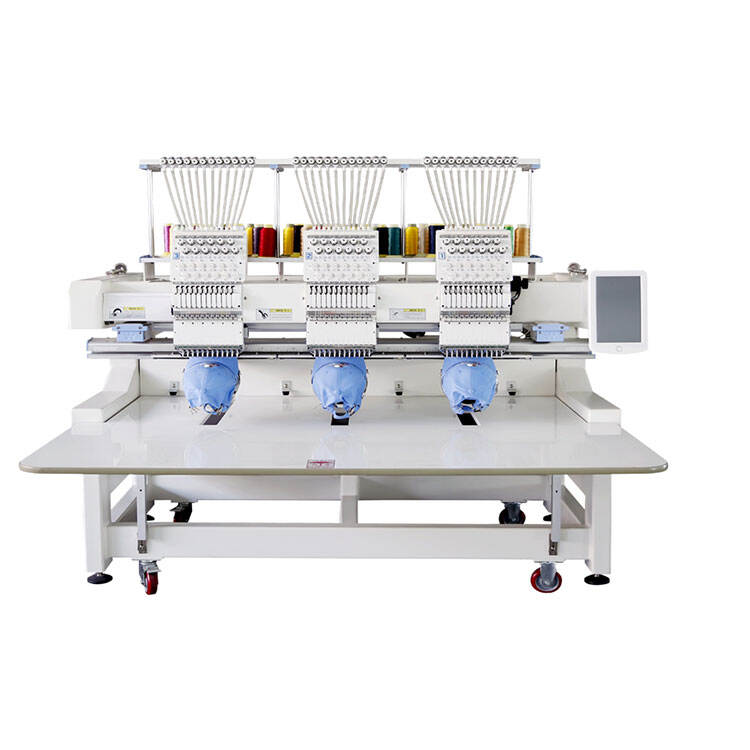
In today's competitive business landscape, purchasing industrial equipment represents more than just acquiring a tool—it's investing in a long-term partnership that can significantly impact your operational success. While many buyers focus primarily on initial specifications and pricing, the true value of any investment lies in the comprehensive after-sale support that follows. This critical aspect of business relationships often determines whether your investment flourishes or becomes a costly burden that undermines productivity and profitability.
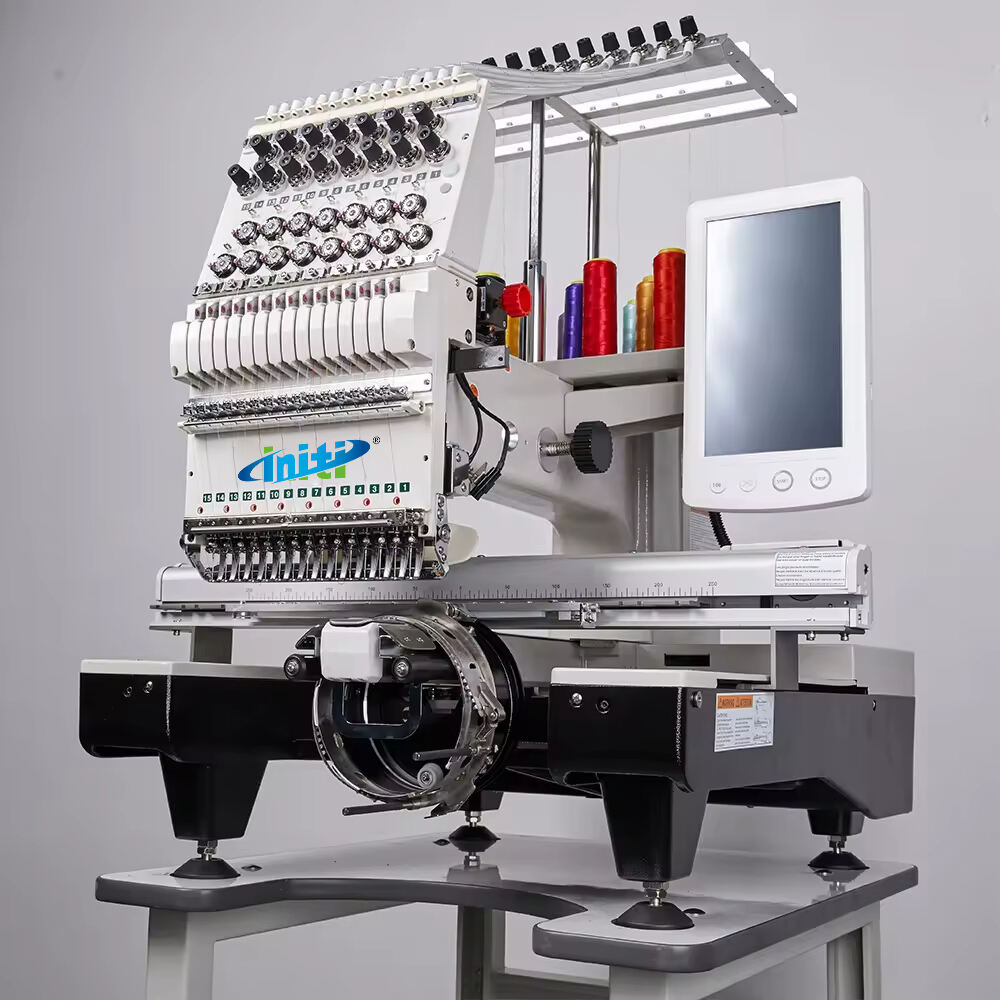
The distinction between vendors who provide exceptional after-sale support and those who disappear after closing deals becomes apparent within the first few months of ownership. Quality after-sale support encompasses technical assistance, maintenance guidance, training programs, and responsive customer service that ensures your equipment operates at peak performance throughout its lifecycle. This comprehensive approach to customer care transforms a simple transaction into a strategic partnership that drives continuous value creation.
The Foundation of Effective After-Sale Support
Comprehensive Technical Assistance Programs
Professional after-sale support begins with robust technical assistance programs designed to address both immediate concerns and long-term operational challenges. These programs typically include dedicated support hotlines staffed by qualified technicians who understand the intricacies of your specific equipment. When technical issues arise, having access to knowledgeable professionals who can provide accurate diagnostics and solutions prevents costly downtime and ensures rapid problem resolution.
Modern after-sale support systems leverage advanced communication technologies to deliver real-time assistance, including remote diagnostics capabilities that allow technicians to assess equipment performance without requiring on-site visits. This technological integration significantly reduces response times and enables proactive maintenance recommendations that prevent minor issues from escalating into major problems. The efficiency of these technical assistance programs directly correlates with operational continuity and long-term equipment reliability.
Structured Training and Knowledge Transfer
Effective after-sale support extends beyond reactive problem-solving to encompass proactive knowledge transfer that empowers your team to maximize equipment potential. Comprehensive training programs should cover operational procedures, routine maintenance protocols, basic troubleshooting techniques, and safety considerations that ensure optimal performance while minimizing risk exposure. These educational initiatives represent invaluable investments in human capital that yield dividends throughout the equipment's operational lifetime.
Quality training programs adapt to different learning styles and skill levels, incorporating hands-on demonstrations, digital resources, and ongoing educational opportunities that keep operators current with best practices and technological updates. When vendors prioritize knowledge transfer as a core component of their after-sale support strategy, they demonstrate genuine commitment to customer success that extends far beyond initial sales objectives.
Maintenance Excellence and Preventive Care
Proactive Maintenance Scheduling Systems
Superior after-sale support includes sophisticated maintenance scheduling systems that help customers optimize equipment performance while minimizing unexpected breakdowns. These systems typically provide detailed maintenance calendars, replacement part schedules, and performance monitoring protocols that ensure equipment operates within optimal parameters. Proactive maintenance approaches significantly extend equipment lifecycles while reducing total cost of ownership through improved efficiency and reliability.
Advanced maintenance programs incorporate predictive analytics that identify potential issues before they manifest as operational problems, allowing for strategic maintenance planning that minimizes production disruptions. This forward-thinking approach to equipment care demonstrates the vendor's commitment to long-term customer success and positions after-sale support as a value-added service rather than a necessary expense.
Genuine Parts Availability and Supply Chain Management
Reliable access to genuine replacement parts represents a critical component of comprehensive after-sale support that directly impacts equipment longevity and performance consistency. Vendors who maintain well-stocked parts inventories and efficient supply chain systems ensure that customers can obtain necessary components quickly, minimizing downtime and maintaining operational continuity. The availability of genuine parts also ensures compatibility and performance standards that generic alternatives cannot guarantee.
Effective parts management systems include inventory tracking capabilities that help customers plan maintenance activities and budget for upcoming replacements. When vendors provide transparent parts availability information and competitive pricing structures, they demonstrate commitment to long-term customer relationships that extend well beyond initial equipment sales. This transparency builds trust and confidence in the after-sale support infrastructure that supports ongoing operations.
Technology Integration and Digital Support Platforms
Remote Monitoring and Diagnostic Capabilities
Contemporary after-sale support leverages sophisticated remote monitoring technologies that provide continuous visibility into equipment performance metrics and operational parameters. These systems enable proactive identification of performance anomalies, allowing support teams to address potential issues before they impact productivity. Remote diagnostic capabilities also facilitate more accurate problem assessment, reducing the time required for effective resolution and minimizing service costs.
Digital monitoring platforms typically include user-friendly dashboards that provide real-time performance data, maintenance alerts, and historical trend analysis that helps customers optimize operational strategies. When after-sale support incorporates these advanced monitoring capabilities, customers gain unprecedented insight into equipment performance patterns that inform strategic decision-making and operational improvements.
Digital Documentation and Knowledge Management
Modern after-sale support systems include comprehensive digital documentation platforms that provide customers with instant access to manuals, troubleshooting guides, video tutorials, and technical specifications. These knowledge management systems ensure that critical information remains readily available whenever needed, reducing dependency on external support resources and empowering customers to resolve routine issues independently.
Interactive documentation platforms often include search capabilities, multimedia content, and regular updates that keep information current and relevant. When vendors invest in sophisticated knowledge management systems as part of their after-sale support offering, they demonstrate commitment to customer empowerment and long-term relationship building that extends beyond traditional service models.
Financial Protection and Warranty Excellence
Comprehensive Warranty Coverage Programs
Robust warranty programs represent fundamental components of superior after-sale support that protect customer investments while demonstrating vendor confidence in product quality. Comprehensive warranty coverage should extend beyond basic defect protection to include performance guarantees, preventive maintenance coverage, and clear protocols for addressing warranty claims efficiently and fairly.
Effective warranty programs include transparent terms and conditions that eliminate ambiguity regarding coverage scope and claim procedures. When after-sale support includes generous warranty protection backed by responsive claim processing, customers gain confidence in their investment decisions and peace of mind regarding long-term operational costs. This financial protection represents tangible value that extends the economic benefits of quality after-sale support throughout the warranty period.
Extended Service Contracts and Maintenance Agreements
Progressive after-sale support offerings include flexible extended service contracts that provide ongoing protection and maintenance coverage beyond standard warranty periods. These agreements typically include scheduled maintenance services, priority technical support, discounted parts pricing, and guaranteed response times that ensure continuous operational support throughout the equipment's productive lifetime.
Well-structured service agreements provide predictable maintenance costs that facilitate accurate budgeting while ensuring access to professional maintenance services that maintain equipment performance standards. When vendors offer competitive extended service options as part of their after-sale support portfolio, they demonstrate commitment to long-term customer relationships and provide tangible value that justifies ongoing partnership investments.
Customer Relationship Management and Communication Excellence
Responsive Customer Service Infrastructure
Exceptional after-sale support requires sophisticated customer service infrastructure that ensures prompt, professional responses to customer inquiries and service requests. This infrastructure should include multiple communication channels, qualified customer service representatives, and efficient case management systems that track issues from initial contact through final resolution.
Quality customer service systems incorporate performance metrics that measure response times, resolution rates, and customer satisfaction levels, ensuring continuous improvement in service delivery standards. When after-sale support includes responsive customer service backed by performance accountability, customers receive consistent, reliable assistance that builds confidence in the overall support relationship.
Proactive Communication and Relationship Building
Superior after-sale support extends beyond reactive problem-solving to include proactive communication strategies that keep customers informed about product updates, maintenance recommendations, and operational optimization opportunities. Regular communication demonstrates vendor commitment to ongoing customer success and provides valuable insights that help customers maximize their equipment investments.
Effective communication programs include newsletters, technical bulletins, training announcements, and personalized consultations that maintain active engagement between vendors and customers. When after-sale support incorporates proactive communication as a core service component, it transforms transactional relationships into strategic partnerships that deliver mutual value and long-term success.
Performance Optimization and Continuous Improvement
Operational Efficiency Analysis Services
Advanced after-sale support includes operational efficiency analysis services that help customers identify improvement opportunities and optimize equipment performance for specific applications. These analytical services typically involve performance assessments, workflow evaluations, and recommendations for operational modifications that enhance productivity and reduce operating costs.
Professional efficiency analysis often reveals untapped potential within existing equipment configurations, providing customers with actionable insights that improve return on investment without requiring additional capital expenditures. When after-sale support includes these value-added analytical services, it demonstrates vendor expertise and commitment to customer success that extends well beyond basic equipment functionality.
Technology Updates and Enhancement Programs
Forward-thinking after-sale support includes technology update programs that ensure customer equipment remains current with evolving industry standards and technological advancement. These programs may include software updates, hardware modifications, and enhancement packages that extend equipment capabilities and maintain competitive operational advantages.
Technology enhancement programs protect customer investments by preventing premature obsolescence while providing access to improved functionality that drives operational excellence. When vendors prioritize technology updates as integral components of their after-sale support strategy, they demonstrate commitment to long-term customer success and competitive advantage maintenance.
FAQ
What should I expect from quality after-sale support services
Quality after-sale support should include responsive technical assistance, comprehensive training programs, proactive maintenance guidance, reliable parts availability, and ongoing customer communication. These services work together to ensure optimal equipment performance, minimize downtime, and maximize return on investment throughout the equipment's operational lifetime. The best after-sale support providers also offer digital tools, remote diagnostic capabilities, and performance optimization services that add significant value beyond basic support functions.
How does after-sale support impact total cost of ownership
Comprehensive after-sale support significantly reduces total cost of ownership by preventing costly breakdowns, extending equipment lifecycles, optimizing operational efficiency, and minimizing unplanned maintenance expenses. Quality support programs help customers avoid expensive emergency repairs, reduce downtime costs, and maintain peak performance levels that maximize productivity. The investment in superior after-sale support typically pays for itself through improved reliability, extended equipment life, and enhanced operational efficiency.
What are the key indicators of reliable after-sale support providers
Reliable after-sale support providers demonstrate several key characteristics including established technical expertise, comprehensive training programs, robust parts inventory management, responsive customer service, and proactive communication practices. They also maintain clear service level agreements, provide transparent pricing structures, offer multiple support channels, and demonstrate consistent performance in meeting customer service commitments. Additionally, quality providers invest in modern support technologies and maintain qualified technical staff capable of addressing complex operational challenges.
How can I evaluate after-sale support quality before making a purchase
Evaluate after-sale support quality by reviewing service level agreements, examining training program comprehensiveness, assessing parts availability guarantees, investigating customer references, and understanding response time commitments. Request detailed information about support infrastructure, technical staff qualifications, and service delivery processes. Contact existing customers to gather firsthand feedback about their after-sale support experiences and satisfaction levels. Additionally, evaluate the vendor's investment in support technologies, digital platforms, and ongoing service improvement initiatives that indicate long-term commitment to customer success.
Table of Contents
- The Foundation of Effective After-Sale Support
- Maintenance Excellence and Preventive Care
- Technology Integration and Digital Support Platforms
- Financial Protection and Warranty Excellence
- Customer Relationship Management and Communication Excellence
- Performance Optimization and Continuous Improvement
- FAQ