

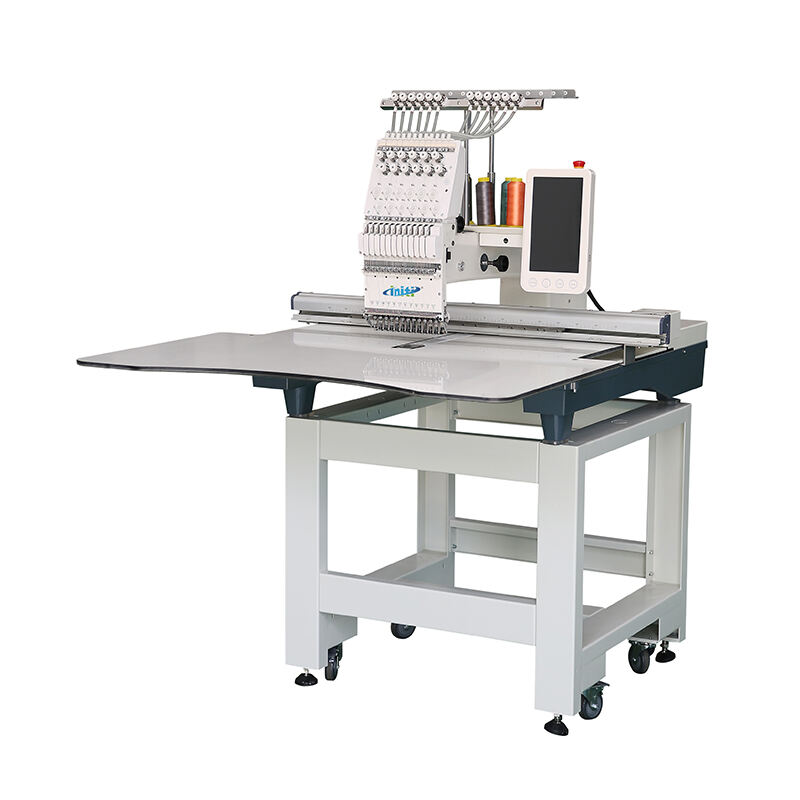
The textile and garment industry continues to evolve with technological advancements that demand precision, efficiency, and reliability. Modern manufacturing facilities require equipment that delivers consistent results while maintaining operational flexibility. An embroidery sewing machine represents a significant investment for businesses seeking to enhance their production capabilities and meet diverse customer demands. These sophisticated machines combine traditional craftsmanship with cutting-edge technology to produce intricate designs across various fabric types and applications.

Understanding the key features that distinguish a high-quality embroidery sewing machine from standard alternatives is essential for making informed purchasing decisions. These machines incorporate advanced threading systems, computerized controls, and precision mechanics that ensure superior stitch quality and operational reliability. Professional-grade units offer multi-needle capabilities, extensive design libraries, and sophisticated software integration that streamlines workflow processes. The investment in premium equipment typically yields long-term benefits through reduced maintenance costs, improved production efficiency, and enhanced product quality.
Advanced Threading and Needle Systems
Multi-Needle Configuration Benefits
Premium embroidery sewing machine models feature multi-needle configurations that dramatically improve production efficiency and design complexity capabilities. These systems allow operators to work with multiple thread colors simultaneously, eliminating the need for frequent thread changes during complex projects. The automatic needle selection function ensures precise color transitions while maintaining consistent stitch tension across different thread types. Modern multi-needle systems can accommodate between six to fifteen needles, depending on the machine specification and intended application requirements.
The engineering behind multi-needle systems involves sophisticated thread path management and tension control mechanisms. Each needle operates independently with dedicated thread feeding systems that prevent tangling and ensure smooth operation throughout extended production runs. High-quality machines incorporate thread break detection sensors that immediately pause operation when thread breakage occurs, preventing fabric damage and maintaining production quality standards. These advanced features significantly reduce operator intervention requirements while maximizing productive uptime.
Automatic Threading Technology
Contemporary embroidery sewing machine designs incorporate automatic threading technology that streamlines setup processes and reduces operator skill requirements. These systems utilize precision-engineered components to guide thread through needle eyes and tension discs with minimal manual intervention. The technology includes servo-controlled mechanisms that position threads accurately while maintaining optimal tension parameters throughout the threading sequence. Automatic threading capabilities are particularly valuable in high-volume production environments where frequent color changes are required.
The integration of automatic threading systems extends beyond basic needle threading to include comprehensive thread path management. Advanced machines feature self-cleaning needle plates and automatic thread trimming functions that maintain cleanliness and precision during operation. These systems reduce setup time significantly while ensuring consistent thread positioning that directly impacts stitch quality and design accuracy. The technology also minimizes thread waste through precise cutting mechanisms that optimize material utilization rates.
Computerized Control Systems
Digital Pattern Management
Modern high-quality embroidery sewing machine units incorporate sophisticated digital pattern management systems that provide extensive design capabilities and operational flexibility. These systems feature large-capacity memory storage that can accommodate hundreds of embroidery patterns, fonts, and custom designs. The computerized interface allows operators to preview designs, adjust sizing parameters, and modify stitch sequences before beginning production. Pattern management software typically includes design editing tools that enable real-time adjustments without requiring external design software.
The digital control systems also provide comprehensive production monitoring capabilities that track stitch counts, production times, and quality metrics. Advanced machines offer network connectivity options that enable remote monitoring and design transfer capabilities. These features support lean manufacturing principles by providing real-time production data and enabling predictive maintenance scheduling. The integration of digital systems transforms traditional embroidery operations into data-driven manufacturing processes that optimize efficiency and quality outcomes.
User Interface and Accessibility
Professional-grade embroidery sewing machine models feature intuitive user interfaces that accommodate operators with varying skill levels and experience backgrounds. Large touchscreen displays provide clear visualization of design previews, machine status information, and operational parameters. The interface design prioritizes ease of use while providing access to advanced features required for complex production requirements. Menu systems are typically organized logically with quick access buttons for frequently used functions.
The accessibility features extend to multiple language support options and customizable interface configurations that adapt to specific operational requirements. Advanced machines include tutorial modes and guided setup procedures that reduce training time for new operators. Voice prompts and visual indicators provide additional feedback during operation, ensuring consistent performance regardless of operator experience levels. These user-centric design elements contribute to reduced learning curves and improved operational efficiency across diverse workforce compositions.
Precision Mechanics and Build Quality
Frame Construction and Stability
The foundation of any high-quality embroidery sewing machine lies in its mechanical construction and structural integrity. Premium machines feature heavy-duty cast iron or steel frame construction that provides exceptional stability during high-speed operation. This robust construction minimizes vibration and ensures consistent stitch placement accuracy even during extended production runs. The frame design incorporates precision-machined components that maintain tight tolerances and resist wear over time.
Structural stability directly impacts embroidery quality by preventing fabric movement and maintaining precise needle positioning throughout the stitching process. Advanced machines include dampening systems and isolation mounts that further reduce vibration transmission to surrounding equipment and work surfaces. The engineering focus on mechanical stability ensures that an embroidery sewing machine maintains consistent performance characteristics regardless of operational speed or design complexity requirements.
Drive System Technology
Contemporary embroidery sewing machine designs utilize advanced servo motor drive systems that provide precise speed control and positioning accuracy. These systems offer variable speed operation that can be adjusted to accommodate different fabric types and design requirements. The servo technology enables smooth acceleration and deceleration profiles that minimize stress on mechanical components while maintaining stitch consistency. High-torque motors ensure reliable operation even when working with heavy fabrics or dense embroidery patterns.
The drive system integration extends to comprehensive motion control that coordinates needle movement, frame positioning, and thread feeding functions. Advanced machines feature encoders and feedback systems that continuously monitor motor positions and automatically adjust for any variations. This technology ensures that complex multi-color designs maintain perfect registration and alignment throughout the production process. The precision control capabilities enable operators to achieve professional-quality results consistently across diverse applications and material types.
Software Integration and Connectivity
Design Software Compatibility
Professional embroidery sewing machine systems require comprehensive software compatibility to support diverse design creation and modification workflows. Leading machines support multiple industry-standard file formats including DST, PES, EMB, and other proprietary formats used by major design software packages. This compatibility ensures that businesses can leverage existing design libraries while maintaining flexibility to work with various software solutions. The file format support extends to both import and export capabilities that facilitate collaboration with external design services.
The software integration capabilities also include design optimization features that automatically adjust stitch parameters based on fabric type and thread specifications. Advanced machines can analyze design complexity and recommend appropriate speed settings, tension adjustments, and stabilizer requirements. These intelligent features reduce setup time while optimizing quality outcomes for different production scenarios. The software typically includes design scaling options that maintain proportional accuracy when adjusting pattern sizes for different applications.
Network and Communication Features
Modern embroidery sewing machine systems incorporate comprehensive networking capabilities that support remote monitoring, design transfer, and production management functions. Ethernet and wireless connectivity options enable integration with existing manufacturing execution systems and quality management platforms. These connectivity features facilitate real-time production tracking and enable automated reporting of key performance metrics. Network integration also supports centralized design management that ensures consistent pattern libraries across multiple machine installations.
The communication capabilities extend to mobile device compatibility that allows operators to monitor machine status and receive alerts remotely. Advanced systems include cloud-based design storage and sharing features that support collaborative workflow processes. These modern connectivity options transform traditional embroidery operations into integrated manufacturing systems that support Industry 4.0 principles and smart factory implementations. The technology enables businesses to optimize resource utilization and respond quickly to changing production requirements.
Production Efficiency Features
Speed and Throughput Optimization
High-performance embroidery sewing machine models are engineered to deliver exceptional production speeds while maintaining stitch quality and accuracy standards. Premium machines typically operate at speeds ranging from 800 to 1,200 stitches per minute, depending on design complexity and fabric requirements. The speed optimization includes intelligent algorithms that automatically adjust operating parameters based on stitch density and thread tension requirements. These systems maximize throughput while preventing thread breaks and fabric damage that could compromise production efficiency.
The throughput optimization features extend beyond basic speed control to include automated functions that minimize operator intervention requirements. Advanced machines incorporate automatic color change sequences, thread trimming functions, and design positioning capabilities that reduce cycle times significantly. Jump stitch trimming and automatic tie-off functions ensure clean design transitions while maintaining production momentum. These efficiency features enable operators to focus on quality control and material handling rather than machine operation details.
Quality Control and Monitoring
Contemporary embroidery sewing machine systems include comprehensive quality control features that monitor stitching parameters and detect potential issues before they affect production outcomes. Thread tension monitoring systems continuously track tension variations and automatically adjust parameters to maintain consistent stitch quality. Break detection sensors immediately halt operation when thread breaks occur, preventing fabric damage and ensuring design integrity. These monitoring systems provide real-time feedback that enables proactive quality management.
The quality control capabilities also include stitch count verification and design placement monitoring that ensure accurate pattern reproduction. Advanced machines feature vision systems that can detect registration errors and automatically adjust frame positioning to maintain design accuracy. Production logging capabilities track quality metrics and provide detailed reports that support continuous improvement initiatives. These comprehensive monitoring features ensure that every embroidered piece meets established quality standards while minimizing waste and rework requirements.
Maintenance and Service Considerations
Preventive Maintenance Systems
Professional-grade embroidery sewing machine designs incorporate comprehensive preventive maintenance systems that maximize operational uptime and extend equipment service life. Automated lubrication systems ensure that critical components receive proper lubrication at specified intervals without requiring manual intervention. Self-diagnostic capabilities continuously monitor system performance and alert operators to potential maintenance requirements before issues impact production. These proactive maintenance features significantly reduce unexpected downtime and associated production costs.
The preventive maintenance systems include detailed service scheduling that tracks component usage and operating hours to recommend appropriate maintenance intervals. Advanced machines feature accessible maintenance points that simplify routine service procedures and reduce maintenance time requirements. Component wear monitoring systems provide early warning indicators that enable planned replacement schedules rather than reactive repairs. These comprehensive maintenance features ensure consistent machine performance while optimizing total cost of ownership over the equipment service life.
Technical Support and Training
Investment in a high-quality embroidery sewing machine typically includes comprehensive technical support and training programs that ensure optimal equipment utilization. Manufacturer support programs provide operator training that covers machine operation, basic maintenance procedures, and troubleshooting techniques. Advanced training modules address software utilization, design optimization, and quality control procedures that maximize production efficiency. These educational resources ensure that operators can fully leverage machine capabilities while maintaining consistent quality standards.
Technical support services extend to remote diagnostic capabilities that enable expert assistance without requiring on-site service visits. Advanced machines include communication systems that allow technical specialists to access machine data and provide real-time troubleshooting assistance. Service documentation and video training resources provide ongoing reference materials that support continuous skill development. These comprehensive support services ensure that businesses can maintain peak performance levels while minimizing operational disruptions and training costs.
FAQ
What factors determine the return on investment for an embroidery sewing machine
The return on investment for an embroidery sewing machine depends on several key factors including production volume, labor cost savings, quality improvements, and operational efficiency gains. High-quality machines typically offer faster production speeds, reduced maintenance requirements, and improved stitch quality that directly impact profitability. Businesses should evaluate their specific production requirements, customer demands, and growth projections when calculating potential returns. Additional considerations include energy efficiency, software capabilities, and service support that contribute to long-term value creation.
How do multi-needle systems compare to single-needle embroidery machines
Multi-needle embroidery sewing machine systems provide significant advantages over single-needle alternatives in terms of production efficiency and design complexity capabilities. Multi-needle systems eliminate the need for frequent thread changes during multi-color designs, reducing setup time and operator intervention requirements. These systems also enable simultaneous processing of multiple design elements and color transitions that dramatically improve throughput rates. However, single-needle machines may be more cost-effective for businesses with limited production volumes or simple design requirements.
What maintenance requirements should be expected with professional embroidery equipment
Professional embroidery sewing machine maintenance requirements typically include daily cleaning procedures, weekly lubrication schedules, and periodic component inspections. Modern machines feature automated maintenance reminders and self-diagnostic capabilities that simplify routine care procedures. Preventive maintenance includes thread path cleaning, tension adjustment verification, and software updates that ensure consistent performance. Most manufacturers provide detailed maintenance schedules and training programs that enable operators to perform routine care procedures while minimizing service costs.
How important is software compatibility when selecting an embroidery machine
Software compatibility is crucial when selecting an embroidery sewing machine as it directly impacts design flexibility, workflow efficiency, and long-term operational costs. Machines that support multiple file formats and integrate with popular design software packages provide greater flexibility and reduce conversion requirements. Advanced software features including design editing capabilities, automatic digitizing functions, and production management tools can significantly enhance operational efficiency. Businesses should evaluate their existing software investments and future requirements when assessing compatibility needs.
Table of Contents
- Advanced Threading and Needle Systems
- Computerized Control Systems
- Precision Mechanics and Build Quality
- Software Integration and Connectivity
- Production Efficiency Features
- Maintenance and Service Considerations
-
FAQ
- What factors determine the return on investment for an embroidery sewing machine
- How do multi-needle systems compare to single-needle embroidery machines
- What maintenance requirements should be expected with professional embroidery equipment
- How important is software compatibility when selecting an embroidery machine