

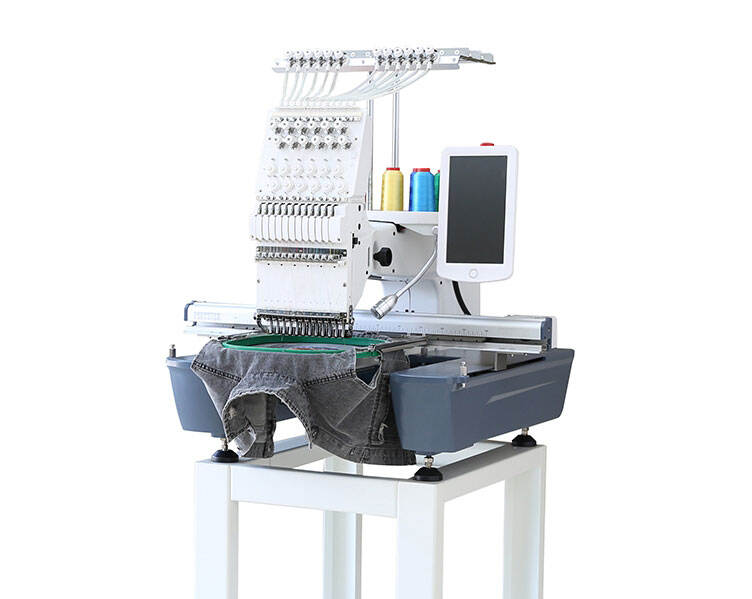
Choosing your first embroidery sewing machine represents a significant milestone in your creative journey, whether you're pursuing a new hobby or launching a small business venture. An embroidery sewing machine combines traditional sewing capabilities with advanced computerized embroidery functions, allowing you to create intricate designs, monograms, and decorative elements with precision and ease. Understanding the key features, specifications, and considerations will help you make an informed decision that aligns with your skill level, budget, and creative aspirations.
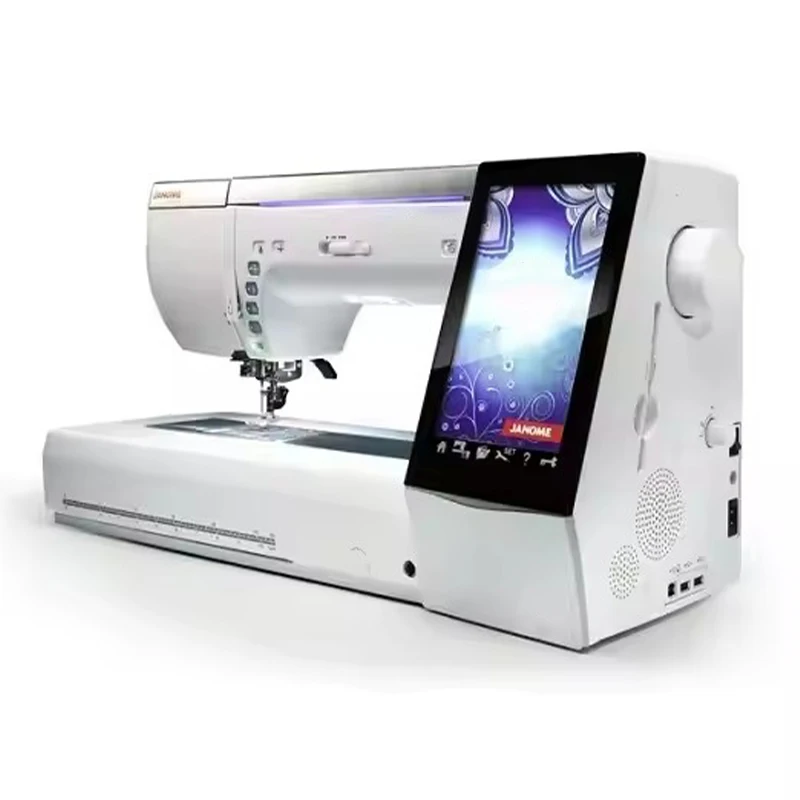
Understanding Embroidery Machine Technology
Digital Computerized Systems
Modern embroidery sewing machine models utilize sophisticated digital computerized systems that translate design files into precise needle movements. These systems process embroidery patterns through built-in memory or external storage devices, ensuring consistent stitch quality and pattern accuracy. The computerized control allows for automatic thread cutting, color changes, and speed adjustments based on the complexity of the design being embroidered.
Digital embroidery machines offer superior precision compared to manual alternatives, with some models capable of creating stitches as small as 0.1 millimeters. The computerized interface typically includes LCD screens that display design previews, editing options, and machine status information. This technology enables beginners to achieve professional-quality results without extensive manual embroidery experience.
Single Head vs Multi-Head Configurations
Single head embroidery sewing machine units are ideal for home users and small businesses, offering compact design and user-friendly operation. These machines focus on one embroidery area at a time, making them perfect for personalized items, small batch production, and learning embroidery techniques. Single head models typically feature hoop sizes ranging from 4x4 inches to 12x8 inches, accommodating various project requirements.
Multi-head configurations are designed for commercial applications where high-volume production is essential. While single head machines excel in versatility and affordability, multi-head systems can simultaneously embroider multiple identical designs, significantly increasing productivity. For first-time buyers, single head embroidery machines provide the best balance of functionality, cost-effectiveness, and learning curve management.
Essential Features to Consider
Embroidery Field Size and Hoop Compatibility
The embroidery field size determines the maximum dimensions of designs your embroidery sewing machine can create in a single hooping. Entry-level machines typically offer 4x4 inch embroidery fields, suitable for logos, monograms, and small decorative elements. Mid-range models often feature 5x7 or 6x10 inch fields, enabling larger designs and more complex projects.
Hoop compatibility affects your machine's versatility and project scope. Most embroidery machines include multiple hoop sizes, allowing you to match the hoop to your project requirements. Magnetic hoops, spring-loaded hoops, and quick-change hoop systems enhance efficiency and reduce setup time between projects.
Built-in Design Library and Connectivity
A comprehensive built-in design library provides immediate access to fonts, decorative patterns, and embroidery motifs without requiring external design files. Quality embroidery sewing machine models include hundreds of pre-programmed designs spanning various categories including floral patterns, geometric shapes, alphabets, and themed collections.
Connectivity options such as USB ports, memory card slots, and wireless capabilities enable easy design transfer from computers or online sources. Some advanced models offer direct internet connectivity, allowing access to cloud-based design libraries and software updates. These connectivity features expand your creative possibilities and keep your machine current with evolving embroidery trends.
Performance Specifications and Capabilities
Stitch Speed and Thread Handling
Embroidery sewing machine stitch speeds typically range from 400 to 1,200 stitches per minute, with variable speed control for different design complexities. Higher speeds increase productivity but may require more skill to maintain consistent quality. Beginner-friendly models often feature automatic speed adjustment based on design density and stitch type.
Thread handling capabilities include automatic thread cutting, thread tension adjustment, and multiple thread color management. Advanced machines can handle up to 15 different thread colors simultaneously, reducing manual intervention during complex multi-color designs. Quality thread sensors detect thread breaks and automatically pause the machine, preventing design errors and material waste.
Stabilization and Fabric Compatibility
Proper fabric stabilization is crucial for achieving professional embroidery results. Your embroidery sewing machine should accommodate various stabilizer types including tear-away, cut-away, and wash-away options. Different fabrics require specific stabilization techniques, and understanding these requirements will improve your embroidery quality.
Fabric compatibility ranges from lightweight cotton and polyester to heavy canvas and leather, depending on your machine's capabilities. Professional-grade machines often include adjustable presser foot pressure and feed mechanisms to handle diverse material thicknesses and textures effectively.
Software Integration and Design Creation
Embroidery Software Compatibility
Compatible embroidery software significantly expands your creative possibilities beyond built-in designs. Popular software packages allow you to digitize artwork, modify existing patterns, and create custom embroidery files. Your embroidery sewing machine should support common file formats including PES, DST, EXP, and JEF to ensure broad software compatibility.
Some manufacturers provide proprietary software packages specifically designed for their machines, offering seamless integration and advanced features. These software solutions often include automatic digitizing tools, font creation capabilities, and design editing functions that complement your machine's hardware capabilities.
File Format Support and Storage
Comprehensive file format support ensures your embroidery sewing machine can read designs from various sources and software applications. Standard formats like PES and DST are widely supported, while specialized formats may require conversion or specific software compatibility.
Internal memory capacity determines how many designs your machine can store without external media. Entry-level models typically offer 1-4 MB of internal storage, sufficient for dozens of standard designs. Advanced machines may include 50 MB or more, accommodating large design collections and complex multi-color patterns.
Maintenance and Operational Considerations
Routine Maintenance Requirements
Regular maintenance ensures your embroidery sewing machine operates reliably and produces consistent results. Daily maintenance includes cleaning lint from the bobbin area, checking thread paths, and inspecting needle condition. Weekly maintenance involves lubricating moving parts according to manufacturer specifications and cleaning the machine exterior.
Professional servicing should be performed annually or after significant usage milestones. This comprehensive maintenance includes internal cleaning, tension calibration, and replacement of worn components. Proper maintenance extends machine lifespan and prevents costly repairs that could interrupt your embroidery projects.
Troubleshooting Common Issues
Common embroidery sewing machine issues include thread breaks, tension problems, and design registration errors. Understanding basic troubleshooting techniques helps maintain productivity and prevents minor issues from becoming major problems. Thread breaks often result from incorrect threading, damaged needles, or inappropriate thread quality.
Design registration problems may indicate hoop movement, stabilizer inadequacy, or machine calibration issues. Learning to identify and resolve these common problems reduces downtime and improves your overall embroidery experience. Most manufacturers provide detailed troubleshooting guides and customer support resources.
Budget Planning and Value Assessment
Price Ranges and Feature Correlation
Entry-level embroidery sewing machine models typically range from $500 to $1,500, offering basic functionality suitable for hobbyists and beginners. These machines include essential features like built-in designs, USB connectivity, and 4x4 inch embroidery fields. Mid-range models ($1,500-$4,000) provide larger embroidery areas, more built-in designs, and enhanced connectivity options.
Professional-grade machines exceed $4,000 and offer commercial-quality construction, extensive feature sets, and superior performance capabilities. When evaluating price versus features, consider your immediate needs, growth potential, and long-term creative goals to determine the most appropriate investment level.
Long-term Investment Considerations
Your embroidery sewing machine purchase represents a long-term investment in your creative capabilities. Consider factors like manufacturer reputation, warranty coverage, service availability, and software update policies when making your decision. Machines from established manufacturers often provide better long-term value through reliable performance and comprehensive support.
Expansion capabilities should align with your anticipated growth in embroidery skills and project complexity. Choosing a machine with room for advancement prevents premature obsolescence and maximizes your investment value. Consider accessory availability, software upgrade paths, and community support when evaluating long-term value.
FAQ
What size embroidery field is best for beginners
For beginners, a 4x4 inch or 5x7 inch embroidery field provides excellent versatility for learning fundamental techniques. These sizes accommodate most common projects including monograms, small logos, and decorative elements while remaining manageable for new users. Larger fields require more advanced hooping skills and stabilization techniques that may overwhelm beginners.
How important is built-in design variety in an embroidery sewing machine
Built-in design variety is valuable for immediate productivity and learning different embroidery techniques. A quality embroidery sewing machine should include at least 100 built-in designs spanning fonts, borders, and decorative motifs. However, connectivity options for importing external designs are equally important for long-term creative growth and project diversity.
What maintenance schedule should I follow for optimal performance
Follow a daily cleaning routine including lint removal and thread path inspection after each embroidery session. Weekly maintenance should include lubrication of specified points and thorough exterior cleaning. Schedule professional servicing annually or after every 100 hours of operation to maintain warranty coverage and ensure optimal performance of your embroidery sewing machine.
Can I use regular sewing thread for embroidery projects
While regular sewing thread can work for basic projects, dedicated embroidery thread provides superior results in terms of sheen, color stability, and durability. Embroidery thread is specifically designed to withstand the high-speed stitching and repeated needle penetrations characteristic of machine embroidery. Investing in quality embroidery thread will significantly improve your finished project appearance and longevity.