

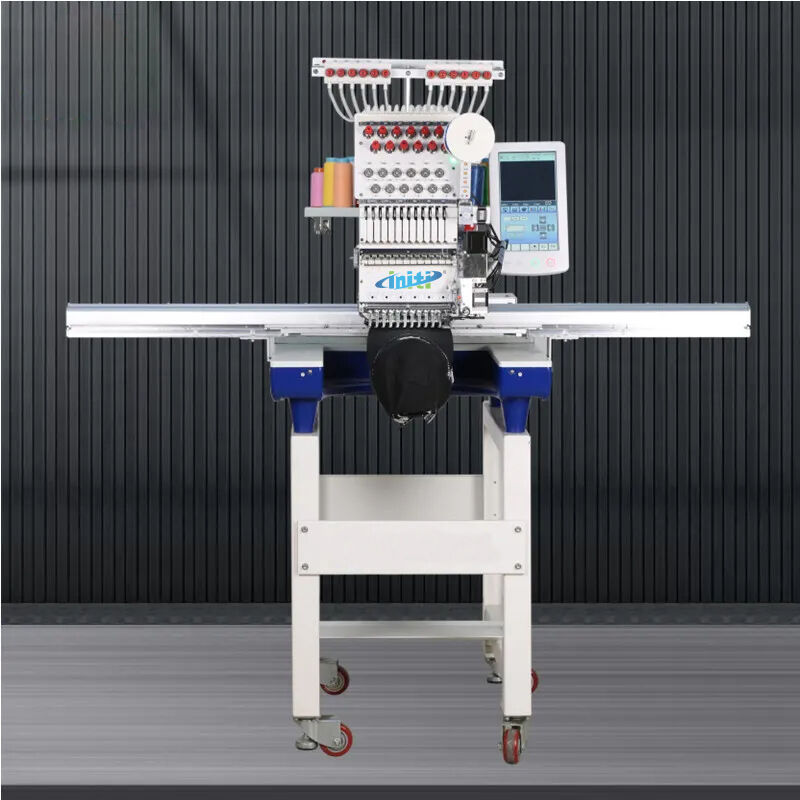
When considering the purchase of an embroidery sewing machine, making an informed decision requires careful evaluation of multiple factors that will impact your creative projects and long-term satisfaction. Whether you're a professional seamstress, small business owner, or passionate hobbyist, selecting the right embroidery sewing machine can transform your crafting capabilities and unlock new possibilities for intricate designs and commercial opportunities. The market offers numerous options ranging from basic home models to sophisticated commercial-grade units, each designed to meet specific needs and skill levels.
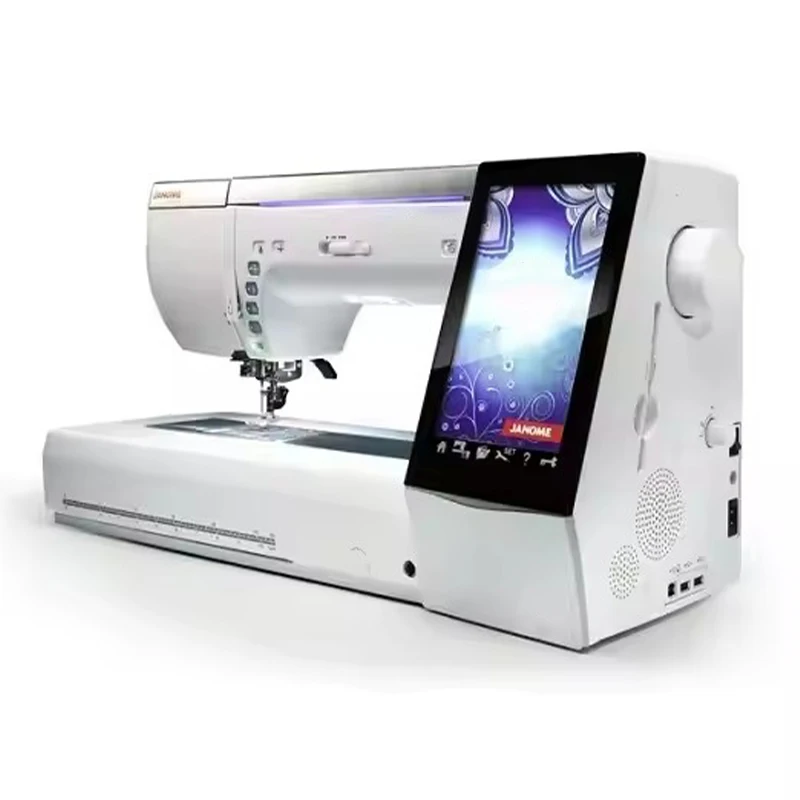
Understanding the technical specifications, operational requirements, and performance capabilities of different embroidery sewing machine models will help ensure your investment delivers the results you expect. Modern embroidery machines incorporate advanced computerized technology, precise mechanical components, and user-friendly interfaces that enable both beginners and experienced operators to create professional-quality embroidered designs with consistency and efficiency.
Essential Features and Technical Specifications
Embroidery Area and Hoop Compatibility
The embroidery area size directly impacts the scale and complexity of projects you can complete with your embroidery sewing machine. Most entry-level models offer embroidery areas ranging from 4x4 inches to 5x7 inches, which accommodate standard logos, monograms, and small decorative elements suitable for clothing items, accessories, and home décor projects. Mid-range and professional embroidery sewing machine units typically provide larger working areas of 8x12 inches or 9.5x14 inches, enabling creation of elaborate designs on larger garments, quilts, and commercial applications.
Hoop compatibility extends beyond size considerations to include magnetic hoops, multi-position hoops, and specialty attachments that enhance positioning accuracy and material handling efficiency. Quality embroidery sewing machine models offer interchangeable hoop systems that accommodate various fabric types, thicknesses, and project requirements without compromising stitch quality or design registration. Understanding your typical project dimensions and future expansion plans helps determine the optimal embroidery area specifications for your specific needs.
Computerized Control and Software Integration
Modern embroidery sewing machine technology relies heavily on computerized control systems that manage stitch formation, thread tension, speed regulation, and design positioning with exceptional precision. Built-in design libraries typically include hundreds of pre-programmed patterns, fonts, and decorative elements that can be customized, combined, and scaled to create unique embroidered projects. Advanced embroidery sewing machine models support external design software compatibility, USB connectivity, and wireless data transfer capabilities that expand creative possibilities beyond factory-installed options.
Software integration capabilities determine how easily you can import custom designs, edit existing patterns, and optimize stitch parameters for different fabric types and thread materials. Professional-grade embroidery sewing machine units often include sophisticated digitizing software that converts artwork into embroidery formats, automatic thread color sequencing, and design simulation features that preview finished results before actual stitching begins. Evaluating software compatibility ensures seamless workflow integration and long-term creative flexibility.
Performance Capabilities and Operational Efficiency
Stitching Speed and Precision Control
Stitching speed significantly impacts productivity and project completion times, particularly for commercial applications or high-volume production requirements. Entry-level embroidery sewing machine models typically operate at speeds ranging from 400 to 650 stitches per minute, while professional units can achieve speeds exceeding 1000 stitches per minute without sacrificing stitch quality or design accuracy. Variable speed control allows operators to adjust stitching rates based on fabric type, thread material, design complexity, and personal comfort levels.
Precision control mechanisms ensure consistent stitch formation, proper thread tension, and accurate needle positioning throughout extended embroidery sessions. Quality embroidery sewing machine construction incorporates servo motors, precision bearings, and stable frame designs that minimize vibration and maintain dimensional accuracy even at maximum operating speeds. Understanding the relationship between speed capabilities and precision requirements helps identify models that deliver optimal performance for your specific applications.
Thread Management and Tension Systems
Effective thread management systems prevent tangling, breaking, and irregular stitch formation that can compromise embroidery quality and interrupt production workflow. Advanced embroidery sewing machine models feature automatic thread cutting, programmable thread tension adjustment, and multi-spool thread stands that accommodate various thread types including polyester, rayon, metallic, and specialty materials. Consistent thread tension ensures uniform stitch appearance and prevents puckering or gathering of base fabrics during embroidery operations.
Professional embroidery sewing machine units often incorporate thread monitoring sensors that detect breaks or tangles and automatically pause operation to prevent design distortion or material damage. Upper and lower thread path optimization reduces friction and extends thread life while maintaining smooth feed rates throughout complex design sequences. Proper thread management capabilities directly impact production efficiency and finished product quality.
Budget Considerations and Value Assessment
Initial Investment and Operating Costs
Embroidery sewing machine pricing varies dramatically based on features, capabilities, and intended applications, with basic home models starting around several hundred dollars and professional commercial units costing tens of thousands of dollars. Initial investment calculations should include the base machine cost, essential accessories, software packages, and setup requirements to establish realistic budget parameters. Consider whether your embroidery sewing machine purchase represents a hobbyist investment or potential revenue-generating business opportunity that justifies higher initial expenditures.
Operating costs encompass consumable materials including threads, stabilizers, needles, and maintenance supplies that accumulate over the machine's operational lifetime. Energy consumption, workspace requirements, and potential service costs should factor into total ownership calculations. embroidery sewing machine models with higher efficiency ratings and robust construction typically deliver better long-term value through reduced operating expenses and extended service life.
Return on Investment Potential
For entrepreneurs and small business owners, embroidery sewing machine capabilities can generate significant revenue through custom embroidery services, personalized products, and contract manufacturing opportunities. Market demand for embroidered apparel, promotional items, and decorative textiles continues growing across various industries including corporate branding, sports teams, and fashion accessories. Calculating potential project volumes, pricing structures, and market penetration helps determine whether premium embroidery sewing machine features justify higher initial investments.
Production capacity, design versatility, and operational reliability directly impact revenue generation potential and customer satisfaction levels. Professional-quality embroidery sewing machine units enable faster turnaround times, consistent quality standards, and expanded service offerings that command premium pricing and generate repeat business opportunities. Evaluating local market conditions and competitive landscape provides insight into realistic revenue projections and payback periods.
Maintenance Requirements and Support Services
Routine Maintenance and Cleaning Procedures
Regular maintenance ensures optimal embroidery sewing machine performance, extends operational life, and prevents costly repairs or unexpected downtime. Daily cleaning procedures typically involve removing lint accumulation, checking thread paths, and verifying proper needle condition and positioning. Weekly maintenance may include lubrication of moving components, inspection of drive belts and tensioning mechanisms, and calibration verification to maintain dimensional accuracy and stitch quality.
Comprehensive maintenance schedules vary based on usage intensity, environmental conditions, and manufacturer recommendations but generally include periodic deep cleaning, component replacement, and professional service intervals. Quality embroidery sewing machine manufacturers provide detailed maintenance guides, instructional videos, and technical support resources that enable operators to perform routine procedures safely and effectively. Understanding maintenance requirements helps establish realistic operating schedules and budget for ongoing care expenses.
Warranty Coverage and Technical Support
Warranty terms and technical support availability significantly impact long-term ownership satisfaction and operational confidence. Comprehensive embroidery sewing machine warranties typically cover manufacturing defects, component failures, and performance issues for specified periods ranging from one to several years depending on model and manufacturer. Extended warranty options may provide additional coverage for parts, labor, and emergency service calls that ensure minimal business disruption.
Technical support services include phone assistance, online resources, training materials, and local service networks that provide troubleshooting guidance and repair services when needed. Manufacturers with established dealer networks and certified technician programs typically offer faster response times and more reliable service quality. Evaluating support infrastructure and service reputation helps ensure access to assistance throughout your embroidery sewing machine ownership experience.
Workspace Integration and Setup Requirements
Physical Space and Environmental Considerations
Embroidery sewing machine installation requires adequate workspace dimensions, proper ventilation, and stable electrical supply to ensure safe and efficient operation. Machine footprint varies considerably between compact home models and large commercial units, with additional space needed for material handling, thread storage, and operator movement. Ceiling height, lighting conditions, and ambient temperature control affect both operator comfort and machine performance consistency.
Vibration isolation and noise control become important considerations in residential or shared workspace environments where embroidery sewing machine operation might disturb others. Professional installations often incorporate dedicated work surfaces, specialized lighting systems, and climate control measures that optimize working conditions and protect equipment from environmental factors. Planning workspace requirements early in the selection process helps avoid costly modifications or operational limitations later.
Electrical and Utility Requirements
Power consumption and electrical requirements vary significantly between different embroidery sewing machine categories, with basic models operating on standard household current while industrial units may require dedicated circuits or three-phase power supply. Voltage stability, surge protection, and backup power systems protect sensitive electronic components from damage and ensure consistent operation during power fluctuations or outages.
Compressed air systems, specialized lighting, and climate control equipment may supplement basic electrical requirements for professional embroidery sewing machine installations. Understanding utility requirements helps budget for installation costs and ensures compatibility with existing facility infrastructure. Consulting with qualified electricians and following manufacturer specifications prevents safety hazards and warranty violations.
FAQ
What is the difference between home and commercial embroidery sewing machines
Home embroidery sewing machines are designed for occasional use with smaller embroidery areas, slower stitching speeds, and simplified control systems suitable for hobbyists and crafters. Commercial embroidery sewing machine units feature robust construction, larger working areas, higher stitching speeds, and advanced computerized controls capable of continuous operation in production environments. Professional models typically offer superior precision, reliability, and expanded design capabilities that justify their higher cost for business applications.
How do I choose the right embroidery area size for my projects
Embroidery area selection depends on your typical project dimensions and future expansion plans. Small areas like 4x4 inches accommodate logos and monograms on shirts and accessories, while larger areas of 8x12 inches or more enable complex designs on jackets, quilts, and commercial products. Consider the largest designs you plan to create and choose an embroidery sewing machine with adequate working space to avoid limitations. Multiple smaller designs can often be positioned efficiently within larger embroidery areas for batch production.
What maintenance is required for embroidery sewing machines
Regular embroidery sewing machine maintenance includes daily lint removal, thread path cleaning, and needle inspection to ensure optimal performance. Weekly procedures may involve lubrication, belt tension checks, and calibration verification depending on usage intensity. Professional service intervals typically range from annually for light use to quarterly for commercial applications. Following manufacturer maintenance schedules prevents premature wear, reduces repair costs, and maintains warranty coverage throughout the machine's operational life.
Can I use any thread type with my embroidery sewing machine
Most embroidery sewing machines accommodate standard polyester and rayon threads, but specialty materials like metallic, variegated, or heavy-weight threads may require specific needle types, tension adjustments, or reduced stitching speeds. Check your machine's specifications for thread compatibility and recommended materials to avoid damage or poor stitch quality. Higher-quality embroidery sewing machine models typically offer greater thread versatility and adjustment options for challenging materials and specialized applications.