

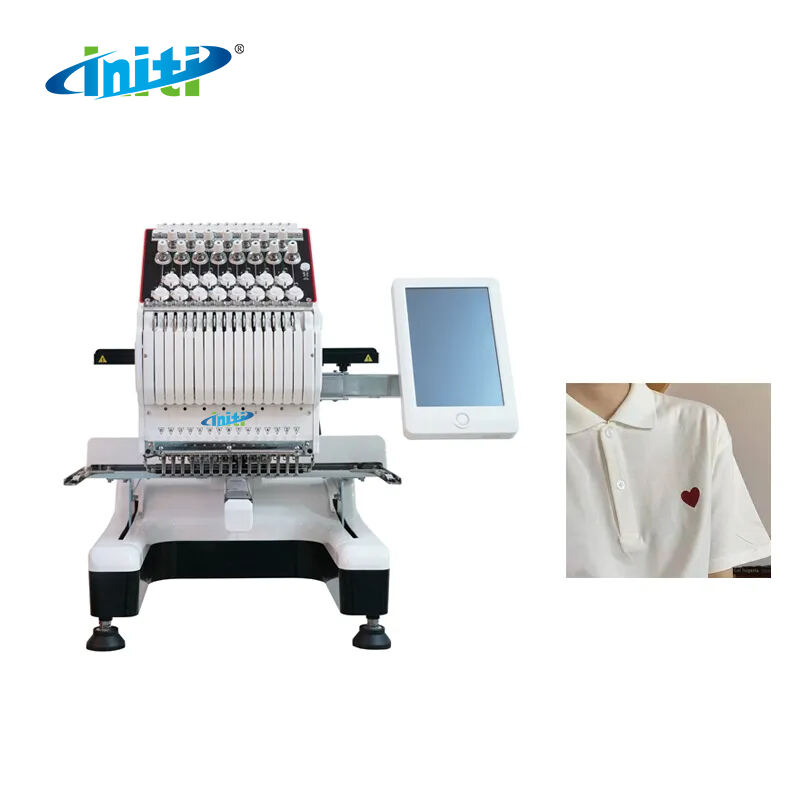
The global textile and fashion industry continues to evolve at an unprecedented pace, driving demand for advanced manufacturing equipment across commercial and industrial sectors. Among the most critical components of modern textile production are sophisticated embroidery systems that enable businesses to create intricate designs with precision and efficiency. Today's embroidery sewing machine manufacturers are pushing the boundaries of technology, incorporating digital controls, multi-head configurations, and automated threading systems to meet the diverse needs of apparel manufacturers, promotional product companies, and custom decoration businesses worldwide.
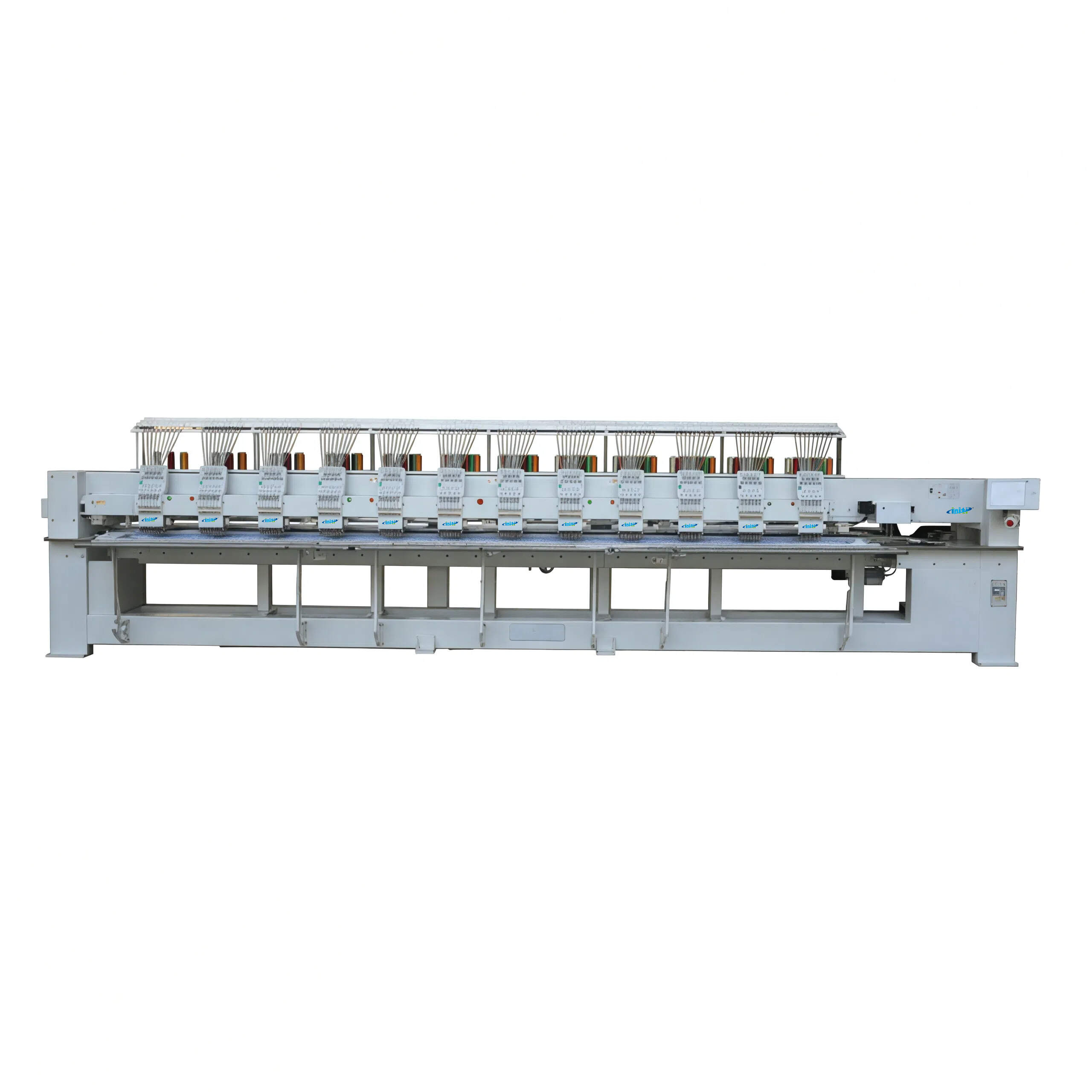
Evolution of Industrial Embroidery Technology
Digital Revolution in Embroidery Manufacturing
The transformation from mechanical to digital embroidery systems has fundamentally changed how embroidery sewing machine manufacturers approach product development. Modern machines integrate sophisticated computer systems that can interpret complex design files, automatically adjust tension settings, and monitor thread breaks in real-time. Leading manufacturers have invested heavily in developing proprietary software platforms that streamline the entire embroidery process, from design digitization to final production output.
Advanced embroidery systems now feature touchscreen interfaces, USB connectivity, and network integration capabilities that allow operators to manage multiple machines from centralized control stations. These technological advances have significantly reduced setup times while improving overall production quality and consistency. Professional embroidery operations can now achieve stitch counts exceeding 1,200 stitches per minute while maintaining exceptional precision across various fabric types and thicknesses.
Automation and Smart Manufacturing Integration
Contemporary embroidery sewing machine manufacturers are increasingly incorporating Industry 4.0 principles into their equipment designs. Smart sensors monitor machine performance, predict maintenance requirements, and automatically adjust operational parameters to optimize production efficiency. These intelligent systems can detect fabric variations, thread tension irregularities, and needle positioning errors before they impact final product quality.
Automated thread trimming, color changing, and design sequencing capabilities have become standard features in professional-grade embroidery equipment. Manufacturers are also developing integrated quality control systems that use computer vision technology to inspect completed embroidery work, identifying defects and ensuring consistent output standards across large production runs.
Key Players in the Global Embroidery Machine Market
Established Industry Leaders
The global embroidery machine manufacturing landscape is dominated by several established companies that have built strong reputations through decades of innovation and customer service excellence. Japanese manufacturers like Tajima and Brother have consistently set industry standards for reliability and precision, while German companies such as ZSK have earned recognition for their advanced multi-head systems and sophisticated control software.
These industry leaders continue to invest significant resources in research and development, focusing on improving machine speed, expanding design capabilities, and enhancing user interfaces. Their extensive dealer networks and comprehensive service programs have helped establish strong market positions in both domestic and international markets, particularly in high-volume commercial applications where reliability and performance consistency are paramount.
Emerging Technology Innovators
A new generation of embroidery sewing machine manufacturers is challenging traditional market dynamics by introducing innovative technologies and competitive pricing strategies. Chinese manufacturers like Richpeace and YSDA have gained significant market share by offering high-performance machines at attractive price points, while simultaneously investing in advanced manufacturing techniques and quality control processes.
These emerging companies are particularly focused on developing user-friendly systems that require minimal operator training while delivering professional-quality results. Their agile development processes allow for rapid integration of new technologies and quick response to changing market demands, making them attractive partners for businesses seeking cutting-edge embroidery solutions.
Manufacturing Excellence and Quality Standards
Precision Engineering and Component Quality
Leading embroidery sewing machine manufacturers prioritize precision engineering throughout their production processes, utilizing advanced manufacturing techniques such as CNC machining, laser cutting, and automated assembly systems. High-quality components including servo motors, linear guides, and precision bearings are essential for achieving the accuracy and reliability required in commercial embroidery applications.
Quality control protocols implemented by top-tier manufacturers include comprehensive testing of electrical systems, mechanical components, and software functionality before machines leave the factory. These rigorous standards ensure that customers receive equipment capable of maintaining consistent performance under demanding production conditions while minimizing downtime and maintenance requirements.
International Certification and Compliance
Professional embroidery sewing machine manufacturers must comply with various international safety and quality standards to compete effectively in global markets. CE marking for European markets, UL certification for North American applications, and ISO quality management system compliance are essential requirements for establishing credibility with commercial customers.
Environmental considerations are also becoming increasingly important, with manufacturers implementing eco-friendly production processes and designing energy-efficient machines that reduce operational costs while meeting sustainability goals. These initiatives demonstrate corporate responsibility while providing tangible benefits to customers through reduced utility expenses and improved environmental compliance.
Market Segmentation and Application Focus
Commercial and Industrial Applications
The commercial embroidery market encompasses diverse applications ranging from apparel decoration and promotional products to technical textiles and automotive components. Embroidery sewing machine manufacturers have developed specialized equipment configurations to address the unique requirements of each market segment, including high-speed production systems for large-volume apparel manufacturing and precision machines for intricate logo embroidery.
Industrial applications often require machines capable of handling heavy fabrics, thick threads, and continuous operation schedules. Manufacturers serving these markets focus on robust construction, powerful drive systems, and comprehensive service support to ensure maximum uptime and productivity for their customers.
Small Business and Entrepreneurial Markets
Growing numbers of small businesses and entrepreneurs are entering the custom embroidery market, creating demand for affordable yet capable equipment. Embroidery sewing machine manufacturers are responding with compact, user-friendly systems that provide professional capabilities without requiring extensive technical expertise or large capital investments.
These market-focused machines typically feature simplified controls, built-in design libraries, and comprehensive training resources to help new operators achieve success quickly. Manufacturers also provide business development support, including marketing materials, pricing guidance, and operational best practices to help customers build profitable embroidery businesses.
Innovation Trends and Future Developments
Artificial Intelligence and Machine Learning
Forward-thinking embroidery sewing machine manufacturers are exploring artificial intelligence applications that could revolutionize how embroidery systems operate and adapt to different production requirements. Machine learning algorithms can analyze historical production data to optimize stitch sequences, predict thread consumption, and automatically adjust machine parameters for different fabric types and design complexities.
AI-powered quality control systems are being developed to identify potential design issues before production begins, automatically correcting digitization errors and suggesting improvements to enhance final product appearance. These intelligent systems promise to reduce operator skill requirements while improving overall production efficiency and consistency.
Sustainable Manufacturing Practices
Environmental sustainability is becoming a key differentiator among embroidery sewing machine manufacturers as customers increasingly prioritize eco-friendly production methods. Energy-efficient motors, reduced noise emissions, and recyclable component materials are becoming standard considerations in new product development processes.
Manufacturers are also developing systems that minimize thread waste, optimize material usage, and extend machine service life through improved maintenance protocols and component durability. These initiatives address both environmental concerns and operational cost considerations that are important to commercial customers.
Service and Support Excellence
Technical Support Infrastructure
Successful embroidery sewing machine manufacturers understand that comprehensive service support is essential for maintaining customer satisfaction and building long-term business relationships. Professional service networks with trained technicians, readily available spare parts, and rapid response capabilities are critical components of effective customer support programs.
Modern service approaches include remote diagnostic capabilities that allow technicians to troubleshoot problems and provide solutions without requiring on-site visits. Online training resources, video tutorials, and digital documentation help customers maximize their equipment capabilities while reducing dependency on external support services.
Training and Education Programs
Leading manufacturers invest significantly in operator training programs that help customers achieve optimal results from their embroidery equipment. Comprehensive training curricula cover machine operation, maintenance procedures, design digitization, and production optimization techniques that enable customers to maximize their investment returns.
Advanced training programs often include business development components that help customers identify new market opportunities, develop pricing strategies, and implement effective marketing approaches. This holistic support approach differentiates premium manufacturers from competitors who focus solely on equipment sales.
Market Analysis and Growth Projections
Global Market Dynamics
The global embroidery machine market continues to experience steady growth driven by increasing demand for customized textiles, promotional products, and decorative applications. Industry analysts project continued expansion in both developed and emerging markets as manufacturing costs decline and technology accessibility improves.
Regional market variations reflect different customer preferences and economic conditions, with Asia-Pacific markets showing particularly strong growth due to expanding manufacturing capacity and rising consumer spending. European and North American markets remain important for high-end applications requiring advanced technology and superior reliability.
Technology Adoption Trends
Digital embroidery systems are rapidly replacing traditional mechanical machines across all market segments as customers recognize the benefits of computerized control, automated features, and design flexibility. Embroidery sewing machine manufacturers are responding by discontinuing legacy products while focusing development resources on advanced digital systems.
Multi-head configurations are becoming increasingly popular as businesses seek to maximize production capacity while maintaining operational efficiency. Manufacturers are developing modular systems that allow customers to expand their capabilities gradually as business requirements grow.
FAQ
What factors should businesses consider when selecting embroidery machine manufacturers
When evaluating embroidery sewing machine manufacturers, businesses should consider several critical factors including machine reliability, service support availability, technology features, and total cost of ownership. The manufacturer's reputation in the industry, warranty coverage, and training programs are also important considerations that can significantly impact long-term success. Additionally, businesses should assess whether the manufacturer offers equipment suitable for their specific applications and production volume requirements.
How do modern embroidery machines differ from traditional mechanical systems
Contemporary embroidery machines manufactured by leading companies feature computerized control systems, digital design input capabilities, and automated operational functions that were not available in traditional mechanical systems. Modern machines offer superior precision, faster production speeds, and the ability to create complex designs that would be difficult or impossible with mechanical equipment. Digital systems also provide better operator interfaces, real-time monitoring capabilities, and integration with computer networks for enhanced productivity management.
What maintenance requirements are typical for professional embroidery equipment
Professional embroidery machines require regular maintenance including lubrication of moving components, cleaning of thread paths, and periodic calibration of control systems. Most embroidery sewing machine manufacturers provide detailed maintenance schedules and procedures to help customers maintain optimal machine performance. Preventive maintenance programs typically include daily cleaning routines, weekly lubrication procedures, and monthly comprehensive inspections to identify potential issues before they cause production disruptions.
How important is software compatibility when choosing embroidery manufacturing equipment
Software compatibility is extremely important when selecting embroidery equipment as it determines the types of design files that can be processed and the available editing capabilities. Leading manufacturers typically support multiple file formats and provide comprehensive design software packages that integrate seamlessly with their hardware systems. Customers should verify that their chosen manufacturer's software is compatible with existing design workflows and can accommodate future technology upgrades as business requirements evolve.
Table of Contents
- Evolution of Industrial Embroidery Technology
- Key Players in the Global Embroidery Machine Market
- Manufacturing Excellence and Quality Standards
- Market Segmentation and Application Focus
- Innovation Trends and Future Developments
- Service and Support Excellence
- Market Analysis and Growth Projections
-
FAQ
- What factors should businesses consider when selecting embroidery machine manufacturers
- How do modern embroidery machines differ from traditional mechanical systems
- What maintenance requirements are typical for professional embroidery equipment
- How important is software compatibility when choosing embroidery manufacturing equipment