

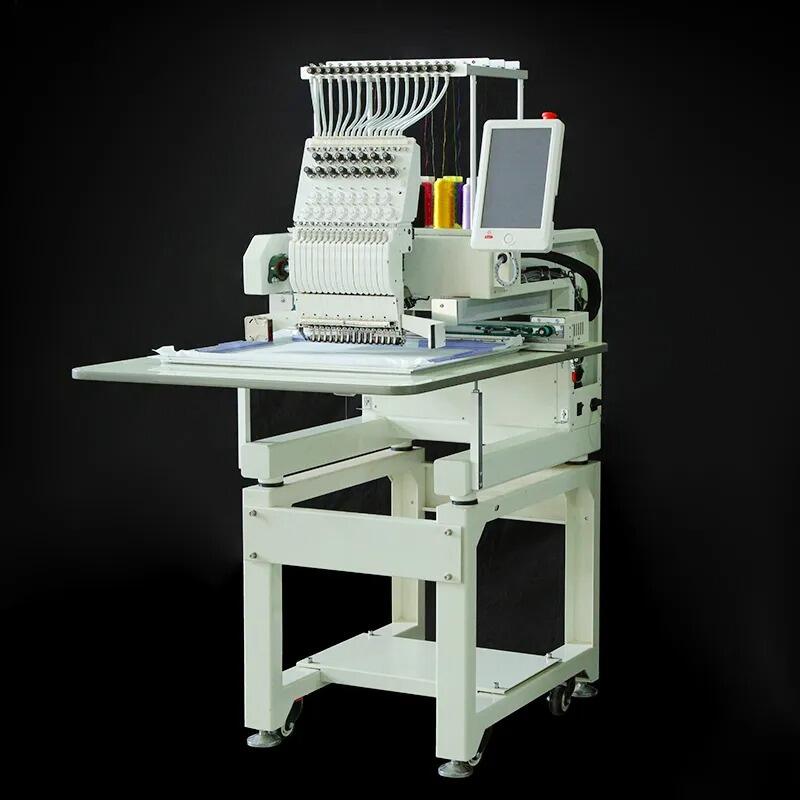
Modern textile manufacturing has been revolutionized by the introduction of advanced computerized embroidery machines that combine precision engineering with cutting-edge technology. These sophisticated systems have transformed traditional embroidery from a manual craft into a high-efficiency industrial process capable of producing intricate designs with remarkable consistency and speed. The evolution of computerized embroidery machines has enabled manufacturers to meet growing market demands while maintaining exceptional quality standards across diverse applications ranging from fashion apparel to promotional merchandise.
Advanced Control Systems and Software Integration
Intelligent Operating Interfaces
Top-tier computerized embroidery machines feature sophisticated control systems that utilize intuitive touchscreen interfaces for seamless operation management. These advanced systems allow operators to monitor multiple machine functions simultaneously while providing real-time feedback on production progress and quality metrics. The integration of user-friendly software platforms enables efficient design loading, thread color management, and production scheduling with minimal training requirements.
Modern control systems incorporate automated diagnostic capabilities that continuously monitor machine performance and alert operators to potential issues before they impact production quality. This proactive approach to maintenance scheduling helps manufacturers maintain consistent output while reducing unexpected downtime and associated costs.
Digital Design Processing Capabilities
Leading computerized embroidery machines excel in their ability to process complex digital embroidery files with exceptional accuracy and detail preservation. These systems support multiple file formats including DST, PES, and EMB, ensuring compatibility with various design software platforms used throughout the industry. Advanced processing algorithms optimize stitch sequences and thread paths to minimize production time while maximizing design quality.
The integration of vector-based design processing enables these machines to handle scalable graphics and maintain crisp detail reproduction across different fabric types and thread weights. This versatility makes computerized embroidery machines suitable for diverse applications from delicate logo embroidery to heavy-duty industrial textile production.
Precision Engineering and Multi-Head Architecture
High-Speed Operational Performance
Professional-grade computerized embroidery machines demonstrate exceptional operational speeds that significantly enhance production efficiency without compromising stitch quality. These systems typically operate at speeds ranging from 800 to 1200 stitches per minute per head, enabling manufacturers to complete large orders within tight deadlines while maintaining consistent quality standards across all production runs.
The mechanical precision of these computerized embroidery machines ensures accurate needle positioning and consistent thread tension throughout extended production cycles. Advanced servo motor systems provide precise control over embroidery head movements while minimizing vibration and mechanical wear that could affect long-term performance reliability.
Multi-Head Configuration Benefits
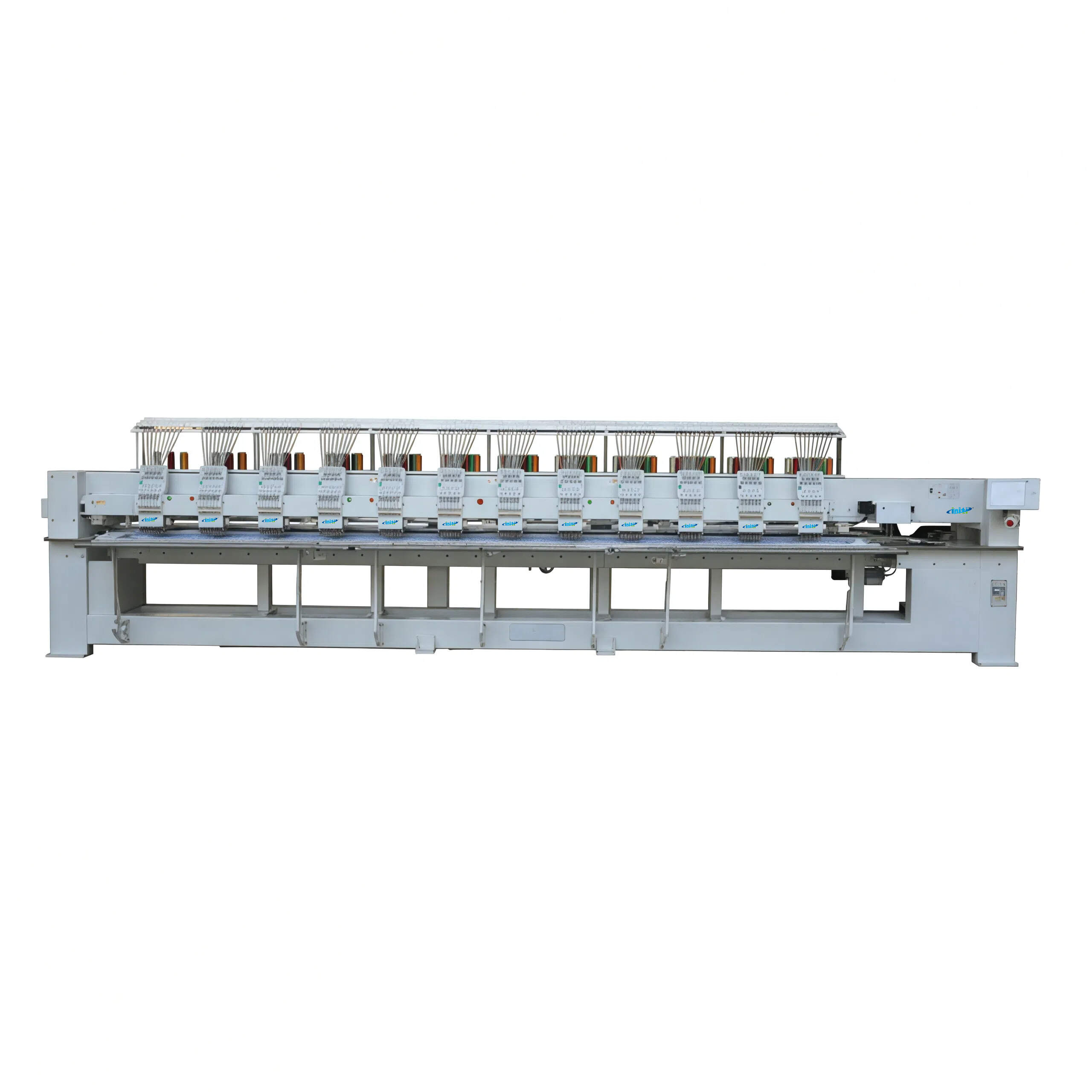
Multi-head computerized embroidery machines offer significant advantages in production capacity and operational flexibility compared to single-head alternatives. These configurations typically feature 6 to 15 embroidery heads operating simultaneously, allowing manufacturers to produce multiple identical items or different designs concurrently depending on order requirements and production priorities.
Each embroidery head operates independently while sharing common thread supply and control systems, creating an efficient balance between individual flexibility and centralized management. This architecture enables operators to maximize machine utilization by running different production jobs simultaneously or focusing all heads on large-volume orders for accelerated completion times.
Advanced Threading and Color Management
Automatic Thread Management Systems
Modern computerized embroidery machines incorporate sophisticated thread management systems that automatically handle color changes and thread supply monitoring throughout production cycles. These systems feature large-capacity thread stands that accommodate multiple thread colors simultaneously while providing continuous supply monitoring to prevent production interruptions due to thread depletion.
Automatic thread cutting and trimming functions eliminate manual intervention between design elements and color changes, significantly reducing labor requirements while maintaining consistent thread management quality. Advanced tension control systems automatically adjust thread tension based on fabric type and thread specifications to ensure optimal stitch formation across diverse materials.
Color Sequence Optimization
Intelligent color management features in premium computerized embroidery machines optimize thread usage and minimize color change frequency through advanced sequence planning algorithms. These systems analyze embroidery designs to determine the most efficient color application order while considering thread path optimization and production time minimization.
The integration of color matching databases enables accurate thread color selection and substitution recommendations when specific thread colors are unavailable. This functionality ensures consistent color reproduction across production batches while providing flexibility in thread inventory management and cost optimization.
Quality Control and Monitoring Features
Real-Time Production Monitoring
Advanced computerized embroidery machines feature comprehensive monitoring systems that track production metrics including stitch count, completion percentages, and quality indicators throughout embroidery cycles. These systems provide operators with detailed production reports and performance analytics that enable data-driven decisions regarding production optimization and quality improvement initiatives.
Integrated camera systems and vision sensors continuously monitor stitch formation quality and fabric positioning accuracy during production. These quality control features automatically detect potential issues such as thread breaks, fabric shifting, or needle problems before they result in defective products requiring rework or disposal.
Automated Error Detection and Correction
Sophisticated error detection systems in modern computerized embroidery machines utilize multiple sensor technologies to identify and address production issues automatically. Thread break sensors immediately halt production when thread continuity is interrupted, while fabric tension monitors ensure consistent material positioning throughout embroidery cycles.
When errors are detected, these systems can automatically implement corrective actions such as thread re-threading, fabric repositioning, or production parameter adjustments. This automated error management capability minimizes waste generation and reduces operator intervention requirements while maintaining consistent production quality standards.
Fabric Handling and Positioning Systems
Advanced Hooping and Clamping Mechanisms
Premium computerized embroidery machines utilize precision-engineered hooping systems that securely position diverse fabric types while providing consistent tension distribution across the embroidery area. These systems accommodate various hoop sizes and configurations to support different garment types and embroidery applications from small logos to large back designs.
Pneumatic clamping mechanisms ensure uniform fabric tension while preventing material damage during production cycles. The quick-release functionality of these systems enables rapid fabric changes between production runs while maintaining precise positioning accuracy for consistent embroidery placement across multiple items.
Automatic Fabric Positioning Technology
Leading computerized embroidery machines incorporate laser positioning systems and digital cameras that automatically align fabrics and verify embroidery placement before production begins. These technologies eliminate manual measurement and marking requirements while ensuring accurate design positioning on various garment styles and sizes.
Servo-driven positioning systems provide precise fabric movement control during embroidery operations while maintaining optimal tension and alignment throughout production cycles. This automated positioning capability significantly reduces setup time between different embroidery jobs while ensuring consistent placement accuracy across large production batches.
Maintenance and Reliability Features
Predictive Maintenance Capabilities
Modern computerized embroidery machines incorporate intelligent maintenance monitoring systems that track component wear patterns and operational parameters to predict maintenance requirements before equipment failures occur. These systems analyze historical performance data and current operating conditions to generate maintenance schedules that optimize machine uptime while preventing costly emergency repairs.
Automated lubrication systems ensure consistent maintenance of critical moving components while reducing manual maintenance requirements and associated labor costs. These systems monitor lubricant levels and distribution patterns to maintain optimal operating conditions throughout extended production periods.
Modular Component Design
Professional computerized embroidery machines feature modular component architectures that simplify maintenance procedures and reduce service time requirements. Individual embroidery heads, control modules, and threading systems can be serviced independently without affecting overall machine operation, enabling continued production on unaffected machine sections.
Quick-disconnect electrical and pneumatic connections facilitate rapid component replacement and service procedures while maintaining system integrity and safety standards. This modular approach to machine design reduces maintenance costs and minimizes production downtime associated with routine service requirements.
FAQ
What production speeds can be expected from modern computerized embroidery machines
Professional computerized embroidery machines typically operate at speeds between 800 to 1200 stitches per minute per head, with actual production speeds varying based on design complexity, fabric type, and thread specifications. Multi-head configurations multiply this capacity proportionally, enabling significant production volumes for commercial applications while maintaining consistent stitch quality throughout extended production runs.
How do computerized embroidery machines handle different fabric types and thicknesses
Advanced computerized embroidery machines feature adjustable needle systems and automatic tension control mechanisms that adapt to various fabric characteristics including weight, weave structure, and stretch properties. These systems automatically adjust penetration force, thread tension, and stitch formation parameters to ensure optimal embroidery quality across diverse materials from delicate silks to heavy canvas and leather applications.
What file formats are compatible with professional computerized embroidery machines
Modern computerized embroidery machines support multiple industry-standard file formats including DST, PES, EMB, EXP, and JEF among others, ensuring compatibility with various design software platforms and digitizing systems. Advanced machines also feature format conversion capabilities that enable operators to utilize designs created in different software environments without requiring external conversion processes.
How much floor space and electrical requirements are needed for multi-head computerized embroidery machines
Multi-head computerized embroidery machines typically require 15 to 25 feet of linear floor space depending on the number of heads and configuration, with additional space needed for thread stands, fabric storage, and operator access. Electrical requirements generally range from 220V to 380V three-phase power with amperage varying by machine size and specification, while compressed air supplies are often required for pneumatic functions and automatic systems.