

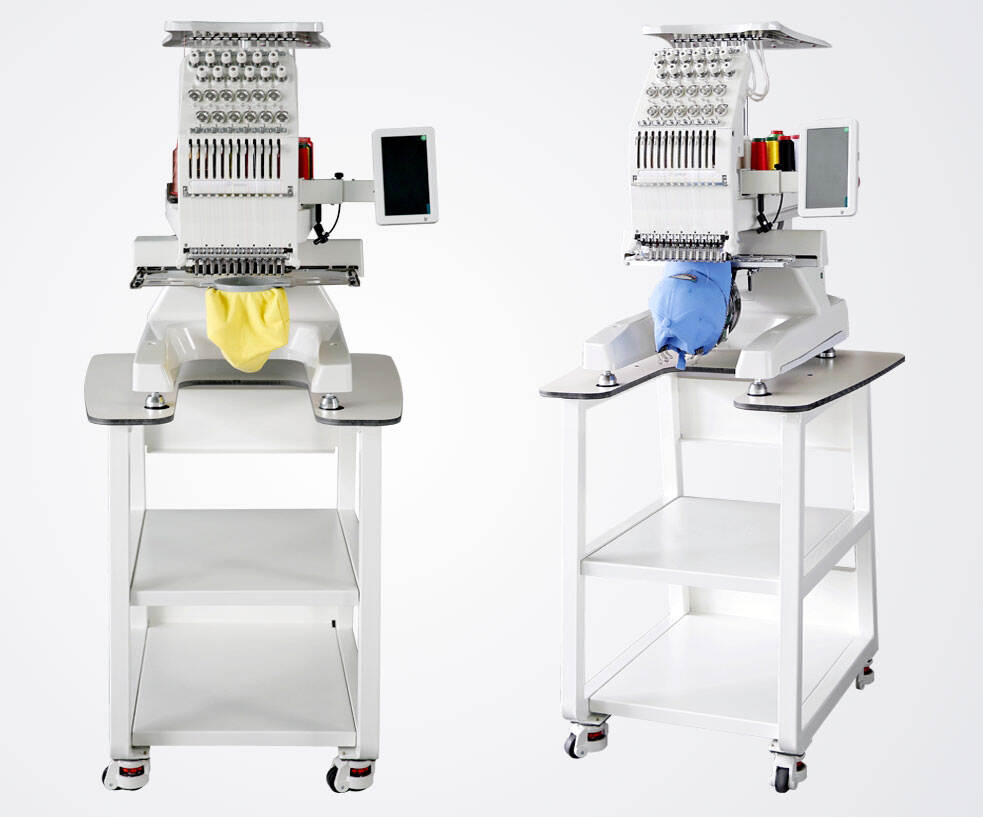
When investing in embroidery machines for your business or personal projects, the purchase decision extends far beyond the initial cost and technical specifications. Professional embroidery machines represent a significant investment that requires ongoing support, maintenance, and service to ensure optimal performance throughout their operational lifespan. Understanding the importance of comprehensive after-sale service becomes crucial when evaluating different manufacturers and suppliers in today's competitive marketplace.
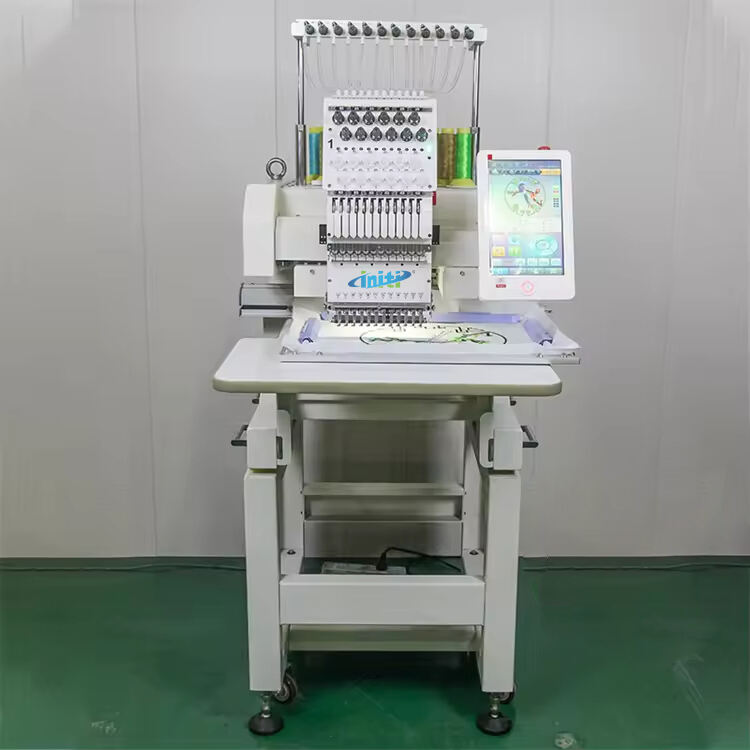
The embroidery industry has witnessed tremendous growth in recent years, driven by increasing demand for customized textiles, promotional products, and fashion applications. As businesses expand their operations and rely more heavily on automated embroidery solutions, the reliability of after-sale service becomes a determining factor in maintaining productivity and profitability. Quality embroidery machines require specialized knowledge for troubleshooting, regular maintenance schedules, and access to genuine replacement parts to prevent costly downtime.
Modern embroidery machines incorporate sophisticated technology, including computerized control systems, precision mechanical components, and advanced software integration. These complex systems demand expert technical support and regular servicing to maintain their accuracy and efficiency. Without proper after-sale service, even the most advanced embroidery machines can experience reduced performance, increased error rates, and premature component failure that ultimately impacts business operations.
Understanding After-Sale Service Components
Technical Support and Troubleshooting
Comprehensive technical support forms the backbone of effective after-sale service for embroidery machines. Professional manufacturers provide multiple channels for technical assistance, including phone support, email correspondence, and remote diagnostic capabilities. Experienced technicians should possess deep knowledge of machine operations, common issues, and systematic troubleshooting procedures to resolve problems efficiently. Quality technical support extends beyond basic problem-solving to include optimization recommendations, software updates, and performance enhancement suggestions.
The availability of multilingual support becomes increasingly important as embroidery machines reach global markets. Manufacturers who invest in comprehensive training programs for their support staff demonstrate commitment to customer satisfaction and long-term relationships. Advanced support systems may include video consultation capabilities, allowing technicians to visually assess machine conditions and provide more accurate guidance for complex issues.
Maintenance Programs and Preventive Care
Proactive maintenance programs significantly extend the operational life of embroidery machines while minimizing unexpected breakdowns. Reputable manufacturers offer structured maintenance schedules that include routine inspections, component lubrication, tension adjustments, and software updates. These preventive measures help identify potential issues before they develop into major problems that could disrupt production schedules.
Professional maintenance services should include detailed documentation of all performed activities, component condition assessments, and recommendations for future service intervals. Some manufacturers provide comprehensive maintenance kits containing specialized tools, lubricants, and consumable items required for proper machine care. Training programs for in-house maintenance staff enable businesses to perform routine maintenance tasks while relying on professional services for complex procedures.
Warranty Coverage and Protection Plans
Standard Warranty Terms
Warranty coverage serves as a fundamental indicator of manufacturer confidence in their embroidery machines and commitment to customer satisfaction. Comprehensive warranties typically cover mechanical components, electrical systems, and software for specified periods, protecting customers from defects in materials or workmanship. Standard warranty terms vary significantly among manufacturers, with some offering basic coverage while others provide extensive protection plans that include labor, parts, and on-site service.
Understanding warranty exclusions becomes equally important when evaluating after-sale service offerings. Common exclusions may include consumable items, damage from improper use, environmental factors, or unauthorized modifications. Reputable manufacturers clearly define warranty terms, provide transparent claim procedures, and honor their commitments without excessive bureaucratic delays. Extended warranty options allow customers to extend protection beyond standard terms for additional peace of mind.
Extended Service Agreements
Extended service agreements provide comprehensive protection beyond standard warranty periods, offering predictable service costs and priority support access. These agreements often include regular maintenance visits, unlimited technical support, software updates, and discounted replacement parts. For businesses operating multiple embroidery machines or those dependent on continuous operation, extended service agreements provide valuable cost control and operational security.
Service agreement terms should clearly specify response times, coverage limitations, and renewal options. Some manufacturers offer tiered service levels, allowing customers to select coverage appropriate for their operational requirements and budget constraints. Premium service agreements may include guaranteed response times, loaner equipment during major repairs, and dedicated account management for personalized support.
Parts Availability and Supply Chain Management
Genuine Replacement Parts
The availability of genuine replacement parts directly impacts the long-term viability of embroidery machines and their operational reliability. Reputable manufacturers maintain comprehensive parts inventories, ensuring critical components remain available throughout the machine's expected service life. Genuine parts guarantee proper fit, performance specifications, and compatibility with existing machine systems, preventing issues that may arise from aftermarket alternatives.
Efficient parts ordering systems streamline the replacement process, reducing machine downtime and maintaining productivity. Modern manufacturers often provide online parts catalogs with detailed diagrams, part numbers, and compatibility information. Expedited shipping options and local distribution networks further minimize delays in receiving critical components. Some manufacturers offer parts prediction services, analyzing usage patterns to recommend inventory levels for commonly replaced items.
Obsolescence Management
Managing component obsolescence represents a significant challenge in the embroidery machine industry, particularly as technology evolves rapidly. Responsible manufacturers develop obsolescence management strategies that include advance notification of discontinuing parts, last-time-buy opportunities, and alternative solution recommendations. These proactive approaches help customers plan for future needs and avoid unexpected parts shortages that could impact operations.
Some manufacturers offer remanufacturing programs for critical components, providing cost-effective alternatives when new parts become unavailable. These programs maintain original specifications while offering significant cost savings compared to complete machine replacement. Clear communication regarding product lifecycle management enables customers to make informed decisions about equipment upgrades and replacement timing.
Training and Knowledge Transfer
Operator Training Programs
Comprehensive operator training programs maximize the performance potential of embroidery machines while minimizing user-related issues. Professional training covers machine operation, software utilization, design preparation, thread management, and basic troubleshooting procedures. Well-trained operators can identify potential problems early, perform routine maintenance tasks, and optimize production efficiency through proper machine utilization.
Training programs should accommodate different learning styles and experience levels, offering hands-on workshops, online modules, and reference materials. Some manufacturers provide certification programs that validate operator competency and demonstrate commitment to professional development. Ongoing training opportunities help operators stay current with software updates, new features, and advanced techniques that enhance productivity and quality outcomes.
Technical Documentation and Resources
Comprehensive technical documentation serves as a valuable resource for operators, maintenance personnel, and service technicians. Quality documentation includes detailed operation manuals, maintenance procedures, troubleshooting guides, and software references. Well-organized documentation with clear illustrations, step-by-step procedures, and safety warnings enables users to resolve common issues independently while maintaining safe operating practices.
Digital documentation platforms provide enhanced accessibility, search capabilities, and regular updates as products evolve. Video tutorials and interactive guides complement traditional written materials, offering visual demonstrations of complex procedures. Some manufacturers provide customer portals with access to technical bulletins, software downloads, and community forums for peer-to-peer support and knowledge sharing.
Response Times and Service Accessibility
Geographic Coverage and Local Support
Geographic coverage significantly impacts the effectiveness of after-sale service for embroidery machines, particularly regarding response times and service accessibility. Manufacturers with established service networks can provide faster response times, reduced travel costs, and more frequent maintenance visits. Local service presence also facilitates better communication, cultural understanding, and familiarity with regional operating conditions that may affect machine performance.
Service accessibility encompasses both physical presence and communication channels, ensuring customers can reach qualified support personnel when needed. Multiple contact methods, including telephone, email, and online chat, accommodate different preferences and urgency levels. Some manufacturers offer dedicated customer portals with service request tracking, parts ordering, and technical resource access for streamlined support experiences.
Emergency Response Capabilities
Emergency response capabilities become critical when embroidery machines experience unexpected failures that disrupt production schedules. Professional service providers offer priority response programs with guaranteed arrival times for critical situations. Emergency services may include after-hours support, weekend availability, and expedited parts delivery to minimize production interruptions and associated costs.
Remote diagnostic capabilities enhance emergency response effectiveness by enabling technicians to assess problems quickly and prepare appropriate solutions before arriving on-site. These technologies reduce diagnostic time, improve first-call resolution rates, and ensure technicians arrive with necessary parts and tools. Some advanced systems provide predictive monitoring that identifies potential failures before they occur, enabling proactive intervention and preventing emergencies.
Cost Considerations and Value Assessment
Service Cost Transparency
Transparent service pricing enables customers to evaluate the total cost of ownership for embroidery machines and make informed decisions about service options. Reputable manufacturers provide clear pricing structures for labor rates, travel charges, parts costs, and service packages. Transparent pricing eliminates surprises and enables accurate budgeting for ongoing service expenses throughout the machine's operational life.
Service cost structures should reflect the complexity of work required, with diagnostic fees, repair charges, and maintenance costs clearly defined. Some manufacturers offer all-inclusive service packages that provide predictable annual costs for comprehensive support coverage. These packages often deliver better value than individual service calls while ensuring consistent maintenance schedules and priority support access.
Return on Investment Analysis
Evaluating after-sale service requires comprehensive return on investment analysis that considers both direct costs and indirect benefits. Quality service programs reduce unplanned downtime, extend equipment life, and maintain production quality standards that protect business reputation and customer relationships. Preventive maintenance programs often provide significant cost savings compared to reactive repair strategies that address problems after they occur.
Long-term value assessment should consider factors beyond immediate service costs, including productivity improvements, quality enhancements, and operational reliability. Professional service programs often include performance optimization recommendations that increase throughput, reduce material waste, and improve finished product quality. These benefits contribute to improved profitability that often exceeds service program costs over the machine's operational lifetime.
Technology Integration and Future-Proofing
Software Updates and Connectivity
Modern embroidery machines increasingly rely on sophisticated software systems that require regular updates to maintain compatibility, security, and feature enhancements. Professional after-sale service includes software support that encompasses installation assistance, compatibility verification, and training on new features. Regular software updates ensure machines remain current with industry standards and customer requirements while maintaining optimal performance levels.
Connectivity features enable remote monitoring, diagnostic capabilities, and automated reporting that enhance service efficiency and machine performance. Service providers with advanced connectivity platforms can monitor machine health, predict maintenance requirements, and provide proactive support recommendations. These technologies reduce the need for on-site visits while improving service quality and customer satisfaction through data-driven insights and recommendations.
Upgrade Pathways and Modernization
Technology evolution in the embroidery industry creates opportunities for machine upgrades and modernization that extend equipment life and enhance capabilities. Professional service providers offer upgrade consultation services that evaluate current equipment, assess modernization options, and recommend cost-effective improvement strategies. These services help customers maximize their investment in existing embroidery machines while preparing for future technology adoption.
Modernization programs may include hardware upgrades, software enhancements, and accessory installations that improve productivity, expand capabilities, or address changing market requirements. Service providers with comprehensive upgrade capabilities can perform complex modifications while maintaining warranty coverage and ensuring proper integration with existing systems. These services enable gradual technology adoption without requiring complete equipment replacement.
FAQ
How important is local service presence when selecting embroidery machines?
Local service presence significantly impacts response times, service quality, and overall support experience. Manufacturers with established local service networks can provide faster emergency response, reduced travel costs, and more frequent maintenance visits. Local technicians develop familiarity with regional operating conditions and customer requirements, leading to more effective problem resolution and personalized support. However, manufacturers without local presence may compensate through comprehensive remote support capabilities, expedited parts shipping, and partnership arrangements with qualified service providers.
What should be included in a comprehensive service agreement for embroidery machines?
Comprehensive service agreements should include regular preventive maintenance visits, unlimited technical support access, software updates, and discounted replacement parts pricing. Coverage should extend to both mechanical and electrical components, with clear definitions of included services and exclusions. Response time guarantees, emergency support availability, and performance optimization recommendations add significant value. The agreement should specify renewal terms, coverage limitations, and procedures for service requests to ensure transparent expectations and consistent service delivery.
How can businesses evaluate the quality of after-sale service before purchasing embroidery machines?
Businesses should research manufacturer reputation through customer references, industry reviews, and service history documentation. Request detailed information about service network coverage, response time guarantees, and available support channels. Evaluate training programs, technical documentation quality, and parts availability commitments. Consider requesting demonstration of remote support capabilities and review warranty terms carefully. Contact existing customers in similar applications to gather firsthand experiences regarding service quality, response times, and overall satisfaction with after-sale support.
What are the typical costs associated with professional service programs for embroidery machines?
Service costs vary significantly based on machine complexity, coverage level, and geographic location. Basic service agreements typically range from 8-15% of machine value annually, while comprehensive programs may cost 15-25% but include extensive coverage and benefits. Individual service calls may range from $200-500 for basic visits, with emergency services commanding premium rates. Parts costs depend on component complexity and availability, with genuine manufacturer parts typically costing more than aftermarket alternatives but providing superior reliability and warranty protection.
Table of Contents
- Understanding After-Sale Service Components
- Warranty Coverage and Protection Plans
- Parts Availability and Supply Chain Management
- Training and Knowledge Transfer
- Response Times and Service Accessibility
- Cost Considerations and Value Assessment
- Technology Integration and Future-Proofing
-
FAQ
- How important is local service presence when selecting embroidery machines?
- What should be included in a comprehensive service agreement for embroidery machines?
- How can businesses evaluate the quality of after-sale service before purchasing embroidery machines?
- What are the typical costs associated with professional service programs for embroidery machines?