

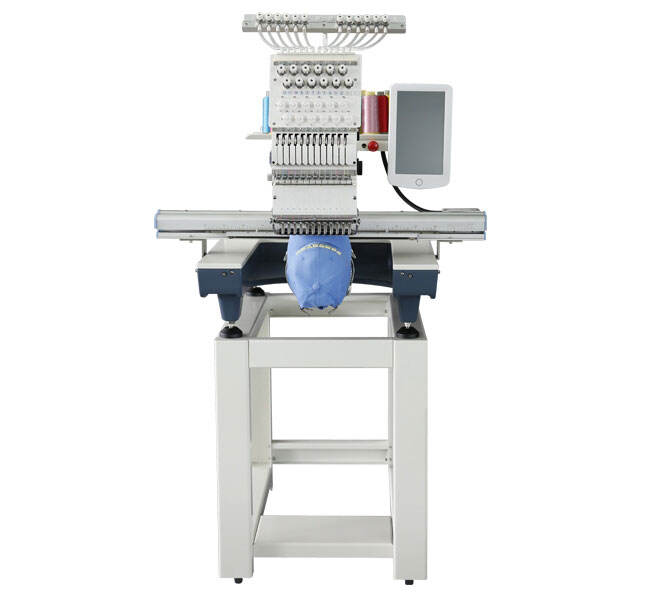
When investing in a computerized embroidery machine, most buyers focus on features like stitch quality, speed, and initial cost. However, experienced manufacturers and embroidery businesses understand that after-sale support often determines the true success of their investment. A computerized embroidery machine represents a significant capital expenditure, and the ongoing relationship with your supplier can make the difference between profitable operations and costly downtime. The quality of technical support, parts availability, and service responsiveness directly impacts your production efficiency and bottom line. Smart buyers evaluate after-sale support as carefully as they examine machine specifications, recognizing that this hidden factor often proves more valuable than any single technical feature.

Understanding the True Cost of Ownership
Beyond the Initial Investment
The purchase price of a computerized embroidery machine represents only a fraction of its total cost of ownership. Industry studies reveal that maintenance, repairs, and operational support typically account for 60-70% of the machine's lifetime expenses. This reality makes after-sale support a critical financial consideration rather than a mere convenience. Manufacturers who prioritize comprehensive support programs help customers minimize unexpected costs and maintain consistent production schedules. The availability of prompt technical assistance, regular maintenance programs, and transparent pricing for repairs directly influences your machine's profitability over its operational lifespan.
Professional embroidery operations depend on predictable costs and minimal disruptions. A computerized embroidery machine backed by excellent after-sale support provides better financial forecasting capabilities and reduces the risk of expensive emergency repairs. Suppliers who offer structured maintenance contracts, predictable parts pricing, and clear service level agreements enable businesses to budget accurately and maintain healthy profit margins. This financial predictability becomes especially valuable for small and medium-sized embroidery businesses operating on tight margins.
Hidden Operational Expenses
Poor after-sale support generates numerous hidden costs that impact profitability. Extended downtime while waiting for technical assistance or replacement parts translates directly into lost revenue and customer dissatisfaction. Each hour a computerized embroidery machine remains idle represents missed production opportunities and potential penalty costs for delayed orders. Furthermore, inadequate support often forces businesses to maintain larger inventories of backup equipment or outsource work to competitors, both expensive alternatives to reliable service.
Training costs also multiply when after-sale support is inadequate. Without proper ongoing education and technical guidance, operators may develop inefficient practices or fail to utilize advanced features that could improve productivity. A computerized embroidery machine supplier that provides comprehensive training programs and continuous education helps customers maximize their equipment's capabilities while minimizing costly operational mistakes. This investment in user education pays dividends through improved efficiency and reduced wear on equipment.
Technical Support Excellence
Responsive Problem Resolution
Modern embroidery operations cannot afford extended equipment downtime, making responsive technical support essential for maintaining profitability. The best computerized embroidery machine suppliers provide multiple support channels including phone, email, video chat, and remote diagnostic capabilities. This multi-channel approach ensures that technical issues receive immediate attention regardless of time zones or communication preferences. Remote diagnostic tools have revolutionized support delivery, allowing technicians to identify problems quickly and often resolve issues without on-site visits.
Response time commitments separate exceptional suppliers from average ones. Leading manufacturers typically guarantee initial response within 4-8 hours during business hours, with emergency support available for critical production situations. The quality of first-contact resolution also indicates superior support capabilities. When technical staff can diagnose and resolve common issues during the initial call, customers experience minimal disruption and maintain confidence in their equipment investment. This efficiency stems from comprehensive technician training and robust knowledge management systems.
Expertise and Knowledge Transfer
Technical support quality depends heavily on the expertise level of support staff. The most valuable computerized embroidery machine suppliers employ technicians with extensive hands-on experience and ongoing factory training. These experts understand not only how to fix problems but also how to prevent them through proper maintenance and operational guidance. Their knowledge extends beyond basic troubleshooting to include optimization techniques, advanced feature utilization, and industry-specific applications.
Knowledge transfer represents a crucial but often overlooked aspect of technical support. Exceptional suppliers focus on educating customers rather than simply solving immediate problems. This educational approach empowers operators to handle routine maintenance, recognize early warning signs of potential issues, and optimize their computerized embroidery machine performance independently. Over time, this knowledge transfer reduces support dependency while improving overall equipment reliability and operator confidence.
Parts Availability and Supply Chain Management
Inventory Management Strategies
Parts availability directly impacts equipment uptime and operational continuity. Sophisticated computerized embroidery machine manufacturers maintain extensive parts inventories at multiple distribution points to ensure rapid fulfillment of customer orders. This strategic inventory management includes both common wear items and critical components that could cause extended downtime if unavailable. The best suppliers use predictive analytics to forecast parts demand and maintain optimal stock levels across their distribution network.
Proactive parts management goes beyond reactive inventory maintenance. Leading suppliers analyze equipment usage patterns and maintenance histories to identify parts likely to need replacement soon. They then proactively communicate with customers about recommended spare parts inventory and preventive replacement schedules. This approach helps computerized embroidery machine owners maintain small critical parts inventories while avoiding emergency expediting costs and production delays.
Global Distribution Networks
International embroidery operations require global parts availability and distribution capabilities. The most reliable computerized embroidery machine suppliers operate comprehensive distribution networks with regional warehouses and local service partners. This global infrastructure ensures that customers worldwide receive consistent parts availability and service quality regardless of their geographic location. Regional distribution also reduces shipping costs and delivery times while providing local language support and familiar business practices.
Customs and regulatory compliance add complexity to international parts distribution that experienced suppliers navigate efficiently. They maintain proper documentation, certifications, and import/export procedures to minimize delays and additional costs. This expertise becomes particularly valuable for urgent parts shipments where customs delays could extend costly equipment downtime. Professional suppliers also provide accurate tracking information and work proactively with customs authorities to expedite critical shipments.
Training and Skill Development Programs
Initial Operator Training
Comprehensive initial training maximizes the return on investment in any computerized embroidery machine. Superior suppliers provide structured training programs that cover not only basic operation but also advanced features, troubleshooting procedures, and optimization techniques. These programs typically combine classroom instruction, hands-on practice, and ongoing support materials to ensure operators develop complete competency. The best training programs adapt to different learning styles and experience levels, ensuring all operators achieve proficiency regardless of their technical background.
Training effectiveness depends on both content quality and delivery methods. Leading computerized embroidery machine suppliers employ experienced trainers who understand both technical aspects and practical production requirements. They provide comprehensive training materials including video tutorials, reference guides, and troubleshooting flowcharts that operators can reference long after initial training concludes. This ongoing educational support helps operators continue learning and improving their skills over time.
Continuous Education and Updates
Technology evolution requires ongoing education to maintain optimal equipment performance. The most forward-thinking suppliers provide continuous education programs that keep operators current with software updates, new features, and emerging best practices. These programs often include webinars, online training modules, and periodic on-site refresher sessions. Continuous education ensures that customers fully utilize their computerized embroidery machine capabilities and maintain competitive advantages through superior operational efficiency.
Advanced training programs address specialized applications and industry-specific techniques that add value for particular market segments. For example, automotive embroidery requires different approaches than fashion applications, and medical textiles demand specific quality standards and procedures. Suppliers who provide specialized training help customers excel in their chosen markets while expanding their service capabilities. This targeted education often becomes a competitive differentiator that justifies premium pricing and builds customer loyalty.
Warranty and Service Agreements
Comprehensive Coverage Options
Warranty terms reveal a manufacturer's confidence in their product quality and commitment to customer satisfaction. The most reputable computerized embroidery machine suppliers offer comprehensive warranty coverage that includes parts, labor, and sometimes even productivity guarantees. Extended warranty options provide additional protection and peace of mind, particularly for high-volume production environments where equipment reliability directly impacts profitability. Clear warranty terms and conditions help customers understand their coverage and avoid unexpected expenses.
Service agreement options extend beyond basic warranty coverage to include preventive maintenance, priority support, and performance optimization services. These agreements typically offer better value than individual service calls while ensuring consistent equipment performance. The best service agreements include regular maintenance visits, software updates, training refreshers, and guaranteed response times. This comprehensive approach to equipment support helps customers maintain peak performance while budgeting predictably for ongoing maintenance costs.
Performance Guarantees
Some premium computerized embroidery machine suppliers offer performance guarantees that demonstrate exceptional confidence in their products and support capabilities. These guarantees might include uptime commitments, productivity metrics, or quality standards that provide measurable value to customers. Performance guarantees shift risk from the customer to the supplier, creating strong incentives for excellent ongoing support. They also provide clear benchmarks for evaluating support quality and holding suppliers accountable for their commitments.
Enforcement mechanisms for performance guarantees vary but typically include credits, extended coverage, or compensation for unmet performance standards. The most customer-friendly guarantees include transparent measurement criteria and straightforward claim procedures. These guarantees work best when both parties understand expectations clearly and maintain open communication about performance metrics. When properly structured, performance guarantees create win-win relationships that benefit both customers and computerized embroidery machine suppliers through improved accountability and results.
Building Long-term Partnerships
Relationship Management
The best computerized embroidery machine suppliers approach customer relationships as long-term partnerships rather than transactional exchanges. This partnership mindset influences every aspect of after-sale support from initial installation through equipment retirement. Dedicated account management ensures continuity and personal attention that builds trust and facilitates effective communication. Account managers who understand their customers' businesses can provide proactive recommendations and identify opportunities for operational improvements.
Effective relationship management includes regular check-ins, performance reviews, and strategic planning discussions that extend beyond immediate technical needs. These interactions help suppliers understand evolving customer requirements and market conditions that might affect equipment needs. Proactive relationship management often identifies opportunities for equipment upgrades, additional training, or operational optimization that benefit both parties. This consultative approach differentiates true partners from simple equipment vendors.
Growth and Expansion Support
Growing embroidery businesses need suppliers who can support their expansion plans with scalable solutions and expertise. The best computerized embroidery machine suppliers provide consultation on capacity planning, equipment selection, and operational optimization as customers grow. This support might include facility layout design, workflow optimization, and integration planning for multiple machines. Suppliers who invest in understanding their customers' growth trajectories can provide more valuable guidance and maintain stronger relationships over time.
Expansion support also includes financing assistance, trade-in programs, and equipment upgrade paths that facilitate growth without excessive financial strain. Flexible financing options help growing businesses acquire additional equipment while maintaining healthy cash flow. Trade-in programs provide value for existing equipment while encouraging upgrades to more capable models. These financial tools, combined with operational expertise, create comprehensive growth support that extends far beyond basic equipment sales and service.
FAQ
What should I look for in after-sale support when buying a computerized embroidery machine
When evaluating after-sale support for a computerized embroidery machine, prioritize suppliers who offer comprehensive technical support with guaranteed response times, preferably within 4-8 hours during business hours. Look for multiple support channels including phone, email, and remote diagnostic capabilities. Ensure the supplier maintains adequate parts inventory with clear availability commitments and reasonable shipping times. Training programs should be comprehensive and ongoing, not just basic initial instruction. Finally, verify warranty coverage and service agreement options that provide predictable costs and clear performance standards.
How important is parts availability for computerized embroidery machine operations
Parts availability is critical for maintaining operational continuity with any computerized embroidery machine. Even minor component failures can halt production entirely, making rapid parts access essential for profitability. Superior suppliers maintain extensive parts inventories at multiple distribution points and provide clear availability commitments. They also offer proactive parts management including recommended spare parts lists and predictive replacement schedules. Global distribution networks ensure consistent parts availability regardless of your location, while proper customs handling minimizes delays for international shipments.
What role does training play in maximizing computerized embroidery machine performance
Comprehensive training maximizes both equipment performance and return on investment for any computerized embroidery machine. Initial training should cover basic operation, advanced features, troubleshooting, and optimization techniques adapted to your specific applications. Ongoing education programs keep operators current with software updates, new features, and emerging best practices. Specialized training for particular market segments or applications can provide competitive advantages and justify premium pricing. Well-trained operators experience fewer problems, achieve better results, and require less technical support over time.
How do service agreements benefit computerized embroidery machine owners
Service agreements provide predictable costs, priority support, and comprehensive maintenance that keeps computerized embroidery machine equipment performing optimally. These agreements typically cost less than individual service calls while ensuring regular maintenance, software updates, and immediate technical assistance. Priority support reduces downtime through faster response times and preferred scheduling. Performance guarantees in premium service agreements shift reliability risk from customer to supplier while providing measurable value commitments. Service agreements also facilitate better budget planning and often include training refreshers and operational optimization consultations.
Table of Contents
- Understanding the True Cost of Ownership
- Technical Support Excellence
- Parts Availability and Supply Chain Management
- Training and Skill Development Programs
- Warranty and Service Agreements
- Building Long-term Partnerships
-
FAQ
- What should I look for in after-sale support when buying a computerized embroidery machine
- How important is parts availability for computerized embroidery machine operations
- What role does training play in maximizing computerized embroidery machine performance
- How do service agreements benefit computerized embroidery machine owners