

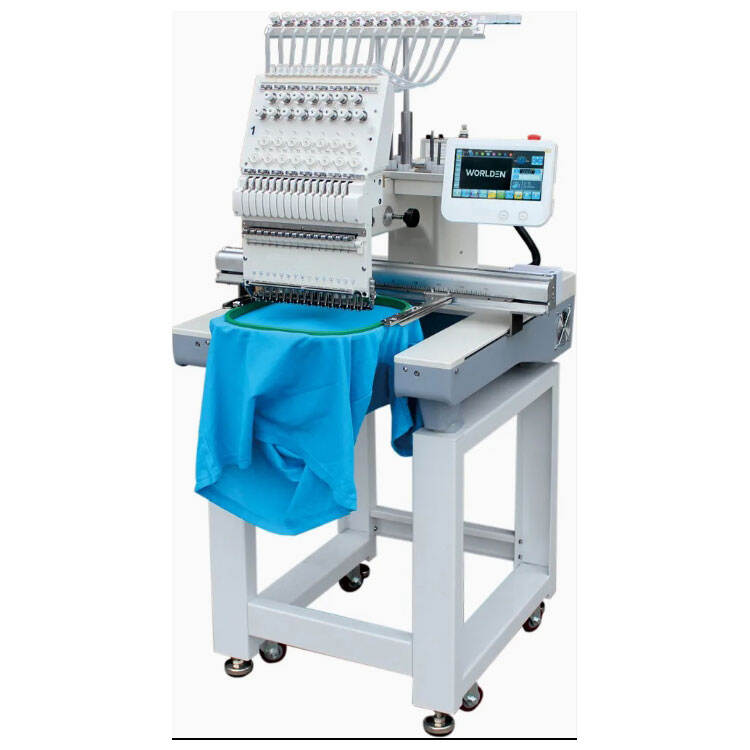
In today's competitive textile industry, manufacturers and small business owners are constantly seeking ways to enhance their production capabilities while maintaining cost-effectiveness. The demand for personalized and customized textile products has skyrocketed, making it essential for businesses to invest in equipment that offers flexibility without breaking the bank. A custom embroidery machine represents the perfect solution for entrepreneurs looking to expand their service offerings while staying within budget constraints. These versatile machines have revolutionized how businesses approach embroidery work, allowing for intricate designs and personalization that was once exclusive to large-scale operations.
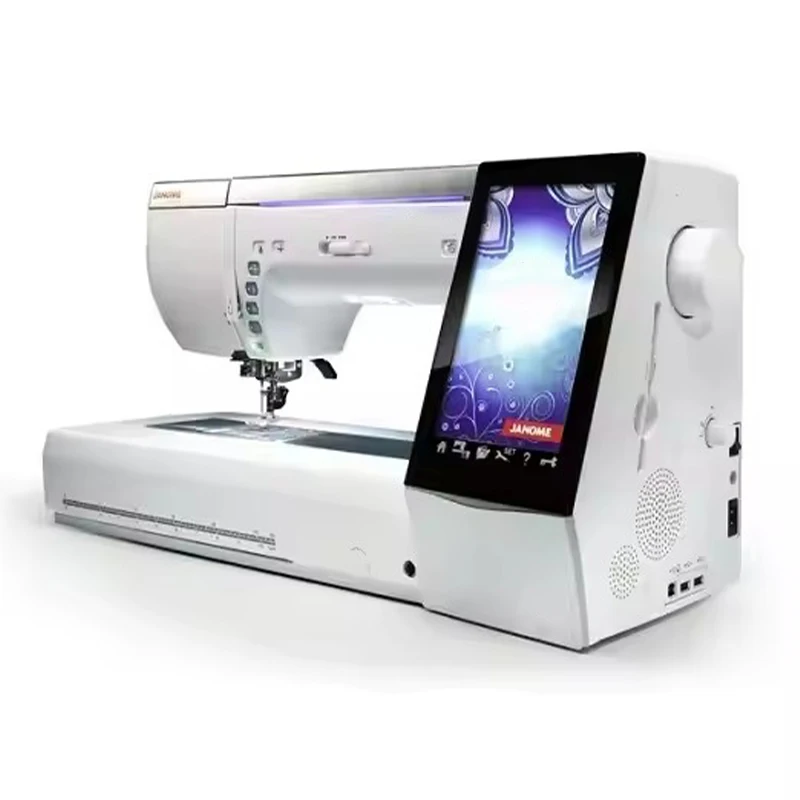
The evolution of embroidery technology has made it possible for small businesses to access professional-grade features without the hefty price tag traditionally associated with industrial equipment. Modern custom embroidery machine models incorporate advanced computerized systems that streamline the design process and reduce operational complexity. This technological advancement has democratized the embroidery industry, enabling startups and established businesses alike to compete effectively in the personalized textile market.
Understanding Budget-Friendly Customization Options
Essential Features for Cost-Effective Operations
When selecting a custom embroidery machine for budget-conscious operations, understanding which features provide the most value is crucial. Digital control systems have become standard in modern machines, offering precise stitch placement and consistent quality across multiple production runs. These computerized systems eliminate much of the guesswork involved in traditional embroidery work, reducing material waste and improving overall efficiency. The ability to store and recall designs digitally also streamlines workflow, allowing operators to switch between different projects quickly.
Automatic threading mechanisms represent another valuable feature that significantly impacts operational efficiency. While these systems may add to the initial investment, they reduce labor costs and minimize downtime between design changes. The time saved on manual threading can translate into increased production capacity, making this feature particularly valuable for businesses handling multiple small orders or frequent design changes throughout the day.
Scalability and Upgrade Potential
Smart buyers look for custom embroidery machine models that offer expansion capabilities as their business grows. Modular designs allow users to add features like additional needle positions, larger hoop sizes, or enhanced software packages without replacing the entire machine. This approach to equipment investment ensures that initial purchases remain relevant as production requirements evolve, protecting the long-term value of the investment.
Software compatibility plays a crucial role in future-proofing embroidery operations. Machines that support industry-standard file formats and offer regular software updates provide greater flexibility in design sourcing and creation. This compatibility ensures that businesses can work with a wide range of design files and collaborate effectively with clients who may use different design software platforms.
Maximizing Return on Investment
Production Efficiency Strategies
Optimizing production workflows is essential for maximizing the return on investment from a custom embroidery machine. Batch processing similar designs can significantly reduce setup time and improve overall efficiency. By grouping orders with similar thread colors or design elements, operators can minimize the number of thread changes and setup adjustments required throughout the production day.
Proper maintenance scheduling ensures that equipment operates at peak performance levels while extending its operational lifespan. Regular cleaning of the custom embroidery machine components, timely replacement of consumable parts, and adherence to manufacturer-recommended service intervals prevent costly breakdowns and maintain consistent output quality. This proactive approach to maintenance reduces long-term operational costs and maximizes equipment availability for production activities.
Market Positioning and Service Expansion
Strategic positioning in the marketplace can significantly impact the profitability of custom embroidery operations. Focusing on niche markets or specialized applications often allows businesses to command premium pricing for their services. Whether targeting corporate branding, sports team apparel, or personalized gift items, specialization can differentiate a business from competitors using generic approaches.
Service diversification through custom embroidery machine capabilities opens new revenue streams beyond traditional embroidery work. Many modern machines support multiple decoration techniques, including applique work, monogramming, and even basic quilting operations. This versatility allows businesses to serve a broader customer base and reduce dependence on any single market segment.
Technology Integration and Workflow Optimization
Digital Design Management
Modern custom embroidery machine operations rely heavily on efficient digital design management systems. Cloud-based design storage solutions enable seamless access to design files from multiple locations while providing automatic backup protection for valuable intellectual property. These systems also facilitate collaboration with remote designers and clients, expanding the potential customer base beyond local markets.
Integration with customer relationship management systems streamlines order processing and tracking throughout the production cycle. Automated workflows can trigger production schedules, material ordering, and customer notifications, reducing administrative overhead and improving service delivery consistency. This level of automation is particularly valuable for businesses handling high volumes of small orders or offering rush service options.
Quality Control and Consistency
Implementing systematic quality control procedures ensures consistent output from custom embroidery machine operations. Regular calibration checks, thread tension monitoring, and sample testing help identify potential issues before they affect production quality. Documentation of these procedures also provides valuable data for troubleshooting and continuous improvement efforts.
Color management systems play a crucial role in maintaining consistency across different fabric types and lighting conditions. Proper color profiling ensures that embroidered designs match customer expectations and maintain brand consistency for repeat orders. Investment in color matching tools and training pays dividends in customer satisfaction and reduced remake costs.
Cost Management and Budget Planning
Initial Investment Considerations
Careful evaluation of total cost of ownership extends beyond the initial purchase price of a custom embroidery machine. Factors such as software licensing, training costs, and facility modifications should be included in budget planning to avoid unexpected expenses during implementation. Understanding these costs upfront enables more accurate financial planning and helps ensure adequate cash flow during the startup phase.
Financing options can make advanced custom embroidery machine features more accessible to budget-conscious buyers. Leasing arrangements, equipment loans, and manufacturer financing programs offer alternatives to large upfront payments while preserving working capital for other business needs. Comparing the total cost of different financing options helps identify the most cost-effective approach for specific business situations.
Operational Cost Optimization
Thread and material costs represent significant ongoing expenses in custom embroidery machine operations. Bulk purchasing agreements, supplier partnerships, and inventory management systems can reduce per-unit material costs while ensuring adequate supplies for production needs. Strategic sourcing of consumables also helps maintain consistent quality standards across different production runs.
Energy efficiency considerations become increasingly important as production volumes grow. Modern custom embroidery machine designs incorporate energy-saving features that reduce operational costs while supporting environmental sustainability goals. These efficiencies compound over time, contributing to improved profitability and reduced environmental impact of manufacturing operations.
Market Trends and Future Considerations
Industry Evolution and Adaptation
The embroidery industry continues to evolve rapidly, driven by advances in automation technology and changing consumer preferences. Custom embroidery machine manufacturers are responding with innovations that make professional-quality results more accessible to smaller operations. Understanding these trends helps buyers make investment decisions that will remain relevant as the industry continues to develop.
Sustainability concerns are increasingly influencing purchasing decisions across all manufacturing sectors. Custom embroidery machine designs that minimize waste, support eco-friendly materials, and reduce energy consumption align with growing environmental awareness among consumers and businesses. Positioning operations to meet these evolving expectations can provide competitive advantages in environmentally conscious markets.
Technology Integration Opportunities
Internet connectivity and remote monitoring capabilities are becoming standard features in professional custom embroidery machine designs. These capabilities enable remote diagnostics, software updates, and production monitoring, reducing downtime and improving operational efficiency. Integration with broader manufacturing systems also supports Industry 4.0 initiatives and smart factory implementations.
Artificial intelligence and machine learning applications are beginning to influence custom embroidery machine operations through predictive maintenance, automatic quality adjustment, and design optimization features. While these advanced capabilities may not be essential for all operations, understanding their potential impact helps inform long-term investment strategies and competitive positioning.
FAQ
What features should I prioritize when buying a custom embroidery machine on a budget
Focus on essential features that directly impact productivity and quality, such as reliable computerized controls, adequate hoop sizes for your target applications, and compatibility with standard design file formats. Avoid paying for advanced features you may not need initially, but ensure the machine offers upgrade paths for future expansion. Consider the total cost of ownership, including software, training, and maintenance requirements, when comparing different models.
How can I maximize profitability with a single-head custom embroidery machine
Maximize efficiency through careful job scheduling, batching similar designs to minimize setup time, and focusing on higher-margin niche markets where quality and customization command premium pricing. Invest in operator training to reduce setup time and minimize material waste. Consider offering complementary services like design creation or garment sourcing to increase per-order value and build stronger customer relationships.
What ongoing costs should I budget for custom embroidery machine operations
Plan for regular expenses including thread, backing materials, needles, and other consumables, which typically represent 10-15% of revenue. Factor in periodic maintenance costs, software updates, and potential equipment upgrades. Energy costs, facility expenses, and labor should also be considered when calculating operational budgets. Establishing relationships with reliable suppliers can help control material costs and ensure consistent quality.
How important is software compatibility in custom embroidery machine selection
Software compatibility is crucial for operational flexibility and future growth. Choose machines that support industry-standard file formats like DST, PES, and EXP to ensure compatibility with various design sources. Regular software updates provide access to new features and maintain compatibility with evolving design standards. Consider the learning curve and training requirements for different software platforms when making selection decisions.
Table of Contents
- Understanding Budget-Friendly Customization Options
- Maximizing Return on Investment
- Technology Integration and Workflow Optimization
- Cost Management and Budget Planning
- Market Trends and Future Considerations
-
FAQ
- What features should I prioritize when buying a custom embroidery machine on a budget
- How can I maximize profitability with a single-head custom embroidery machine
- What ongoing costs should I budget for custom embroidery machine operations
- How important is software compatibility in custom embroidery machine selection