

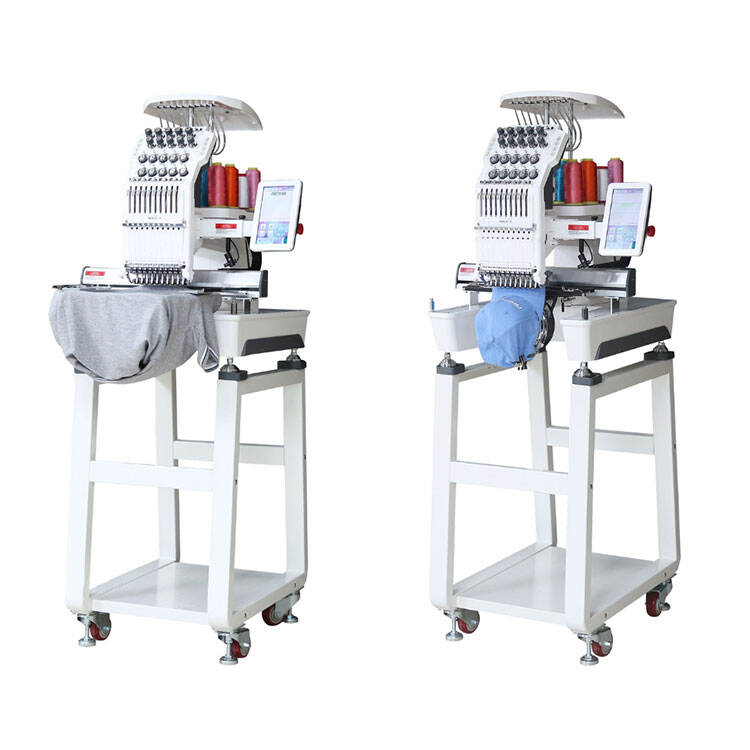
The embroidery industry has witnessed a remarkable transformation with the emergence of affordable digital embroidery technology. Modern low-cost embroidery machines have democratized access to professional-quality stitching capabilities, enabling small businesses, hobbyists, and entrepreneurs to explore creative customization opportunities without substantial capital investment. These innovative machines combine advanced computerized controls with user-friendly interfaces, making embroidery customization more accessible than ever before.
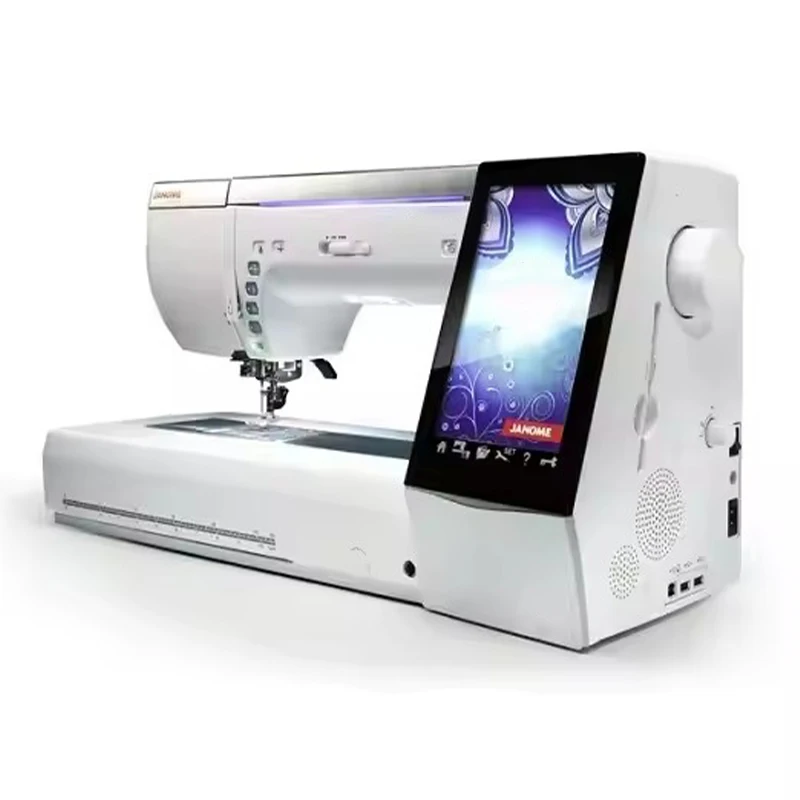
Understanding the customization potential of budget-friendly embroidery equipment requires examining both hardware capabilities and software flexibility. Contemporary low-cost embroidery machines incorporate sophisticated digitizing software that enables users to convert artwork, logos, and designs into embroidered masterpieces. The integration of computerized controls allows for precise stitch placement, consistent thread tension, and automated pattern execution, delivering professional results comparable to industrial-grade equipment.
Technical Capabilities of Modern Budget Embroidery Systems
Digitization and Design Conversion Features
Advanced digitization capabilities represent a cornerstone feature of contemporary low-cost embroidery machines. These systems utilize proprietary software algorithms to analyze vector graphics, bitmap images, and text elements, automatically generating stitch patterns optimized for fabric type and thread specifications. The digitization process involves converting visual elements into machine-readable commands that control needle movement, thread changes, and embroidery hoop positioning throughout the stitching cycle.
Modern budget embroidery equipment supports multiple file formats including DST, PES, JEF, and EXP, ensuring compatibility with industry-standard design software. Users can import existing embroidery patterns or create original designs using integrated drawing tools, text editing features, and automated lettering functions. The software typically includes built-in fonts, decorative borders, and design elements that facilitate rapid customization without requiring extensive graphic design expertise.
Automated Threading and Tension Control Systems
Precision threading mechanisms in low-cost embroidery machines incorporate automated tension adjustment systems that adapt to different thread weights and fabric densities. These intelligent controls monitor stitching resistance and automatically adjust upper and bobbin thread tension to maintain consistent stitch quality throughout complex multi-color designs. The automation reduces manual intervention requirements while ensuring professional-grade embroidery output regardless of operator experience level.
Contemporary machines feature quick-change thread systems that minimize downtime during color transitions in multi-hued designs. Some models include automatic thread cutting mechanisms that eliminate manual trimming between color changes, streamlining the production process for complex customization projects. These efficiency enhancements enable users to complete intricate embroidered designs with minimal supervision, making low-cost embroidery machines suitable for both hobbyist applications and small-scale commercial production.
Customization Options and Design Flexibility
Personalization Through Variable Data Integration
Variable data embroidery represents an advanced customization capability available on many budget-friendly embroidery systems. This functionality enables users to create personalized products by automatically incorporating individual names, numbers, or text elements into standardized design templates. The software manages font selection, sizing, and placement calculations, ensuring consistent appearance across multiple customized items while maintaining production efficiency.
Database connectivity features allow operators to import customer information from spreadsheets or customer management systems, automating the personalization process for large orders. Low-cost embroidery machines equipped with variable data capabilities can produce customized team jerseys, corporate apparel, and promotional items with unique identifiers for each piece. This automation significantly reduces manual input requirements while maintaining accuracy in high-volume customization projects.
Multi-Format Design Import and Editing
Comprehensive design import capabilities distinguish modern low-cost embroidery machines from basic home sewing equipment. These systems support direct integration with professional graphic design software, enabling users to import vector artwork created in Adobe Illustrator, CorelDRAW, or other industry-standard applications. The conversion process maintains design integrity while optimizing stitch patterns for efficient production on single-head embroidery systems.
Built-in editing tools provide users with extensive customization options including design scaling, rotation, mirroring, and color modification without requiring external software. Advanced editing features enable operators to combine multiple design elements, adjust stitch density, and modify thread sequences to accommodate specific fabric requirements or aesthetic preferences. These capabilities empower users to create unique embroidered products tailored to customer specifications while maintaining cost-effective production workflows.
Production Efficiency and Quality Management
Automated Quality Control Systems
Integrated quality management features in modern low-cost embroidery machines include real-time monitoring systems that detect thread breaks, tension irregularities, and needle positioning errors. These diagnostic capabilities automatically pause production when issues are detected, preventing defective embroidery and material waste. Visual indicators and audible alerts notify operators of specific problems, facilitating rapid troubleshooting and production resumption.
Advanced quality control systems incorporate stitch counting algorithms that track production progress and predict maintenance requirements based on usage patterns. Some models feature automatic needle threading mechanisms that reduce setup time and eliminate threading errors that could compromise embroidery quality. These automation features enable consistent output quality regardless of operator skill level, making low-cost embroidery machines suitable for professional customization applications.
Speed Optimization and Production Throughput
Contemporary budget embroidery systems achieve production speeds comparable to commercial equipment through optimized motor control algorithms and efficient thread handling mechanisms. Variable speed controls allow operators to adjust stitching velocity based on fabric type, design complexity, and quality requirements. Higher speeds are suitable for simple designs on stable fabrics, while reduced speeds ensure precision when working with delicate materials or intricate patterns.
Intelligent path optimization features analyze embroidery designs to minimize travel time between design elements, reducing production cycle time and thread consumption. These algorithms calculate efficient needle movement patterns that maintain design integrity while maximizing throughput. The optimization capabilities enable low-cost embroidery machines to compete effectively with higher-priced equipment in terms of production efficiency and operational cost-effectiveness.
Industry Applications and Market Opportunities
Small Business and Entrepreneurial Applications
Low-cost embroidery machines have created unprecedented opportunities for small business development in the custom apparel and promotional products sectors. Entrepreneurs can establish embroidery services with minimal capital investment, targeting local markets including schools, sports teams, corporate clients, and special event organizers. The accessibility of professional-quality equipment has lowered barriers to entry while maintaining competitive capability against established embroidery service providers.
Home-based embroidery businesses benefit from the compact footprint and quiet operation characteristics of modern low-cost embroidery machines. These systems integrate seamlessly into residential workshops while delivering commercial-grade output quality suitable for retail sales. Online marketplace integration enables small operators to access global customer bases, expanding market reach beyond geographical limitations traditionally associated with local service businesses.
Educational and Training Institution Benefits
Educational institutions increasingly incorporate low-cost embroidery machines into vocational training programs, fashion design curricula, and entrepreneurship courses. The affordability factor enables schools to acquire multiple machines, providing hands-on learning opportunities for larger student populations. Students gain practical experience with industry-standard digitization software and production techniques that prepare them for employment in the textile and apparel manufacturing sectors.
Technical training programs utilize budget embroidery equipment to demonstrate automation principles, quality control methodologies, and production optimization strategies applicable across various manufacturing disciplines. The accessibility of low-cost embroidery machines enables educational institutions to establish comprehensive training facilities without requiring substantial capital expenditures or ongoing maintenance contracts typically associated with industrial equipment.
Technology Integration and Future Developments
Cloud Connectivity and Remote Management
Next-generation low-cost embroidery machines incorporate cloud connectivity features that enable remote design management, production monitoring, and software updates. Cloud integration facilitates design sharing between multiple machines, centralized project management, and real-time production tracking across distributed locations. These connectivity features transform standalone embroidery equipment into networked production systems capable of coordinating complex multi-machine operations.
Remote diagnostic capabilities enable manufacturers to provide technical support and troubleshooting assistance without requiring on-site service visits. Cloud-based analytics collect performance data that identifies optimization opportunities, predicts maintenance requirements, and tracks production efficiency metrics. These advanced features position low-cost embroidery machines as sophisticated manufacturing tools rather than simple craft equipment, expanding their applicability in commercial production environments.
Artificial Intelligence and Machine Learning Integration
Emerging artificial intelligence capabilities in budget embroidery systems include automatic design optimization algorithms that analyze fabric properties, thread characteristics, and design complexity to generate optimized stitch patterns. Machine learning algorithms continuously improve digitization accuracy by analyzing successful embroidery outcomes and adjusting parameters for similar future projects. These intelligent features reduce operator expertise requirements while consistently improving output quality.
Predictive maintenance systems utilize machine learning to analyze operational data and identify patterns that precede equipment failures or quality issues. Proactive maintenance scheduling minimizes unplanned downtime while extending equipment lifespan through optimized service intervals. The integration of artificial intelligence transforms low-cost embroidery machines into self-optimizing production systems that continuously enhance performance through operational experience.
FAQ
What types of fabrics work best with budget embroidery machines
Low-cost embroidery machines perform optimally on stable fabrics including cotton twill, canvas, denim, and blended materials with minimal stretch characteristics. Medium-weight fabrics provide sufficient stability for precise needle penetration while accommodating various thread weights and stitch densities. Synthetic fabrics require proper stabilization techniques to prevent puckering, but most budget machines include adjustable tension controls that accommodate different material properties effectively.
How do software limitations affect design customization capabilities
Modern budget embroidery machines typically include comprehensive software packages with professional-grade digitization capabilities, extensive font libraries, and advanced editing tools. While entry-level software may have fewer specialized features than premium packages, most systems support industry-standard file formats and provide sufficient functionality for complex customization projects. Third-party software compatibility ensures users can upgrade capabilities as requirements expand without replacing equipment.
What maintenance requirements apply to low-cost embroidery equipment
Regular maintenance for budget embroidery machines includes cleaning lint accumulation, lubricating moving parts, and replacing needles based on usage patterns. Most systems require minimal specialized tools or technical expertise for routine maintenance procedures. Manufacturer support typically includes maintenance schedules, instructional materials, and replacement part availability to ensure consistent operation throughout the equipment lifecycle.
Can budget machines handle commercial production volumes effectively
Contemporary low-cost embroidery machines achieve production speeds and reliability levels suitable for small to medium-scale commercial applications. While industrial equipment may offer higher throughput rates, budget machines provide cost-effective solutions for businesses with moderate volume requirements. Strategic production planning and efficient workflow organization enable budget equipment to meet commercial deadlines while maintaining quality standards comparable to expensive alternatives.