

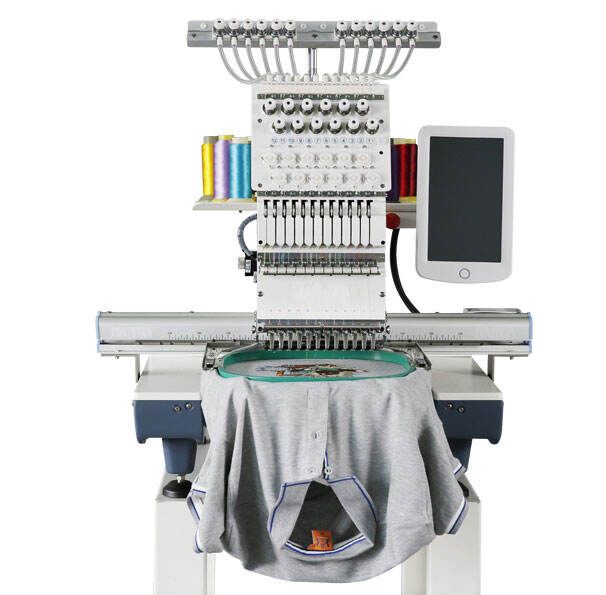
The world of textile customization has evolved dramatically, bringing professional-grade embroidery capabilities directly into homes and small businesses. A custom embroidery sewing machine represents the perfect intersection of traditional craftsmanship and modern technology, enabling creators to transform ordinary fabrics into personalized masterpieces. Whether you're a hobbyist looking to expand your creative horizons or an entrepreneur seeking to launch a custom apparel business, understanding when to invest in a custom embroidery sewing machine can be the key to unlocking new possibilities in textile design and production.
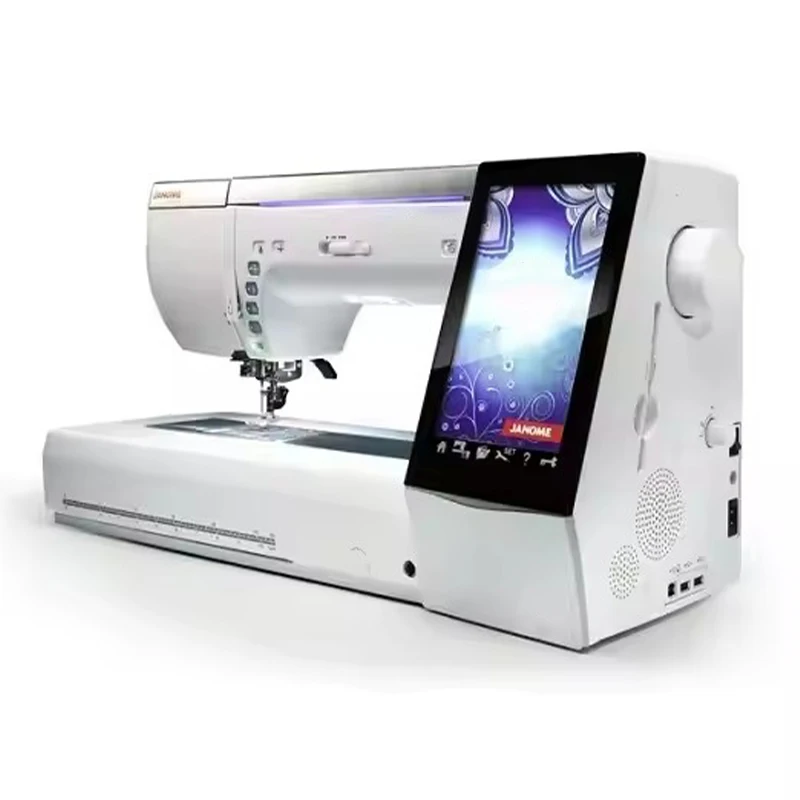
The decision to purchase a custom embroidery sewing machine often stems from specific creative or business needs that standard sewing equipment cannot fulfill. These specialized machines offer precision, versatility, and efficiency that traditional hand embroidery or basic sewing machines simply cannot match. Modern custom embroidery sewing machine models feature computerized controls, extensive design libraries, and the ability to handle complex patterns with minimal human intervention.
Understanding the Core Benefits of Custom Embroidery Technology
Precision and Consistency in Design Execution
A custom embroidery sewing machine delivers unparalleled precision in stitch placement and design reproduction. Unlike manual embroidery, which can vary between projects, these machines ensure consistent quality across multiple pieces. The computerized control systems maintain exact tension, spacing, and alignment, resulting in professional-grade embroidery that meets commercial standards. This precision becomes particularly valuable when creating matching sets, uniform designs for teams, or branded merchandise requiring consistent brand representation.
The consistency factor extends beyond individual projects to long-term production capabilities. When operating a custom embroidery sewing machine, users can reproduce identical designs weeks or months later with the same level of accuracy. This reliability proves essential for businesses that need to fulfill reorders or maintain brand consistency across multiple product lines. The machine's memory stores design parameters, ensuring that color changes, stitch types, and pattern sequences remain exactly as programmed.
Versatility Across Multiple Fabric Types
Modern custom embroidery sewing machine models accommodate an impressive range of fabric types, from delicate silks to heavy canvas materials. This versatility allows crafters and businesses to expand their service offerings without investing in multiple specialized machines. The adjustable tension controls and varying needle options enable successful embroidery on materials that would challenge traditional sewing equipment.
The ability to work with diverse fabrics opens numerous market opportunities for custom embroidery businesses. From delicate baby garments to rugged workwear, a quality custom embroidery sewing machine can handle the technical requirements of different material types. This adaptability proves particularly valuable for entrepreneurs who want to serve multiple market segments without significant additional equipment investments.
Identifying the Right Time for Investment
Volume Requirements and Production Goals
The decision to invest in a custom embroidery sewing machine often correlates directly with production volume requirements. Hand embroidery becomes impractical when facing orders for dozens or hundreds of pieces. A custom embroidery sewing machine can complete complex designs in minutes rather than hours, dramatically improving productivity and enabling businesses to accept larger orders while maintaining reasonable delivery timelines.
Production goals should align with machine capabilities and expected growth trajectories. Small-scale operations might start with a basic custom embroidery sewing machine and upgrade as demand increases. However, businesses anticipating rapid growth should consider investing in more advanced models from the beginning to avoid the costs and disruptions associated with frequent equipment upgrades. The initial investment in a capable machine often proves more economical than multiple smaller purchases over time.
Creative Complexity and Design Ambitions
Creative projects involving intricate designs, multiple colors, or detailed logos often necessitate the precision of a custom embroidery sewing machine. Hand embroidery struggles with complex patterns requiring exact registration between colors or elements. Machine embroidery excels in these applications, offering the ability to create photo-realistic designs, detailed text, and multi-layered compositions that would be extremely challenging or impossible to execute manually.
The creative possibilities expand significantly with a custom embroidery sewing machine that includes design software and digitizing capabilities. Users can convert artwork, photographs, or logos into embroidery files, enabling unlimited creative expression. This capability proves particularly valuable for businesses offering custom design services or individuals pursuing artistic embroidery projects.
Technical Considerations and Machine Features
Computerized Controls and User Interface
Modern custom embroidery sewing machine models feature intuitive computerized interfaces that simplify complex embroidery processes. These control systems allow users to preview designs, adjust sizing, modify colors, and control machine operations through touchscreen displays or computer connections. The user-friendly interfaces make advanced embroidery techniques accessible to beginners while providing the precision controls that experienced users require.
The integration of computer technology in custom embroidery sewing machine design enables features like automatic thread cutting, color change notifications, and error detection systems. These automated functions reduce manual intervention requirements and minimize the risk of mistakes that could damage materials or waste time. Advanced machines can even pause automatically when thread breaks occur, preventing damage to partially completed work.
Hoop Systems and Material Handling
The hooping system represents a critical component of any custom embroidery sewing machine, directly affecting the quality of finished embroidery and the range of projects possible. Quality machines include multiple hoop sizes to accommodate different project scales, from small patches to large jacket backs. The hoop mechanism must maintain consistent tension and alignment throughout the embroidery process to ensure accurate stitch placement.
Advanced custom embroidery sewing machine models feature magnetic or quick-change hoop systems that streamline the setup process for multiple projects. These systems reduce setup time between jobs and minimize fabric shifting that can compromise embroidery quality. Some machines include specialized hoops for challenging applications like caps, sleeves, or cylindrical objects, expanding the range of products that can be embroidered effectively.
Business Applications and Market Opportunities
Custom Apparel and Promotional Products
The custom apparel market continues expanding as consumers seek personalized clothing options and businesses require branded merchandise. A custom embroidery sewing machine enables entry into this lucrative market with relatively modest initial investment compared to other manufacturing equipment. The ability to offer quick turnaround times on custom orders provides competitive advantages in local markets where customers value fast service.
Promotional product opportunities extend beyond simple logo placement to creative applications that showcase the capabilities of a quality custom embroidery sewing machine. From corporate gifts to event merchandise, embroidered items maintain perceived value and durability that printed alternatives often lack. This market segment often accepts premium pricing for quality embroidered products, improving profit margins for custom embroidery businesses.
Home-Based Business Potential
A custom embroidery sewing machine enables entrepreneurs to establish profitable home-based businesses with minimal overhead costs. The compact size of modern machines makes them suitable for home workshop environments, while their capability rivals industrial equipment from previous generations. Online marketplaces and social media marketing provide cost-effective channels for reaching customers without traditional advertising expenses.
The scalability of custom embroidery businesses allows for gradual growth from part-time operations to full-scale enterprises. Starting with a single custom embroidery sewing machine, operators can build client bases and reinvest profits into additional equipment or workspace expansion. This organic growth model reduces financial risks while allowing business owners to develop skills and market understanding before making larger investments.
Cost Analysis and Return on Investment
Initial Investment Considerations
The initial cost of a custom embroidery sewing machine varies significantly based on features, capabilities, and brand reputation. Entry-level machines suitable for hobbyists or small businesses typically cost substantially less than professional-grade equipment, making embroidery accessible to a broader range of users. However, the initial purchase price represents only part of the total investment required to establish effective embroidery operations.
Additional costs associated with custom embroidery sewing machine ownership include thread inventory, stabilizers, needles, and design software. These consumables and accessories represent ongoing operational expenses that should factor into business planning and pricing strategies. Quality thread and materials often cost more initially but provide better results and customer satisfaction, ultimately supporting higher pricing and repeat business.
Revenue Generation and Profitability
Revenue generation with a custom embroidery sewing machine depends on local market conditions, pricing strategies, and production efficiency. Typical embroidery services command premium pricing compared to basic printing alternatives, particularly for small quantities or complex designs. The ability to offer quick turnaround times often justifies higher prices, especially in markets with limited competition.
Profitability calculations should include both direct service revenue and potential secondary income streams enabled by custom embroidery sewing machine ownership. These might include wholesale relationships with local businesses, online sales platforms, or partnership arrangements with complementary service providers. Diversified revenue streams provide stability and growth opportunities that single-service businesses often lack.
Maintenance and Operational Considerations
Regular Maintenance Requirements
Proper maintenance ensures optimal performance and longevity from any custom embroidery sewing machine investment. Regular cleaning, lubrication, and calibration prevent mechanical issues that could disrupt production schedules or compromise embroidery quality. Most manufacturers provide detailed maintenance schedules and procedures that, when followed consistently, minimize unexpected repair costs and downtime.
The maintenance requirements for a custom embroidery sewing machine typically include daily cleaning of the bobbin area, weekly lubrication of moving parts, and periodic professional servicing. Understanding these requirements before purchase helps operators budget for ongoing costs and establish maintenance routines that protect their investment. Many suppliers offer maintenance contracts or training programs that simplify these responsibilities for new users.
Technical Support and Training Resources
Access to quality technical support and training resources significantly impacts the success of custom embroidery sewing machine operations. Manufacturers and dealers who provide comprehensive training programs, detailed documentation, and responsive support services add substantial value to their equipment offerings. These resources prove particularly important for users transitioning from manual embroidery or entering the field without prior machine experience.
Online communities and educational resources supplement manufacturer support, providing troubleshooting advice, design inspiration, and business guidance from experienced custom embroidery sewing machine operators. These community resources often prove invaluable for solving operational challenges and discovering new applications or techniques that expand business capabilities.
FAQ
What is the typical lifespan of a custom embroidery sewing machine
A well-maintained custom embroidery sewing machine typically provides 10-15 years of reliable service under normal operating conditions. The lifespan depends on usage frequency, maintenance quality, and operating environment. Commercial operations with heavy daily use may require more frequent component replacement, while home-based businesses often exceed expected lifespans with proper care. Regular maintenance and prompt attention to minor issues significantly extend machine longevity and maintain consistent performance quality.
How much space do I need for a custom embroidery sewing machine setup
Most custom embroidery sewing machine models require approximately 4-6 square feet of workspace, including room for material handling and hoop changes. The machine itself typically measures 18-24 inches wide and 12-18 inches deep, but operators need additional space for thread storage, design materials, and completed work. Adequate lighting and electrical access are essential, along with ventilation if using adhesive stabilizers or cleaning solvents regularly.
Can beginners successfully operate a custom embroidery sewing machine
Modern custom embroidery sewing machine models include user-friendly interfaces and automated features that make them accessible to beginners. Most manufacturers provide training materials, tutorial videos, and step-by-step guides that help new users develop proficiency quickly. Starting with simple projects and gradually advancing to complex designs allows beginners to build skills while producing saleable work. Online communities and local embroidery groups provide additional support and learning opportunities for new operators.
What factors should I consider when choosing between different custom embroidery sewing machine models
Key selection factors include embroidery area size, number of needle positions, built-in design library, connectivity options, and included software capabilities. Consider your typical project requirements, expected production volume, and growth plans when comparing features. Price should be evaluated against long-term capability needs rather than just initial costs. Dealer support quality, warranty terms, and parts availability also significantly impact the overall ownership experience and should factor into purchase decisions.
Table of Contents
- Understanding the Core Benefits of Custom Embroidery Technology
- Identifying the Right Time for Investment
- Technical Considerations and Machine Features
- Business Applications and Market Opportunities
- Cost Analysis and Return on Investment
- Maintenance and Operational Considerations
-
FAQ
- What is the typical lifespan of a custom embroidery sewing machine
- How much space do I need for a custom embroidery sewing machine setup
- Can beginners successfully operate a custom embroidery sewing machine
- What factors should I consider when choosing between different custom embroidery sewing machine models