

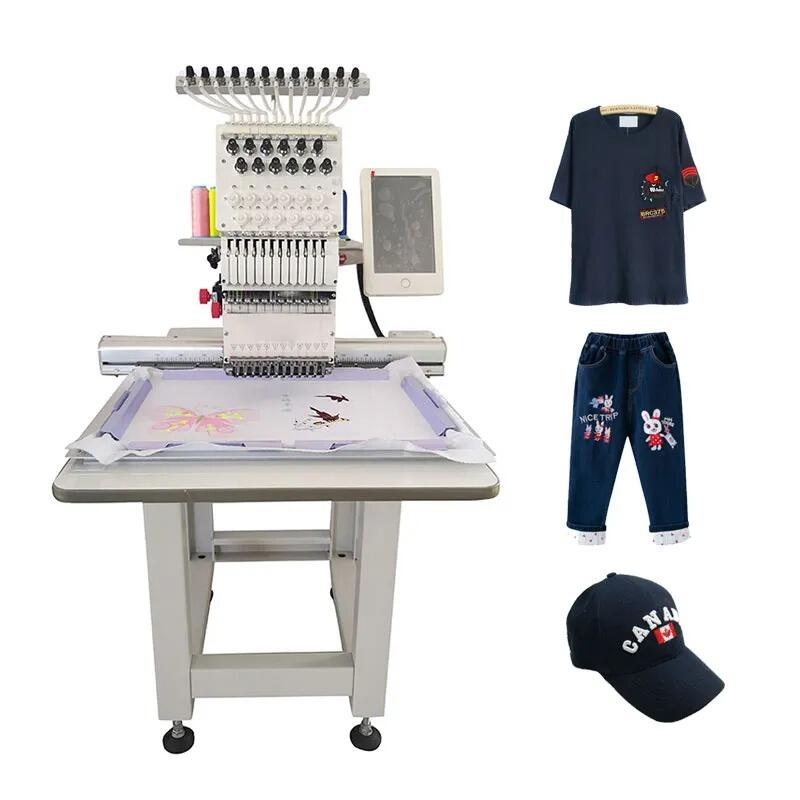
In today's competitive textile and garment industry, maximizing production efficiency while maintaining exceptional quality has become paramount for businesses seeking sustainable growth. An embroidery sewing machine represents a critical investment that can dramatically transform your manufacturing capabilities, reducing production time while delivering consistent, professional results. Modern embroidery equipment has evolved far beyond traditional single-head units, incorporating advanced technology that enables manufacturers to handle complex designs with unprecedented speed and precision.
The strategic implementation of high-efficiency embroidery systems enables businesses to meet demanding production schedules while significantly reducing labor costs and operational overhead. Understanding how to select and optimize the right embroidery sewing machine for your specific requirements can mean the difference between struggling to fulfill orders and becoming a market leader in your segment.
Understanding Modern Embroidery Machine Technology
Advanced Multi-Head Configurations
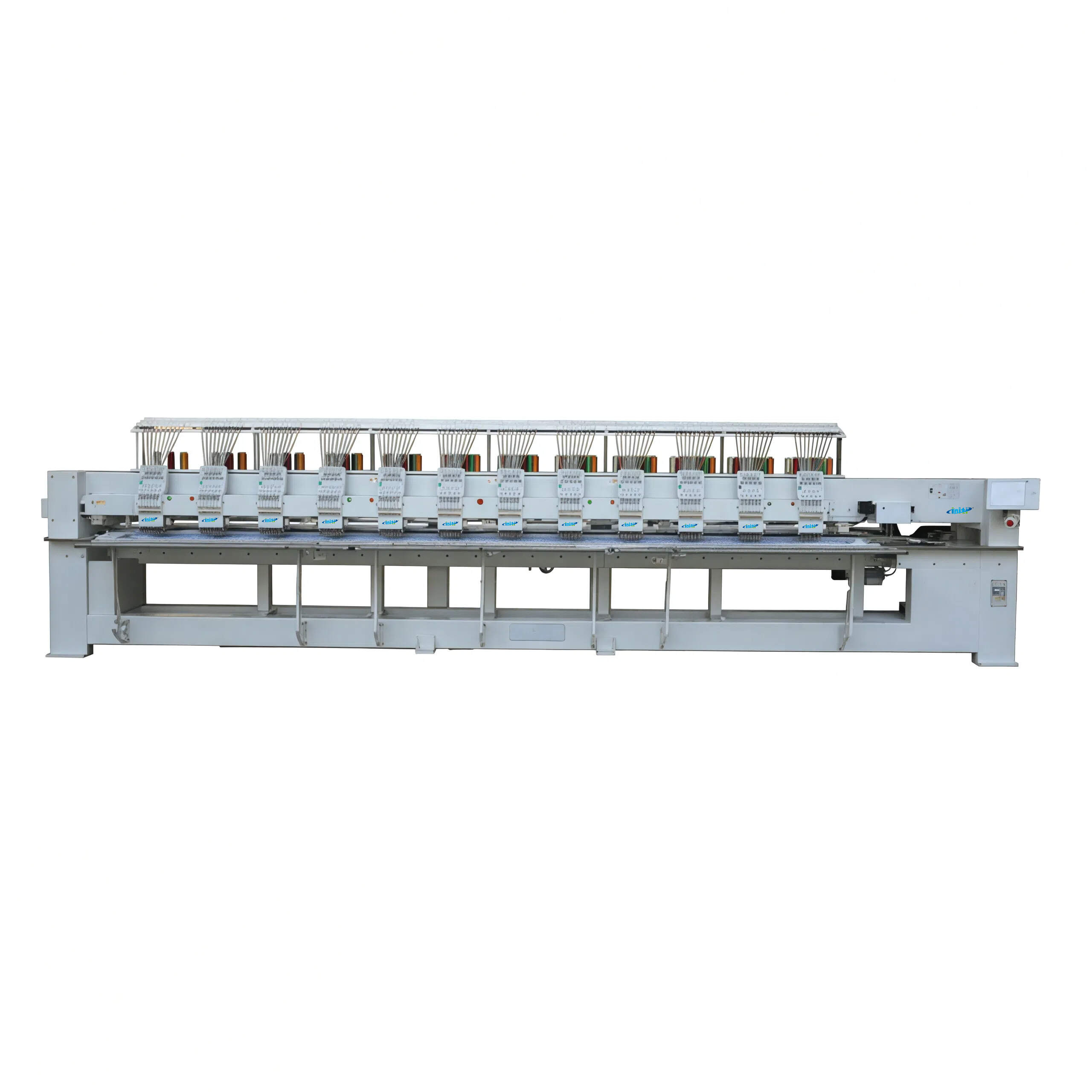
Contemporary embroidery sewing machine designs feature sophisticated multi-head configurations that allow simultaneous stitching across multiple garments or textile pieces. These systems typically range from four to twenty-four heads, with each head capable of independent operation while maintaining synchronized timing for uniform results. The parallel processing capability inherent in multi-head designs can increase productivity by 400% to 2000% compared to traditional single-head alternatives.
Professional-grade embroidery machines incorporate precision servo motors that deliver consistent stitch formation at speeds exceeding 1200 stitches per minute per head. This technological advancement ensures that production quotas are met without compromising the intricate detail work that defines premium embroidered products. The integration of computer-controlled positioning systems enables rapid design changes and reduces setup time between different embroidery patterns.
Digital Design Integration and Automation
Modern embroidery sewing machine systems seamlessly integrate with computer-aided design software, allowing operators to upload complex patterns directly from digital files. This streamlined workflow eliminates time-consuming manual programming and reduces the potential for human error during pattern setup. Advanced machines feature touchscreen interfaces that simplify operation and provide real-time monitoring of production metrics including stitch count, remaining time, and thread consumption.
Automated thread cutting and trimming functions further enhance efficiency by eliminating manual intervention between design elements. These features enable continuous operation during extended production runs, maximizing machine utilization while reducing labor requirements. The sophisticated sensors integrated into premium embroidery machines detect thread breaks automatically, pausing operation to prevent defective products and minimizing material waste.
Production Efficiency and Time-Saving Benefits
Maximizing Throughput with Strategic Planning
Efficient embroidery sewing machine operation requires careful production planning that considers design complexity, thread changes, and material handling requirements. By batching similar designs and organizing production sequences to minimize setup time, manufacturers can achieve remarkable improvements in overall throughput. Strategic scheduling that groups projects by thread colors can reduce changeover time by up to 60%, directly impacting daily production capacity.
The implementation of lean manufacturing principles in embroidery operations involves optimizing material flow, reducing work-in-progress inventory, and establishing standardized operating procedures. High-speed embroidery machines equipped with large memory capacity can store hundreds of designs, enabling quick pattern selection without external computer connections. This autonomy reduces dependency on design workstations and allows continuous operation even during peak production periods.
Labor Cost Reduction Through Automation
Investing in an advanced embroidery sewing machine significantly reduces labor requirements while improving output consistency. A single operator can effectively manage multiple machines simultaneously, with modern systems providing audio and visual alerts for thread breaks, design completion, and maintenance requirements. This operational efficiency translates to substantial labor cost savings, typically reducing per-piece production costs by 30% to 50% depending on design complexity.
The automated features inherent in professional embroidery equipment minimize the skill level required for basic operations, reducing training time and enabling faster employee onboarding. Consistent stitch quality achieved through computerized control eliminates the variability associated with manual embroidery techniques, reducing quality control overhead and minimizing rework requirements. These factors collectively contribute to improved profit margins and enhanced competitive positioning.
Quality Control and Consistency Advantages
Precision Stitch Formation and Tension Control
Professional embroidery sewing machine systems incorporate sophisticated tension control mechanisms that automatically adjust thread tension based on fabric type and stitch density requirements. This intelligent adaptation ensures consistent stitch formation across diverse material types, from lightweight cotton to heavy canvas and synthetic blends. The precision achieved through computerized tension control eliminates common embroidery defects such as puckering, thread breakage, and uneven stitch appearance.
Advanced machines feature multiple tension zones that can be independently adjusted for different thread types within a single design, accommodating metallic threads, variegated colors, and specialty materials without manual intervention. This capability enables the production of complex multi-color designs with varying thread characteristics while maintaining uniform quality standards throughout the entire production run.
Consistent Positioning and Registration Accuracy
Modern embroidery sewing machine technology employs precision positioning systems that ensure accurate design placement with tolerances typically within 0.1mm. This level of accuracy is crucial for multi-color designs, logo placement, and applications requiring precise alignment with garment features such as pockets, collars, or seams. Computerized positioning eliminates the variability associated with manual hooping and ensures that every piece meets exact specifications.
Laser positioning systems available on premium embroidery machines provide visual confirmation of design placement before stitching begins, virtually eliminating placement errors that result in rejected products. The integration of automated hooping systems further enhances positioning accuracy while reducing operator fatigue and increasing production speed. These technological advances collectively contribute to higher first-pass yield rates and reduced material waste.
Material Handling and Workflow Optimization
Efficient Hooping Systems and Quick-Change Mechanisms
The efficiency of an embroidery sewing machine operation depends heavily on streamlined material handling procedures and optimized workflow design. Quick-change hooping systems enable operators to prepare multiple setups while machines are running, minimizing downtime between jobs and maximizing machine utilization. Magnetic hooping systems and pneumatic clamping mechanisms reduce setup time while ensuring secure fabric retention during high-speed operation.
Modular hoop designs accommodate various garment sizes and types without requiring extensive adjustments or specialized tooling. This flexibility enables manufacturers to handle diverse product lines efficiently, from small logos to large back designs, using the same embroidery equipment. The standardization of hooping procedures across different product categories reduces training requirements and improves operational consistency.
Integrated Material Feed and Finishing Systems
Advanced embroidery sewing machine installations often incorporate automated material feeding systems that eliminate manual handling and reduce operator intervention. Conveyor-based feeding systems can automatically position garments for embroidery, advance completed pieces to finishing stations, and return to load the next item in the production sequence. This level of automation is particularly beneficial for high-volume production runs where labor costs represent a significant portion of total manufacturing expenses.
The integration of automatic trimming and finishing systems further enhances productivity by eliminating manual thread cutting and backing removal operations. These systems can process completed embroidery pieces immediately upon design completion, maintaining continuous material flow and reducing work-in-progress inventory. Such comprehensive automation enables manufacturers to achieve production rates previously impossible with traditional embroidery methods.
Maintenance and Operational Reliability
Preventive Maintenance Protocols for Maximum Uptime
Maintaining optimal performance of an embroidery sewing machine requires adherence to structured preventive maintenance protocols that address both mechanical and electronic components. Regular lubrication schedules, tension adjustment verification, and cleaning procedures ensure consistent operation while preventing costly breakdowns that can disrupt production schedules. Modern machines feature maintenance reminder systems that alert operators to required service intervals based on operating hours or stitch count.
The modular design of contemporary embroidery equipment enables quick component replacement and repair, minimizing downtime when service is required. Standardized tooling requirements and accessible component layouts facilitate efficient maintenance procedures that can often be performed by in-house technical staff. This design philosophy reduces dependency on external service providers and enables faster response times when maintenance issues arise.
Diagnostic Systems and Performance Monitoring
Professional-grade embroidery sewing machine systems incorporate comprehensive diagnostic capabilities that continuously monitor critical operating parameters including motor temperature, thread tension, positioning accuracy, and electrical system status. These monitoring systems provide early warning of potential issues before they result in production disruptions, enabling proactive maintenance scheduling and component replacement.
Real-time performance data collection enables manufacturers to optimize machine settings for specific applications and identify opportunities for further efficiency improvements. Historical performance data helps establish baseline operating parameters and enables predictive maintenance strategies that minimize unplanned downtime. The integration of remote monitoring capabilities allows for expert technical support and troubleshooting without requiring on-site service visits.
Return on Investment and Cost Analysis
Calculating Production Cost Savings
The economic benefits of implementing an efficient embroidery sewing machine extend beyond simple labor cost reduction to encompass improved material utilization, reduced waste, enhanced quality consistency, and increased production capacity. Detailed cost analysis should consider the total cost of ownership including initial equipment investment, installation and training expenses, ongoing maintenance requirements, and expected equipment lifespan. These factors must be weighed against projected savings in labor costs, reduced rework expenses, and increased revenue potential.
Typical payback periods for professional embroidery equipment range from 12 to 36 months depending on production volume, labor costs, and equipment utilization rates. High-volume operations with multiple shifts can often achieve payback within the first year through labor savings alone, while improved quality and reduced waste provide additional economic benefits throughout the equipment lifecycle. The ability to accept larger orders and meet shorter delivery deadlines often enables manufacturers to command premium pricing that further accelerates return on investment.
Long-Term Strategic Value and Market Positioning
Beyond immediate cost savings, investment in advanced embroidery sewing machine technology positions manufacturers to capitalize on emerging market opportunities and customer demands for customization and quick turnaround times. The capability to handle complex multi-color designs and specialty thread applications opens new market segments that may not be accessible with conventional equipment. This strategic positioning often results in higher profit margins and more stable customer relationships.
The scalability inherent in modular embroidery systems enables manufacturers to expand capacity incrementally as business grows, protecting initial investment while enabling responsive capacity management. This flexibility is particularly valuable in industries with seasonal demand variations or evolving customer requirements. The reputation for quality and reliability achieved through consistent embroidery production often leads to word-of-mouth referrals and expanded market presence.
FAQ
What is the typical production speed increase when upgrading to a multi-head embroidery sewing machine
Multi-head embroidery machines can increase production speed by 400% to 2000% compared to single-head units, depending on the number of heads and design complexity. A six-head machine running identical designs simultaneously will complete six pieces in the time previously required for one, while also reducing setup time per piece through batch processing efficiencies.
How do I determine the right number of heads for my embroidery sewing machine investment
The optimal number of heads depends on your production volume, available floor space, operator capacity, and budget constraints. Calculate your daily production requirements and divide by single-head capacity to determine minimum head count needed. Consider starting with 4-6 heads for small to medium operations, as this provides significant efficiency gains while remaining manageable for single-operator supervision.
What maintenance requirements should I expect with a professional embroidery sewing machine
Professional embroidery machines require daily cleaning and lubrication of moving parts, weekly tension and timing adjustments, and monthly comprehensive inspections of electrical and mechanical components. Most manufacturers recommend professional service every 6-12 months depending on usage intensity. Proper maintenance typically requires 15-30 minutes daily and prevents costly repairs while ensuring consistent production quality.
Can modern embroidery sewing machine systems handle specialty threads and materials
Advanced embroidery machines are designed to accommodate a wide range of thread types including metallic, variegated, glow-in-the-dark, and water-soluble varieties. Most professional systems feature adjustable tension controls, specialized needle options, and programmable settings for different material combinations. However, specialty applications may require additional accessories or modifications to achieve optimal results.
Table of Contents
- Understanding Modern Embroidery Machine Technology
- Production Efficiency and Time-Saving Benefits
- Quality Control and Consistency Advantages
- Material Handling and Workflow Optimization
- Maintenance and Operational Reliability
- Return on Investment and Cost Analysis
-
FAQ
- What is the typical production speed increase when upgrading to a multi-head embroidery sewing machine
- How do I determine the right number of heads for my embroidery sewing machine investment
- What maintenance requirements should I expect with a professional embroidery sewing machine
- Can modern embroidery sewing machine systems handle specialty threads and materials