

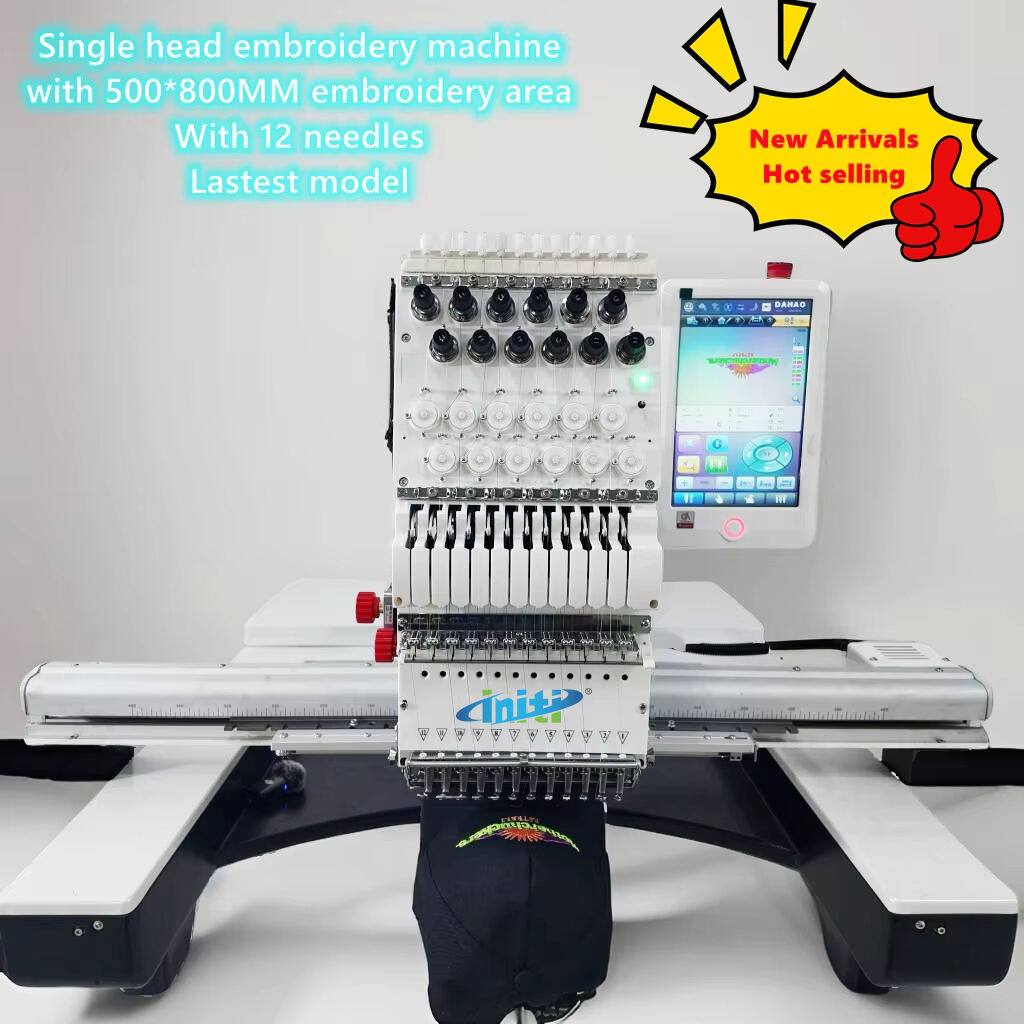
Modern textile manufacturing demands precise balance between production speed and quality craftsmanship. Today's embroidery sewing operations face unprecedented pressure to deliver exceptional results while maintaining competitive turnaround times. Advanced machinery solutions have revolutionized how manufacturers approach embroidery sewing, enabling businesses to achieve remarkable efficiency without compromising the intricate detail work that defines premium embroidered products. The integration of cutting-edge technology with traditional craftsmanship principles creates opportunities for unprecedented productivity gains in embroidery sewing applications.
Understanding Modern Embroidery Sewing Technology
Multi-Head System Advantages
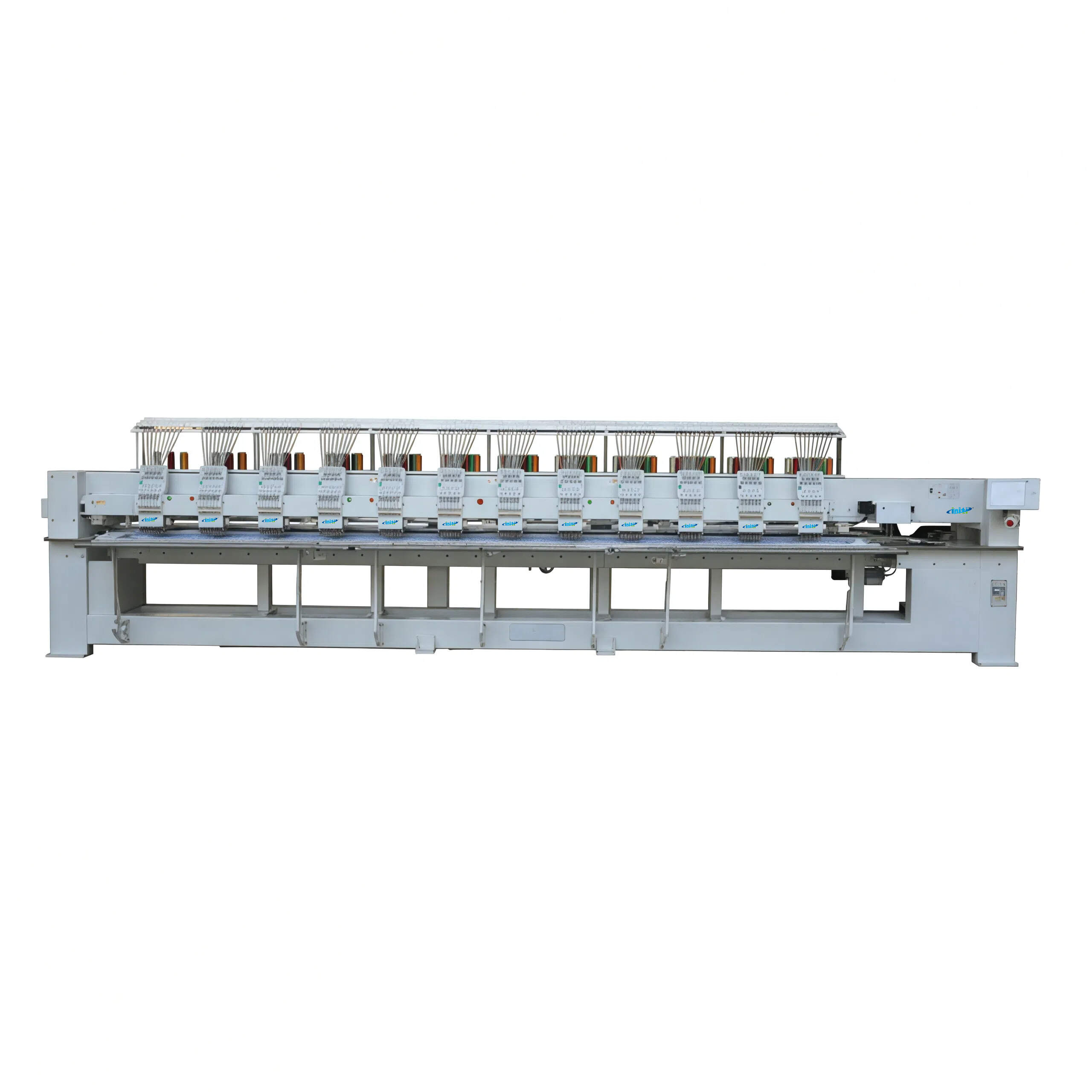
Contemporary embroidery sewing systems utilize sophisticated multi-head configurations that dramatically increase production capacity. These systems allow manufacturers to complete multiple identical designs simultaneously, reducing overall project completion times by up to seventy percent compared to traditional single-head operations. The synchronized operation of multiple embroidery heads ensures consistent stitch quality across all pieces, maintaining uniformity that manual processes cannot reliably achieve. Advanced control systems monitor each head independently, automatically adjusting tension and speed parameters to optimize performance for specific fabric types and design complexities.
Professional multi-head embroidery sewing equipment incorporates intelligent threading systems that minimize downtime between color changes. Automatic thread cutting and trimming functions eliminate manual intervention, allowing operators to focus on quality control and design optimization rather than routine maintenance tasks. The integration of computerized pattern recognition ensures precise placement accuracy, even on challenging materials like stretch fabrics or lightweight textiles that traditionally require specialized handling techniques.
Speed Optimization Strategies
Effective embroidery sewing operations require strategic approach to speed optimization that considers both mechanical capabilities and material characteristics. Variable speed control systems automatically adjust stitching rates based on design complexity, reducing speeds for intricate details while maximizing throughput on simpler pattern segments. This intelligent speed management prevents thread breaks and fabric distortion while maintaining optimal production rates throughout the entire embroidery sewing process.
Advanced embroidery sewing machines feature predictive algorithms that analyze upcoming pattern segments and pre-adjust operational parameters accordingly. These systems anticipate challenging sections and automatically modify tension settings, speed profiles, and needle penetration depths to prevent quality issues before they occur. The result is smoother operation with fewer interruptions and consistently superior finished products that meet stringent quality standards.
Quality Control in High-Speed Operations
Stitch Consistency Management
Maintaining consistent stitch quality during high-speed embroidery sewing requires sophisticated monitoring systems that continuously assess thread tension, fabric positioning, and needle performance. Modern equipment incorporates real-time feedback loops that detect variations in stitch formation and automatically implement corrective adjustments without stopping production. These quality control systems analyze thousands of data points per minute, ensuring that every stitch meets predetermined specifications regardless of operational speed.
Professional embroidery sewing systems utilize advanced sensor technology to monitor thread path integrity and detect potential breakage before it occurs. Tension sensors continuously measure thread stress levels, alerting operators to conditions that might compromise stitch quality or cause production delays. This proactive approach to quality management significantly reduces waste and rework requirements while maintaining consistent output quality across extended production runs.
Fabric Handling Precision
Effective fabric handling represents a critical component of efficient embroidery sewing operations. Pneumatic hooping systems ensure consistent fabric tension across the entire work surface, eliminating puckering and distortion that can compromise design accuracy. Automated fabric positioning mechanisms maintain precise registration throughout the embroidery sewing process, even when working with challenging materials like knitted fabrics or technical textiles that tend to shift during stitching.
Contemporary embroidery sewing machines incorporate sophisticated fabric detection systems that automatically adjust operational parameters based on material characteristics. These systems identify fabric weight, stretch properties, and surface texture, then optimize needle penetration force and thread tension to achieve optimal results. The integration of these intelligent fabric handling capabilities ensures consistent quality across diverse material types while maximizing production efficiency.
Operational Efficiency Enhancement
Workflow Optimization
Streamlined workflow management transforms embroidery sewing operations from reactive processes into proactive production systems. Digital design libraries allow operators to quickly access and modify patterns without manual programming, reducing setup times between jobs by up to sixty percent. Integrated production scheduling systems optimize machine utilization by automatically sequencing jobs based on thread color requirements, fabric types, and design complexity levels.
Modern embroidery sewing facilities implement lean manufacturing principles that eliminate waste and maximize value-added activities. Color-coded thread management systems reduce changeover times while preventing costly mixing errors that can compromise entire production runs. Standardized procedures for machine setup, quality inspection, and finishing operations ensure consistent results while minimizing training requirements for new operators.
Maintenance Integration
Predictive maintenance programs significantly enhance embroidery sewing efficiency by preventing unexpected equipment failures that can disrupt production schedules. Advanced diagnostic systems continuously monitor critical machine components, tracking wear patterns and performance trends to predict optimal maintenance intervals. This data-driven approach to equipment care reduces unplanned downtime while extending machinery lifespan through proper preventive care.
Integrated maintenance management systems provide detailed documentation of all service activities, creating comprehensive equipment histories that support informed decision-making about repairs, upgrades, and replacement timing. Regular calibration procedures ensure that embroidery sewing machines maintain optimal performance standards throughout their operational lifetime, preserving the precision and reliability that customers expect from professional embroidery services.
Technology Integration Benefits
Digital Design Implementation
Contemporary embroidery sewing operations leverage sophisticated digital design tools that transform creative concepts into production-ready patterns with unprecedented speed and accuracy. Computer-aided design software enables rapid pattern modification and customization, allowing manufacturers to respond quickly to customer requirements without extensive manual digitizing processes. These digital tools automatically optimize stitch paths for efficiency while maintaining design integrity, reducing production times while improving overall quality.
Network connectivity enables seamless integration between design workstations and production equipment, eliminating file transfer delays and reducing the risk of version control errors. Cloud-based pattern libraries provide instant access to extensive design collections while enabling real-time collaboration between designers and production teams. This connectivity transforms embroidery sewing from an isolated manufacturing process into an integrated component of comprehensive textile production systems.
Performance Analytics
Advanced analytics platforms provide detailed insights into embroidery sewing performance metrics, enabling continuous improvement initiatives that optimize both speed and quality outcomes. Real-time production monitoring systems track key performance indicators including throughput rates, quality scores, and equipment utilization levels. This comprehensive data collection supports evidence-based decision-making about process improvements and capacity planning initiatives.
Machine learning algorithms analyze historical production data to identify optimization opportunities and predict potential bottlenecks before they impact operations. These predictive capabilities enable proactive adjustments to embroidery sewing parameters, maintaining optimal performance levels even as production requirements change. The integration of artificial intelligence with traditional manufacturing processes creates new possibilities for efficiency gains that were previously unattainable through conventional approaches.
Market Applications and Versatility
Industry Sector Adaptation
Modern embroidery sewing technology serves diverse industry sectors, each with unique requirements for speed, quality, and design complexity. Automotive manufacturers utilize high-speed embroidery sewing systems to create branded interior components with precise logo placement and consistent thread tension. Medical device companies require embroidery sewing capabilities that meet stringent cleanliness standards while producing intricate patterns on technical fabrics used in surgical applications.
Fashion and apparel manufacturers depend on versatile embroidery sewing systems that can handle rapid design changes and short production runs without compromising quality or efficiency. Sports equipment manufacturers utilize specialized embroidery sewing techniques to create durable, weather-resistant designs on performance fabrics. Each application requires specific technological adaptations that demonstrate the flexibility and capability of contemporary embroidery sewing equipment.
Customization Capabilities
Advanced embroidery sewing systems provide unprecedented customization capabilities that enable manufacturers to offer personalized products without sacrificing production efficiency. Variable data embroidery allows for individual names, numbers, or designs to be automatically inserted into base patterns, creating unique products while maintaining automated production workflows. This capability opens new market opportunities in personalized merchandise and custom promotional products.
Modular machine configurations allow manufacturers to adapt embroidery sewing capabilities to specific production requirements without investing in oversized equipment. Scalable systems can be expanded or reconfigured as business needs evolve, providing flexibility that supports sustainable growth strategies. The integration of modular design principles with advanced embroidery sewing technology creates equipment solutions that adapt to changing market conditions rather than becoming obsolete as requirements change.
FAQ
What factors determine optimal embroidery sewing speed settings
Optimal embroidery sewing speed depends on fabric type, thread material, design complexity, and desired quality level. Dense designs with small details require slower speeds to maintain precision, while simple patterns on stable fabrics can accommodate higher speeds. Modern machines automatically adjust speed based on these parameters, typically operating between 800-1200 stitches per minute for most applications. Professional operators consider thread tension requirements and fabric characteristics when establishing speed parameters for specific projects.
How does multi-head embroidery sewing improve production efficiency
Multi-head systems multiply production capacity by completing multiple identical pieces simultaneously while maintaining consistent quality across all heads. These systems reduce per-piece production time, optimize thread usage through coordinated color changes, and minimize operator intervention requirements. Advanced multi-head embroidery sewing equipment can increase throughput by 300-700 percent compared to single-head operations while maintaining superior quality standards and reducing labor costs per finished unit.
What maintenance practices ensure consistent embroidery sewing performance
Regular maintenance includes daily cleaning of thread paths, weekly lubrication of mechanical components, and monthly calibration of tension systems. Professional embroidery sewing equipment requires periodic needle replacement, timing adjustments, and software updates to maintain optimal performance. Preventive maintenance schedules should be based on production volume and operating conditions, with critical components monitored continuously through integrated diagnostic systems that alert operators to potential issues before failures occur.
How do modern embroidery sewing systems handle different fabric types
Contemporary embroidery sewing machines incorporate intelligent fabric detection and automatic parameter adjustment systems that optimize settings for various materials. These systems analyze fabric weight, stretch characteristics, and surface texture to determine appropriate needle selection, thread tension, and penetration force. Specialized hooping techniques and stabilizer materials ensure consistent results across diverse fabric types, from delicate silk to heavy canvas, while maintaining production speed and quality standards throughout the embroidery sewing process.