

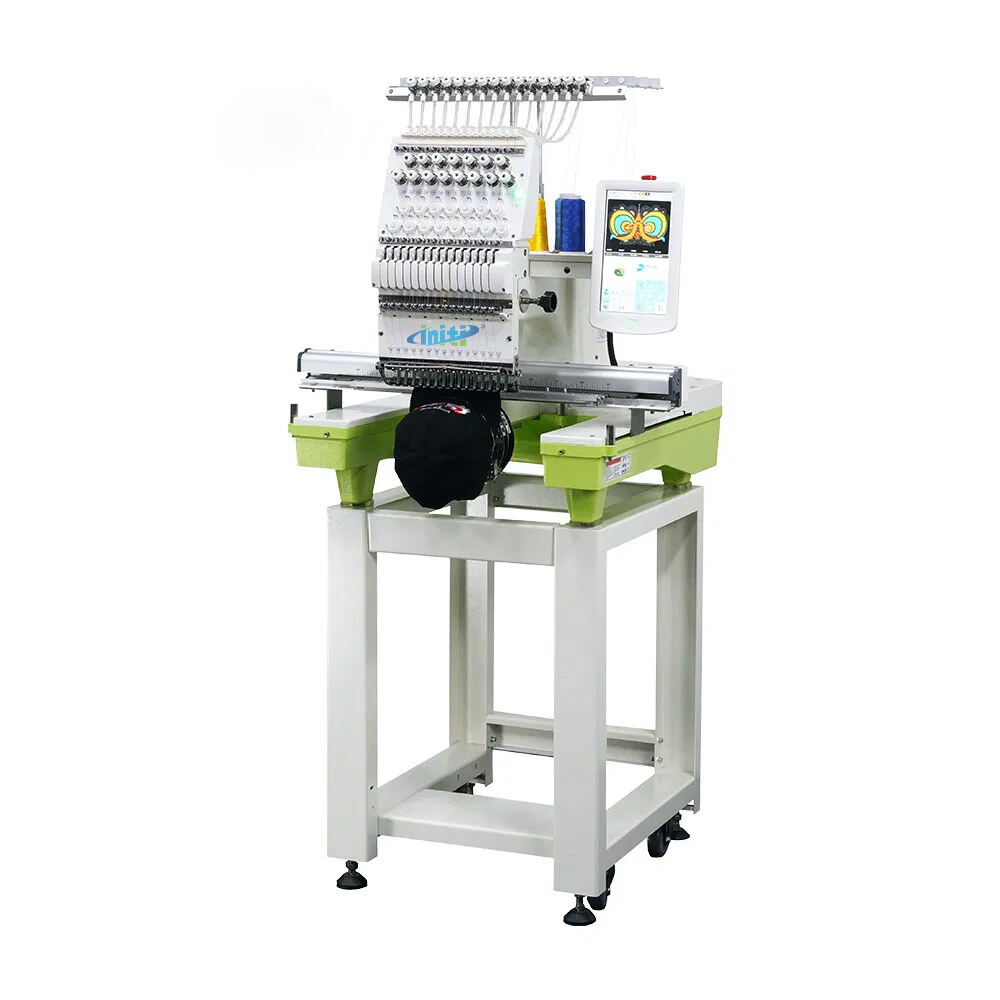
In today's competitive textile and customization industry, investing in an easy-to-maintain embroidery machine can transform your production workflow and significantly reduce operational costs. Modern embroidery equipment has evolved to offer user-friendly maintenance features that minimize downtime while maximizing productivity. Understanding the benefits of choosing machinery with simplified maintenance requirements helps businesses make informed decisions that impact their long-term success and profitability.
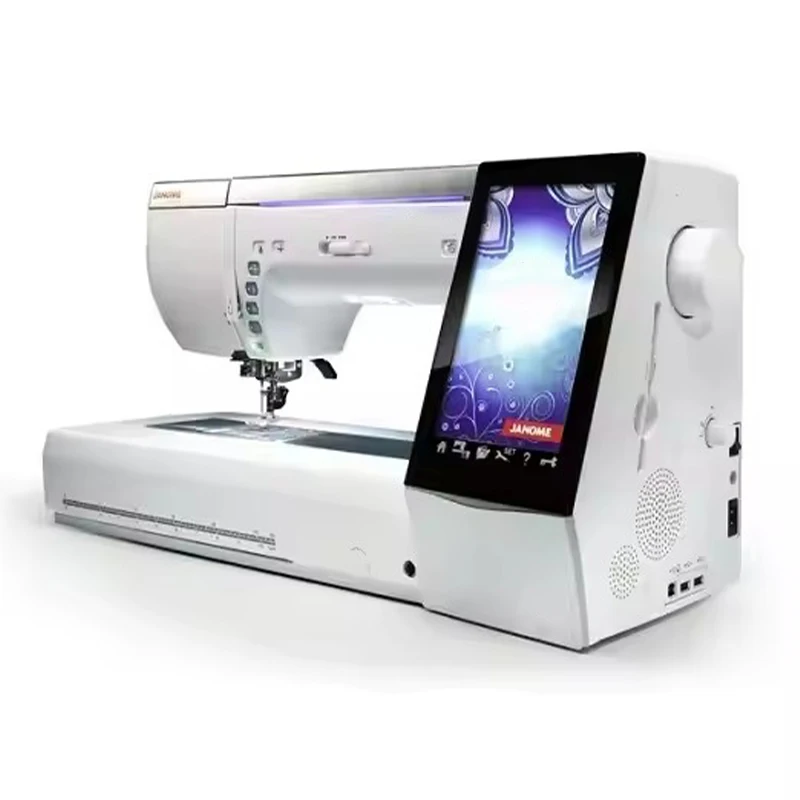
Enhanced Productivity Through Reduced Downtime
Streamlined Maintenance Procedures
An easy-to-maintain embroidery machine incorporates design elements that simplify routine maintenance tasks. These machines feature accessible components, clear maintenance indicators, and intuitive service procedures that allow operators to perform essential upkeep without specialized technical training. The strategic placement of lubrication points, tension adjustment mechanisms, and cleaning access areas ensures that routine maintenance can be completed quickly and efficiently.
Regular maintenance becomes a straightforward process when manufacturers design equipment with user accessibility in mind. Quick-release panels, color-coded maintenance points, and standardized tool requirements reduce the complexity of routine service tasks. This approach allows production teams to maintain optimal machine performance without relying heavily on external service technicians or extensive downtime periods.
Predictable Service Schedules
Modern easy-to-maintain embroidery machine models incorporate intelligent monitoring systems that track usage patterns and component wear. These systems provide advance notifications for scheduled maintenance, allowing businesses to plan service activities during natural production breaks. Predictable maintenance schedules prevent unexpected breakdowns and enable more efficient resource allocation for production planning.
Smart maintenance alerts help operators stay ahead of potential issues by providing clear guidance on when specific components require attention. This proactive approach to machine care extends equipment lifespan while maintaining consistent output quality. Advanced monitoring capabilities also help identify patterns that may indicate operational improvements or adjustments needed in production processes.
Cost Efficiency and Budget Management
Reduced Service Expenses
Investing in an easy-to-maintain embroidery machine significantly reduces long-term service costs by minimizing the need for specialized technician visits. When routine maintenance can be performed by in-house staff using standard tools and procedures, businesses can avoid expensive service calls and reduce dependency on external support contracts. This independence translates into substantial cost savings over the equipment's operational lifetime.
Lower maintenance complexity also means reduced inventory requirements for specialized tools and replacement parts. Standardized components and commonly available consumables help control ongoing operational expenses while ensuring that necessary maintenance supplies remain readily accessible. This approach to equipment design supports more predictable budget planning and improved cash flow management.
Extended Equipment Lifespan
Regular, properly executed maintenance directly correlates with extended machine lifespan and sustained performance quality. An easy-to-maintain embroidery machine encourages consistent care practices that prevent premature component wear and system degradation. When maintenance procedures are straightforward and achievable, operators are more likely to perform them consistently and correctly.
Proper maintenance practices preserve precision tolerances, thread tension consistency, and mechanical alignment that directly impact embroidery quality. Equipment that receives regular, appropriate care maintains its original specifications longer, delivering consistent results throughout its operational life. This reliability translates into better return on investment and reduced need for premature equipment replacement.
Operational Flexibility and Workflow Integration
Simplified Staff Training Requirements
Easy-to-maintain embroidery machine designs reduce the complexity of staff training programs by incorporating intuitive maintenance procedures that align with common mechanical understanding. New operators can quickly learn essential maintenance tasks without extensive specialized training, allowing businesses to maintain flexibility in staff assignments and reduce training overhead costs.
Standardized maintenance procedures across similar equipment types enable cross-training opportunities that improve operational flexibility. When maintenance tasks follow logical, consistent patterns, operators can more easily transition between different machines or take on additional responsibilities as business needs evolve. This versatility supports more efficient workforce utilization and improved production scheduling flexibility.
Integration with Production Schedules
Modern easy-to-maintain embroidery machine models support seamless integration with existing production workflows through quick maintenance procedures that minimize production interruption. Routine maintenance tasks can often be performed during material changeovers, shift changes, or other natural breaks in the production cycle, maximizing productive uptime.
Efficient maintenance procedures enable more responsive production scheduling by reducing the time buffer required for equipment service activities. When maintenance tasks can be completed quickly and predictably, production planners can optimize schedules more effectively and respond more readily to changing customer demands or rush orders.
Quality Consistency and Performance Reliability
Maintained Precision Standards
Regular maintenance of an easy-to-maintain embroidery machine ensures continued precision in thread placement, tension control, and pattern execution. Well-maintained equipment delivers consistent stitch quality, proper thread coverage, and accurate pattern registration that meets professional standards across extended production runs. This consistency directly impacts customer satisfaction and reduces waste from defective products.
Precision maintenance also preserves the machine's ability to handle complex patterns and delicate materials without compromising quality. Proper calibration and component care maintain the tight tolerances required for intricate embroidery work, ensuring that the equipment can continue producing high-quality results across diverse project requirements and material specifications.
Reduced Production Variability
Consistent maintenance practices minimize production variability by maintaining stable operating conditions throughout the equipment's service cycle. An easy-to-maintain embroidery machine that receives proper care delivers predictable performance characteristics that support consistent production planning and quality control processes.
Stable machine performance reduces the need for frequent adjustments, recalibration, or rework activities that can disrupt production schedules and increase operational costs. When equipment maintains consistent behavior patterns, operators can focus on productive activities rather than troubleshooting and adjustment tasks, improving overall efficiency and output quality.
Technology Integration and Future-Proofing
Smart Maintenance Features
Contemporary easy-to-maintain embroidery machine designs incorporate smart diagnostic capabilities that provide real-time feedback on machine condition and performance parameters. These systems help operators identify potential issues before they impact production, enabling proactive maintenance that prevents costly breakdowns and quality problems.
Advanced monitoring systems also collect operational data that can inform maintenance schedule optimization and identify opportunities for process improvements. This data-driven approach to equipment care supports continuous improvement initiatives while ensuring optimal machine performance throughout the equipment lifecycle.
Adaptability to Evolving Requirements
Modern maintenance-friendly designs often include modular components and standardized interfaces that support equipment upgrades and modifications as business requirements evolve. An easy-to-maintain embroidery machine with modular architecture can adapt to new technologies, expanded capabilities, or changing production requirements without requiring complete equipment replacement.
Standardized maintenance procedures and component designs also ensure that equipment remains serviceable as manufacturers introduce new models or discontinue older ones. This approach to equipment design supports longer-term investment protection while maintaining operational continuity as technology advances.
Environmental and Sustainability Considerations
Resource Conservation
Easy-to-maintain embroidery machine designs support environmental sustainability by extending equipment lifespan and reducing waste generation. Proper maintenance practices preserve equipment functionality longer, reducing the frequency of equipment replacement and the associated environmental impact of manufacturing and disposal processes.
Efficient maintenance procedures also optimize resource utilization by maintaining equipment efficiency and reducing energy consumption over time. Well-maintained machines operate more efficiently, consume less power, and generate less waste heat, contributing to improved environmental performance and reduced operational costs.
Sustainable Operational Practices
Simplified maintenance requirements enable more sustainable operational practices by reducing the need for specialized chemicals, tools, and disposal procedures. An easy-to-maintain embroidery machine that uses standard lubricants and cleaning materials supports more environmentally responsible maintenance practices while reducing compliance complexity.
Streamlined maintenance procedures also reduce packaging waste from specialized service kits and minimize transportation requirements for service visits. This approach to equipment design supports corporate sustainability goals while maintaining high standards of equipment performance and reliability.
FAQ
How often should an easy-to-maintain embroidery machine receive routine maintenance?
The maintenance frequency for an easy-to-maintain embroidery machine typically depends on usage intensity and operating conditions. Most manufacturers recommend daily cleaning and lubrication checks, weekly tension and alignment inspections, and monthly comprehensive service procedures. Modern machines with usage monitoring systems provide specific guidance based on actual operating hours and stitch counts rather than calendar schedules.
What basic tools are required for maintaining these machines?
Most easy-to-maintain embroidery machine models require only standard tools such as screwdrivers, allen wrenches, and basic cleaning supplies. Manufacturers typically design maintenance procedures around commonly available tools to reduce complexity and cost. Some machines include specialized tools for specific adjustments, but these are usually simple devices that require minimal training to use effectively.
Can in-house staff perform all necessary maintenance without professional service?
While routine maintenance tasks can typically be performed by trained in-house staff, certain procedures may require professional service depending on the machine's complexity and warranty requirements. An easy-to-maintain embroidery machine is designed to maximize the scope of user-performable maintenance while clearly identifying tasks that require professional attention. Most manufacturers provide comprehensive training materials and support to help operators maintain their equipment effectively.
How does simplified maintenance impact machine warranty coverage?
Proper maintenance using manufacturer-approved procedures typically supports rather than voids warranty coverage. Most easy-to-maintain embroidery machine warranties require documented maintenance compliance but are designed to accommodate user-performed routine service. Manufacturers often provide detailed maintenance logs and procedures that ensure warranty compliance while enabling efficient in-house care practices.