

The embroidery industry continues to experience remarkable growth as businesses seek efficient ways to meet increasing customer demands for customized apparel and promotional items. Investing in wholesale embroidery machines represents a strategic opportunity for entrepreneurs and established companies to expand their production capabilities while maintaining competitive pricing structures. These professional-grade machines offer the reliability, speed, and precision necessary to handle large-volume orders that drive significant revenue growth.
Modern wholesale embroidery machines incorporate advanced technology that streamlines production processes while delivering consistent, high-quality results. Business owners who choose to purchase these machines directly from manufacturers benefit from significant cost savings compared to retail pricing, enabling them to achieve faster return on investment. The direct purchasing model eliminates intermediary markups and provides access to comprehensive technical support and training resources.
Understanding Commercial Embroidery Equipment Categories
Multi-Head Embroidery Systems
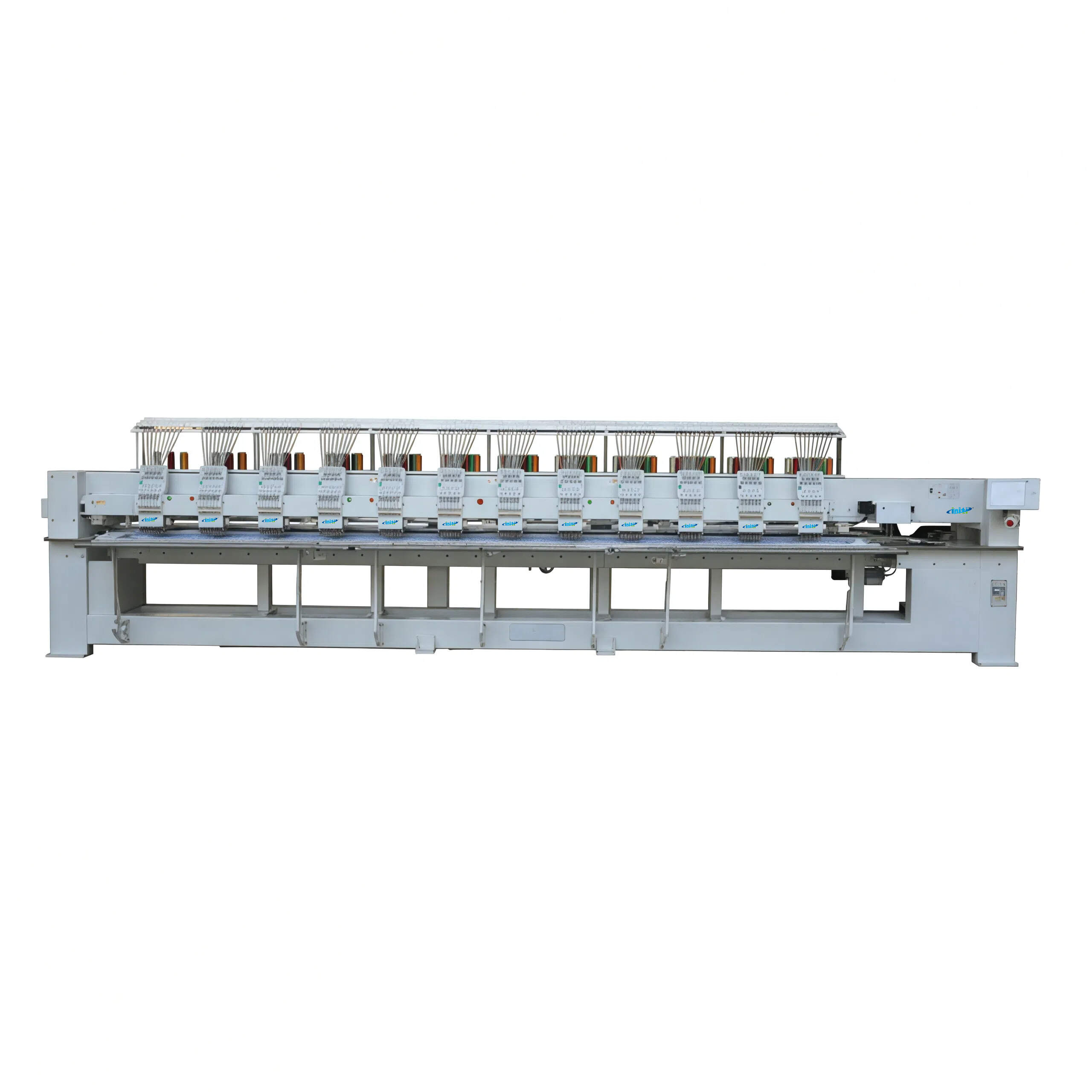
Multi-head embroidery systems represent the pinnacle of commercial production efficiency, allowing operators to complete multiple identical designs simultaneously. These wholesale embroidery machines typically feature four, six, twelve, or more embroidery heads that work in perfect synchronization. Each head operates independently while following the same programmed design, dramatically reducing production time per unit and increasing overall throughput capacity.
The sophisticated control systems in modern multi-head machines enable operators to monitor each head's performance individually while maintaining consistent stitch quality across all positions. Advanced models include automatic thread trimming, color changing capabilities, and intelligent tension control systems that adapt to different fabric types and thread weights. These features minimize operator intervention and reduce the likelihood of production errors that could compromise finished product quality.
Single-Head Professional Units
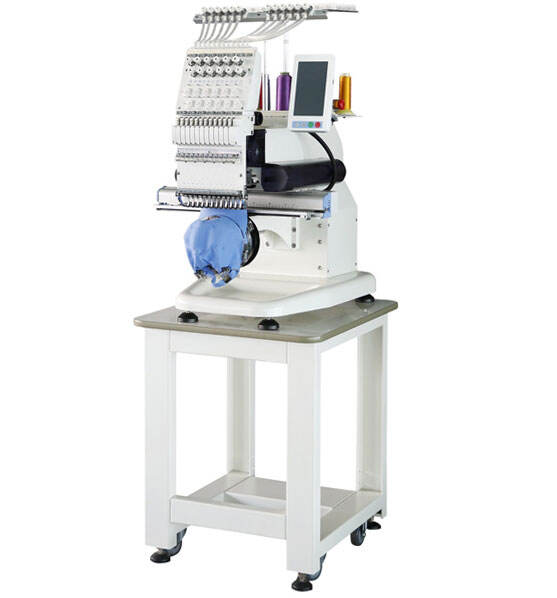
Single-head professional embroidery machines serve as excellent entry points for businesses beginning their journey into commercial embroidery production. These wholesale embroidery machines offer exceptional versatility and precision while requiring lower initial capital investment compared to multi-head systems. Many successful embroidery businesses start with single-head units and expand their machine inventory as customer demand grows.
Contemporary single-head machines incorporate many of the same advanced features found in larger systems, including computerized design positioning, automatic color changing, and comprehensive digitizing software packages. The compact footprint of these machines makes them ideal for businesses operating in smaller facilities while still maintaining professional production standards. Additionally, single-head units provide excellent training platforms for new operators learning embroidery techniques and machine operation procedures.
Key Features That Drive Business Success
Automation and Productivity Enhancement
Today's wholesale embroidery machines incorporate extensive automation features that significantly reduce labor costs while maintaining consistent production quality. Automatic thread cutting systems eliminate the need for manual intervention between color changes, while intelligent bobbin monitoring alerts operators when thread supplies require replenishment. These automation features enable single operators to manage multiple machines simultaneously, maximizing workforce efficiency.
Advanced positioning systems utilize laser guides and camera recognition technology to ensure precise design placement on various garment types and sizes. This technological precision eliminates costly positioning errors that can result in wasted materials and lost production time. Furthermore, automated backing material handling systems streamline the setup process for complex embroidery projects requiring stabilization support.
Software Integration and Design Capabilities
Professional embroidery software packages included with wholesale embroidery machines provide comprehensive design creation, editing, and production management tools. These software suites enable businesses to convert customer artwork into embroidery-ready formats while optimizing stitch sequences for maximum efficiency and quality. Advanced digitizing capabilities allow operators to create custom designs that showcase their creative expertise and differentiate their services from competitors.
Modern embroidery software includes extensive lettering libraries, design templates, and editing tools that streamline the customization process for common orders such as monogramming and logo application. Network connectivity features enable seamless file sharing between design workstations and production machines, eliminating the need for physical media transfers and reducing setup time between jobs.
Financial Considerations for Wholesale Purchases
Cost Analysis and Return on Investment
Purchasing wholesale embroidery machines directly from manufacturers provides substantial financial advantages compared to traditional retail purchasing methods. Direct wholesale pricing typically offers savings of twenty to forty percent compared to dealer markup prices, allowing businesses to acquire higher-quality equipment within their budget constraints. These cost savings can be reinvested into additional inventory, marketing initiatives, or facility improvements.
The return on investment calculation for commercial embroidery equipment must consider factors including machine productivity, labor savings, and revenue generation potential. High-quality wholesale embroidery machines often pay for themselves within twelve to eighteen months through increased production capacity and improved operational efficiency. Businesses that carefully analyze their market opportunities and production requirements can achieve even faster payback periods by selecting machines optimized for their specific applications.
Financing Options and Payment Structures
Many wholesale embroidery machine suppliers offer flexible financing arrangements that enable businesses to acquire equipment without depleting working capital reserves. Equipment financing options typically include traditional installment loans, lease-to-own agreements, and seasonal payment structures that align with business cash flow patterns. These financing solutions make professional-grade equipment accessible to smaller businesses that might otherwise struggle to afford the initial investment.
Lease agreements often include maintenance and service provisions that provide additional value while protecting businesses from unexpected repair costs. Some suppliers offer trade-in programs that allow businesses to upgrade their equipment as technology advances or production requirements change. These flexible arrangements support business growth while minimizing financial risk associated with equipment investments.
Technical Specifications and Performance Standards
Speed and Precision Capabilities
Modern wholesale embroidery machines deliver impressive speed capabilities while maintaining exceptional stitch precision and consistency. High-end commercial units operate at speeds exceeding one thousand stitches per minute, enabling rapid completion of large production runs. The key to successful commercial embroidery lies in balancing production speed with stitch quality to ensure customer satisfaction and minimize rework requirements.
Precision engineering in contemporary embroidery machines ensures accurate stitch placement within tolerances measured in fractions of millimeters. This precision capability enables the production of intricate designs with fine detail work that showcases professional craftsmanship. Advanced servo motor systems provide smooth, consistent needle movement that eliminates mechanical vibrations that could compromise stitch quality or cause thread breaks.
Compatibility and Versatility Features
Professional wholesale embroidery machines support extensive file format compatibility, accepting design files from popular digitizing software packages without requiring format conversion. This compatibility ensures seamless integration with existing design workflows while providing flexibility to accept customer files in various formats. USB connectivity and network interfaces enable convenient file transfer and remote machine monitoring capabilities.
Versatile hoop systems accommodate a wide range of garment types and sizes, from small items like caps and patches to large jackets and bags. Quick-change hoop mechanisms streamline setup procedures between different job types, maximizing machine utilization and production efficiency. Some wholesale embroidery machines include specialized attachments for unique applications such as shoe decoration, sleeve embroidery, and tubular garment processing.
Maintenance and Service Support
Preventive Maintenance Requirements
Proper maintenance protocols ensure optimal performance and longevity from wholesale embroidery machines while minimizing unexpected downtime. Daily cleaning procedures remove lint and thread debris that can accumulate in mechanical components and affect machine operation. Regular lubrication of moving parts according to manufacturer specifications prevents premature wear and maintains smooth mechanical operation.
Weekly and monthly maintenance schedules include tension system calibration, timing belt inspection, and electronic system diagnostics that identify potential issues before they cause production interruptions. Many modern wholesale embroidery machines include self-diagnostic capabilities that alert operators to maintenance requirements and system anomalies. Following comprehensive maintenance schedules protects equipment investment while ensuring consistent production quality.
Technical Support and Training Resources
Reputable wholesale embroidery machine suppliers provide extensive technical support services including installation assistance, operator training, and ongoing troubleshooting support. Comprehensive training programs ensure operators understand proper machine operation procedures, maintenance requirements, and safety protocols. These educational resources contribute to successful equipment implementation and optimal production results.
Remote diagnostic capabilities enable technical support teams to assess machine performance and resolve issues without requiring on-site service calls. This technology reduces service costs while minimizing production downtime associated with equipment problems. Many suppliers maintain extensive parts inventories and provide expedited shipping for critical components to minimize service interruptions.
Market Applications and Business Opportunities
Commercial Embroidery Service Providers
Commercial embroidery businesses represent the primary market for wholesale embroidery machines, utilizing these systems to serve diverse customer bases including corporations, sports teams, schools, and retail establishments. These businesses depend on high-performance equipment to meet demanding production schedules while maintaining consistent quality standards. The ability to handle large volume orders efficiently directly impacts profitability and customer satisfaction levels.
Successful commercial embroidery operations often specialize in specific market segments such as corporate apparel, promotional products, or custom fashion items. This specialization enables businesses to optimize their wholesale embroidery machines for particular applications while developing expertise in serving specific customer needs. Market specialization also supports premium pricing strategies that improve profit margins and business sustainability.
In-House Production Capabilities
Many businesses choose to establish in-house embroidery capabilities using wholesale embroidery machines to support their internal branding and promotional activities. This approach provides complete control over production schedules, quality standards, and design confidentiality while eliminating dependence on external service providers. In-house capabilities enable rapid prototype development and quick response to urgent promotional requirements.
Retail businesses often utilize wholesale embroidery machines to offer custom embroidery services as value-added revenue streams. This strategy increases customer engagement while generating additional income from existing customer relationships. The ability to provide immediate customization services differentiates retailers from competitors who rely on external embroidery suppliers with longer turnaround times.
FAQ
What factors should I consider when selecting wholesale embroidery machines for my business
Key selection factors include production volume requirements, available workspace, budget constraints, and target market applications. Consider the number of heads needed based on typical order sizes and delivery timeframes. Evaluate software compatibility with your existing design workflow and ensure the machine supports the file formats commonly used by your customers. Factor in long-term maintenance costs and availability of local service support when making your decision.
How do wholesale embroidery machines compare to retail-priced alternatives
Wholesale embroidery machines offer identical functionality and build quality compared to retail alternatives while providing significant cost savings through direct manufacturer purchasing. The primary difference lies in the sales channel and support structure rather than machine capabilities. Wholesale purchases often include more comprehensive training and technical support packages that enhance the overall value proposition for commercial buyers.
What training is required to operate professional embroidery equipment effectively
Basic operator training typically requires two to five days depending on prior experience and machine complexity. Training covers machine operation procedures, design file preparation, hoop selection and positioning, thread management, and basic troubleshooting techniques. Advanced training may include digitizing software usage, custom design creation, and advanced production optimization methods. Most wholesale embroidery machine suppliers provide comprehensive training programs as part of their purchase packages.
How can I ensure optimal return on investment from embroidery equipment purchases
Maximize ROI by conducting thorough market research to identify profitable niche applications and pricing strategies. Invest in operator training to minimize production errors and maximize machine efficiency. Implement preventive maintenance programs to reduce downtime and extend equipment lifespan. Consider starting with single-head units and expanding capacity as demand grows rather than over-investing in initial equipment purchases. Focus on building strong customer relationships that generate repeat business and referrals.
Table of Contents
- Understanding Commercial Embroidery Equipment Categories
- Key Features That Drive Business Success
- Financial Considerations for Wholesale Purchases
- Technical Specifications and Performance Standards
- Maintenance and Service Support
- Market Applications and Business Opportunities
-
FAQ
- What factors should I consider when selecting wholesale embroidery machines for my business
- How do wholesale embroidery machines compare to retail-priced alternatives
- What training is required to operate professional embroidery equipment effectively
- How can I ensure optimal return on investment from embroidery equipment purchases