

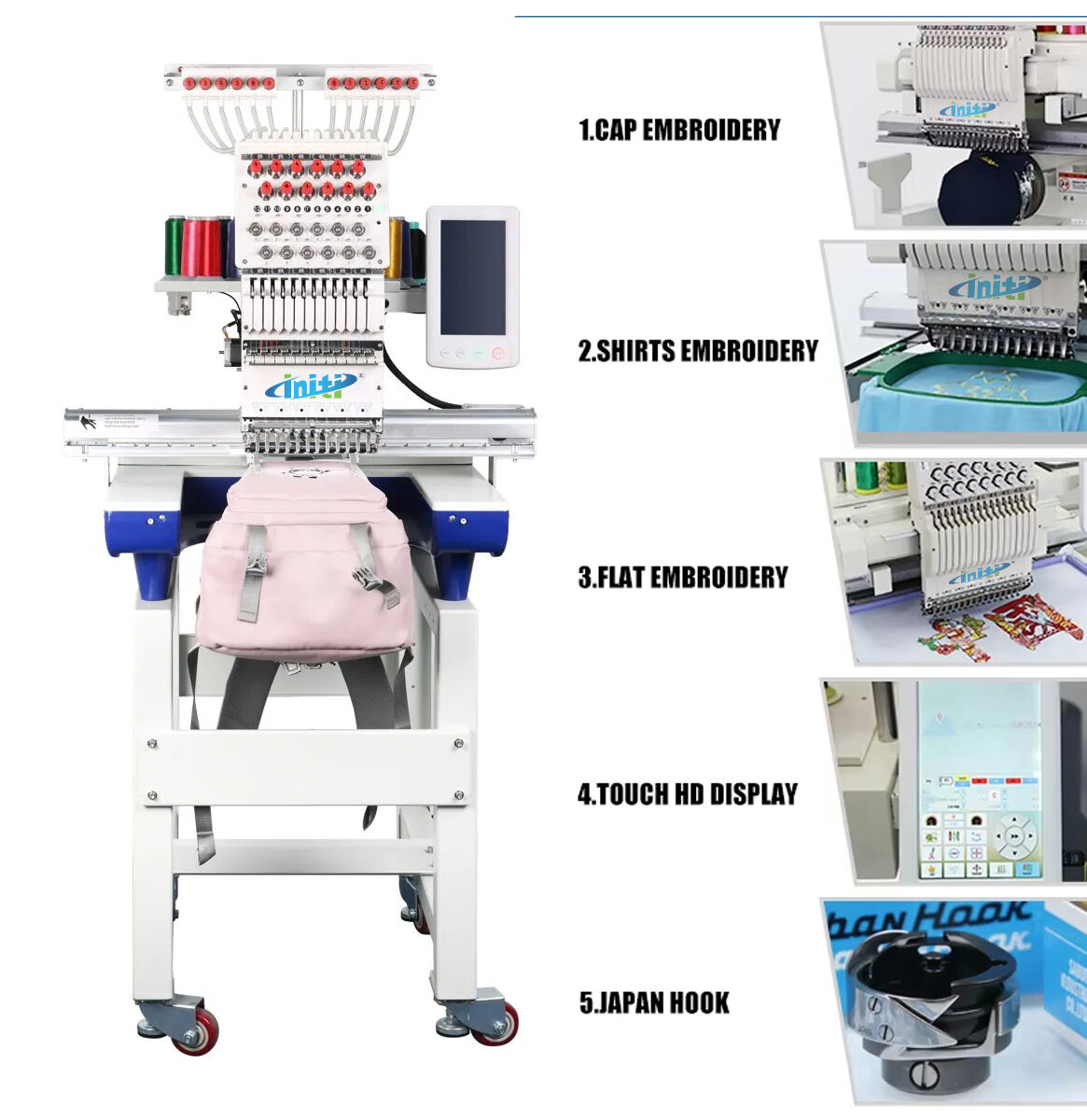
When investing in industrial equipment, prioritizing worker safety should never be an afterthought. The modern workplace demands machinery that not only delivers exceptional performance but also incorporates comprehensive safety features to protect your valuable team members. As manufacturing processes become increasingly sophisticated, the importance of selecting an embroidery machine with robust safety protocols becomes paramount for responsible business owners and facility managers.
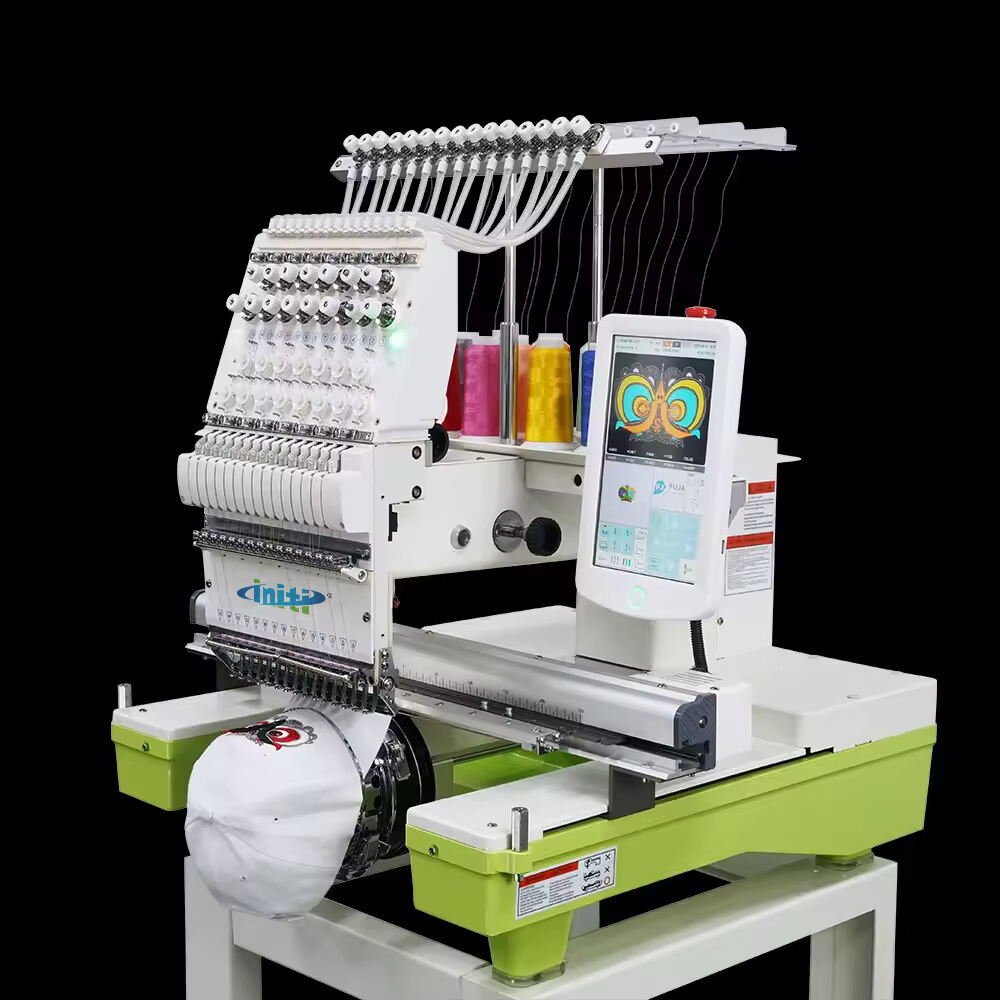
The textile and embroidery industry has witnessed significant technological advancements in recent years, with safety innovations leading the charge. Modern industrial facilities recognize that protecting their workforce extends beyond basic compliance requirements. A well-designed embroidery machine incorporates multiple layers of protection, from emergency stop mechanisms to advanced sensor technologies that prevent accidents before they occur. These safety investments ultimately translate into reduced insurance costs, fewer workplace injuries, and improved employee morale.
Understanding the critical relationship between equipment safety and operational efficiency helps business leaders make informed purchasing decisions. The most successful manufacturing operations consistently demonstrate that safety-first approaches actually enhance productivity rather than hinder it. Workers operating in secure environments exhibit higher confidence levels, reduced stress, and improved focus on quality output. This correlation between safety and performance makes investing in properly designed machinery a strategic business decision.
Essential Safety Features for Modern Industrial Equipment
Emergency Response Systems and Controls
Every professional-grade embroidery machine should incorporate immediate response capabilities that allow operators to halt operations instantly when hazardous conditions arise. Emergency stop buttons must be strategically positioned within easy reach of all working positions, featuring bright colors and tactile feedback to ensure quick identification during stressful situations. These controls should be designed to override all other machine functions without delay or hesitation.
Advanced emergency systems extend beyond simple stop mechanisms to include automatic shutdown protocols when sensors detect abnormal operating conditions. Temperature monitoring, vibration detection, and thread tension irregularities can all trigger protective responses that prevent equipment damage and operator injury. The integration of these automated safety features demonstrates the manufacturer's commitment to comprehensive worker protection.
Modern emergency response systems also incorporate communication capabilities that alert supervisors and maintenance personnel when safety events occur. This immediate notification system enables rapid response and helps prevent similar incidents through pattern recognition and preventive maintenance scheduling. The ability to document and analyze safety events contributes to continuous improvement in workplace protection protocols.
Physical Barriers and Protective Guards
Properly designed protective barriers serve as the first line of defense against mechanical hazards in embroidery operations. These guards must be constructed from durable materials that can withstand the rigors of industrial use while maintaining clear visibility of the working area. Transparent materials allow operators to monitor progress without compromising safety, while strategically placed openings provide necessary access for material handling.
The positioning and design of protective guards require careful consideration of operator workflow and ergonomic principles. Guards that interfere with natural working motions or create awkward positioning can actually increase safety risks by encouraging workarounds or shortcuts. Professional embroidery machine manufacturers invest significant resources in testing guard configurations to optimize both protection and usability.
Interlocking safety systems ensure that protective guards remain in position during operation while allowing authorized access for maintenance and setup procedures. These mechanisms prevent accidental exposure to moving parts while maintaining the flexibility required for efficient production workflows. The reliability of interlocking systems directly impacts both safety performance and operational continuity.
Operator Training and Safety Protocol Development
Comprehensive Safety Education Programs
Investing in superior safety features means little without corresponding investment in operator education and training. Comprehensive safety programs must address both the specific features of the embroidery machine and general workplace safety principles. These educational initiatives should cover proper startup procedures, routine maintenance tasks, emergency response protocols, and hazard recognition techniques.
Effective training programs utilize multiple learning modalities to accommodate different learning preferences and ensure information retention. Hands-on demonstrations, visual aids, written materials, and interactive simulations all contribute to comprehensive understanding. Regular refresher sessions and competency assessments help maintain high safety standards as operators gain experience and confidence with their equipment.
Documentation of training completion and ongoing competency verification creates accountability and demonstrates regulatory compliance. These records also provide valuable data for identifying knowledge gaps and improving training effectiveness over time. The investment in thorough operator education pays dividends through reduced accident rates and improved equipment longevity.
Creating a Culture of Safety Awareness
Building a genuine safety culture requires leadership commitment that extends far beyond purchasing decisions. Management must consistently demonstrate that safety takes precedence over production pressure and that reporting safety concerns will be met with support rather than criticism. This cultural foundation enables the safety features of an embroidery machine to achieve their maximum protective potential.
Regular safety meetings and open communication channels encourage workers to share observations and suggestions for improvement. These collaborative approaches often identify potential hazards that may not be apparent to management or equipment manufacturers. The collective wisdom of experienced operators provides invaluable insights for enhancing safety protocols and procedures.
Recognition and reward systems that celebrate safe behavior reinforce positive attitudes and encourage continuous improvement. When workers see that safety consciousness is valued and rewarded, they become active participants in maintaining secure working environments. This positive reinforcement creates sustainable safety practices that persist beyond formal training periods.
Regulatory Compliance and Industry Standards
Understanding Safety Regulations and Requirements
The regulatory landscape governing industrial equipment safety continues to evolve as technology advances and accident data provides new insights. Purchasing an embroidery machine that exceeds current regulatory requirements provides protection against future regulatory changes while demonstrating commitment to worker welfare. Understanding these regulations helps buyers make informed decisions about safety feature priorities.
Compliance with international safety standards such as ISO, ANSI, and CE requirements ensures that equipment meets rigorous testing protocols and design specifications. These certifications provide independent verification that safety features perform as intended under various operating conditions. The documentation associated with certified equipment also simplifies insurance applications and regulatory inspections.
Regular updates to safety regulations require ongoing attention to compliance requirements throughout the equipment lifecycle. Manufacturers that maintain active relationships with regulatory bodies often provide updates and retrofit options that help customers maintain compliance as standards evolve. This ongoing support relationship adds significant value beyond the initial purchase decision.
Documentation and Audit Preparation
Proper documentation of safety features, training records, and maintenance activities creates a comprehensive audit trail that demonstrates due diligence in worker protection. These records serve multiple purposes including regulatory compliance, insurance requirements, and internal quality assurance programs. The time invested in maintaining accurate documentation prevents costly delays during inspections and audits.
Digital documentation systems enable efficient storage, retrieval, and analysis of safety-related information. These systems can generate automated reminders for training renewals, maintenance schedules, and compliance deadlines. The ability to quickly access historical data supports trend analysis and continuous improvement initiatives that enhance overall safety performance.
Preparation for safety audits should be an ongoing process rather than a last-minute scramble when inspectors arrive. Regular internal audits using the same criteria as external inspectors help identify deficiencies before they become compliance issues. This proactive approach demonstrates management commitment to safety and often results in more favorable audit outcomes.
Long-term Benefits of Safety-Focused Equipment Investment
Financial Returns Through Risk Reduction
The financial benefits of investing in safety-focused embroidery machine technology extend far beyond the initial purchase price. Reduced insurance premiums, lower workers compensation costs, and decreased liability exposure create tangible returns on safety investments. These ongoing savings often justify higher upfront costs within the first few years of operation.
Accident prevention delivers substantial cost avoidance through reduced medical expenses, lost productivity, and regulatory penalties. The indirect costs of workplace injuries including investigation time, equipment replacement, and reputation damage often exceed direct medical costs by significant margins. Safety-focused equipment selection represents a proactive investment in risk management that protects both workers and business assets.
Enhanced equipment reliability and reduced downtime result from safety features that protect mechanical components from damage during emergency situations. Gradual shutdown procedures and protective sensors prevent catastrophic failures that can destroy expensive machinery and interrupt production schedules. The operational continuity enabled by safety systems contributes directly to profitability and customer satisfaction.
Competitive Advantage Through Safety Leadership
Companies that establish reputations for exemplary safety performance often enjoy competitive advantages in recruiting top talent and securing major contracts. Skilled workers increasingly prioritize workplace safety when evaluating employment opportunities, making safety leadership a valuable tool for attracting and retaining qualified personnel. This talent advantage translates directly into improved productivity and quality outcomes.
Many large corporations now require safety certifications and audit results from their suppliers and partners. Companies that invest proactively in safety-focused embroidery machine technology position themselves to meet these requirements without additional retrofitting or upgrades. This preparedness opens doors to premium contracts and long-term partnerships with industry leaders.
Marketing advantages flow naturally from genuine safety commitments that resonate with customers and stakeholders. Authentic safety leadership creates positive brand associations that support premium pricing and customer loyalty. These reputational benefits compound over time as safety performance becomes integrated into corporate identity and market positioning.
Selecting the Right Equipment Partner
Evaluating Manufacturer Safety Credentials
The selection of an embroidery machine manufacturer should prioritize companies with demonstrated expertise in safety engineering and commitment to continuous improvement. Manufacturers that invest in safety research and development typically produce equipment that exceeds minimum requirements and incorporates innovative protective features. These companies also tend to provide superior support throughout the equipment lifecycle.
Reviewing manufacturer safety records, certification compliance, and customer testimonials provides insights into real-world safety performance. Companies that openly discuss safety challenges and improvement initiatives demonstrate transparency and commitment to learning from experience. This openness suggests a partnership approach that values customer feedback and continuous improvement.
The availability of safety training resources, technical support, and spare parts indicates manufacturer commitment to long-term customer success. Companies that provide comprehensive safety documentation, training materials, and responsive technical support enable customers to maximize the protective benefits of their equipment investment. This ongoing relationship often proves more valuable than initial purchase price considerations.
Technical Specifications and Performance Validation
Thorough evaluation of technical specifications should focus on safety performance metrics rather than production capabilities alone. Emergency response times, sensor accuracy, guard strength ratings, and failure mode analysis provide critical insights into real-world protective performance. These specifications should be validated through independent testing whenever possible.
Demonstration opportunities and reference site visits enable firsthand observation of safety features in operating environments. These experiences provide valuable insights that supplement technical documentation and marketing materials. Speaking directly with current users about their safety experiences offers perspectives that influence long-term satisfaction with embroidery machine performance.
The integration capabilities of safety systems with existing facility infrastructure deserve careful consideration during equipment selection. Compatibility with plant-wide safety networks, maintenance management systems, and emergency response protocols ensures seamless operation within established safety frameworks. This integration capability often determines the practical effectiveness of individual safety features.
FAQ
What are the most critical safety features to look for in an embroidery machine
The most critical safety features include emergency stop systems accessible from all operator positions, protective guards with interlocking mechanisms, automatic shutdown capabilities triggered by sensors, and comprehensive operator training programs. These features work together to create multiple layers of protection that address both human error and mechanical failure scenarios.
How do safety investments in embroidery machines impact long-term operational costs
Safety investments typically reduce long-term operational costs through lower insurance premiums, reduced workers compensation claims, decreased equipment damage from accidents, and improved productivity from confident operators. While initial purchase prices may be higher, the total cost of ownership often favors safety-focused equipment selections over several years of operation.
What training requirements should accompany the purchase of new embroidery equipment
Comprehensive training should cover equipment-specific safety features, general workplace safety principles, emergency response procedures, routine maintenance tasks, and hazard recognition techniques. Training programs should accommodate different learning styles and include regular refresher sessions to maintain competency levels as operators gain experience with the equipment.
How can companies verify that their embroidery machine meets current safety standards
Companies should verify compliance with relevant safety standards through manufacturer certifications, independent testing documentation, and regular internal audits using established safety criteria. Maintaining relationships with regulatory experts and participating in industry safety organizations provides ongoing guidance for compliance verification and continuous improvement initiatives.
Table of Contents
- Essential Safety Features for Modern Industrial Equipment
- Operator Training and Safety Protocol Development
- Regulatory Compliance and Industry Standards
- Long-term Benefits of Safety-Focused Equipment Investment
- Selecting the Right Equipment Partner
-
FAQ
- What are the most critical safety features to look for in an embroidery machine
- How do safety investments in embroidery machines impact long-term operational costs
- What training requirements should accompany the purchase of new embroidery equipment
- How can companies verify that their embroidery machine meets current safety standards