

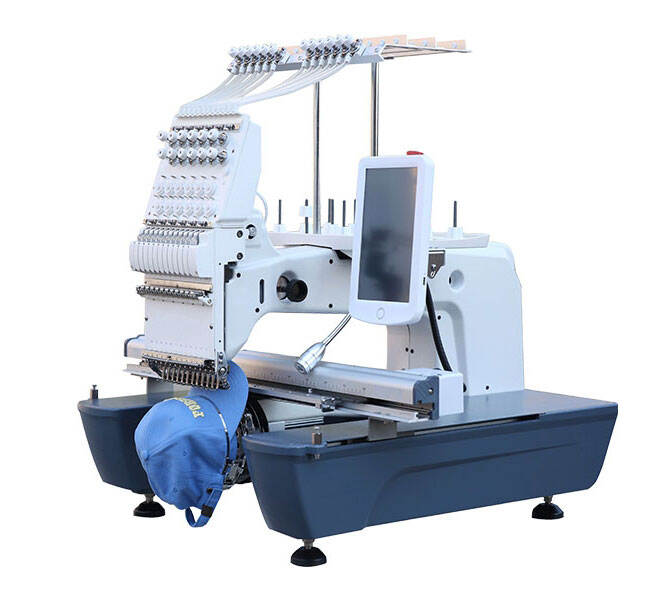
In today's competitive textile industry, delivering exceptional custom embroidery builds has become the cornerstone of successful manufacturing operations. Quality control processes determine whether businesses maintain their reputation and secure long-term partnerships with clients who demand precision and reliability. The integration of advanced machinery, skilled craftsmanship, and rigorous quality assurance protocols creates a foundation for premium custom embroidery builds that exceed industry standards and client expectations.

Manufacturing facilities specializing in custom embroidery builds must establish comprehensive quality frameworks that address every aspect of production, from initial design consultation to final product delivery. These frameworks encompass material selection, equipment calibration, operator training, and continuous monitoring systems that ensure consistent output quality. Premium standards in custom embroidery builds require investment in both technology and human resources, creating synergistic relationships between advanced machinery capabilities and skilled artisan expertise.
Foundation Elements of Premium Quality Control
Material Selection and Preparation Standards
The foundation of superior custom embroidery builds begins with meticulous material selection and preparation processes. Thread quality, fabric compatibility, and stabilizer selection directly impact the final product's durability, appearance, and performance characteristics. Professional manufacturers implement standardized testing protocols to evaluate thread tensile strength, colorfastness, and dimensional stability before incorporating materials into production workflows.
Fabric preparation involves thorough inspection for defects, proper pre-treatment procedures, and accurate cutting techniques that maintain grain alignment and dimensional accuracy. Quality-focused facilities maintain detailed material specifications databases that document compatibility matrices between different thread types, fabric constructions, and stabilizer configurations for optimal custom embroidery builds performance.
Equipment Calibration and Maintenance Protocols
Precision machinery forms the backbone of consistent custom embroidery builds, requiring systematic calibration procedures and preventive maintenance schedules. Modern embroidery equipment incorporates sophisticated tension control systems, automated thread trimming mechanisms, and computerized stitch regulation features that demand regular adjustment and verification to maintain optimal performance parameters.
Maintenance protocols include daily cleaning procedures, weekly lubrication schedules, and monthly comprehensive inspections that identify potential issues before they impact production quality. Calibration procedures verify needle penetration depths, thread tension settings, and frame positioning accuracy to ensure dimensional consistency across all custom embroidery builds regardless of complexity or scale.
Advanced Quality Monitoring Systems
Real-Time Production Monitoring
Contemporary custom embroidery builds benefit from integrated monitoring systems that provide real-time feedback on production parameters and quality metrics. These systems utilize sensors and cameras to detect thread breaks, tension irregularities, and stitch formation anomalies during the embroidery process, enabling immediate corrective actions that prevent defective products from progressing through production workflows.
Advanced monitoring platforms incorporate machine learning algorithms that analyze historical production data to predict potential quality issues and recommend preventive adjustments. This proactive approach to quality management reduces waste, minimizes rework requirements, and ensures consistent excellence in custom embroidery builds across diverse product categories and client specifications.
Statistical Process Control Implementation
Statistical process control methodologies provide quantitative frameworks for evaluating and improving custom embroidery builds quality consistency. Control charts track critical parameters such as stitch density, registration accuracy, and dimensional tolerances, establishing baseline performance metrics and identifying process variations that require investigation and correction.
Process capability studies analyze production data to determine system capabilities relative to customer specifications, enabling manufacturers to make informed decisions about equipment upgrades, process modifications, and quality improvement initiatives. These analytical approaches ensure that custom embroidery builds consistently meet or exceed established quality standards while identifying opportunities for continuous improvement and optimization.
Operator Training and Skill Development
Comprehensive Training Programs
Human expertise remains critical to achieving premium quality in custom embroidery builds, requiring comprehensive training programs that develop both technical skills and quality awareness among production personnel. Training curricula address machine operation, quality inspection techniques, problem-solving methodologies, and customer service principles that contribute to overall product excellence.
Structured training progressions ensure operators develop proficiency in handling complex custom embroidery builds while maintaining consistent quality standards. Regular skills assessments and continuing education programs keep personnel current with evolving technologies, techniques, and quality requirements in the rapidly advancing embroidery industry.
Quality Awareness and Accountability
Creating a culture of quality consciousness among production teams enhances the consistency and reliability of custom embroidery builds through individual accountability and collective commitment to excellence. Quality awareness programs educate employees about the impact of their work on customer satisfaction, brand reputation, and business success.
Accountability systems include individual quality metrics, team performance indicators, and recognition programs that reward exceptional contributions to custom embroidery builds quality achievement. These programs foster pride in workmanship and encourage continuous improvement efforts throughout the organization.
Quality Inspection and Testing Procedures
Multi-Stage Inspection Protocols
Systematic inspection procedures at multiple production stages ensure that quality issues are identified and corrected before they impact final custom embroidery builds quality. Pre-production inspections verify design accuracy, material preparation, and machine setup parameters, while in-process inspections monitor ongoing production quality and identify emerging issues.
Final inspection procedures evaluate completed custom embroidery builds against established quality criteria, including dimensional accuracy, stitch formation quality, thread trimming precision, and overall appearance standards. Detailed inspection checklists ensure comprehensive evaluation of all critical quality attributes while maintaining consistency across different operators and production shifts.
Performance Testing and Validation
Performance testing protocols validate the durability and functionality of custom embroidery builds under simulated use conditions. Wash testing evaluates colorfastness, dimensional stability, and thread retention, while abrasion testing assesses surface durability and wear resistance characteristics.
Validation procedures include customer-specific testing requirements and industry standard compliance verification to ensure that custom embroidery builds meet or exceed all applicable performance criteria. Test results documentation provides objective evidence of quality achievement and supports continuous improvement initiatives throughout the production process.
Customer Communication and Feedback Integration
Proactive Communication Strategies
Effective communication with customers throughout the custom embroidery builds process ensures alignment between expectations and deliverables while identifying potential issues before they impact project outcomes. Proactive communication includes design review sessions, production progress updates, and quality confirmation procedures that keep customers informed and engaged.
Communication protocols establish clear channels for customer input, change requests, and quality concerns, enabling rapid response to evolving requirements and ensuring customer satisfaction with final custom embroidery builds results. Regular communication builds trust and confidence while preventing misunderstandings that could compromise project success.
Feedback Integration and Continuous Improvement
Customer feedback integration processes capture valuable insights about custom embroidery builds performance and identify opportunities for quality enhancement and process optimization. Systematic feedback collection includes post-delivery surveys, follow-up interviews, and long-term performance evaluations that assess customer satisfaction and product durability.
Feedback analysis procedures identify trends, common issues, and improvement opportunities that inform quality enhancement initiatives and process modifications. This customer-centric approach to quality improvement ensures that custom embroidery builds continue to evolve and improve in response to market demands and customer expectations.
Technology Integration and Innovation
Digital Design and Workflow Systems
Advanced digital design systems enhance the precision and consistency of custom embroidery builds by providing sophisticated tools for design creation, modification, and production planning. These systems incorporate automated stitch optimization algorithms, color matching capabilities, and production scheduling features that streamline workflows while maintaining quality standards.
Integration between design systems and production equipment enables seamless data transfer and reduces the potential for errors that could impact custom embroidery builds quality. Digital workflow management systems track production progress, quality metrics, and resource utilization, providing comprehensive visibility into all aspects of the manufacturing process.
Automation and Quality Enhancement
Automation technologies contribute to improved quality consistency in custom embroidery builds by eliminating variables associated with manual processes and human error. Automated thread trimming, color changing, and frame positioning systems enhance precision while reducing production time and labor requirements.
Quality enhancement through automation includes automated tension adjustment, stitch formation monitoring, and defect detection systems that maintain optimal production parameters throughout the embroidery process. These technologies enable manufacturers to achieve higher quality standards while improving efficiency and reducing production costs for custom embroidery builds.
Supply Chain Quality Management
Vendor Qualification and Management
Supply chain quality management ensures that all materials and components used in custom embroidery builds meet established quality standards through comprehensive vendor qualification and ongoing performance monitoring. Vendor evaluation criteria include quality certifications, production capabilities, delivery performance, and continuous improvement commitment.
Supplier partnerships focus on collaborative quality improvement initiatives that benefit both parties while ensuring consistent material quality for custom embroidery builds. Regular supplier audits, performance reviews, and quality agreements establish clear expectations and accountability for maintaining premium material standards throughout the supply chain.
Material Traceability and Documentation
Comprehensive material traceability systems track the origin, processing history, and quality characteristics of all materials used in custom embroidery builds, enabling rapid identification and resolution of quality issues. Documentation systems maintain detailed records of material specifications, test results, and usage history for quality assurance and continuous improvement purposes.
Traceability capabilities support customer requirements for material certification, compliance verification, and quality documentation while enabling manufacturers to identify and address systemic quality issues that could impact multiple custom embroidery builds projects. These systems provide the foundation for effective quality management and continuous improvement initiatives.
FAQ
What are the most critical factors for ensuring premium quality in custom embroidery builds
The most critical factors include material quality control, equipment calibration and maintenance, operator training and skill development, comprehensive inspection procedures, and effective customer communication. Premium quality results from the integration of these elements into a cohesive quality management system that addresses every aspect of the production process from initial design through final delivery.
How do advanced monitoring systems improve custom embroidery builds quality
Advanced monitoring systems provide real-time feedback on production parameters, detect quality issues immediately, and enable proactive correction before defects occur. These systems use sensors, cameras, and machine learning algorithms to analyze production data, predict potential problems, and recommend preventive adjustments that maintain consistent quality throughout the manufacturing process.
What role does operator training play in maintaining quality standards for custom embroidery builds
Operator training is essential for developing technical skills, quality awareness, and problem-solving capabilities that directly impact product quality. Comprehensive training programs ensure operators can handle complex projects while maintaining consistent standards, respond effectively to quality issues, and contribute to continuous improvement initiatives that enhance overall manufacturing excellence.
How can manufacturers integrate customer feedback to improve custom embroidery builds quality
Manufacturers can integrate customer feedback through systematic collection processes, analysis of trends and common issues, and implementation of improvement initiatives based on customer insights. This approach includes post-delivery surveys, follow-up evaluations, and ongoing communication that captures valuable information about product performance and customer satisfaction, driving continuous quality enhancement efforts.
Table of Contents
- Foundation Elements of Premium Quality Control
- Advanced Quality Monitoring Systems
- Operator Training and Skill Development
- Quality Inspection and Testing Procedures
- Customer Communication and Feedback Integration
- Technology Integration and Innovation
- Supply Chain Quality Management
-
FAQ
- What are the most critical factors for ensuring premium quality in custom embroidery builds
- How do advanced monitoring systems improve custom embroidery builds quality
- What role does operator training play in maintaining quality standards for custom embroidery builds
- How can manufacturers integrate customer feedback to improve custom embroidery builds quality