

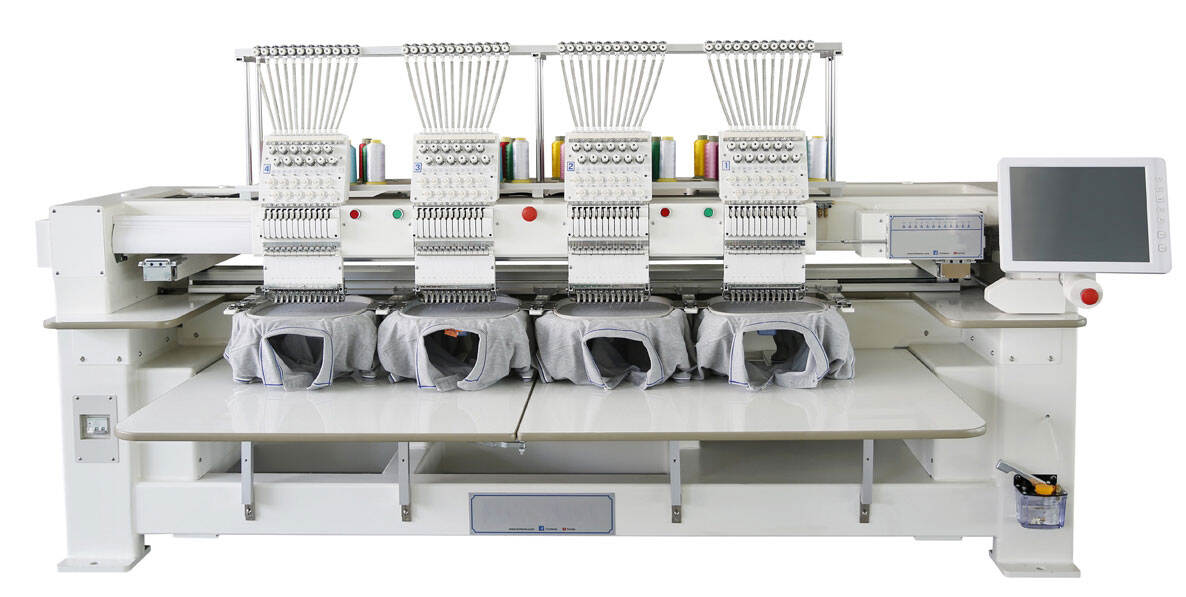
The evolution of textile manufacturing has revolutionized how businesses approach custom embroidery, with digital embroidery machines becoming the cornerstone of modern production facilities. These sophisticated systems have transformed traditional needlework into precision-controlled processes that deliver consistent, high-quality results across various fabric types and design complexities. Understanding the intricacies of selecting the appropriate digital embroidery machine requires careful consideration of multiple factors including production volume, design capabilities, and operational requirements. The investment in the right equipment can significantly impact both productivity and profitability for businesses ranging from small custom shops to large-scale manufacturing operations.
Essential Features of Modern Digital Embroidery Systems
Computerized Control Systems and Software Integration
Contemporary digital embroidery machines incorporate advanced computerized control systems that enable precise stitch placement and pattern execution. These systems typically feature user-friendly touchscreen interfaces that allow operators to navigate through design libraries, adjust stitch parameters, and monitor production progress in real-time. The software integration capabilities determine how effectively the machine can import various file formats including DST, PES, and EMB files, ensuring compatibility with popular design software packages. High-end digital embroidery machines often include built-in editing features that enable on-the-fly modifications to designs without requiring external software intervention.
The memory capacity of these computerized systems plays a crucial role in storing complex designs and maintaining production efficiency. Modern units typically offer substantial internal memory along with USB and network connectivity options for seamless file transfer. The processing speed of the control system directly affects how quickly the machine can interpret design data and execute stitching commands, ultimately impacting overall productivity levels.
Threading Systems and Multi-Color Capabilities
Advanced threading systems represent a fundamental component of professional-grade digital embroidery machines, with automatic thread trimming and color change functions reducing manual intervention requirements. These systems can accommodate multiple thread types including polyester, rayon, and specialty threads while maintaining consistent tension throughout the stitching process. The number of needle positions available determines the complexity of multi-color designs that can be executed without operator intervention, with high-end machines offering up to fifteen or more simultaneous color options.
Thread break detection sensors enhance operational reliability by immediately stopping the machine when thread issues occur, preventing costly material waste and design defects. The quality of the threading mechanism also influences thread consumption efficiency, with precision-engineered systems minimizing waste while ensuring optimal stitch formation across various fabric densities.
Production Capacity and Speed Considerations
Stitching Speed and Design Complexity Management
The stitching speed capabilities of a digital embroidery machine directly correlate with production throughput, though optimal speed settings vary based on design complexity and fabric characteristics. High-performance machines can achieve speeds exceeding 1,000 stitches per minute while maintaining precise stitch quality, though practical operating speeds often range between 600-800 SPM for optimal results. The machine's ability to automatically adjust speed based on design elements such as small text, intricate details, or dense fill patterns demonstrates advanced control system sophistication.
Variable speed control allows operators to optimize production efficiency for different project types, with slower speeds typically required for delicate fabrics or highly detailed designs. The machine's acceleration and deceleration characteristics also impact overall cycle time, with smooth transitions preventing thread breaks and maintaining stitch consistency during speed changes.
Embroidery Area and Hoop Configuration Options
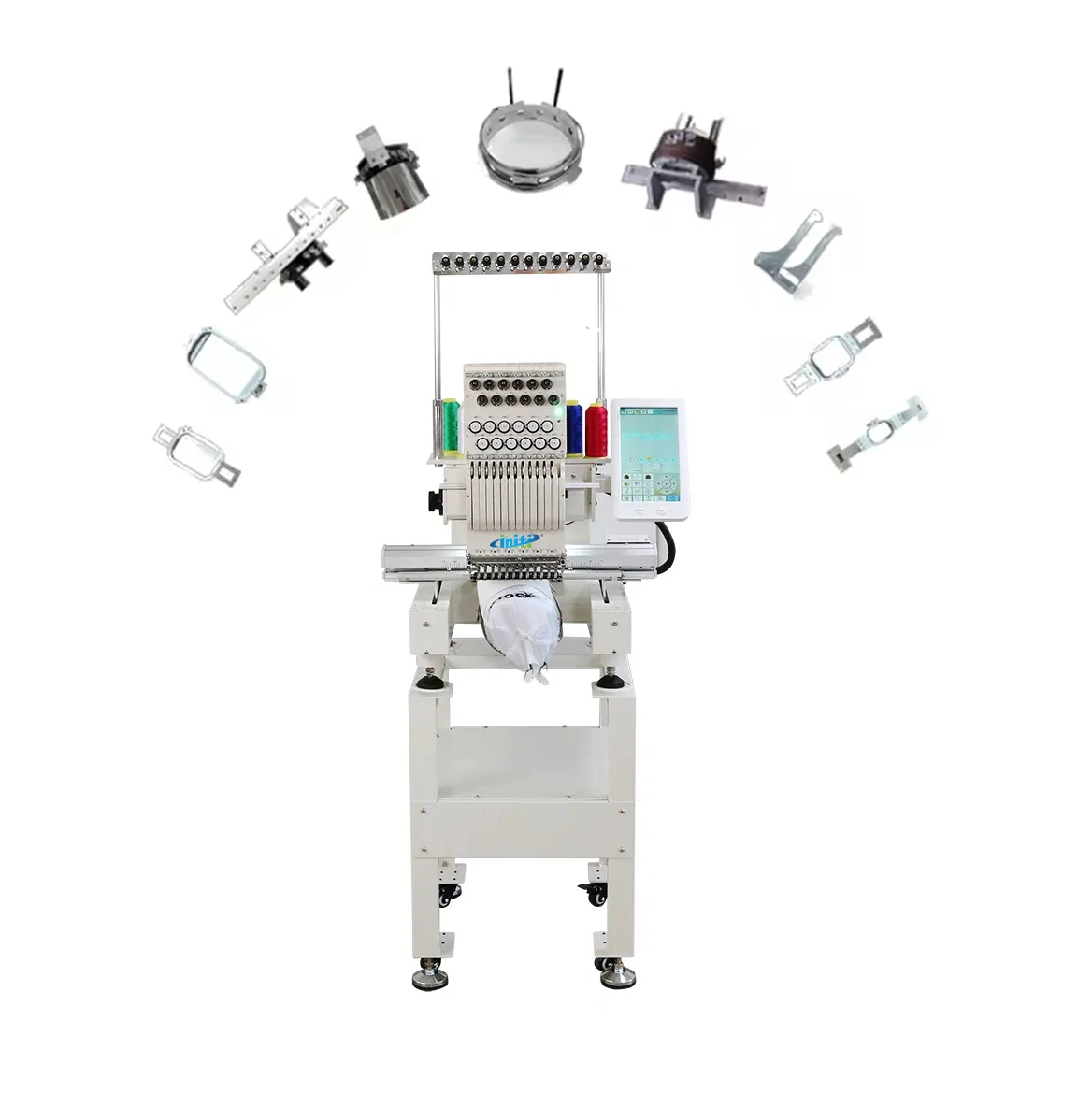
The maximum embroidery area defines the largest single design that can be executed without repositioning, with commercial digital embroidery machines offering areas ranging from 100mm x 100mm for small items to 400mm x 680mm or larger for extensive designs. Hoop compatibility and quick-change mechanisms affect setup efficiency, particularly in high-volume production environments where frequent design changes occur. Advanced machines feature multiple hoop size options with magnetic or pneumatic clamping systems that ensure secure fabric positioning throughout the stitching process.
The precision of the hoop positioning system influences registration accuracy for multi-hoop designs or when combining embroidery with other decoration methods. Some high-end digital embroidery machines incorporate laser positioning guides or camera systems that assist with accurate hoop placement and design alignment verification.
Technical Specifications and Performance Metrics
Motor Systems and Mechanical Precision
The heart of any digital embroidery machine lies in its motor configuration, with servo motors providing the precise control necessary for accurate needle positioning and consistent stitch formation. These motors must deliver sufficient torque to penetrate heavy fabrics while maintaining the sensitivity required for delicate materials and fine detail work. The mechanical construction quality, including frame rigidity and component tolerances, directly affects long-term reliability and stitch consistency across extended production runs.
Advanced digital embroidery machines incorporate vibration dampening systems and precision ball bearing assemblies that minimize mechanical wear while ensuring smooth operation at high speeds. The needle bar construction and pantograph mechanism design influence the accuracy of stitch placement, with high-quality machines achieving positioning tolerances within 0.1mm or better.
Maintenance Requirements and Service Accessibility
Routine maintenance schedules for digital embroidery machines typically include daily cleaning procedures, weekly lubrication points, and periodic calibration checks to maintain optimal performance levels. The accessibility of service points and the availability of diagnostic tools affect the ease and cost of ongoing maintenance operations. Modern machines often feature self-diagnostic capabilities that alert operators to potential issues before they result in production downtime or quality defects.
The availability of technical support, spare parts inventory, and service documentation significantly impacts the total cost of ownership for digital embroidery machines. Manufacturers that provide comprehensive training programs and responsive technical support help ensure optimal machine utilization and minimize operational disruptions.
Application-Specific Requirements and Industry Standards
Fabric Compatibility and Specialized Applications
Different digital embroidery machine configurations excel with specific fabric types and applications, from lightweight apparel fabrics to heavy-duty materials used in industrial applications. The machine's penetration force capabilities and needle system compatibility determine its suitability for challenging materials such as leather, canvas, or technical textiles. Specialized applications may require additional features such as sequin attachment systems, cord laying capabilities, or appliqué cutting functions.
The versatility of modern digital embroidery machines extends beyond traditional textile decoration to include applications in automotive trim, promotional products, and technical textiles for aerospace or medical industries. Understanding the specific requirements of target applications helps guide the selection process toward machines with appropriate capabilities and certification standards.
Quality Control and Consistency Standards
Professional-grade digital embroidery machines incorporate various quality control features including automatic tension adjustment, thread monitoring systems, and stitch quality verification capabilities. These systems help maintain consistent results across production runs while minimizing the risk of defective products reaching customers. The machine's ability to maintain calibration over time and across different environmental conditions affects long-term quality consistency.
Industry certification requirements for specific markets may necessitate machines with particular capabilities or documentation standards. Understanding these requirements early in the selection process helps ensure compliance with relevant quality standards and customer specifications.
Cost Analysis and Return on Investment
Initial Investment Considerations
The acquisition cost of digital embroidery machines varies significantly based on features, production capacity, and brand positioning, with entry-level commercial units starting around several thousand dollars and high-end multi-head systems reaching six-figure investments. Beyond the initial purchase price, buyers must consider installation costs, training requirements, and necessary auxiliary equipment such as air compressors, stabilizer systems, and design software licenses.
Financing options and lease arrangements can help distribute the capital investment over time while preserving working capital for other business needs. The rapid depreciation of technology equipment makes it important to evaluate the expected service life and potential resale value when calculating total cost of ownership for digital embroidery machines.
Operational Cost Factors and Productivity Metrics
Operating expenses for digital embroidery machines include thread consumption, electricity usage, maintenance supplies, and periodic service requirements. The efficiency of the machine's threading system and stitch optimization algorithms can significantly impact material costs over time. Energy consumption varies between machine models, with newer digital embroidery machines often featuring improved power management systems that reduce operational costs.
Productivity metrics such as designs per hour, setup time requirements, and machine utilization rates directly affect the return on investment timeline. Higher-capacity machines may justify their premium cost through increased throughput and reduced labor requirements per finished piece.
Future-Proofing and Technology Evolution
Connectivity and Industry 4.0 Integration
Modern digital embroidery machines increasingly incorporate connectivity features that enable integration with production management systems, quality tracking databases, and remote monitoring capabilities. These Industry 4.0 technologies facilitate predictive maintenance scheduling, real-time production reporting, and automated inventory management for thread and consumables. The ability to update machine firmware and software remotely helps extend equipment lifespan while adding new capabilities over time.
Cloud-based design libraries and collaborative workflow systems are becoming standard features in advanced digital embroidery machines, enabling seamless integration with customer design approval processes and automated production scheduling systems. These connectivity features can significantly enhance operational efficiency while reducing administrative overhead in high-volume production environments.
Emerging Technologies and Upgrade Pathways
The continuing evolution of digital embroidery machine technology includes developments in artificial intelligence for automated design optimization, improved sensor systems for quality monitoring, and enhanced automation features that reduce operator intervention requirements. Understanding the upgrade pathways available for existing equipment helps protect technology investments while maintaining competitive capabilities.
Modular design approaches in some digital embroidery machine lines allow for incremental capability additions such as additional heads, specialized attachment systems, or advanced software packages. This flexibility can help businesses scale their capabilities gradually while managing capital expenditure requirements.
FAQ
What factors determine the optimal stitching speed for different applications
The optimal stitching speed for digital embroidery machines depends on several interconnected factors including fabric density, thread type, design complexity, and required quality levels. Heavy fabrics typically require slower speeds to ensure proper needle penetration and prevent fabric damage, while lightweight materials can accommodate higher speeds. Dense designs with small details or intricate patterns benefit from reduced speeds to maintain precision, whereas simple fill patterns can be executed efficiently at maximum machine speeds. Thread characteristics also influence optimal speed settings, with delicate specialty threads requiring gentler handling compared to standard polyester threads.
How do multi-head configurations affect production efficiency and cost
Multi-head digital embroidery machines multiply production capacity by allowing simultaneous execution of identical designs across multiple workstations, significantly reducing per-piece production time for large orders. However, the increased complexity of multi-head systems typically results in higher initial investment costs, increased maintenance requirements, and more sophisticated operator training needs. The break-even point for multi-head configurations depends on production volume, order size distribution, and labor costs, with high-volume operations generally benefiting most from the increased throughput capabilities.
What maintenance schedules ensure optimal performance and longevity
Effective maintenance schedules for digital embroidery machines typically include daily cleaning of lint and thread debris, weekly lubrication of specified points, and monthly calibration checks for needle positioning accuracy. More comprehensive maintenance procedures should be performed quarterly, including thorough cleaning of internal mechanisms, tension system adjustments, and software updates. Annual professional service inspections help identify potential issues before they result in production disruptions while ensuring warranty compliance and optimal performance retention throughout the machine's service life.
How do software capabilities impact design flexibility and workflow efficiency
Advanced software capabilities in digital embroidery machines significantly enhance design flexibility through features such as automatic digitizing, stitch optimization algorithms, and real-time editing functions. Sophisticated software packages enable operators to modify designs on-the-fly, combine multiple elements, and optimize stitch sequences for improved efficiency and quality. Integration with popular design software and cloud-based libraries streamlines workflow processes while reducing setup time between jobs, ultimately improving overall productivity and enabling more responsive customer service capabilities.