

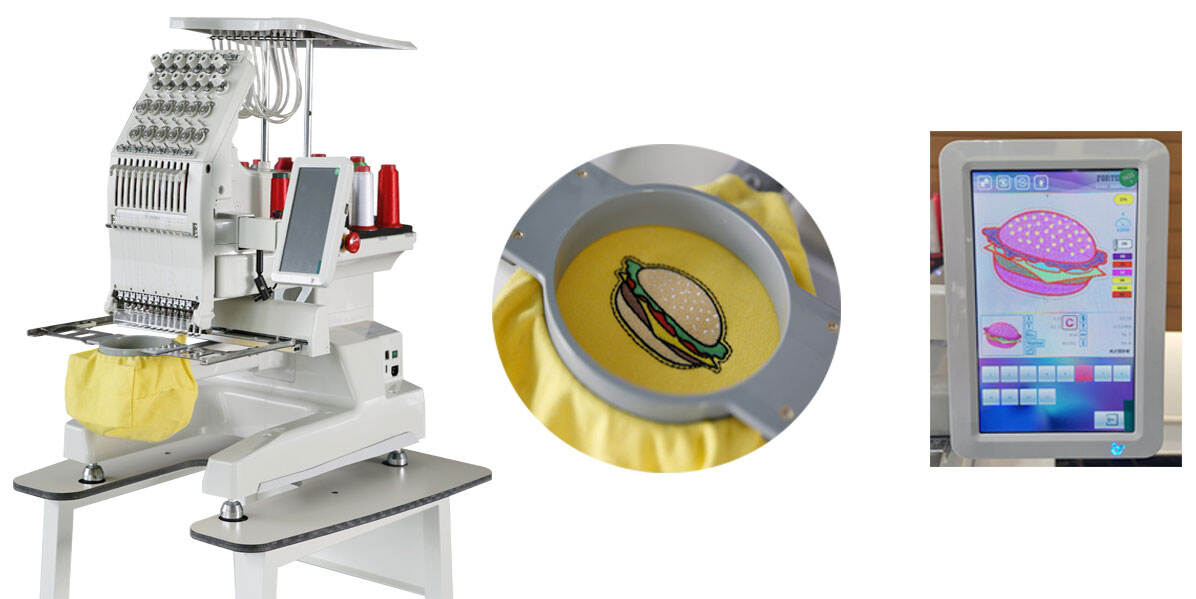
Professional shirt embroidery has become an essential service for businesses, promotional companies, and custom apparel manufacturers seeking to create high-quality branded garments. The art of shirt embroidery requires precision, attention to detail, and specialized equipment capable of handling the unique challenges presented by different areas of a shirt. From delicate collar work to intricate pocket designs, modern embroidery demands both technical expertise and reliable machinery that can deliver consistent results across various fabric types and garment styles.
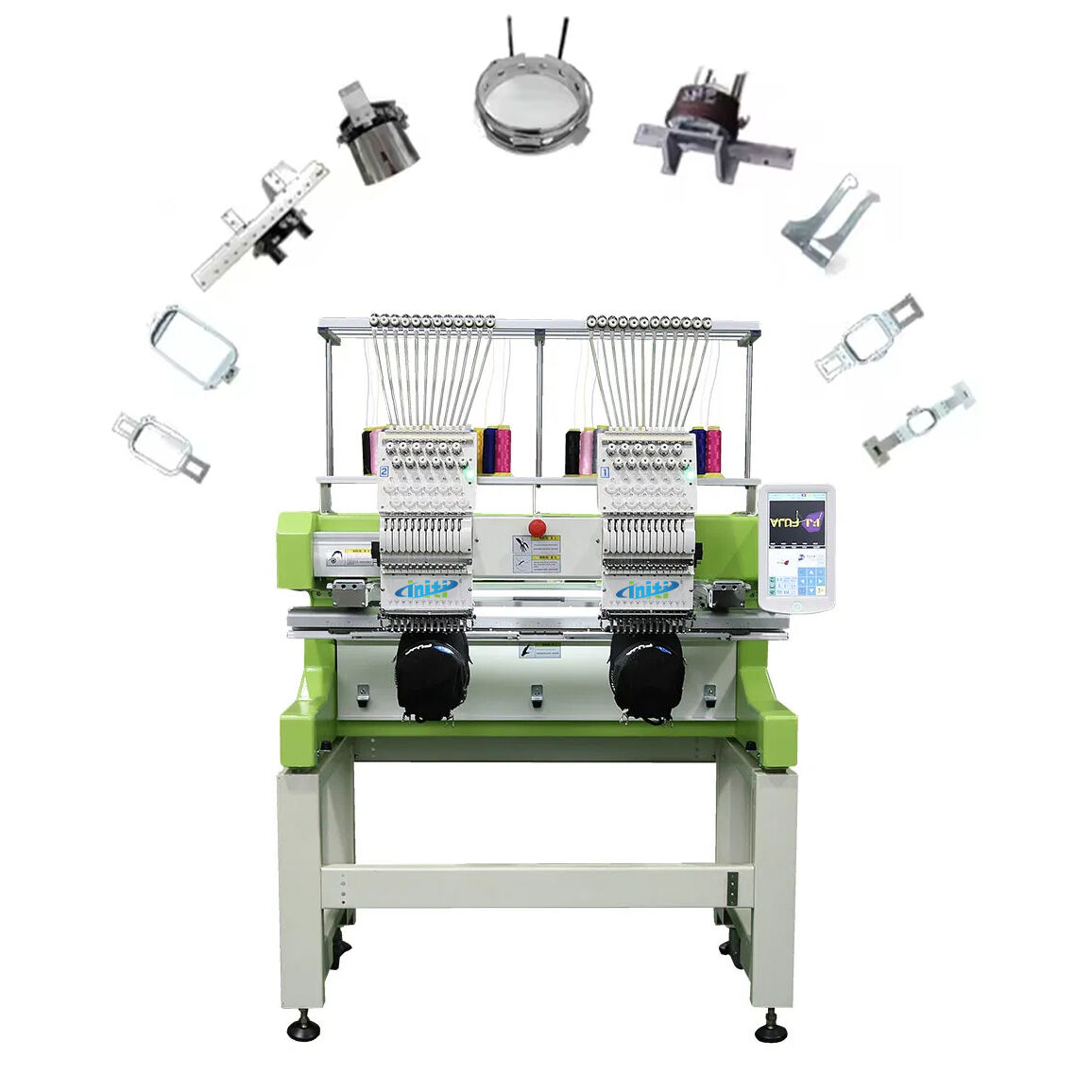
The complexity of shirt embroidery lies in navigating the three-dimensional structure of garments while maintaining design integrity and thread tension consistency. Professional embroiderers must consider factors such as fabric stability, hoop positioning, and design placement to achieve optimal results. Whether working on corporate uniforms, promotional apparel, or custom fashion pieces, understanding the technical requirements for successful shirt embroidery is crucial for achieving professional-grade outcomes that meet client expectations and industry standards.
Essential Equipment Features for Professional Shirt Embroidery
Advanced Hooping Systems for Garment Stability
Effective shirt embroidery begins with proper garment stabilization through advanced hooping systems designed specifically for three-dimensional apparel. Modern embroidery machines feature specialized hoops and fixtures that accommodate the natural curves and seams of shirts without causing distortion or puckering. These systems include adjustable pressure settings, multiple hoop sizes, and quick-release mechanisms that facilitate efficient production workflows while maintaining consistent tension across different fabric weights and textures.
The integration of pneumatic or magnetic hooping systems has revolutionized shirt embroidery by reducing setup time and improving design registration accuracy. These advanced systems ensure that delicate areas such as collars and cuffs receive appropriate support without over-tensioning the fabric, which can lead to thread breaks or design distortion. Professional embroiderers rely on these sophisticated hooping solutions to maintain production efficiency while delivering superior quality results across diverse garment types and design specifications.
Precision Needle Positioning and Thread Management
Accurate needle positioning is fundamental to achieving professional shirt embroidery results, particularly when working on challenging areas like pocket edges and collar points. Advanced embroidery machines incorporate servo motor technology and encoder feedback systems that provide precise needle control and consistent stitch formation. These systems enable embroiderers to maintain exact design placement and thread tension, even when transitioning between different fabric densities within a single garment.
Thread management systems play a crucial role in minimizing interruptions during shirt embroidery production runs. Modern machines feature automatic thread trimming, tension monitoring, and break detection capabilities that reduce operator intervention and maintain consistent stitch quality. The combination of precision positioning and intelligent thread management ensures that complex shirt embroidery designs are executed flawlessly, regardless of the challenges presented by garment construction or design complexity.
Collar Embroidery Techniques and Considerations
Managing Curved Surfaces and Seam Intersections
Collar embroidery presents unique challenges due to the curved nature of collar construction and the presence of multiple seam intersections. Successful shirt embroidery on collars requires careful consideration of design placement, stitch density, and backing material selection to prevent puckering and ensure design longevity. Professional embroiderers utilize specialized techniques such as underlay stitching and progressive density adjustments to accommodate the natural curve of collar edges while maintaining design clarity and dimensional stability.
The intersection of collar seams creates areas of increased fabric thickness that can affect needle penetration and thread tension during shirt embroidery. Advanced machines equipped with automatic height adjustment and pressure compensation features can navigate these challenging areas without compromising stitch quality. Proper pre-planning of stitch sequences and the use of appropriate stabilizers are essential for achieving professional results when embroidering on collar areas, particularly for designs that span across seam lines or incorporate fine detail work.
Fabric Type Considerations for Collar Work
Different shirt fabrics require specific approaches when performing collar embroidery, as material properties significantly impact the final result quality. Cotton shirts typically provide stable platforms for embroidery work, while synthetic blends may require adjusted tension settings and specialized needles to prevent fabric damage. Performance fabrics and stretch materials demand particular attention to backing selection and hooping techniques to prevent distortion during the shirt embroidery process.
The collar construction method also influences embroidery approach, as fused collars behave differently from sewn-only versions during shirt embroidery operations. Professional embroiderers must assess fabric weight, stretch characteristics, and interfacing presence before selecting appropriate settings and techniques. This evaluation ensures that the embroidery process enhances rather than compromises the collar's structural integrity and appearance, resulting in professional-quality finished garments that maintain their shape and functionality over time.
Cuff Embroidery Precision and Quality Control
Addressing Limited Space Constraints
Cuff embroidery requires exceptional precision due to the limited available space and the need to work around existing buttonholes and seam construction. Professional shirt embroidery on cuffs demands careful design scaling and placement to ensure visibility while respecting the functional elements of the garment. Modern embroidery software provides advanced design manipulation tools that allow operators to optimize layouts for cuff dimensions while maintaining design proportions and readability.
The cylindrical nature of cuff construction presents additional challenges for shirt embroidery operations, requiring specialized fixtures or flattening techniques to create suitable working surfaces. Professional embroiderers utilize custom jigs and support systems that temporarily flatten cuffs without causing permanent creasing or distortion. These tools enable accurate design placement and consistent stitch formation while preserving the cuff's natural shape and functionality throughout the embroidery process.
Button and Closure Integration
Successful cuff shirt embroidery must account for existing buttons, snaps, or other closure mechanisms that may interfere with design placement or hoop positioning. Professional embroiderers develop strategies for working around these elements, including modified hooping techniques and design adjustments that complement rather than compete with functional hardware. The integration of embroidery with existing cuff features requires careful planning and execution to achieve aesthetically pleasing results that enhance the garment's overall appearance.
Quality control measures for cuff embroidery include verification of design alignment relative to closure positions and assessment of thread security around high-stress areas. Professional shirt embroidery operations implement systematic inspection protocols that ensure consistent placement accuracy and stitch quality across production runs. These measures help maintain brand standards and customer satisfaction while minimizing costly rework or rejection rates in commercial embroidery applications.
Pocket Embroidery Strategies and Best Practices
Working with Pre-Constructed Pockets
Pocket embroidery on completed shirts presents significant technical challenges due to the double-layer construction and limited access for proper hooping. Professional shirt embroidery techniques for pocket work include the use of specialized backing materials and modified tension settings to prevent fabric shifting and ensure consistent stitch formation. The key to successful pocket embroidery lies in understanding how the additional fabric layers affect needle penetration and thread behavior throughout the stitching process.
Advanced embroidery machines equipped with automatic thread trimming and jump stitch capabilities excel at pocket shirt embroidery by minimizing the need for manual intervention in confined spaces. These features enable smooth design execution even when working around pocket edges and seam allowances. Professional embroiderers also utilize specialized needles and thread types that perform optimally in multi-layer fabric applications, ensuring design durability and appearance quality that meets commercial standards.
Design Placement and Visibility Optimization
Effective pocket shirt embroidery requires strategic design placement that maximizes visibility while respecting the pocket's functional purpose and aesthetic proportions. Professional embroiderers consider factors such as pocket size, shape, and intended use when determining optimal design positioning and scaling. The goal is to create embroidery that enhances the garment's appearance without interfering with pocket functionality or creating visual imbalance in the overall shirt design.
Color selection and contrast management are crucial elements of successful pocket embroidery, as designs must remain visible against varying background colors and patterns. Professional shirt embroidery operations employ color matching systems and contrast analysis tools to ensure optimal design visibility across different fabric combinations. This attention to visual impact helps create professional results that effectively communicate brand messages or decorative elements while maintaining aesthetic harmony with the overall garment design.
Advanced Machine Features for Complex Shirt Work
Multi-Position Capability and Fixture Systems
Modern embroidery machines designed for professional shirt embroidery incorporate multi-position capabilities that enable operators to work on various garment areas without complex re-hooping procedures. These systems include adjustable arm heights, rotating fixtures, and quick-change attachments that accommodate different shirt components efficiently. The ability to transition seamlessly between collar, cuff, and pocket work significantly improves production throughput while maintaining consistent quality standards across all embroidery applications.
Fixture systems specifically designed for shirt embroidery provide stable platforms for working on three-dimensional garments while preserving fabric integrity and design accuracy. These specialized tools eliminate the guesswork associated with garment positioning and ensure repeatable results across production runs. Professional embroiderers rely on these advanced fixture systems to achieve consistent placement accuracy and stitch quality, regardless of garment size variations or construction differences between shirt styles.
Software Integration and Design Management
Sophisticated embroidery software platforms enhance shirt embroidery operations through automated design optimization, stitch sequence planning, and production workflow management. These systems analyze garment specifications and automatically adjust parameters such as stitch density, underlay patterns, and thread tension to optimize results for specific fabric types and construction methods. The integration of intelligent software solutions reduces setup time and minimizes the risk of production errors in commercial shirt embroidery operations.
Real-time monitoring and quality control features built into modern embroidery systems provide immediate feedback on production parameters and alert operators to potential issues before they affect finished quality. These capabilities are particularly valuable for shirt embroidery work, where fabric variations and construction complexities can introduce unexpected challenges. Professional operations leverage these technological advantages to maintain consistent output quality while maximizing production efficiency across diverse garment types and design requirements.
Quality Assurance and Production Optimization
Inspection Protocols and Standards
Professional shirt embroidery operations implement comprehensive quality assurance protocols that address the unique challenges associated with garment embroidery work. These standards include visual inspection criteria for design placement accuracy, stitch formation quality, and thread security across all embroidered areas. Systematic quality control measures help identify potential issues early in the production process, reducing waste and ensuring consistent customer satisfaction in commercial embroidery applications.
Documentation and traceability systems support quality assurance efforts by maintaining detailed records of production parameters, material specifications, and inspection results for each shirt embroidery job. This information enables rapid problem resolution and continuous improvement of production processes. Professional embroiderers use these quality management tools to build customer confidence and maintain competitive advantages in demanding commercial markets where consistency and reliability are paramount.
Production Efficiency Strategies
Optimizing production efficiency in shirt embroidery operations requires careful coordination of equipment capabilities, material preparation, and workflow organization. Professional operations develop standardized procedures for common embroidery tasks while maintaining flexibility to accommodate custom requirements and design variations. These strategies include batch processing techniques, automated material handling systems, and predictive maintenance programs that maximize equipment uptime and throughput capacity.
Continuous improvement initiatives in shirt embroidery operations focus on identifying and eliminating bottlenecks while enhancing quality consistency across all production areas. Professional embroiderers utilize data analysis tools to monitor performance metrics and identify opportunities for process optimization. These efforts contribute to improved profitability and customer satisfaction while maintaining the high quality standards expected in professional garment decoration services.
FAQ
What backing materials work best for shirt embroidery on different fabric types
The choice of backing material for shirt embroidery depends on fabric weight, stretch characteristics, and design complexity. Lightweight cotton shirts typically require medium-weight cutaway backing for stability, while stretch fabrics benefit from stretch-compatible backings that move with the garment. Heavy designs or multi-layer areas may need additional support from specialty backings designed for challenging applications. Professional embroiderers often test different backing combinations to determine optimal results for specific fabric and design combinations.
How can embroidery placement be optimized for different shirt sizes
Optimal shirt embroidery placement requires scaling considerations that account for garment proportions across different sizes. Professional operations develop placement templates that maintain consistent visual relationships between designs and garment features regardless of size variations. This approach ensures that embroidery appears balanced and proportionate on all shirt sizes, from small to extra-large. Advanced digitizing software can automatically adjust placement coordinates based on garment measurements, streamlining production setup for multi-size orders.
What thread types perform best for professional shirt embroidery applications
Professional shirt embroidery applications typically utilize high-quality polyester or rayon threads that provide excellent color retention and durability. Polyester threads offer superior wash-fastness and are ideal for garments that require frequent laundering, while rayon threads provide exceptional sheen and color vibrancy for decorative applications. Thread weight selection depends on design detail requirements and fabric characteristics, with 40-weight threads being most common for general shirt embroidery work. Professional embroiderers maintain inventory of multiple thread types to match specific project requirements and quality expectations.
How does machine speed affect shirt embroidery quality and production time
Machine speed optimization in shirt embroidery requires balancing production efficiency with quality requirements, as different garment areas and design elements may require varying speed settings. Complex details and challenging areas like collars and cuffs often benefit from reduced speeds that ensure accurate stitch formation, while simple fill areas can typically be embroidered at higher speeds without quality compromise. Professional operations develop speed profiles for different design types and fabric combinations, maximizing throughput while maintaining consistent quality standards across all production work.
Table of Contents
- Essential Equipment Features for Professional Shirt Embroidery
- Collar Embroidery Techniques and Considerations
- Cuff Embroidery Precision and Quality Control
- Pocket Embroidery Strategies and Best Practices
- Advanced Machine Features for Complex Shirt Work
- Quality Assurance and Production Optimization
-
FAQ
- What backing materials work best for shirt embroidery on different fabric types
- How can embroidery placement be optimized for different shirt sizes
- What thread types perform best for professional shirt embroidery applications
- How does machine speed affect shirt embroidery quality and production time